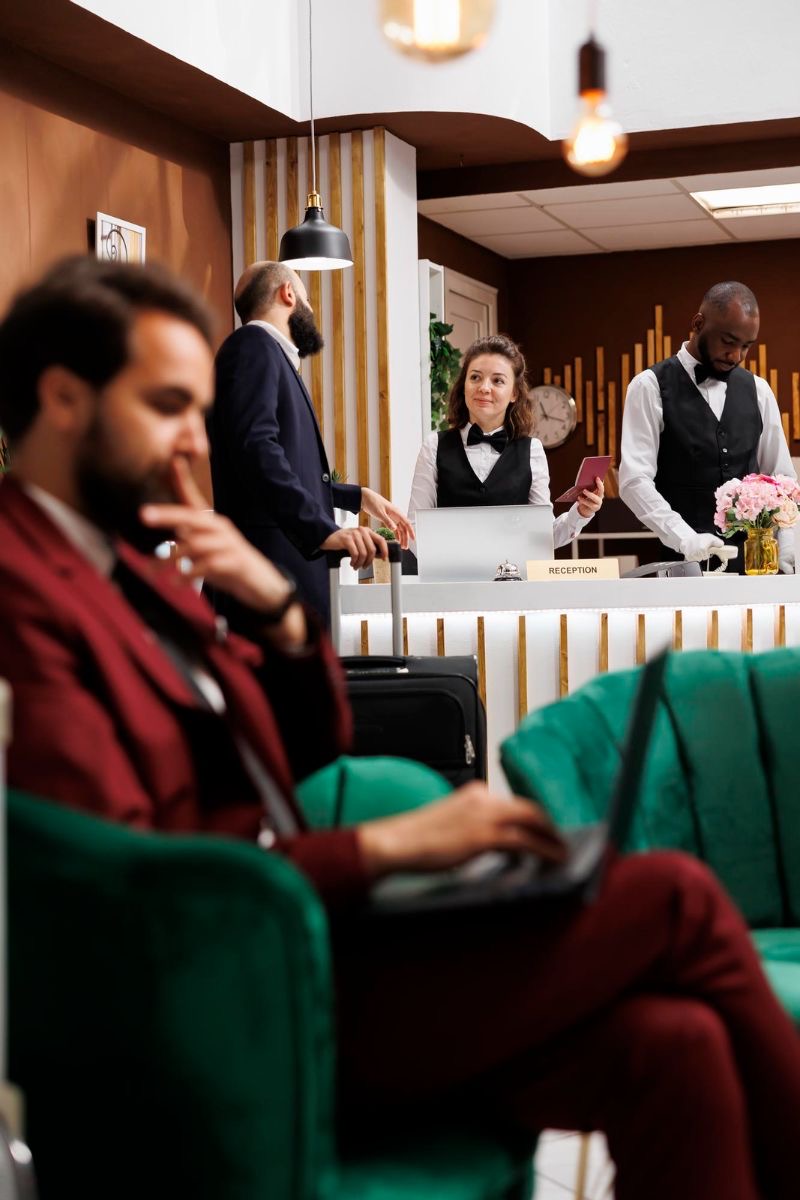
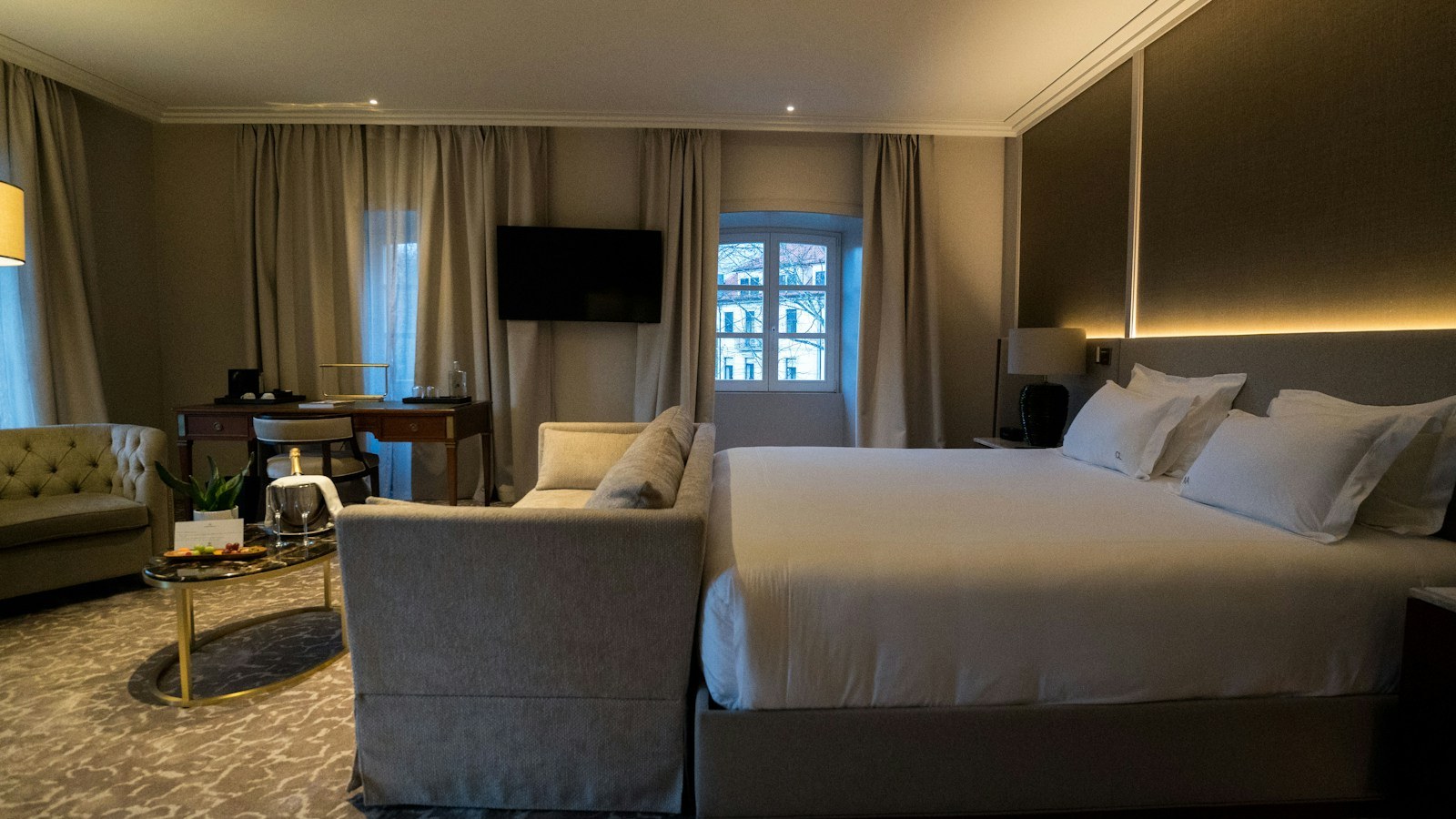
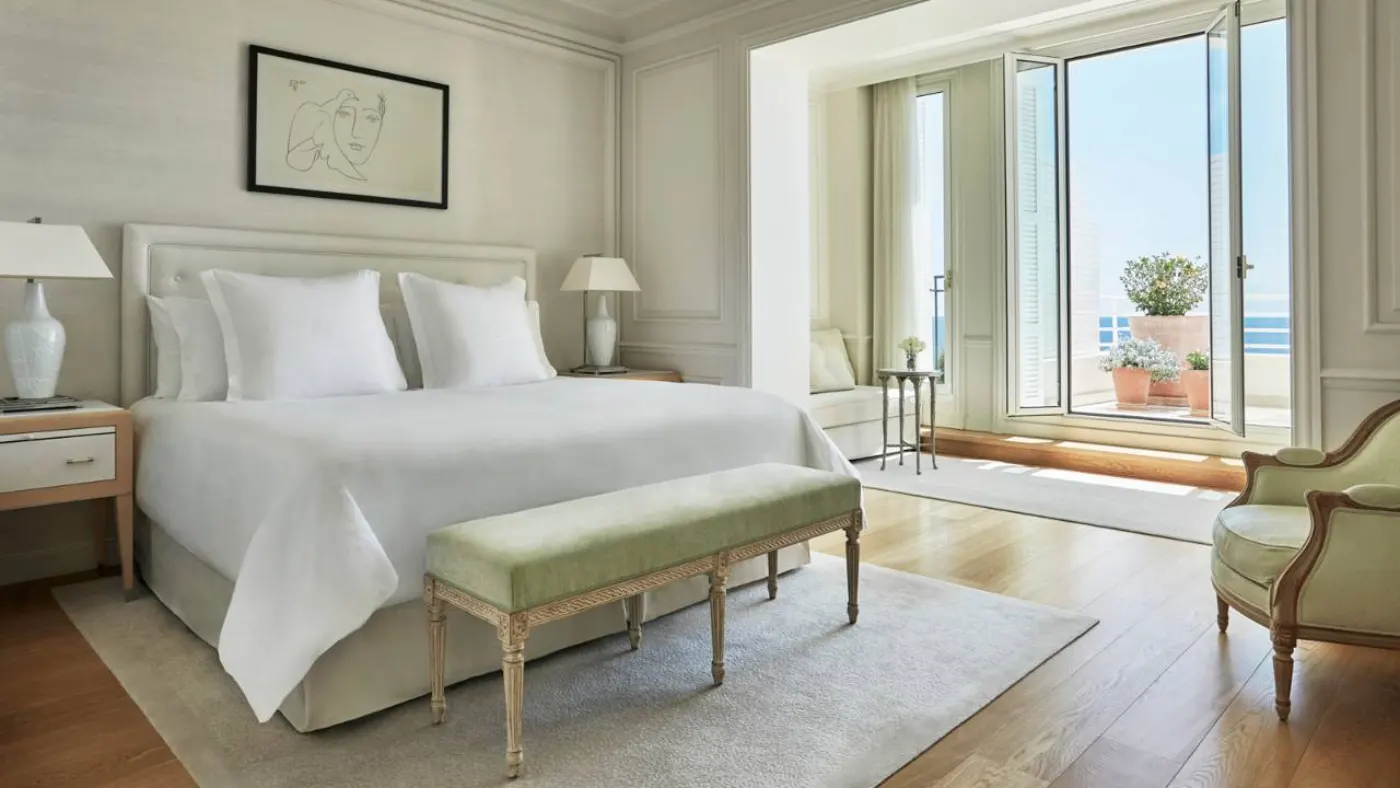
Look at who is sleeping in your hotel tonight. A couple on a weekend break, an executive in town for three nights, a family, a foreign guest discovering your region, a local resident there for a personal reason. They pay similar prices, for rooms that are almost identical.
That, in a single image, is what strikes me about our profession. Our guests have diversified at an astonishing speed: men, women, couples, business travelers, holidaymakers, guests staying one night and others three weeks, locals, regional and national visitors, foreigners, with very different cultures and expectations. And meanwhile, our rooms still look very much alike.

For its November 2026 edition, the EquipHotel trade show has chosen a theme I find particularly fitting: plural hospitality. When we last met, Béatrice Gravier, who runs the show, explained the theme of this edition to me:

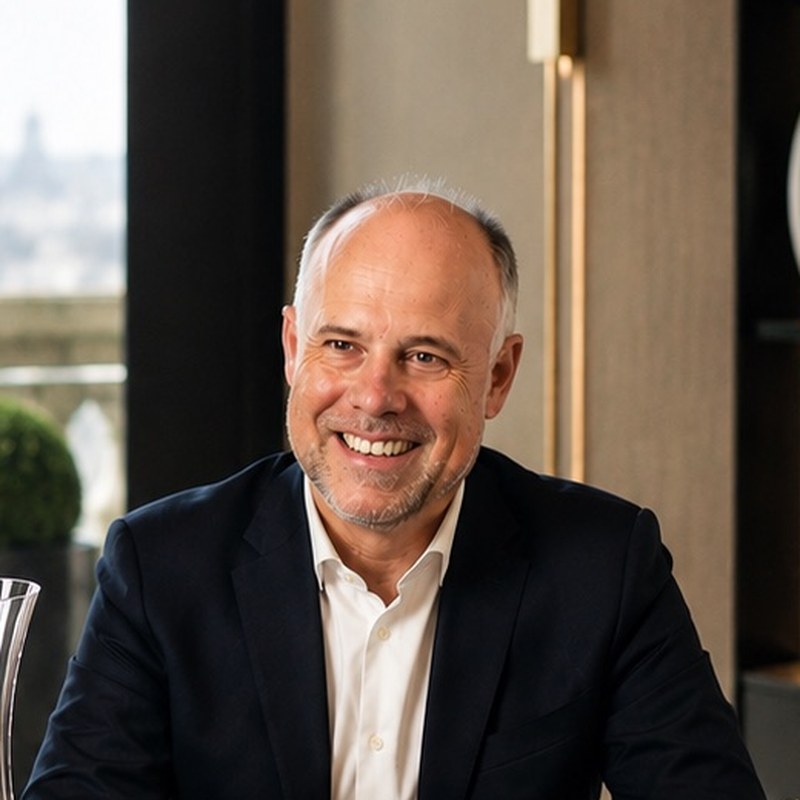
Béatrice Gravier, Director of EquipHotel
Plural hospitality means the coexistence of different answers to different needs, within a single sector and now within a single property. It follows an era when hospitality thought in categories: a range, a surface area, a rate.
I fully share this observation, and I would like to take it one step further. Plurality does not only concern hotel models among themselves. It should also be able to exist inside a single property.
Why is a hotel guest no longer a single profile?
Because a hotel today welcomes, in the same week and sometimes on the same night, people whose needs can be radically different. The purpose of the stay, its length, cultural background, rhythm of life or budget all shape multiple expectations.
The figures show the scale of this mix. According to the tourism review published by Atout France, France welcomed 102 million foreign visitors in 2025, and INSEE notes that nearly one hotel night in three comes from non-resident guests. A French hotelier therefore no longer receives a homogeneous clientele, but a plurality of clienteles, with cultural codes, habits and service expectations that do not necessarily overlap.
Some guests spend much of the day in their room: they work there, eat there, take their video meetings there. They need space, light, a proper seat, a suitable work surface. Others are just passing through, come back at midnight and leave at seven: above all they expect an excellent bed, an efficient shower, silence, and a simple, quick departure.
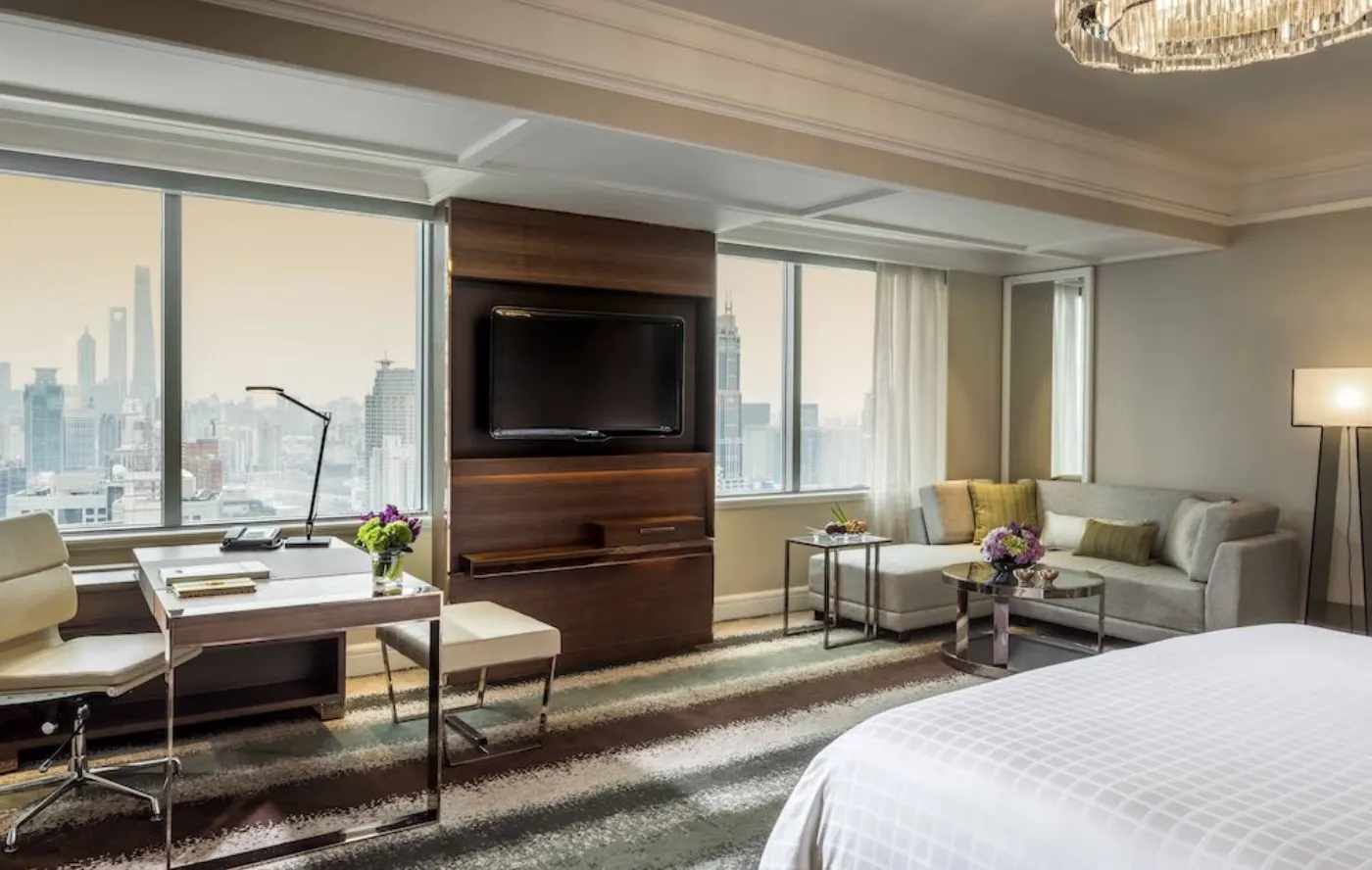
Some want to be able to prepare a simple meal or eat quickly without going downstairs. Others consider the restaurant an essential part of their stay and will dine there every evening.
Systematically offering the same answer to these different uses means giving up on meeting part of everyone's needs precisely.
And here we must avoid another trap: replacing one standardization with another.
The point is not to lock guests into new categories. The same guest can have radically different expectations depending on whether they travel for work, go away for a weekend as a couple, accompany their family, or simply want to sleep a few hours before an early departure.
True personalization therefore does not consist of assigning a room to a profile. It consists of offering a room suited to a use, a need and a moment in life.
Accessibility illustrates this reasoning better than any other example. The mistake would be to design a room for people with disabilities. What must be designed is a universal room, in which a person in a wheelchair moves around without difficulty, and where everyone feels comfortable.
Let us remember that any of us can find ourselves in a situation of disability one day, even temporarily: a broken leg, an immobilized wrist, an operation, a suitcase that is too heavy, advancing age. A room that is medical in its aesthetics is pleasant for no one, not even for the person it claims to welcome. A room designed for everyone stigmatizes no one and serves everyone. It is also more profitable for the hotel, because it can be offered to more guests. Many guests refuse the so-called accessible room when they have the choice.
Why does hospitality still offer the same room to everyone?
Hospitality has made enormous progress in segmenting its clienteles. It distinguishes their behaviors in its dashboards, addresses different communications to them, and adapts its offers and rates.
But this segmentation still often stops at the door of the room.
Other sectors have long integrated the diversity of uses into the very design of their products. At a car manufacturer, a family car does not meet the same needs as an urban vehicle or a model built for long journeys. In fashion, products, cuts and uses multiply to meet different expectations.
Hospitality has learned to segment its marketing. Perhaps it must now go further and segment its product.
What would truly different rooms look like?
Rooms designed from identified uses, and not only from a surface area and a price category.
A property could thus offer, under the same roof, several deliberate answers:
The long-stay room, larger, with a real work surface, more storage, a dining corner and what is needed to prepare something simple.
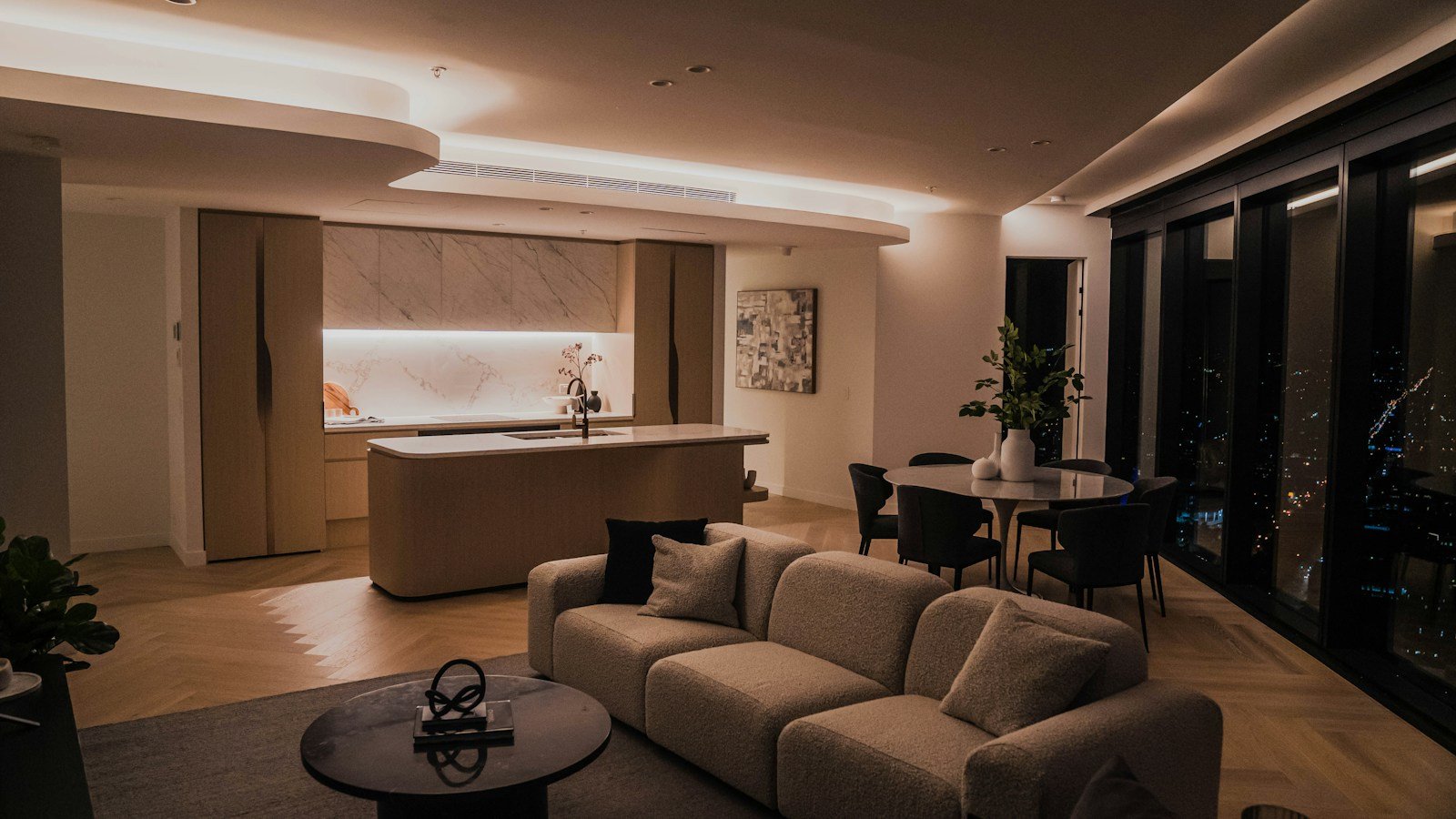
The transit room, compact and impeccable, entirely devoted to quality of sleep, simplicity of use and a fast morning.
The deep-rest room, designed around darkness, silence, air quality, bedding and the recovery of well-being.
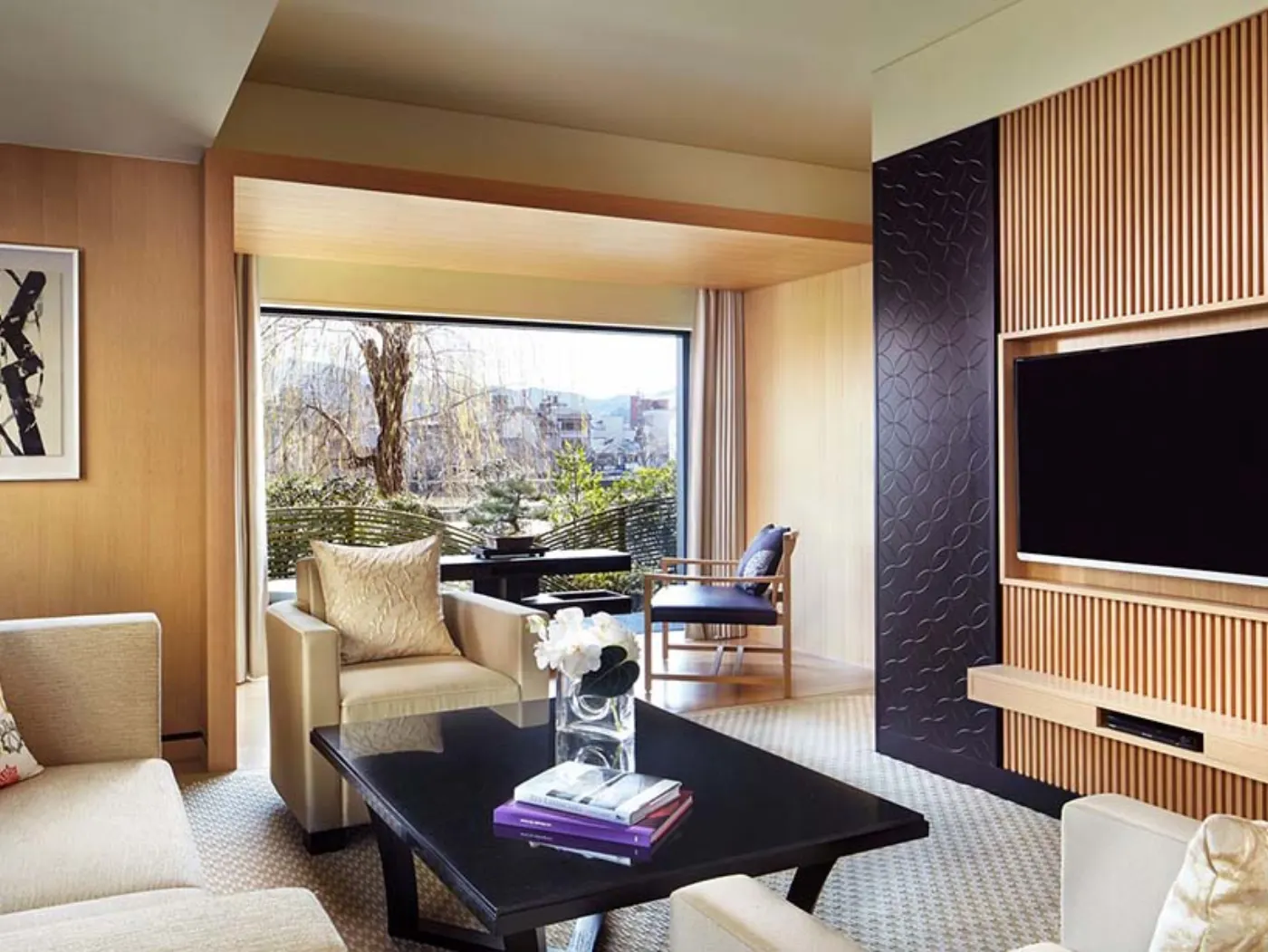
The sharing room, designed for a family or friends who want to spend part of their stay together, without sacrificing everyone's privacy.
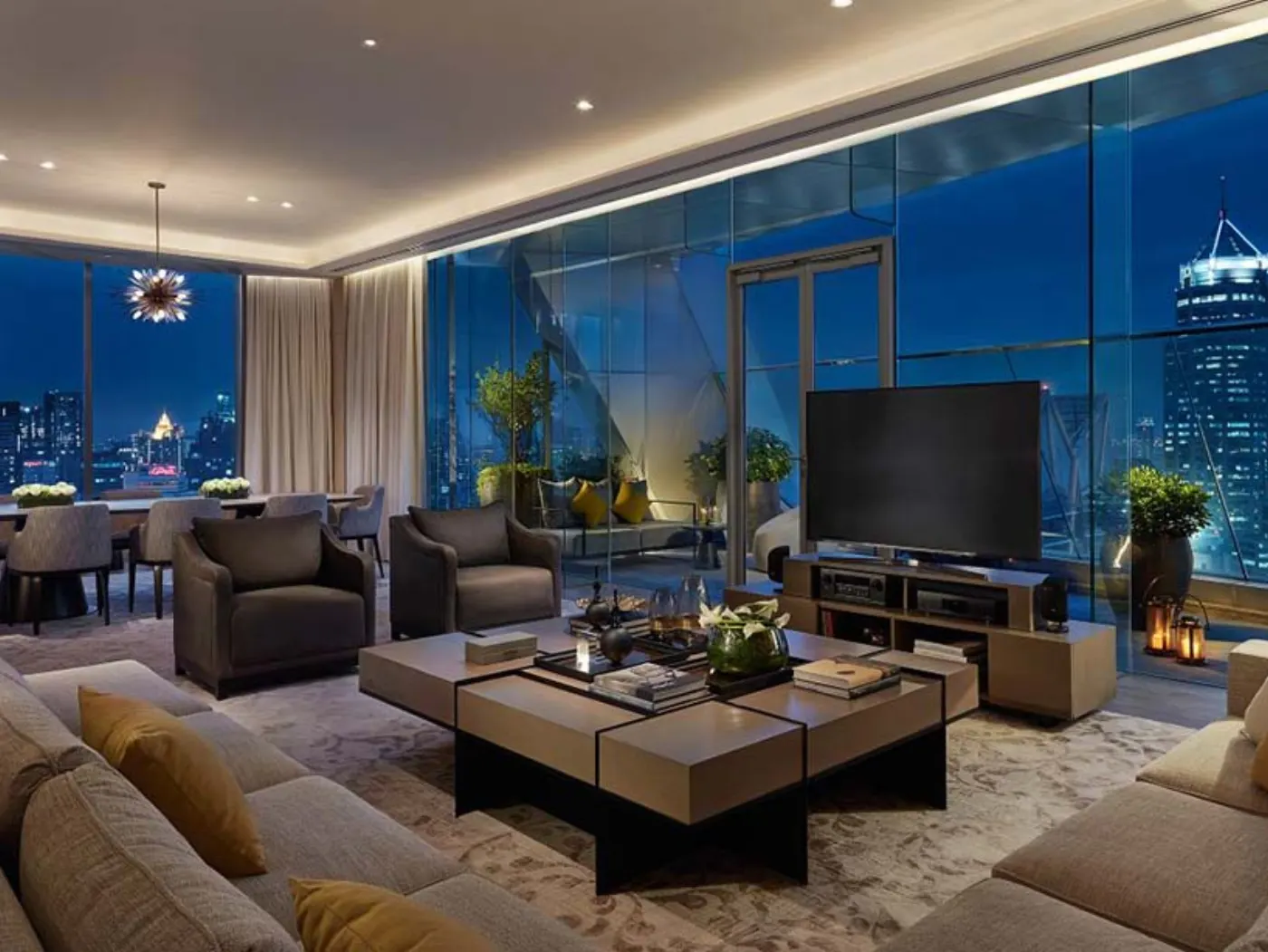
This differentiation by use can also come with another kind of singularity: that of place. Some rooms can create a particular relationship with the territory, its history, its environment or its craftsmanship. The aim is then no longer to answer a different use, but to offer a different experience.
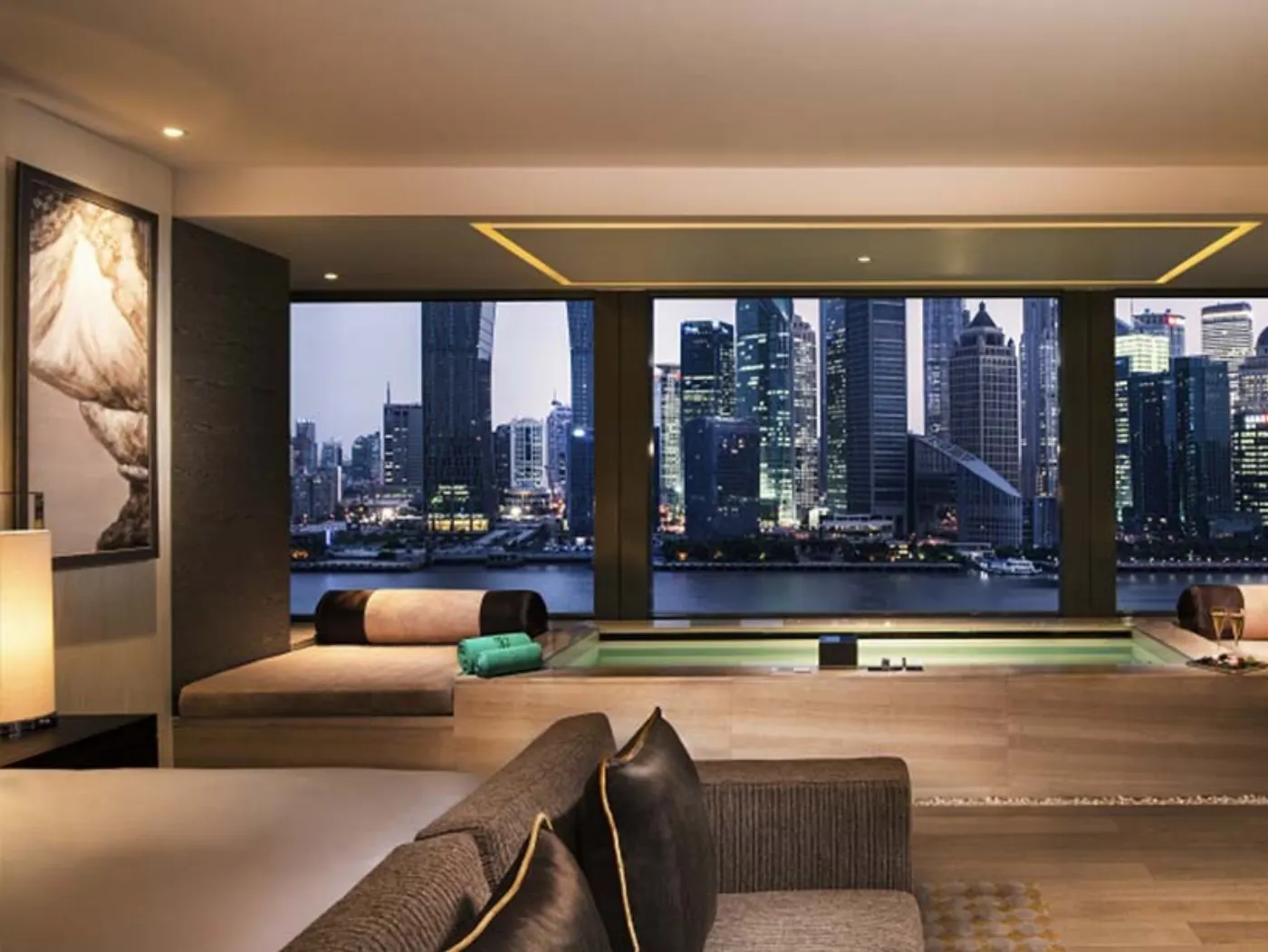
I have explored several of these dimensions in the magazine: the essential needs of a room in The 5 Vital Needs That Will Shape the Hotel Room of the Future, the question of rest in Total Darkness in Hotel Rooms: A Strategic Issue for Hospitality, and design itself in The Art of Organizing and Furnishing a Hotel Room.
The right balance depends entirely on the location of the property and its real clienteles. A motorway hotel, a city-center house, a resort or a mountain address obviously do not have the same balances to strike.
And that is precisely what makes the exercise interesting: there is no universal right answer. There is a right answer for this place, for its uses and for its guests.
I began exploring this path ten years ago with the ORIGINE Room, a prototype designed around essential needs rather than traditional categories. I will return to it soon in a dedicated article.
How do you get to know your guests before designing your rooms?
By starting with those who deal with them every day, before drawing a single plan.
It is the condition for everything else, and it is a step still too often neglected. Too many hotel programs are decided on the basis of a market hypothesis, a positioning and an architect's plan, before the real uses of future guests have been sufficiently described.
Knowing your guests well is not only about having a database or analyzing data. It is knowing why they come, how long they stay, what they do with their day, what tires them, what irritates them, what they truly need and what they seek to find again in the evening.
These answers can of course be found in the data, but also at reception, in the dining room, on the floors, among the teams who deal with guests every day and whom design projects do not yet listen to enough.
A project that starts from this work naturally produces different rooms, because it starts from different people and different uses.
Does differentiation cost more?
Above all it demands more serious design work upstream. And that work must be considered an investment.
The objection is well known: different rooms could complicate construction, housekeeping, maintenance, marketing or rate management. It deserves to be heard.
But differentiating does not mean making every room unique.
A few clearly thought-out room families can be enough to considerably enrich the offer while remaining perfectly workable. A room better suited to its use can also create more value: it becomes clearer to the guest, more distinctive and potentially less directly comparable to the competitor's.
Full standardization also has a cost. The cost of indifferentiation, notably, when the guest no longer clearly perceives what distinguishes one room from another or a property from its neighbor.
The current context of hotel investment reinforces this reflection even further. I discussed with Béatrice Gravier, director of EquipHotel, the growing transformation of existing buildings, the scarcity of land, the cost of construction and the now fully accepted need to think experience, efficiency and profitability together. We talked about it at length during our interview.
Because the economic question is not opposed to that of hospitality.
My conviction is simple: the generosity of a place does not survive in the long run on a shaky business model.
A hotel that loses money inevitably ends up looking for savings somewhere, often on its teams, its services or the attention given to its guests.
How do you design a room that also looks after the teams?
A differentiated room must remain workable for those who maintain it.
This is a point I have defended for a long time and one that too many projects still forget: a well-designed room does not only meet the guest's expectations. It must also reduce, as far as possible, the physical strain on those who prepare it every day.
Ergonomics, simple movements, accessible storage, ease of maintenance, the weight of furniture, durability and the choice of materials matter as much as aesthetics.
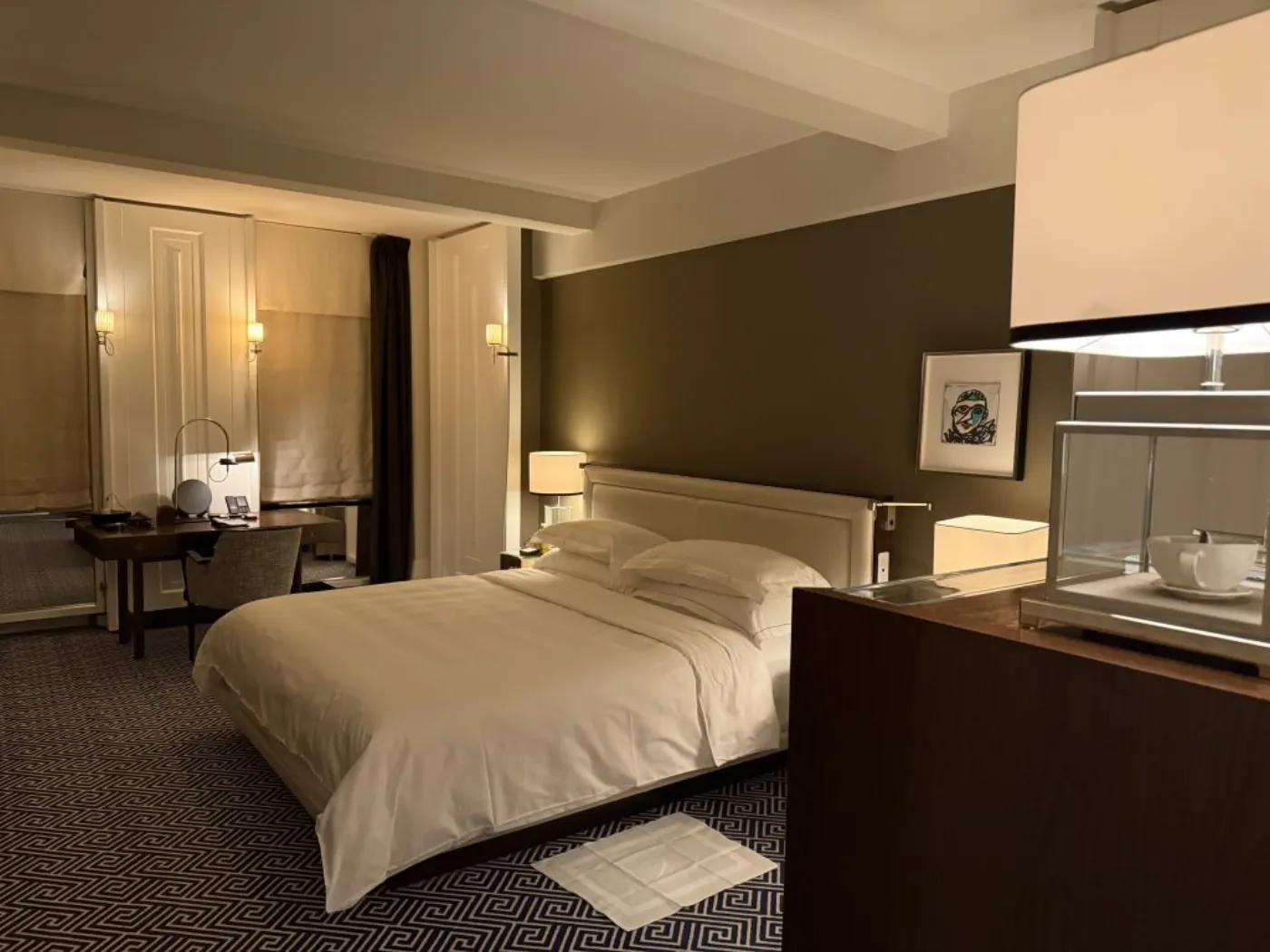
A room that is spectacular for the guest but needlessly complex to maintain every day is not, in my eyes, a fully successful room.
Generous hospitality begins inside the house. The quality of the experience offered to the guest also depends on the quality of the conditions in which the teams can do their work.
Which other places are concerned by the plurality of needs?
Every place that welcomes people is concerned.
A clinic receives patients whose stays, ages and worries have nothing in common. A senior residence houses autonomous people and others who are much more dependent. A corporate headquarters receives employees, candidates, partners and clients whose uses of the same space differ profoundly.
Everywhere, the same question arises:
Was this place designed for real people, or for an average that does not exist?
What I take away from plural hospitality
Plurality is not disorder. It is a demand for accuracy.
It requires giving up the intellectual comfort of the single room and the average guest to accept finer work, closer to uses, to the field and to the teams.
The point is not to multiply concepts for the pleasure of differentiating. It is to return to something far more fundamental in our profession: understanding who we welcome, why this person is here and what they truly need at this moment.
Plural hospitality is perhaps not about offering more to each person. It is first about ceasing to offer exactly the same thing to everyone.
This is the work I have been doing for fifteen years with management teams and staff, in audit, training and speaking: aligning a promise, a business model, uses and real guests.
That is also the whole point of an event like EquipHotel. In four days and under one roof, you see side by side models that look nothing alike, from campsite to palace and from aparthotel to youth hostel, and you can test your project against those who will make it possible: suppliers, architects, designers and operators are all gathered at the same time. Nowhere else is this plurality as legible in so little time, and that is precisely what makes the visit useful to anyone preparing a project.
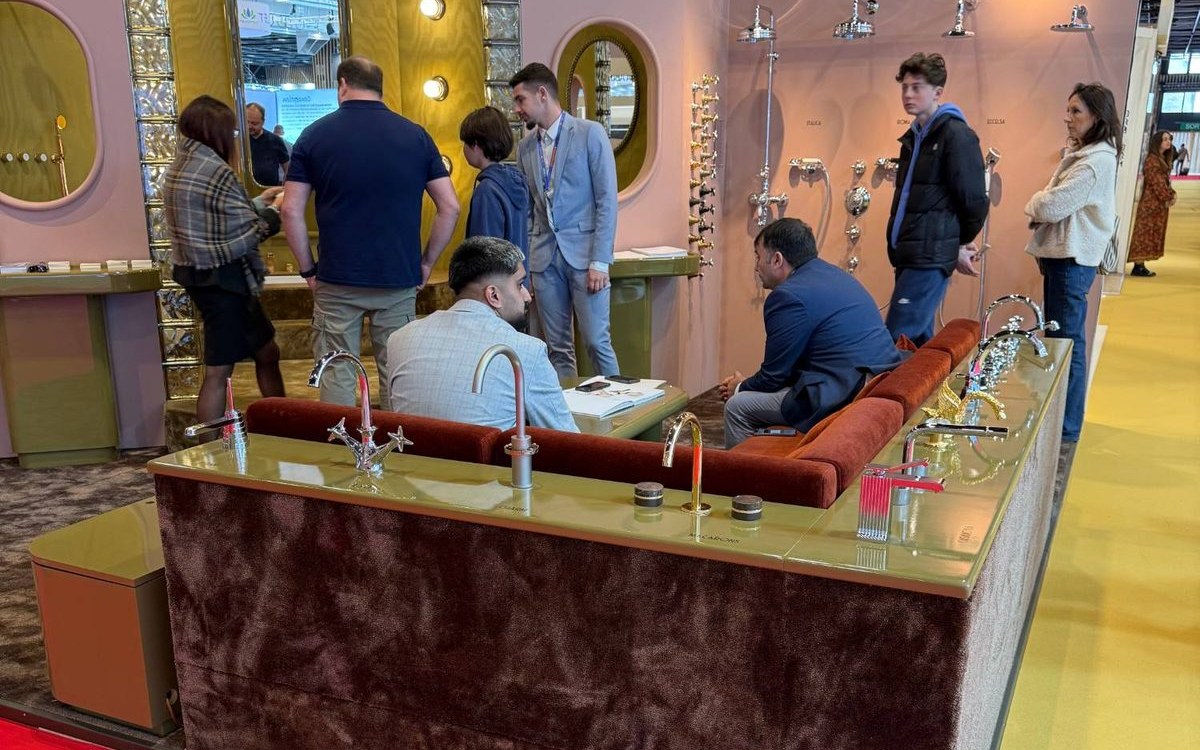
And it is also one of the subjects I will enjoy continuing to explore at EquipHotel, from November 2 to 5, 2026.
Going further
Share this article with a colleague, a client or a partner.
That is often how an idea enters a house, and then its habits.
What you say about it matters more than what I say.
A keynote, a mission, an article in the magazine: if my work has been useful to you, a few lines on Google are worth more than any argument.
Leave a review on Google →