
The Inspiration Notebook:
It presents hotel ambiances around themes that vary according to my visits, my reading, and my mood.
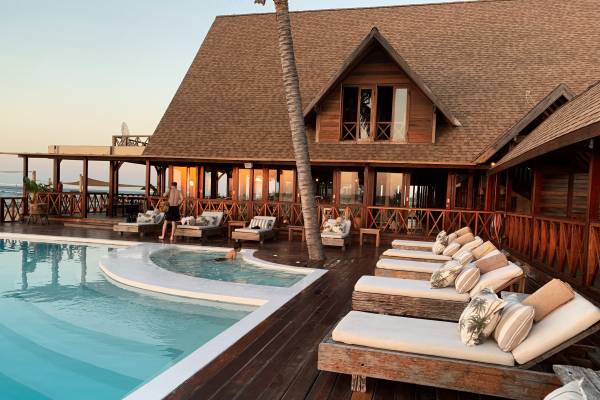
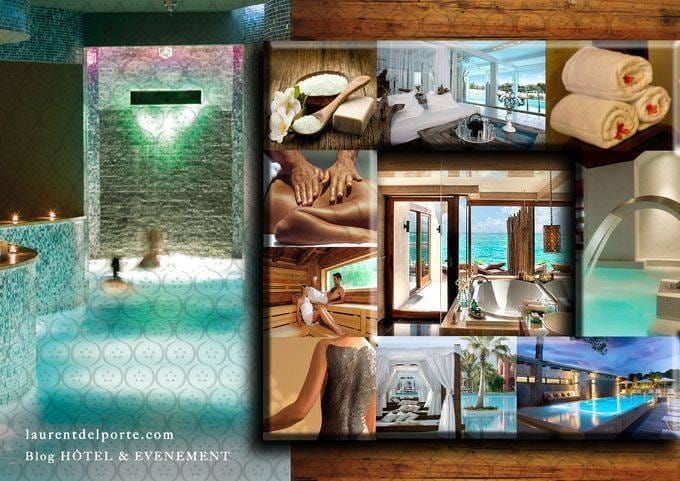
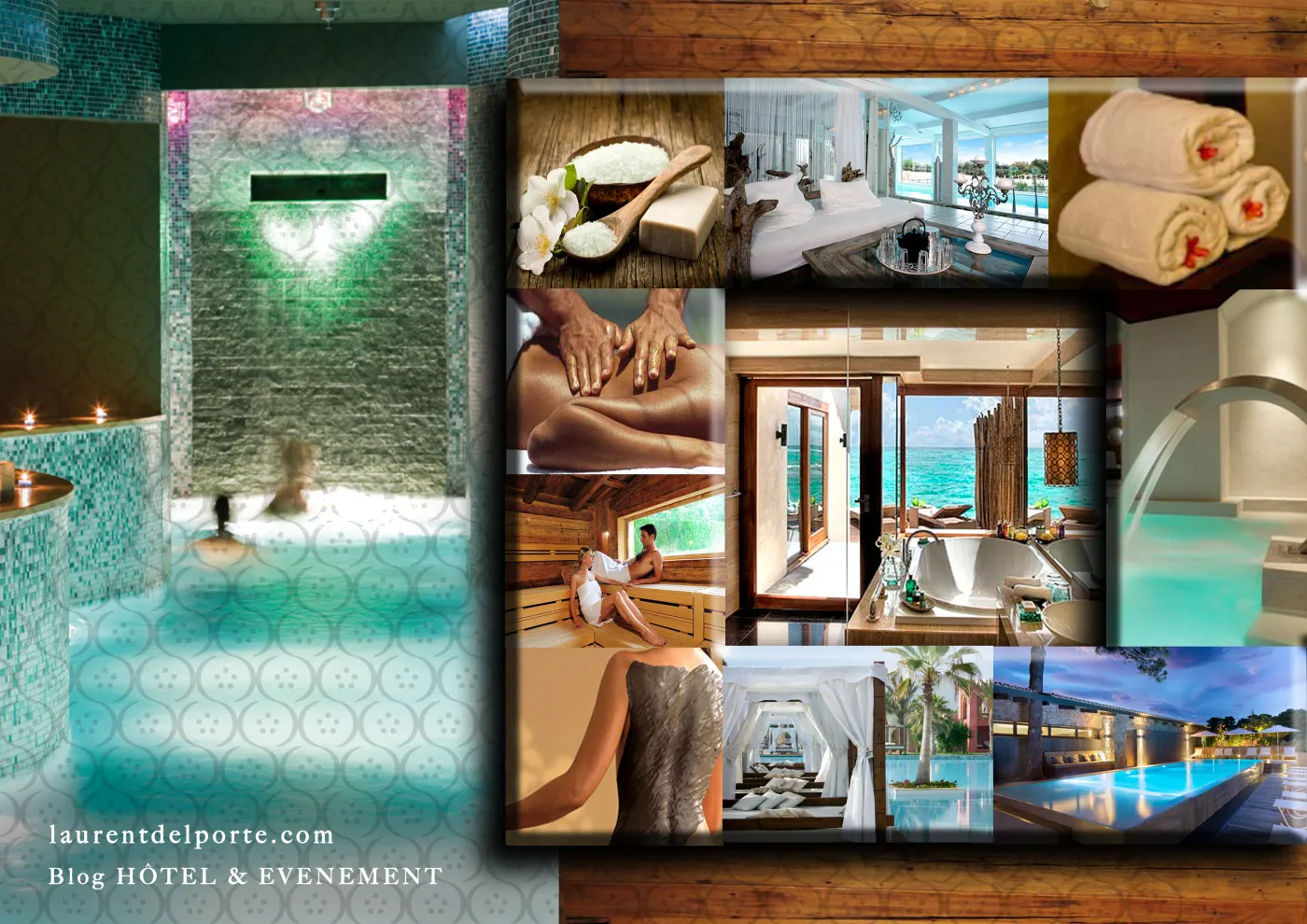
Here are a few images illustrating the world of spas that will hopefully inspire you. Spas arrived relatively recently in luxury hospitality. The last 15 years have seen a real rise in standard and quality. Every Palace or 5-star hotel has equipped itself with a spa to offer guests more service. A spa always flatters a guest's ego: 'I'm staying in a hotel that has a spa.' It's always a source of pride for the guest. In my years in hospitality, I have often encountered this mindset in business and city-center hotels.
Profitability is always a topic, because ultimately few guests truly make use of the spa, except in resorts. Staff are needed throughout the day. Many city-center hotel spas are also opening up to an outside clientele.
A 5-star hotel or Palace must offer a maximum of services to its guests. On the other hand, if a hotel doesn't have the space, in my opinion it's better not to do anything at all. I've seen spas that were ridiculously small in certain hotels. Depending on the history of the building, it isn't always easy to build a spa, and it's better to own that reality than to open a small spa that doesn't match the hotel's image.
What a spa means for hotels:
Differentiation and appeal
A spa helps a hotel stand out in a competitive hospitality market, strengthening its appeal to guests seeking well-being and relaxation. It helps enrich the guest experience, turning a simple stay into a genuine sensory escape.
Enhancing the hotel's brand and values
The spa is an extension of the hotel's identity. It can reflect key values such as sustainability, luxury, or authenticity, through local products, exclusive treatments, or techniques inspired by regional traditions.
Increasing ancillary revenue
By offering treatments, memberships, or retail products, a spa contributes significantly to increasing the hotel's ancillary revenue. Well-designed offers also help attract an outside clientele.
Guest loyalty and satisfaction
A well-designed spa improves guest satisfaction, encouraging positive reviews and loyalty. Offering a bespoke moment of well-being creates memorable moments and strengthens the emotional relationship with the hotel.
Impact on length of stay
Spas encourage longer stays, particularly among leisure guests. By encouraging guests to stay longer to enjoy treatments and facilities, the hotel maximizes occupancy and optimizes revenue.
Contributing to overall staff well-being
A quality spa can also offer services to internal teams, fostering their well-being, motivation, and sense of belonging.
Optimizing space and investment
A spa well integrated into the hotel's overall design adds value to previously unused space while meeting guest expectations. Architecture and the choice of equipment are essential to maximizing return on investment.
Trends and innovation
Spas must respond to new guest expectations: high-tech treatments, immersive meditation, natural therapies, and even holistic programs for mental and physical well-being. Adapting to these trends is essential to remaining competitive.
These considerations help design inspiring spas that enhance the guest experience while ensuring economic returns and a strong image for the hotel.
Share this article with a colleague, a client or a partner.
That is often how an idea enters a house, and then its habits.
What you say about it matters more than what I say.
A keynote, a mission, an article in the magazine: if my work has been useful to you, a few lines on Google are worth more than any argument.
Leave a review on Google →