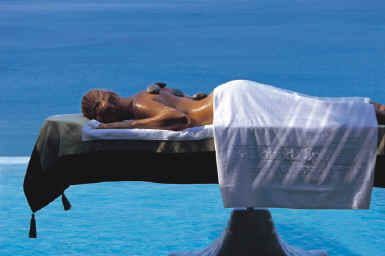
The Quiberon thalassotherapy centre, one of the pioneers of thalassotherapy
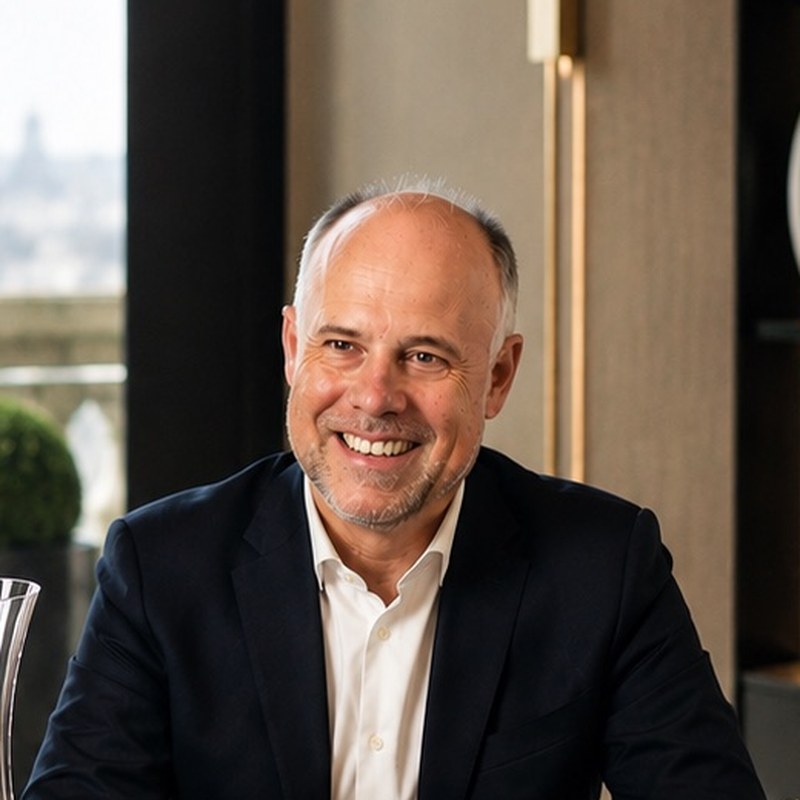
Meeting Marie-Cécile Blanchard, director of the Sofitel Thalassa Institute in Quiberon.
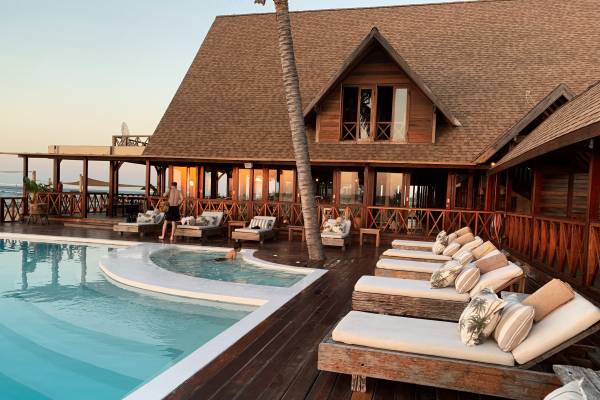
When I worked within Sofitel's international marketing department, the Sofitel Quiberon hotel already enjoyed a great reputation and real expertise in the art of thalassotherapy. Many public figures and stars stayed at this hotel in search of wellbeing. It was also a pioneering hotel in terms of dining, embracing dietetic cuisine as early as the 1970s. So naturally, I wanted to know more, and I had the pleasure of staying at the hotel and discovering its thalassotherapy centre. A few hours by train from Paris, you find yourself by the sea, summer and winter alike, in the south of Brittany where the sun is often present. Everything here invites you to rest, to reflect, and to take care of yourself.
Can you introduce thalassotherapy and its French origin?
Thalassotherapy was born right here in Quiberon on 11 May 1964. We are in the cradle of thalasso. At the time, Louison Bobet (professional cyclist, 1925 to 1983) was recovering from a car accident in Roscoff with the help of seawater. When he discovered the benefits of seawater, he decided to make it accessible to everyone.
In 1964, there was almost nothing in Quiberon apart from the Ocean Bar and la Baie. There was only this café, which he actually called his canteen, and a single care centre. People came to be treated and left right after. In 1969, the first part of the Thalassa hotel was built, then in 1973, the dietetic wing of the hotel was created to extend the activity further.
Beyond cycling, one of Mr Bobet's passions was flying. It was while flying over the island that he decided to build this place here. As a result, he would go and pick up his guests in Paris, among the world of celebrities, and fly them back himself. Quiberon then began welcoming the jet set, even though it had originally been nothing more than a fishing village.
In 1964, there was only one thalassotherapy centre. Today, fifty-two years later, there are fifty-four in France. So yes, thalassotherapy is a truly French thing. There are a few thalassotherapy centres abroad under the Thalassa Sea & Spa name, for instance in Bahrain, Agadir or Timi Ama. There is not yet one in the Pacific.
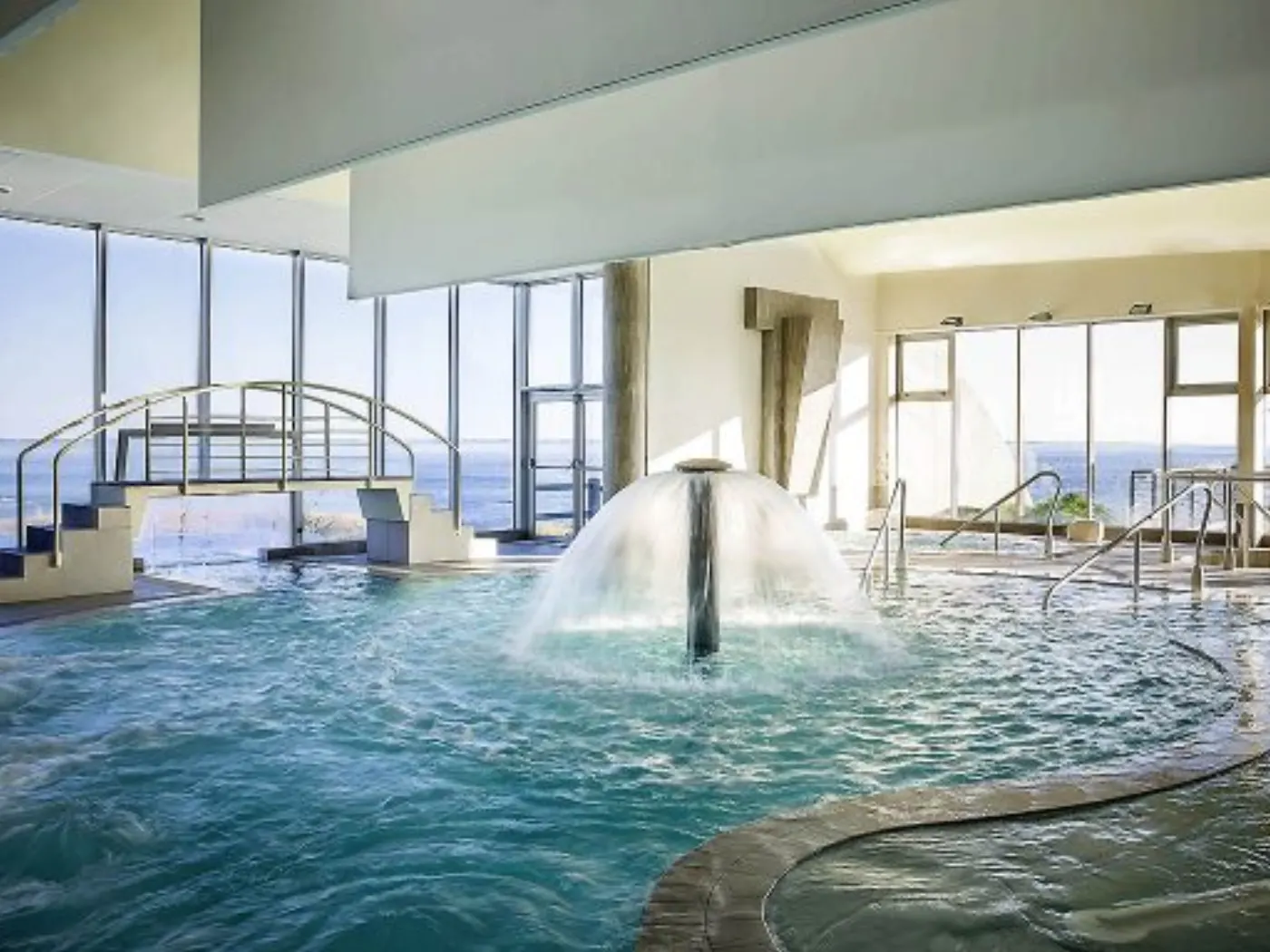
Thalassotherapy is genuinely a French product, with care protocols developed by research teams made up of doctors and physiotherapists.
Do you think thalassotherapy is an exportable model?
Of course! On one hand, you need to be able to develop the pumping installations and the necessary infrastructure. On the other hand, you need to check the quality of the water. It should be noted that the sea, and its composition rich in trace elements from the breakdown of algae, is an essential element in creating a thalassotherapy centre. So the trace-element composition of the sea needs to be verified, to make sure it truly enriches the body, the way it does in our own regions, with the Atlantic, the Channel and the Mediterranean. The invigorating air of Brittany remains a benchmark, though.
The Dead Sea, for example, has many benefits. The quality of the water is essential here: a sea that is too laden with salt and too aggressive can damage the skin. Wherever there is seawater, thalassotherapy can develop anywhere in the world.
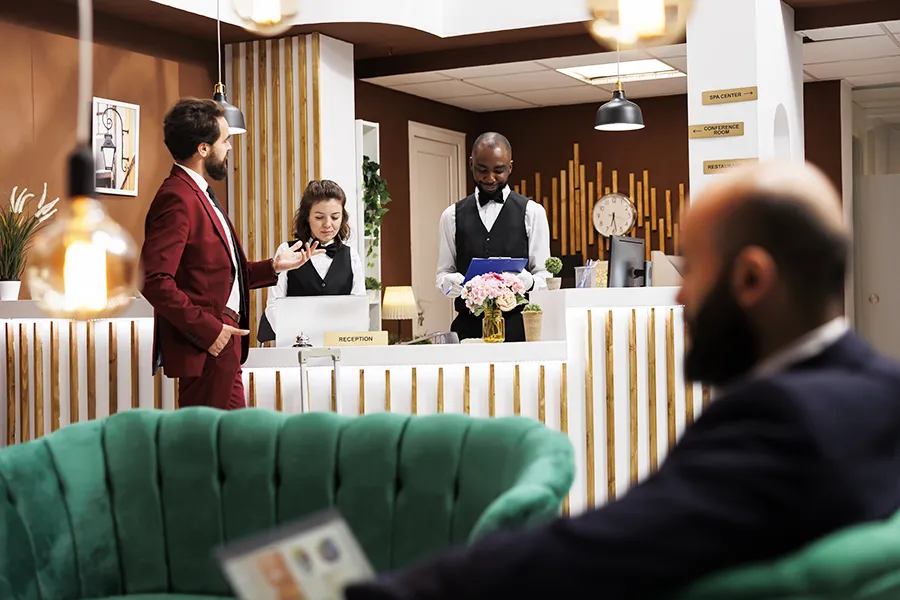
What is your vision of the French art of welcoming within your thalassotherapy centre? The art of welcoming today means taking the time to listen to people and personalize their stay, all the more so in thalassotherapy, where we enter into their intimacy. Building trust by listening to the person is therefore essential. The French art of welcoming means surrounding the guest with warmth and a deeply respectful courtesy, without ever slipping into familiarity.
In thalassotherapy, there is a sense of wholeness: at the Sofitel, guests know they will sleep well, eat well, and be able to take care of themselves. There is therefore a disconnection between mind and body. Thalassotherapy allows the body to regain the upper hand over the mind. Being in water at 33 or 34 degrees relaxes your muscles and lets your mind let go. The body expresses itself and speaks. When the mind starts to weaken, you need to recharge. After a thalasso stay, guests leave physically stronger, and their mind rises back up with them. The art of welcoming in thalassotherapy is therefore part of a wellbeing approach.
Is dietetic cuisine evolving?
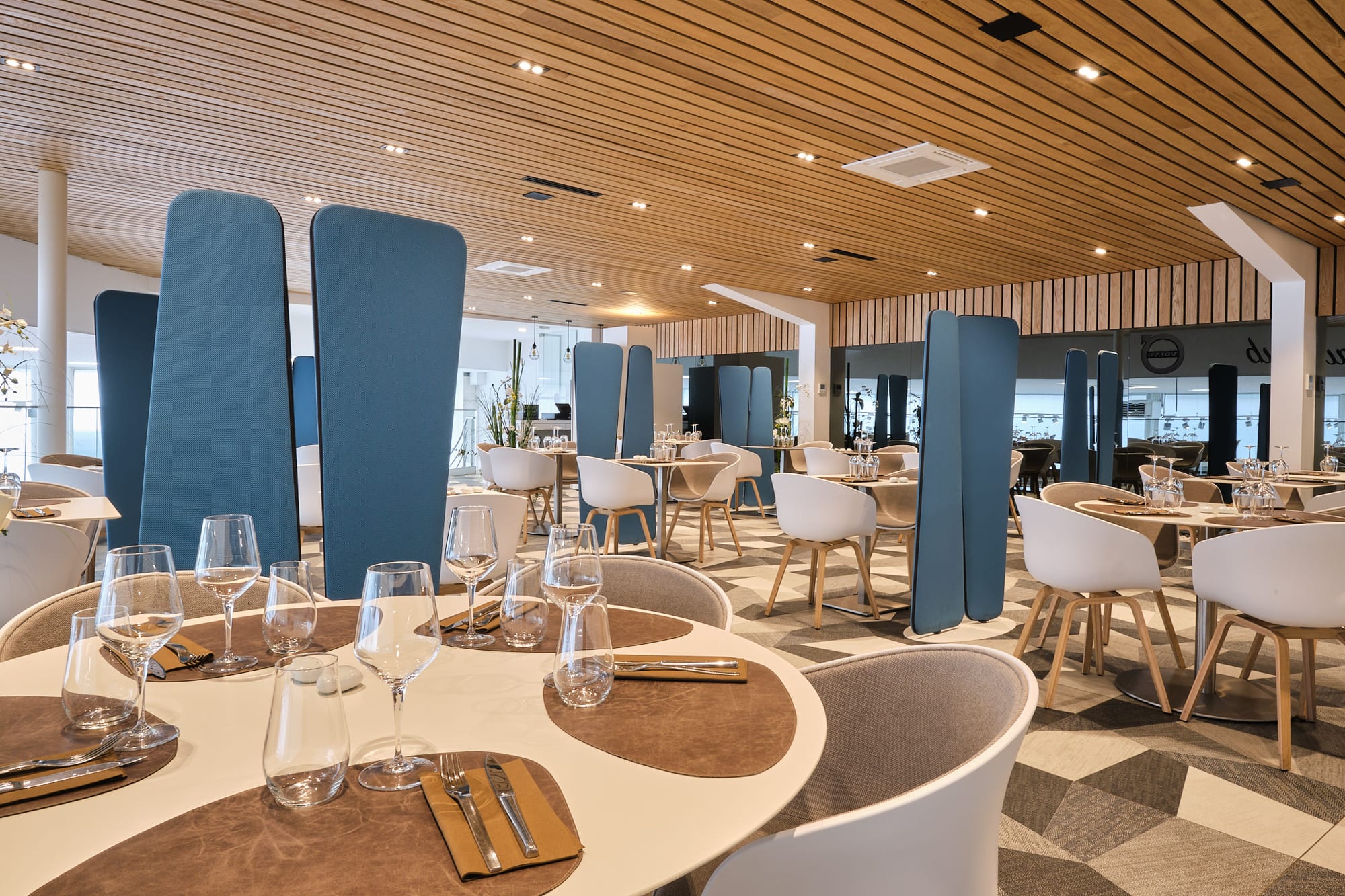
Fifty years ago, dietetic cuisine was only in its infancy and was not widespread at all. Today, it is gradually becoming a norm. This field is therefore evolving very quickly indeed. To stay ahead, you always have to keep watch on the products arriving on the market. Advances in science and technology, especially in recent years, are also accelerating the growth of dietetics. We exchange a great deal with nutritionists, who increasingly share new techniques with us. So you must never close yourself off, and must be ready to regularly evolve your specifications. At the same time, you must never forget to adapt to the guest and to please them.
Over the next five years, there is no doubt that dietetic cuisine will keep gaining in importance. We are seeing a clear rise in illnesses linked to poor diet, which makes us increasingly aware of the importance of healthy gastronomy. Dietetics is also now taking several different paths. Offerings are multiplying and diversifying. Within the Sofitel Quiberon, the primary goal remains weight loss, but alongside it, a healthy gastronomy is developing that does not aim to make guests lose weight.
Finally, our era is increasingly concerned with environmental questions. Guests now want to combine healthy eating with as small an ecological footprint as possible. Of course, this awareness is not yet present in the minds of every food lover on the planet, but I predict beautiful years ahead for the field of dietetic cuisine.
Share this article with a colleague, a client or a partner.
That is often how an idea enters a house, and then its habits.
What you say about it matters more than what I say.
A keynote, a mission, an article in the magazine: if my work has been useful to you, a few lines on Google are worth more than any argument.
Leave a review on Google →