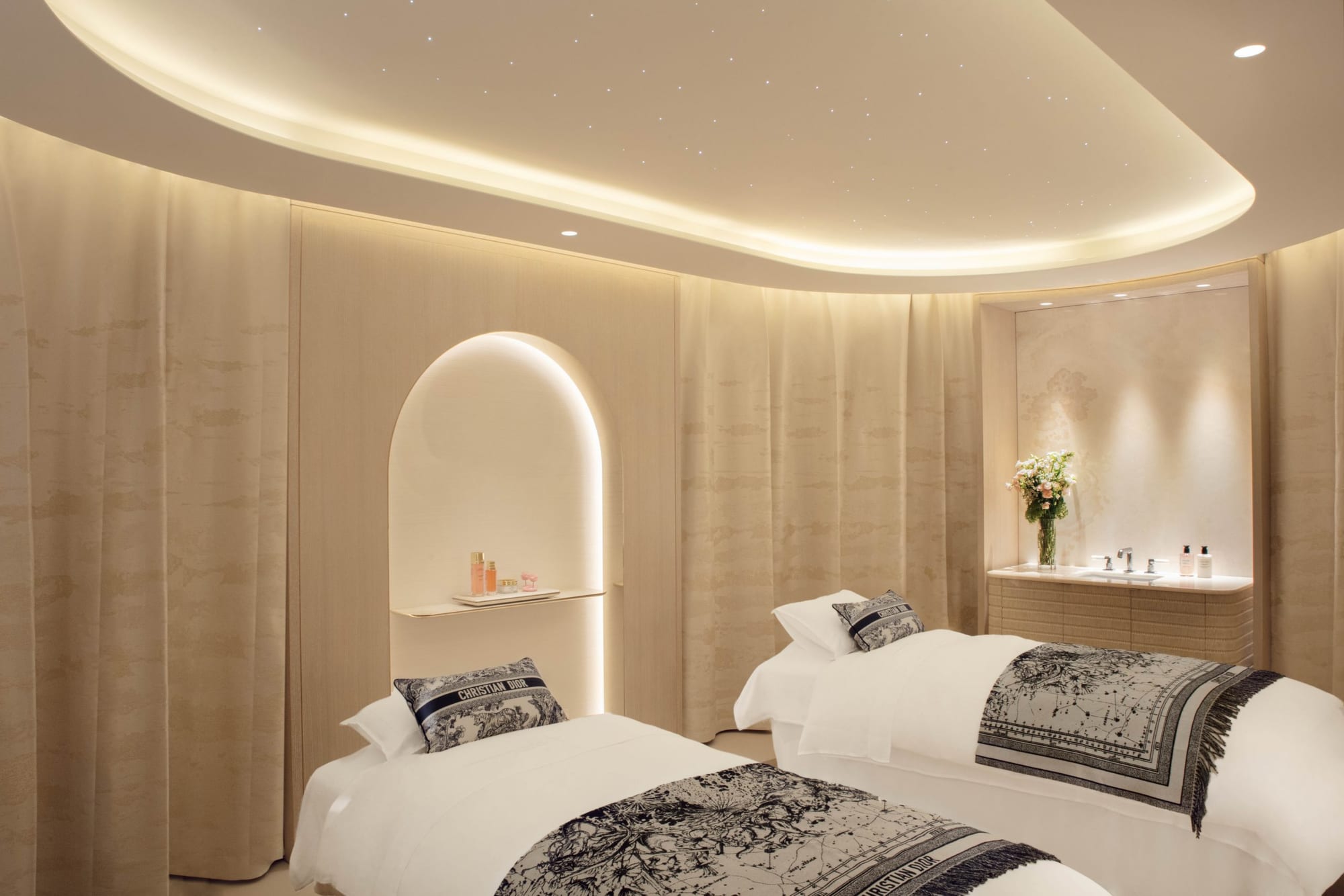

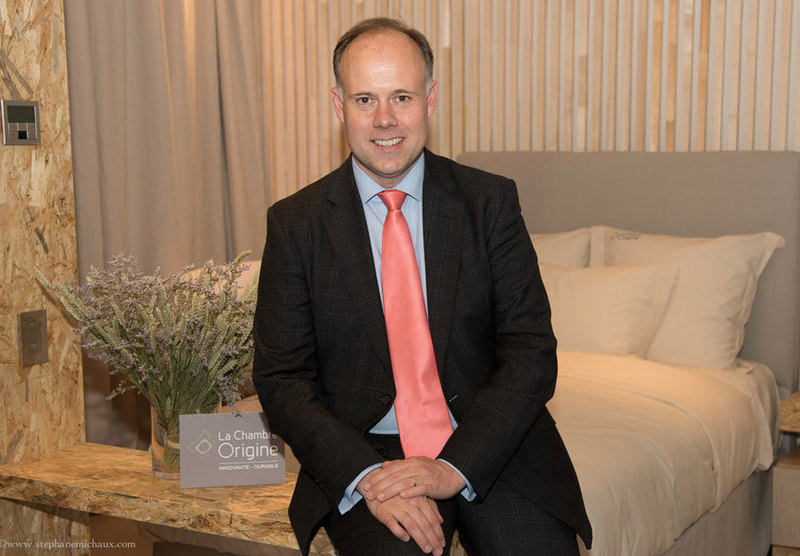
The guests of a hotel are, above all, women and men who live in rhythm with nature. That is simply how it is, and we are all equal when it comes to our vital needs. So the hotel must make sure its guests can fulfil their needs to eat, to drink, to breathe, to sleep. It is common sense, and it is essential in the world of hospitality. Today we need to return to these fundamentals, which are too often set aside to cut costs. Whether a guest is staying at a hotel for leisure or business, they must be able to recharge, and the closer the hotel brings them to nature, the better it is for them. The same is true in our everyday lives.
This vision, however obvious it may seem, is in fact a genuine strategic stance for contemporary hospitality. In a market where offerings tend to become standardized, returning to vital needs restores meaning to the guest experience. It is no longer simply a question of comfort or design, but a global reflection on how a hotel supports its guests in their recovery, balance and wellbeing.
Sleeping well
Sleep is undoubtedly the most decisive experience of a hotel stay. Yet it remains too often underestimated. A room should not simply offer a comfortable bed, it should create the conditions for deep, restorative sleep. Light, materials, temperature, silence, even evening rituals, all contribute to this quality of recovery. In an approach of generous hospitality, sleep becomes a genuine service, almost invisible, yet essential.
Wellbeing to recharge
Wellbeing should no longer be confined to dedicated spaces such as the spa. It now belongs directly in the room. This shift reflects a deep transformation in guest expectations: recharging should no longer require moving around or planning ahead, it should be immediately accessible. The room then becomes a space of overall regeneration, where every detail helps release physical and mental tension.
Using energy wisely
Energy management today goes beyond a purely environmental logic. It is becoming a full part of the experience. Letting guests understand and track their consumption creates a more conscious relationship with their surroundings. At the same time, removing the traditional minibar in favour of more flexible solutions reflects a shift toward a more dynamic, more personal hospitality, often more in line with today's habits.
Breathing well
Breathing is a vital need often forgotten in room design. Air quality directly affects sleep and overall wellbeing. By using natural materials and controlling invisible pollutants, a hotel acts on a physiological dimension of the experience. This is a major shift: moving from a visible comfort to a felt comfort, almost imperceptible yet deeply effective.
Eating and drinking well
In-room dining is evolving toward more meaning and more personalization. Guests no longer simply want to consume, they want to understand, choose and adapt their food to their own rhythm of life. Water becomes a central part of this experience, for reasons of health, comfort and environmental responsibility alike. Herbal teas, for their part, reflect a fine attention to the body's needs, connected to sleep, stress or digestion.
The room touches on many aspects of sustainable development. There is also the social responsibility side, to make housekeeping teams' work easier when it comes to managing the room. Everything that can be done to reduce the physical strain of cleaning a room matters. For instance, fitting wall-mounted shelves next to the bed instead of a nightstand on the floor makes the housekeeper's work easier.
This dimension is essential and still too rarely addressed in hotel projects. A well-designed room should not only meet guest expectations, it should also meet the expectations of the teams. Ergonomics, simplicity of movement, reducing physical strain: these are major levers for improving quality of life at work. And there is a direct link between staff wellbeing and the quality of the guest experience. Generous hospitality always begins with those who make it possible.
Beyond each of these elements taken individually, it is the overall coherence that makes the difference. A room designed around vital needs offers an aligned, legible and deeply human experience. It does not seek to impress, it seeks to do good.
In a context where luxury hospitality must reinvent itself, this approach opens a particularly relevant path. Tomorrow's luxury no longer lies solely in the accumulation of objects or services, but in the quality of attention paid to the essential. Sleeping, breathing, drinking, eating, recovering.
It is by returning to these fundamentals that hotels will be able to create experiences that are lasting, memorable and truly differentiating. It is also in this capacity to reconnect people with their essential needs that one of the truest expressions of the generous hospitality carried by DELPORTE HOSPITALITY can be found.
Discover the presentation video of the ORIGINE room.
Share this article with a colleague, a client or a partner.
That is often how an idea enters a house, and then its habits.
What you say about it matters more than what I say.
A keynote, a mission, an article in the magazine: if my work has been useful to you, a few lines on Google are worth more than any argument.
Leave a review on Google →