
In a hotel project, every detail matters. Some are visible, immediately noticeable to guests: design, materials, furniture. Others, more discreet, deeply influence the experience without ever being explicitly stated. Darkness in a room is one of these invisible yet essential elements.
For several years, I have supported investors, architects and hotel management teams in designing and renovating properties. My work consists of thinking through the guest experience as a whole: anticipating uses, understanding human behaviour, structuring guest journeys and translating that vision into concrete choices.
Sleep is one of the most fundamental needs of any hotel stay. Yet in many properties, including in the luxury segment, this issue remains poorly addressed. In this article, I want to illustrate, through a very concrete example (darkness in the room), how a single detail can become a major strategic lever in the guest experience.
A detail that reveals a global approach to hospitality
How do you sleep? In total darkness, in broad daylight, or in semi-darkness? In broad daylight, you will never have an issue in hotels, and every room will suit you on that front: you will be able to sleep at any hour. The same is true if you need semi-darkness.
On the other hand, if you need total darkness in the room, meaning no light at all, that will be difficult. This is one of the main things I criticize, and the higher the level of the hotel, the more essential it becomes in my eyes, especially when you are sleeping in a suite. Studies have also shown that sleeping in total darkness promotes what is known as restorative sleep and plays a notable role in health. Melatonin secretion is inhibited by light and stimulated by darkness. It enhances sleep.
Understanding the guest beyond design
This point reveals a much broader issue: truly understanding the guest. In my work, I never limit myself to aesthetics or trends. I analyse behaviours, lifestyles, and the physical and emotional constraints of the traveller.
A hotel guest does not simply come to sleep in a room. They arrive with fatigue, jet lag, accumulated stress, sometimes a heavy mental load. The room must then become a space of regeneration.
In this context, darkness is not a technical detail. It becomes a tool in the service of wellbeing.
A clientele in search of recovery
The type of business hotel where I stayed recently, a newly opened five-star property, attracts a nomadic, international, demanding clientele, stressed by travel and the time it can consume. Today's hotels need to become aware of this and create the best possible conditions for guests to recharge.
Thinking of hospitality as a system
In each of the projects I support, I apply a methodology built on what I define as generous hospitality. It rests on three fundamental pillars: the sense of place, human connection and guest wellbeing.
Darkness in the room fits directly into this third pillar. It supports a simple yet essential promise: allowing the guest to truly recover.
A concrete example of a poorly designed room
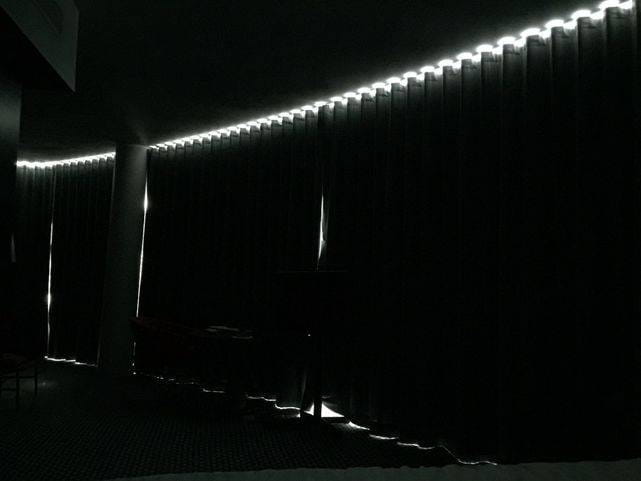
Personally, I need to sleep in the dark, like a great many people. The quality of the mattress, the pillows, the sheets certainly matters, but it will never compensate for a problem of darkness in the room. On top of that, there are many sources of light pollution to consider: the standby light of the fire alarm, the television, the coffee machine, the hi-fi system, or the light from the building across the street (the facade lights up at night and changes colour).
Where my work really happens: attention to detail
This is precisely where my role takes on its full meaning. When a project is in the design or renovation phase, I challenge the plans, observe the guest journeys, and anticipate how the space will be used.
I go as far as analysing how the curtains close, the presence of stray light sources, and the way outdoor light can enter the room. This level of detail may seem excessive. It is not. It directly determines the quality of the stay.
A successful hotel project rests on this ability to see things through to the end.
A frequent mistake in hotel projects
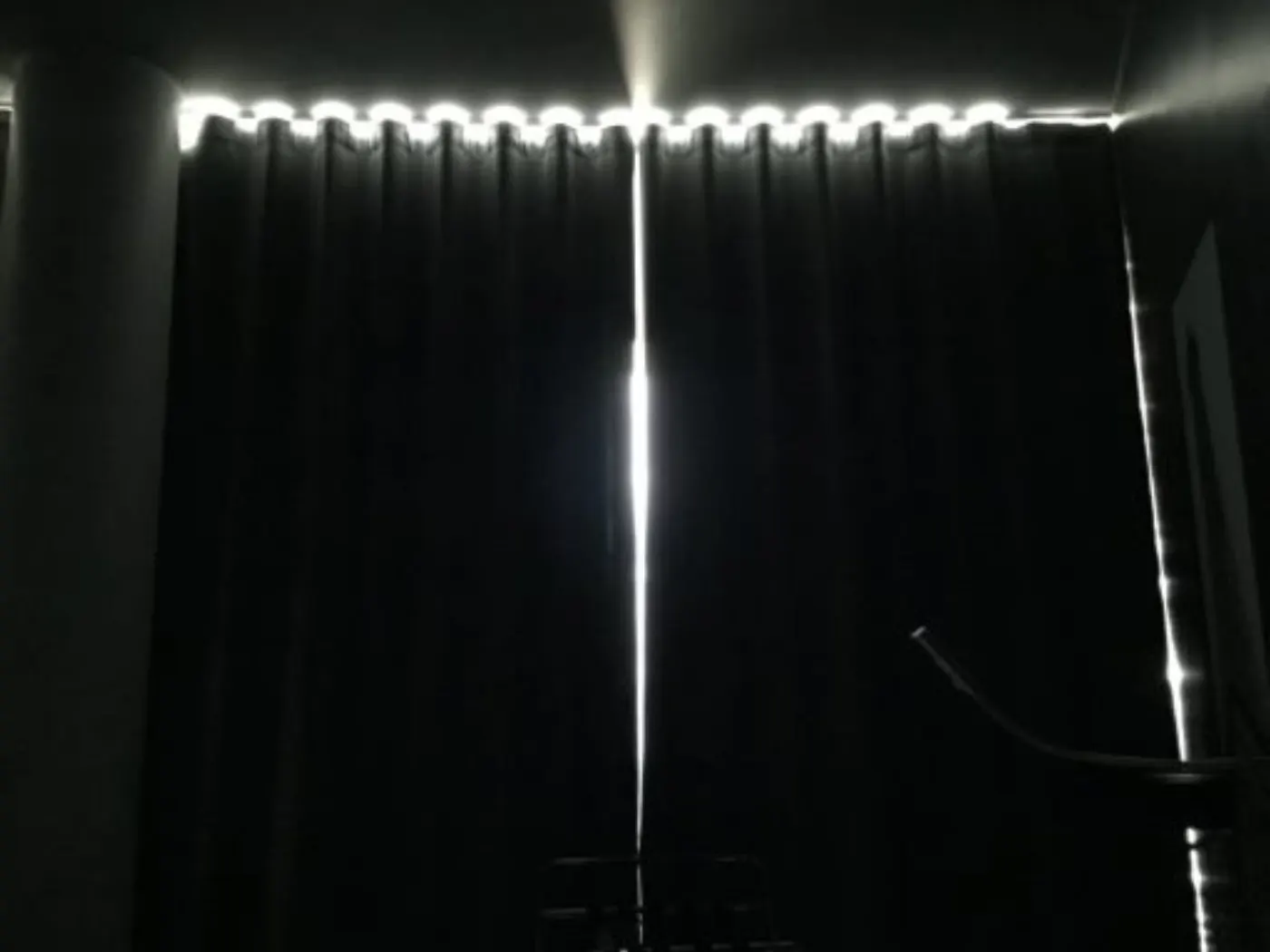
It is so simple to offer this possibility of total darkness in a room, and it is not even that costly. The curtains should overlap, with a cover fitted at the top and on the sides to block daylight. It is genuinely important for guest wellbeing in a hotel. In this particular case, I do not understand why it was not done, given the budget devoted to that construction.
A question of methodology
This situation illustrates a recurring problem: the lack of a global reflection on the guest experience from the earliest phases of a project. Too often, the architecture moves forward independently of real uses.
In my approach, I step in precisely to align these dimensions with one another: architecture, uses and guest wellbeing. Darkness in the room then becomes an indicator. If this point is neglected, it is likely that other essential elements are being neglected too.
A strategic opportunity for hotels
Unfortunately, this is a recurring problem in hospitality today.
And yet, it is a wonderful opportunity. Hotels able to integrate these details immediately create a difference. The guest does not always put into words the reason for their sense of wellbeing, but they feel it. And they come back.
In an increasingly competitive market, differentiation no longer plays out solely through design or location. It rests on the real quality of the experience lived.
What to remember
Through this simple example (sleeping in the dark), the full complexity of designing a hotel room comes into view. Every detail matters. Every choice has an impact. My role is precisely to support projects through this demand: thinking through the experience as a whole, anticipating uses, structuring a vision, and translating it into concrete decisions.
Building a hotel today is no longer just about constructing a building. It means designing a living place, a space of regeneration, a coherent environment where every element contributes to a smooth, soothing experience.
The properties that embrace this approach will gain a real head start. The others will keep investing in projects that seduce visually but disappoint in use. Hospitality plays out in the details. And it is precisely in those details that performance is built.
Share this article with a colleague, a client or a partner.
That is often how an idea enters a house, and then its habits.
What you say about it matters more than what I say.
A keynote, a mission, an article in the magazine: if my work has been useful to you, a few lines on Google are worth more than any argument.
Leave a review on Google →