What future for the Palace classification?
In 2017, France counts 23 Palace hotels, and everything suggests the list will keep growing. On one side stand the Palace hotels that have shaped our history with extraordinary service for generations; on the other, the newcomers freshly elected 'Palace,' still at the very beginning of their story. Some of them are even open only a few months a year.
Atout France seems to have found real success with the Palace label. Every year, new candidates apply for it. Some receive it, others do not. We only ever hear about the winners. This label is reserved exclusively for hotels already classified 5 star: it is therefore the supreme distinction in hospitality. In France, we have not yet seen a hotel proclaim itself 7 star. Elsewhere in the world, it happens: I am thinking of two hotels I have visited, the Pangu 7 Star Hotel in Beijing and the Burj Al Arab in Dubai.
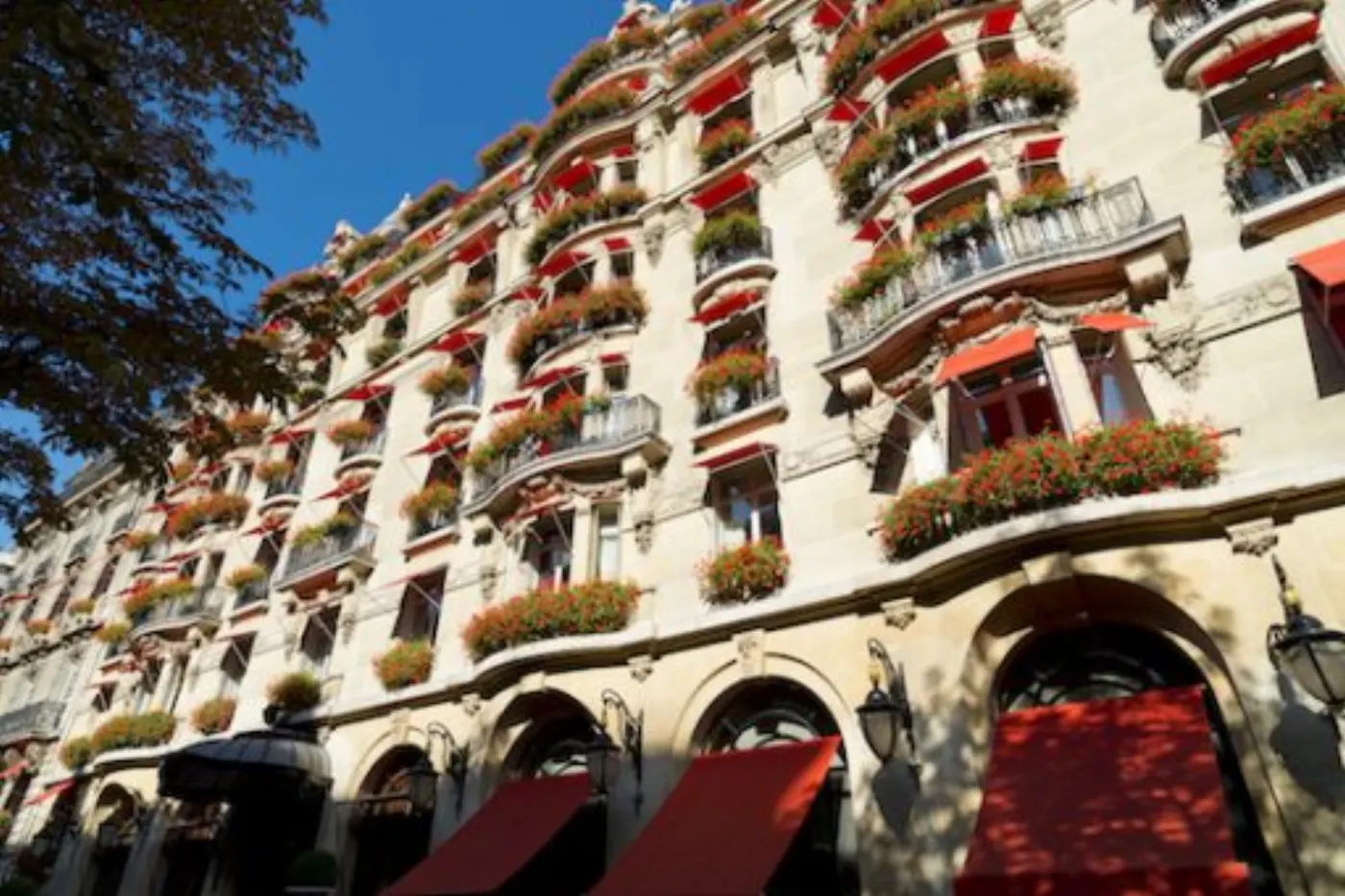
To this day, no other country in the world has developed this particularly French distinction. One can question the value of this label if the list of hotels keeps growing without limit. Let us remember that luxury means exclusivity, rarity, the extraordinary. What will become of this label if there are thirty Palace hotels in France?
Behind this label lie real stakes around recognition, marketing and distribution. 5 star hotels face difficulties, just like Palace-labeled hotels. It is essential to promote our finest establishments around the world to attract guests. The Hôtel de Crillon is set to reopen in a few months, and the Ritz has been open for less than a year. One can wonder whether these two hotels will even apply for the label, given how heterogeneous and numerous the labeled hotels already are. The Ritz and the Crillon are both very old hotels enjoying an international reputation, and in everyone's eyes, especially their guests', they are undoubtedly Palace hotels already. So what would be the point of applying for the label tomorrow? The Lutetia, still under renovation, reportedly aims to become a Palace (worth remembering that before its long-overdue renovation, it already marketed itself as 'the Palace of the Left Bank,' without holding the classification). Here too, it will be interesting to see what it does after reopening. As a reminder, a hotel must wait a year after a renovation before applying for the Palace label: logically, then, the Ritz should apply in 2017, for instance. If the hotel does not apply for the label, one can question the very future of this distinction, and wonder what everyone else will do.
I discussed this topic with François Delahaye, Director of Operations at Dorchester Collection, who took part in creating this label in 2009 and 2010. I invite you to read our conversation on the context behind its creation and how it has evolved.
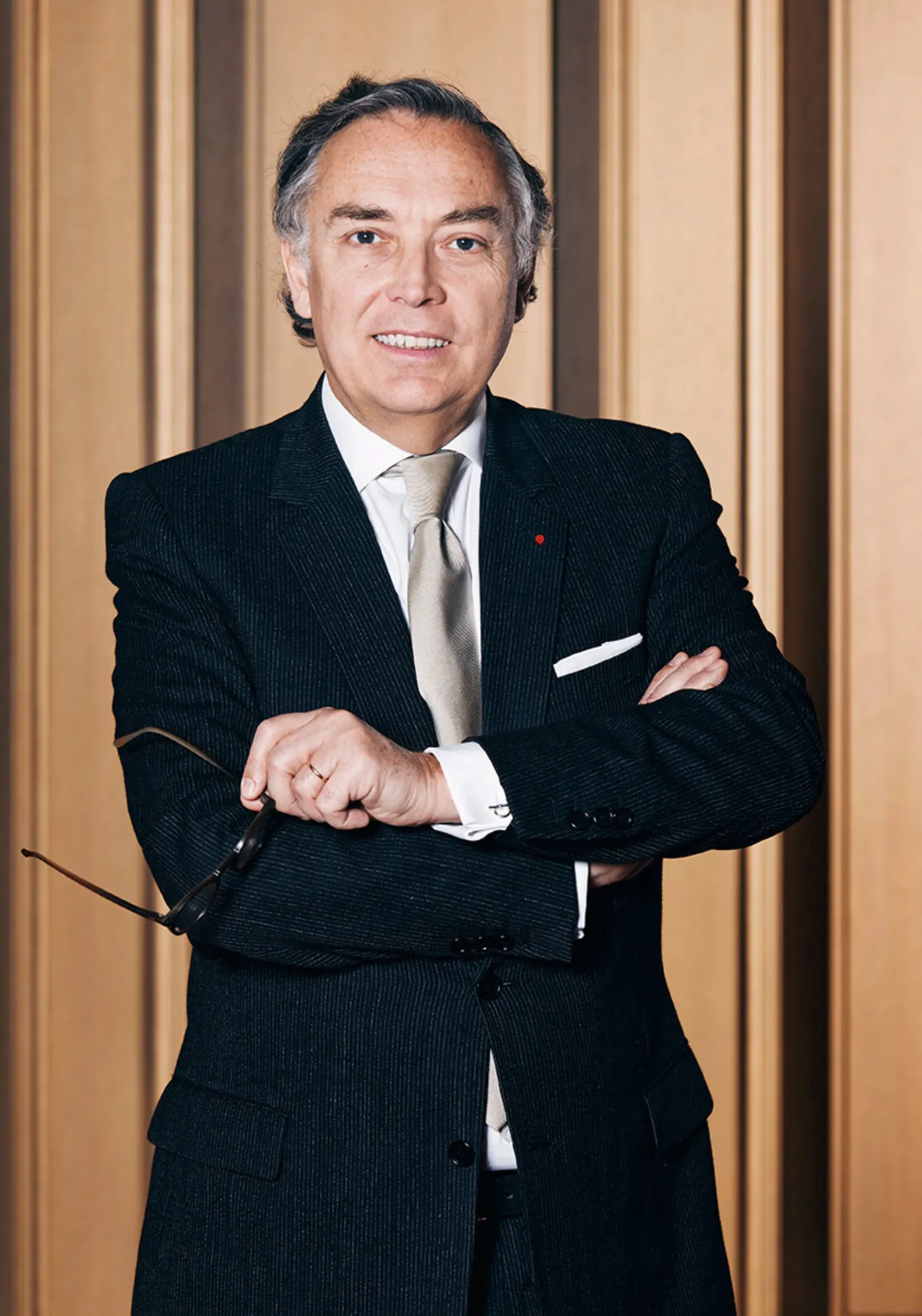
The Palace label has now grown well established. What do you make of how it has evolved? What really defines a Palace hotel today?
I had this same conversation with Christian Mantei, CEO of Atout France, with whom I took part in creating this label. I think it is worth going back to the state of hospitality that led the French government to create a new classification.
In 2009, France was the last country to cap its hotel classification at 4 star luxury. At the time, I fought, alongside other hotel directors, to get the French government to introduce a new classification distinguishing 5 star hotels. I showed real naivety in the face of Accor Hotels' extraordinary lobbying machine: they managed to get every Novotel and Mercure reclassified as 4 star, even though it was the finest 3 star concept that existed anywhere in the world, one that should have stayed exactly as it was.
As a result, Sofitel hotels became 5 star, which dragged down all the incredible investments we had made. So I fought to establish an additional category, one capable of showcasing the excellence of certain hotels. The government eventually created the Palace label. However, it chose to make it not an additional classification, but a label, governed by a panel of public figures.
Today, a Palace hotel is one that must give guests the feeling of living a rare, unique moment. That can come from the splendor of the building, decor signed by a renowned designer, or proximity to the most fashionable and luxurious boutiques. Palace hotels are often located near historic monuments, giving them a particular charm. Service is essential, and every Palace must maintain a ratio of at least 3 staff members per room. And yet I remain unconvinced by the classification itself: the French government has given the Palace label a slant I find myself somewhat at odds with.
Share this article with a colleague, a client or a partner.
That is often how an idea enters a house, and then its habits.
What you say about it matters more than what I say.
A keynote, a mission, an article in the magazine: if my work has been useful to you, a few lines on Google are worth more than any argument.
Leave a review on Google →