Two cultures, one shared ambition: creating a memorable hospitality experience
In luxury hospitality, the art of welcoming guests is not simply a set of standards. It is deeply rooted in a culture, a history, and a particular way of connecting with guests. Each country develops its own reading of hospitality, shaped by its traditions, its customs, and its vision of service.
I had the pleasure of meeting Mauro Governato, then General Manager of the Hotel de Russie, in 2015 during a conversation in Paris. That discussion allowed me to explore a central question: how does the French art of hospitality differ from Italian hospitality, and how can these two approaches coexist within an international luxury market?
Through this interview, a particularly interesting reading of the guest experience emerges. On one side, a structured French approach, built on precise know-how and codes. On the other, a more spontaneous, more instinctive Italian hospitality, centered on human connection and generosity.
This complementarity highlights a fundamental challenge for hotels today: creating a coherent experience capable of adapting to international expectations while preserving a strong identity. A reflection that fits fully within the notion of generous hospitality, where the place, the teams, and the guest relationship must be perfectly aligned.
What is your vision of the French art of hospitality in luxury hotels?
The French art of hospitality is a combination of factors that give the guest an overall positive experience during their stay. It is about showcasing all the strengths that make up French know-how, such as gastronomy, pastry, culinary techniques, concierge service... all of this is why the whole world draws inspiration from France.
For me, the French art of hospitality is a know-how: a great deal of technique, the ability to sell the product, and to highlight, in the same way, the restaurant as a place, and the chef for his creativity and his cuisine. You have to know how to show guests what is special about an establishment, and in doing so, help them understand why they chose this hotel or this restaurant.
Paris is a city of dreams, a city of light, and those working in tourism and hospitality must live up to guests’ expectations and hopes. They must also surprise them, because guests expect more when they come to France to experience the French art of hospitality.
What about the Italian art of hospitality?
In my view, it is slightly different from the French art of hospitality. There is much more spontaneity and generosity. We introduce guests to things not through a route planned in advance and well rehearsed, but through the personality of the person welcoming them. For example, the Trattoria remembers the names of guests who came the year before.
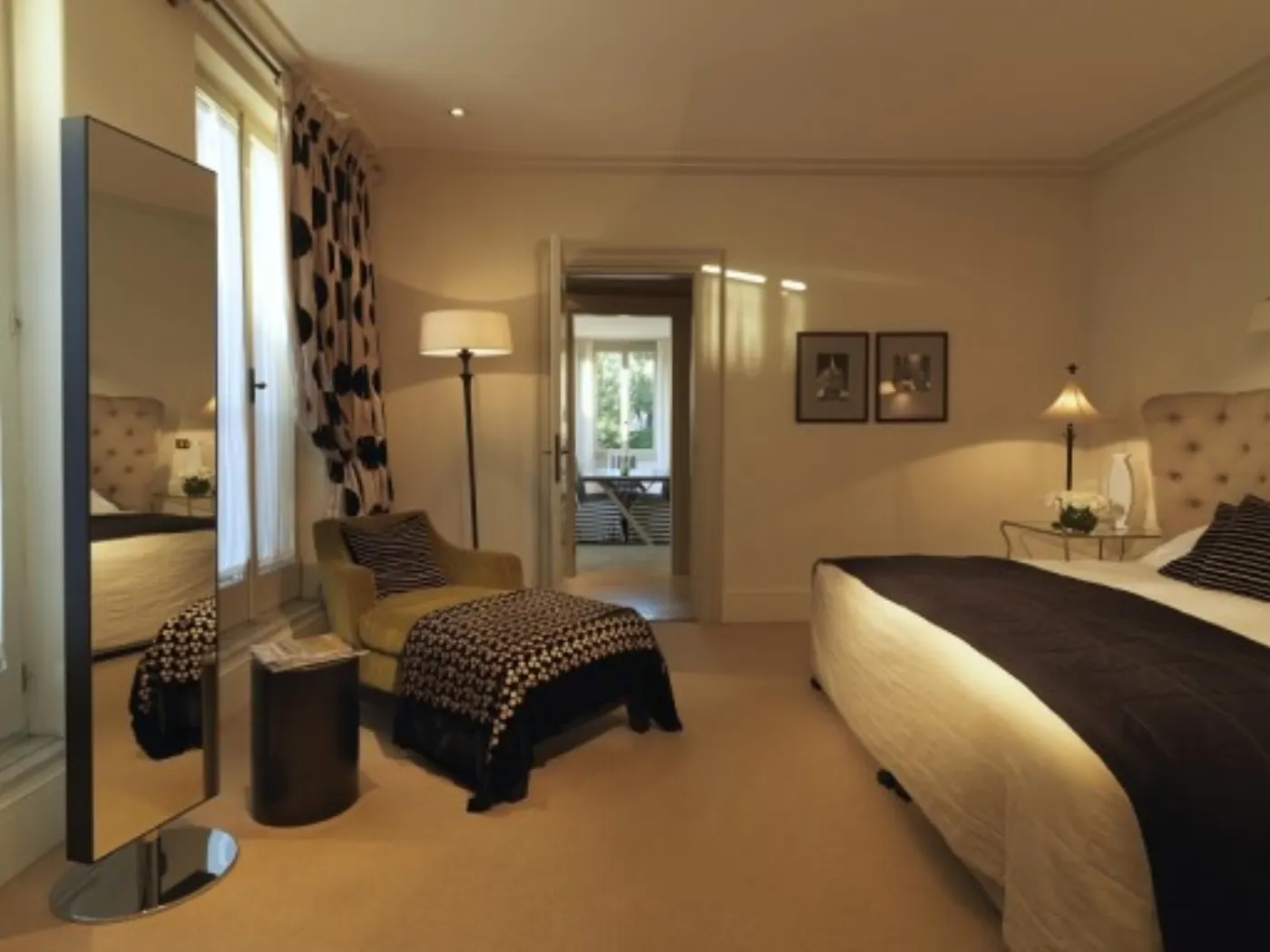
In the Italian art of hospitality, we place great emphasis on highlighting the person through spontaneity and generosity. That is what happens at Rocco Forte, particularly at the Hotel de Russie in Rome. We want guests to feel they are part of this family. To do this, we introduce them to Italian tradition, to the terroir of gastronomy for example, but also to hospitality through a spirit that is very spontaneous, very creative, and off the beaten path.
What makes the Hotel de Russie distinctive?
Its prestigious location, in the heart of a historic city. The hotel sits in an area full of shops. It is close to Plaza de Sevilla and Plaza Popolo. It is set within a wonderful garden at the center of the city, where magnificent weddings can be held. It is a place where you can rest while listening to birdsong and the sound of the bells at noon. You have lunch around an Italian style menu created by our chef Pierangelini. He blends the spirit of the city into your plate so you can fully experience being in Rome.

Additionally, we offer very spacious rooms, the smallest measuring 40 sqm, with beautiful terraces offering panoramic views over the whole city.
We have 33 suites and 89 rooms. We can host events for up to 90 people across 4 meeting rooms with natural daylight.
Biography
He has worked in the hospitality industry for 30 years. He has notably served at the Four Seasons Resort Provence, One & Only Le Saint Géran (Mauritius), and One & Only Kanuhura (Maldives). He was previously General Manager of the Four Seasons Ritz in Lisbon.
He was born in the Italian Piedmont region, speaks 5 languages, and holds a management degree from the Instituto Alberghiero G. Colombatto in Turin. He took courses at Cornell University and holds a Sommelier diploma from the Italian Sommelier Association (AIS) in Milan.
Update: Mauro Governato now works within the Four Seasons brand.
Hospitality: between culture, emotion, and coherence
Through this conversation with Mauro Governato, one thing becomes clear: there is no single way to welcome guests, but a multitude of interpretations of hospitality, deeply tied to cultures and territories.
The French art of hospitality rests on mastery, precision, and the transmission of a know-how recognized throughout the world. Italian hospitality, in contrast, expresses itself more through spontaneity, generosity, and the personality of those who welcome guests.
These two approaches are not opposites. They complement one another and offer hotels a unique richness for building differentiating experiences. The challenge is no longer choosing between these models, but knowing how to adapt them appropriately depending on the place, the guest, and the context.
In my view, this ability to adapt lies at the heart of generous hospitality. It requires understanding guests’ expectations, but also drawing on the identity of the place to create a sincere and memorable experience.
Share this article with a colleague, a client or a partner.
That is often how an idea enters a house, and then its habits.
What you say about it matters more than what I say.
A keynote, a mission, an article in the magazine: if my work has been useful to you, a few lines on Google are worth more than any argument.
Leave a review on Google →