The art of welcome in luxury hospitality cannot be reduced to service standards or exceptional facilities. It rests on something more fundamental: a transmitted culture, embodied by women and men who have made welcoming others a genuine way of being.
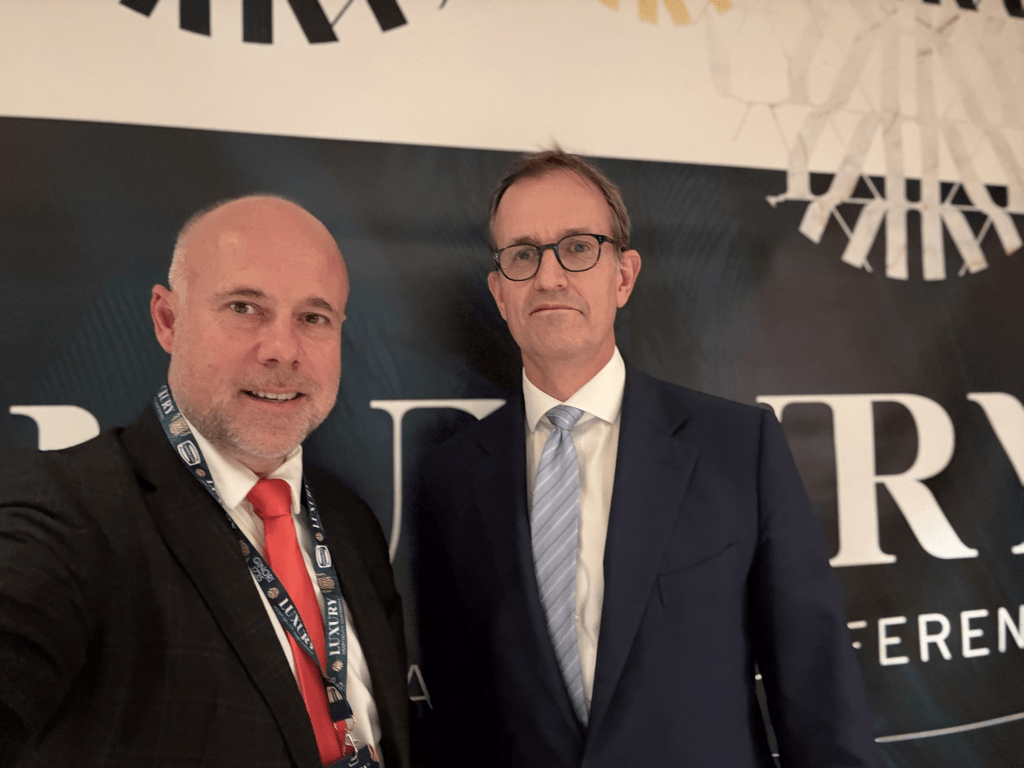
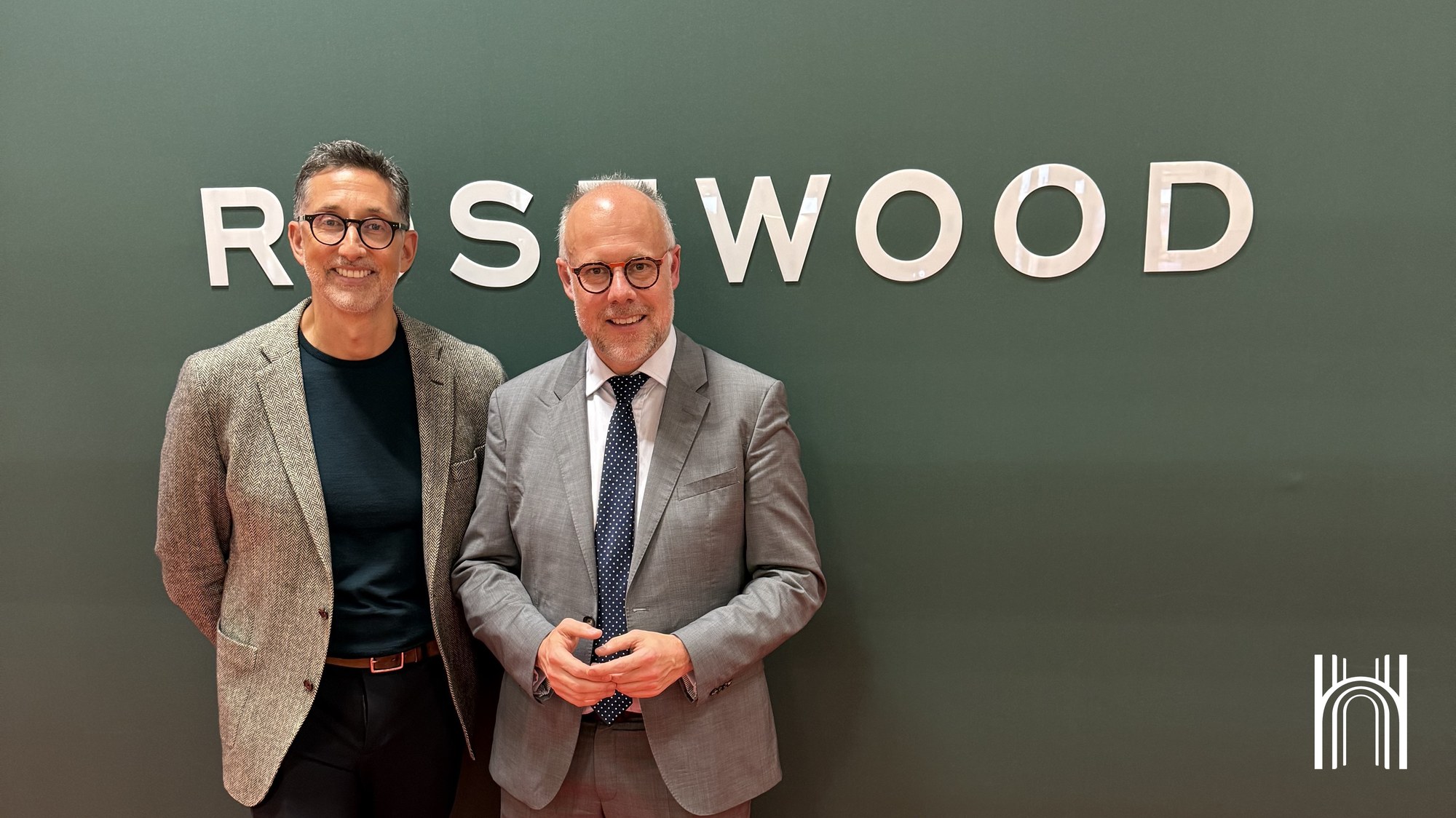
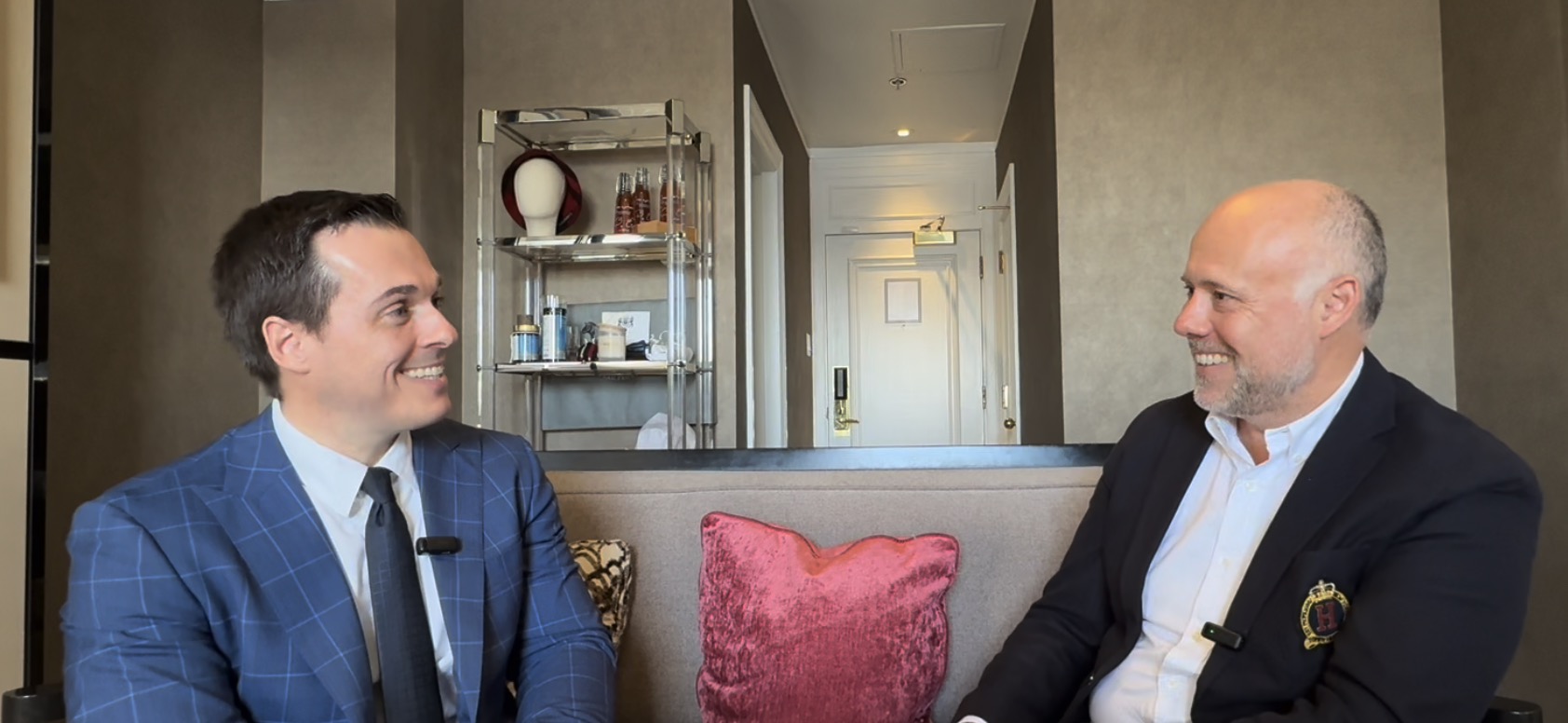
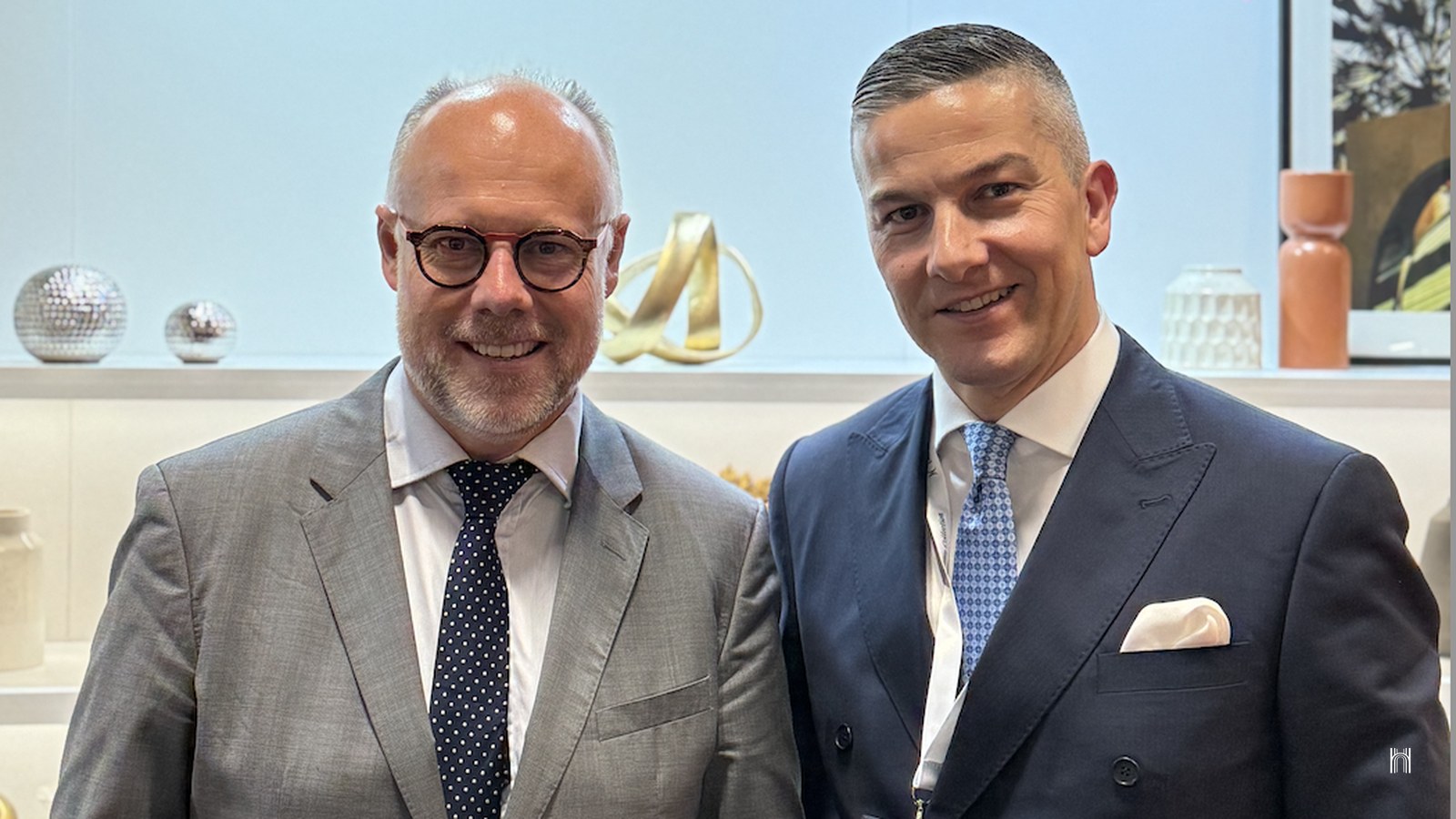
At ILTM in Cannes, in December 2025, the great international luxury travel show, I spoke with Mirko Cattini, then general manager of Hotel Eden Rome, part of the Dorchester Collection. He has since moved on to other responsibilities, but that conversation confirmed three convictions I have defended for many years: the art of welcome is not improvised, it is transmitted; teams are the living heart of any hospitality worthy of the name; and tomorrow’s hospitality will only be great if it remains resolutely human, even in the age of artificial intelligence.
Is the art of welcome learned or transmitted?
It is transmitted. No training programme replaces a culture built over time, carried by employees who stay long enough to become the living memory of the house.
In the Italian hotel tradition, the general manager of a palace is not a manager in the classic sense of the word. He is the padrone di casa, the master of the house. That notion says something essential about the Italian philosophy of welcome: receiving is first a posture, a presence, a way of being available to another person.
What Mirko Cattini underlined at the time, and what I observe myself in the properties that move me most, is the way great houses sustain that culture over the long term. At Hotel Eden Rome, founded in 1889 and one of the very first five-star hotels in the Italian capital, more than a quarter of the staff had been there twenty years or more. These women and men do not follow a process. They embody a living memory, an intimate knowledge of guests, of customs, of unspoken expectations.
Hospitality here cannot be decreed. It was built in daily gestures, in continuity, in the silent transmission between generations of employees. It is a point I often press with the leadership teams I work with: nobody makes up twenty years of transmission with a two-day seminar. A house that loses its long-serving staff loses far more than skills, it loses its relational memory, that unwritten knowledge that allows you to recognise a guest, anticipate a silence, understand that an ordinary request conceals a more intimate expectation. The finest houses do not transmit procedures alone. They transmit a way of looking at a guest, of listening, of making them feel they matter.
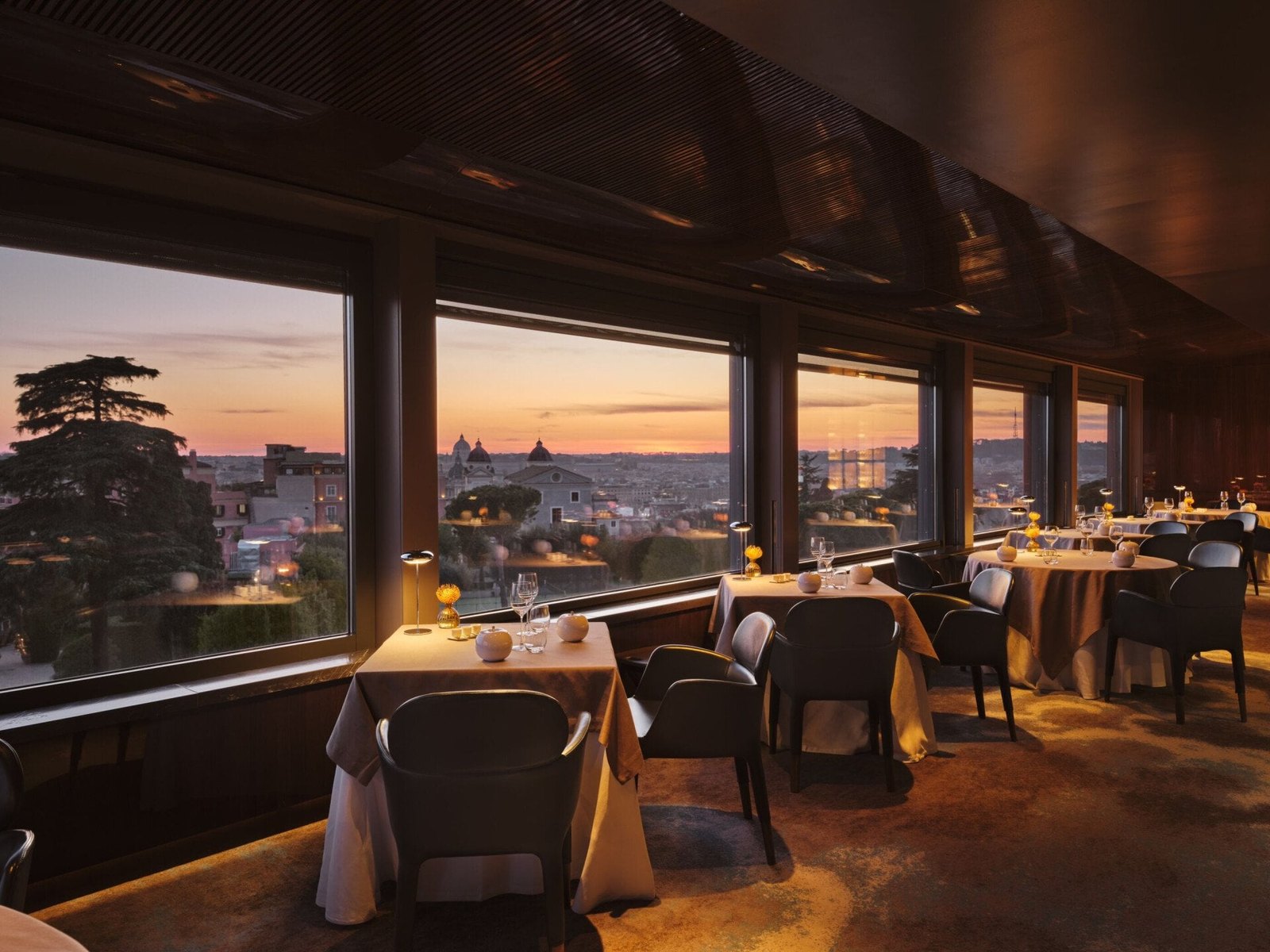
The most memorable moments of hospitality never come from a service manual. They come from an employee who has understood that their role goes beyond the technical gesture. Mirko Cattini had given me an example that stayed with me: discreetly taking a couple celebrating their anniversary into a hotel car, a bottle of champagne on ice, to offer them a view over the rooftops of Rome at the Pincio, with a framed Polaroid left in their room on their return. That is not a protocol. It is an intention, a gesture that gives a stay its memory. It is exactly what I call generous hospitality: turning a service into a memory.
How do you recruit and retain in luxury hospitality?
By recruiting on attitude rather than on track record, and by offering lateral moves when vertical promotions are scarce: technical skills can be taught, generosity in relationships far less so.
Retaining talent is one of the sharpest challenges facing hospitality today. At Hotel Eden Rome, turnover stood at 4 % at the time, remarkable in a sector where it often exceeds 30 %. Mirko Cattini explained it through a very clear management philosophy: attitude comes before the CV. The era when recruiters looked for linear careers in starred establishments is over. What he was looking for was a posture, a sincere desire to do well, a genuine availability to others.
That conviction leads to a rethinking of internal mobility. With 210 employees for 98 rooms, vertical paths were necessarily limited. The property had therefore developed a culture of cross-departmental promotion: a guest relations manager who became director of housekeeping, an executive concierge who moved into a head hostess role, a breakfast chef who became chief steward. These unconventional paths produce more complete employees, capable of understanding the experience as a whole.
What I would add, and it seems fundamental to me, is the dimension of meaning. An employee who understands why they do what they do, who sees their contribution in the chain of the guest experience, commits differently. Retention is not won with bonuses. It is built with trust, transparency and a shared vision.
I would add something the industry finds hard to hear: the first cause of departure in our professions is almost never salary. It is the feeling of not being seen. An employee who receives sincere recognition from their management, who knows their work is observed and understood, tolerates far more demanding conditions than another who is better paid but invisible. That is why I always start my audits with the teams, never with the guest: what those who welcome experience always ends up showing in what those who are welcomed experience.
Telling a talented employee plainly that no promotion is possible in the short term, and encouraging them to seize an opportunity elsewhere should one arise, is an act of respect, not weakness. Employees treated with that honesty often stay longer than those who receive empty promises.
Can artificial intelligence replace the art of welcome?
No. It can execute and predict, it cannot work around the impossible through relationships, and that is precisely where luxury is decided.
On the question of artificial intelligence, Mirko Cattini shared a conviction I hear more and more in great properties: AI is a tool, not a strategy. It can automate repetitive tasks, speed up responses, smooth out processes. But it hits a clear limit. When a system sees that a table is fully booked, it stops. The human concierge calls Giuseppe, pulls the table from the back of the room, and creates the moment the guest will never forget. That capacity to mobilise a network, to work around the impossible through relationships, to read between the lines of a request: that is what luxury hospitality must preserve.
My own view goes further. I believe AI will keep progressing in guest knowledge, in the collection and analysis of preferences, and even in predicting the experience a guest wishes to live. It will be able to anticipate needs before the guest formulates them. But that predictive capacity will never replace the warmth of a sincere gesture, the energy of an employee who is truly present, the surprise of a moment no algorithm could have programmed.
The risk I clearly perceive is not one of replacement. It is more insidious: the false note. Letting AI write messages that ring hollow, sign communications the guest immediately identifies as machine-generated, produce a personalisation so mechanical it becomes a caricature of attention. Authenticity is a sense that luxury hotel guests have developed with particular acuity. They detect artifice faster than any other audience, because it is precisely what they pay not to endure any more.
There is a second risk, more economic: using technology as a pretext to cut headcount. A hotel that replaces two employees with a system gains a few points of margin and loses what made its value. In luxury, automation does not save, it erases.
Time has become the new definition of luxury. Giving guests back their time, freeing them from friction, offering them moments of absolute quality: that is where the difference will lie between the properties that cross the decades and those that exhaust themselves chasing trends. And it holds true for teams as well: an employee who is given back some time is an employee who can finally look at the guest.
Key takeaways
The art of welcome in luxury hospitality is not a discipline learned in a few weeks of training. It is a culture built over time, transmitted between committed women and men, and it draws its strength from the sincerity of the relationship far more than from the sophistication of the facilities.
What great houses such as Hotel Eden Rome have understood is that hospitality begins long before the guest arrives and continues long after they leave. It begins in the way you recruit, train, trust, and create the conditions for every employee to give their best. It continues in the memory teams give to stays, in the gestures that turn a service into a memory.
At a time when artificial intelligence is redrawing the outlines of almost every profession, luxury hospitality holds a competitive advantage no algorithm can imitate: the ability to make each person feel unique, expected, considered. That is generous hospitality. And it is, more than ever, what the finest properties in the world are converging towards.
The best performing hotels of tomorrow will not be those holding the most data on their guests. They will be those who can still give them moments they will remember all their lives.
Would you like to rethink your property’s hospitality strategy, strengthen your teams’ commitment or prepare your organisation for the challenges ahead? I would be glad to discuss a consulting assignment, an audit or a keynote on these subjects.
Share this article with a colleague, a client or a partner.
That is often how an idea enters a house, and then its habits.
What you say about it matters more than what I say.
A keynote, a mission, an article in the magazine: if my work has been useful to you, a few lines on Google are worth more than any argument.
Leave a review on Google →