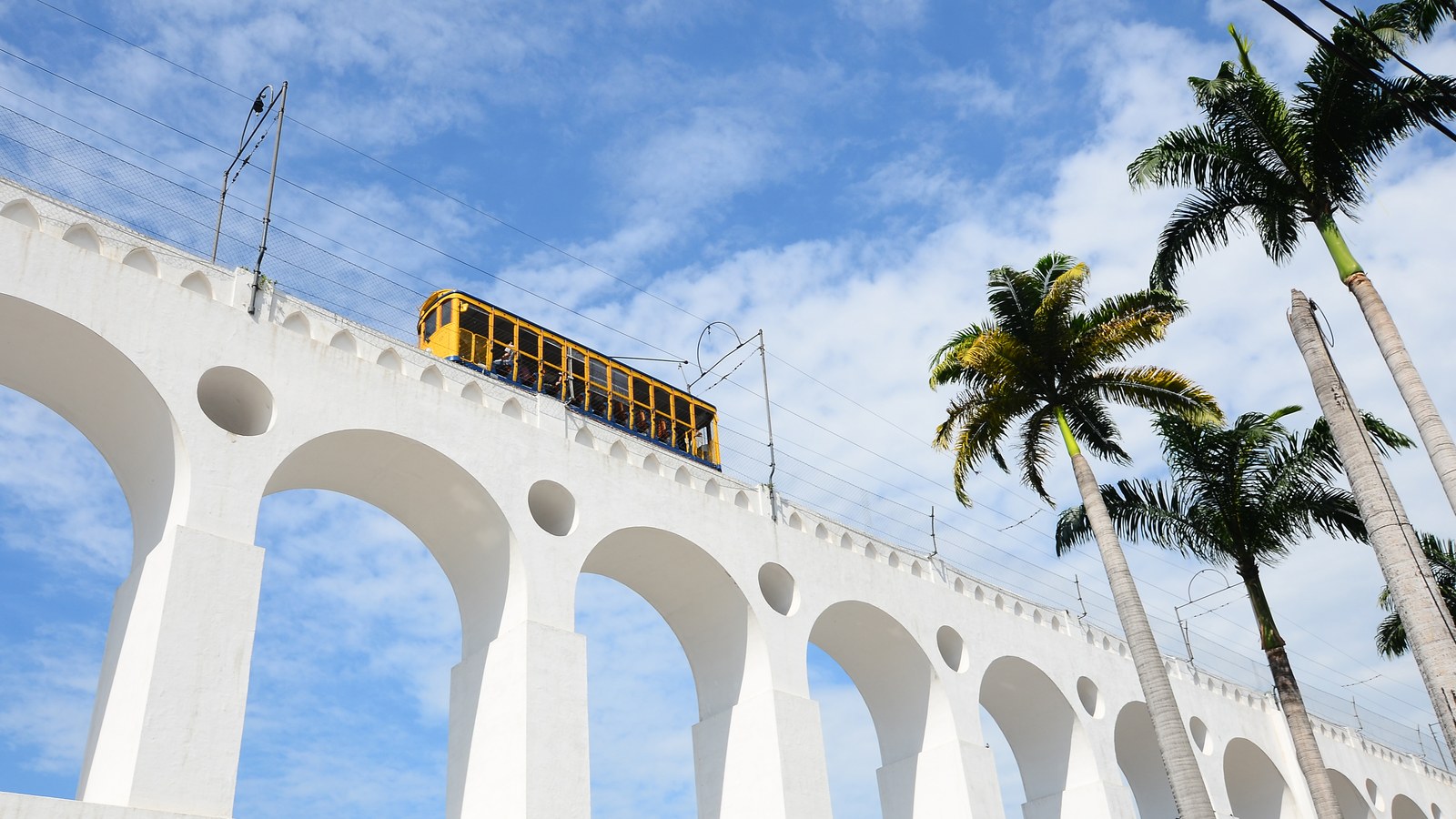
Luxury is no longer measured by the opulence of a lobby or the number of stars engraved on a façade. Over the past decade, the most discerning travellers have been seeking something else: presence, precision, and that elusive emotional depth. In Rio de Janeiro, this expectation takes on a particular resonance, almost self-evident. Here, hospitality is not a service delivered. It is a way of life.
Behind every great journey are discreet operators whose expertise shapes the quality of the experience. In Brazil, Blumar stands among those who have built, over time, a coherent and rigorous high-end offering, deeply rooted in local realities.
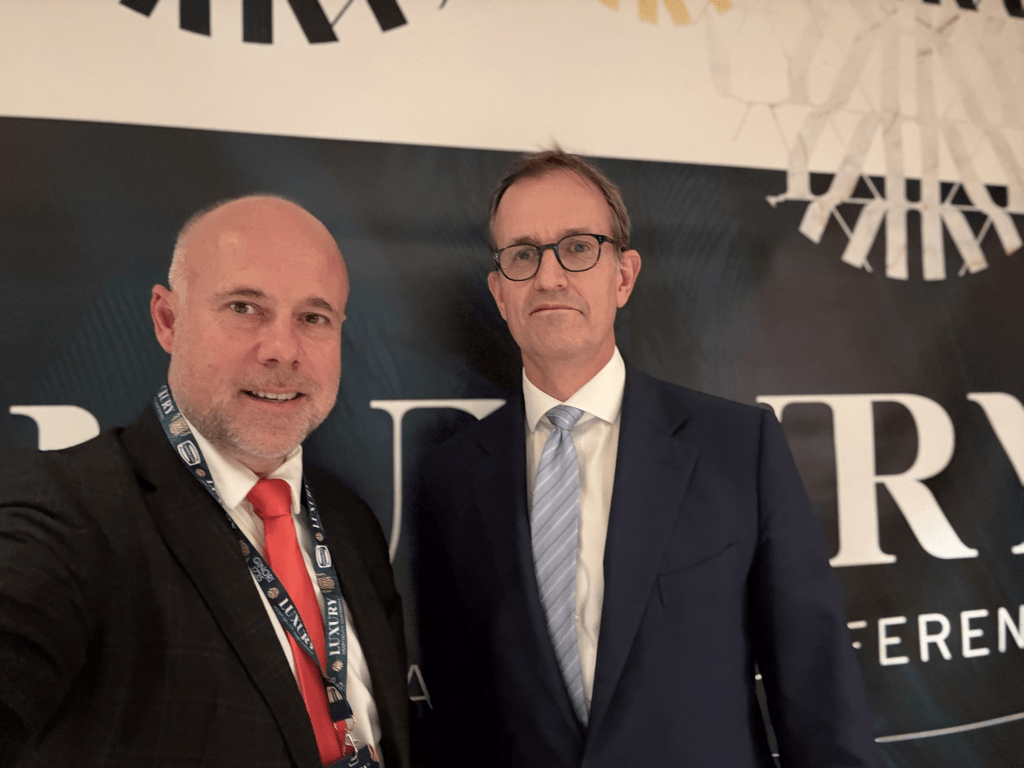
I had the opportunity to meet Bruno Teixeira in Rio de Janeiro, whose guidance offered a clear and insightful reading of the destination.
Blumar: Four Decades of Expertise Shaping Brazilian Travel
Founded in Brazil, Blumar has established itself as a reference player in high-end tourism within a country only now being fully understood by European and international travellers. The company does not simply organise journeys, it inhabits them, aligning each itinerary with the deeper identity of place. An approach that reflects Brazilian culture itself: generous, vibrant, and rooted in human connection.
Initially focused on Búzios, the coastal destination north of Rio, the company has gradually expanded its scope across the entire country. Today, it operates in more than thirty destinations, from the Amazon to the Pantanal, from the beaches of Fernando de Noronha to the colonial streets of Ouro Preto.
At Blumar, the quality of a journey is defined first and foremost by the quality of the people who shape it.
In Rio de Janeiro, the company partners with leading hospitality institutions. The Copacabana Palace, founded in 1923, remains the city’s emblematic address, combining architectural heritage with contemporary standards of excellence. The Fairmont Rio de Janeiro Copacabana reflects an international scale integrated into the Carioca context. For travellers seeking immersion in Leblon, now the epicentre of contemporary Rio, the JANEIRO Hotel offers a natural anchor.
Beyond accommodation, Blumar has structured a comprehensive offering covering all segments of luxury travel: individual and group journeys, corporate incentive programmes, congress and event management, as well as ground services for cruise lines, having collaborated for many years with brands such as Crystal Cruises and other major international cruise companies.
This ecosystem is supported by a proprietary digital platform, allowing partner agencies direct access to rates, itineraries, and visual resources. Combined with a multinational and multilingual team deployed across the country, this infrastructure provides a structural advantage in a market where operational responsiveness is critical.
Designing Experiences: Access, Meaning, and Depth
Within the segment of private experiences, now central to the expectations of high-end travellers, Blumar has developed an offering aligned with the underlying trends of luxury travel: privileged access, authentic encounters, and cultural depth.
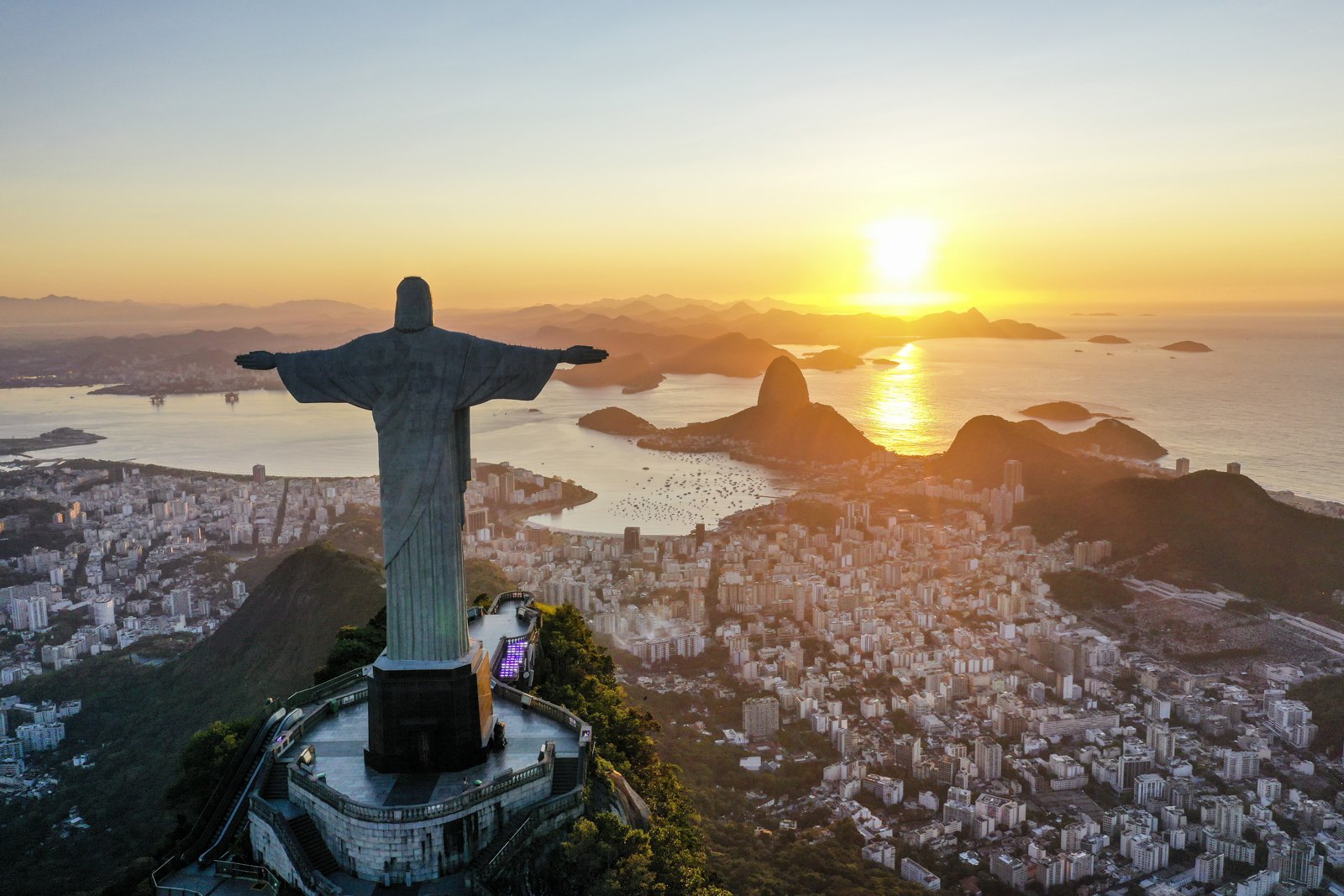
Private visits to Rio’s three UNESCO World Heritage Sites, VIP access to Christ the Redeemer via a trail through Tijuca Forest, open-door helicopter flights over Guanabara Bay, or immersive experiences behind the scenes of Carnival preparation all place the traveller at the centre of a Brazil rarely accessible through mass tourism.
Sustainability is equally embedded in Blumar’s identity. As a partner of the Tomorrow’s Air programme, the company selects its suppliers and accommodations based on environmental commitment and support for local communities. This coherence between operational excellence and ethical responsibility has earned recognition from the industry’s most selective networks, including Virtuoso Preferred, ILTM, USTOA, and IGLTA.
A Perspective: Brazilian Hospitality as a Lesson for the Industry
After years of observing luxury hospitality across continents, what struck me most in Rio is precisely what cannot be taught in hospitality schools: the spontaneity of the welcome.
Brazilian hospitality, and particularly Carioca hospitality, is not the result of procedures. It is embedded in gestures, in the gaze, in the unique way of approaching others as if they were already friends.
My conversation with Bruno Teixeira illustrated what could be described as generous hospitality in its purest form. Passionate, moving through Copacabana by electric bike even in the evening, speaking of his city with genuine enthusiasm after more than twenty years, he embodies what many global luxury players attempt to recreate: authentic human connection.
Our exchange, initially professional, quickly evolved into a lively conversation about bossa nova, wines from southern Brazil, and hidden tables in Leblon. This fluid transition from professional to personal, this natural permeability between registers, is precisely the essence of Brazilian hospitality.
At a time when the global hospitality industry is questioning how to move beyond operational excellence toward emotional resonance, Rio and its local actors offer a remarkably clear answer. The most valuable form of luxury here is relationship, not transaction.
Carioca Hospitality: A Culture to Be Experienced Before It Is Explained
Brazilian hospitality is often cited, yet rarely analysed with precision. In Rio, it takes on a particularly clear form, rooted in Carioca urban culture, which shapes social behaviour far beyond tourism.
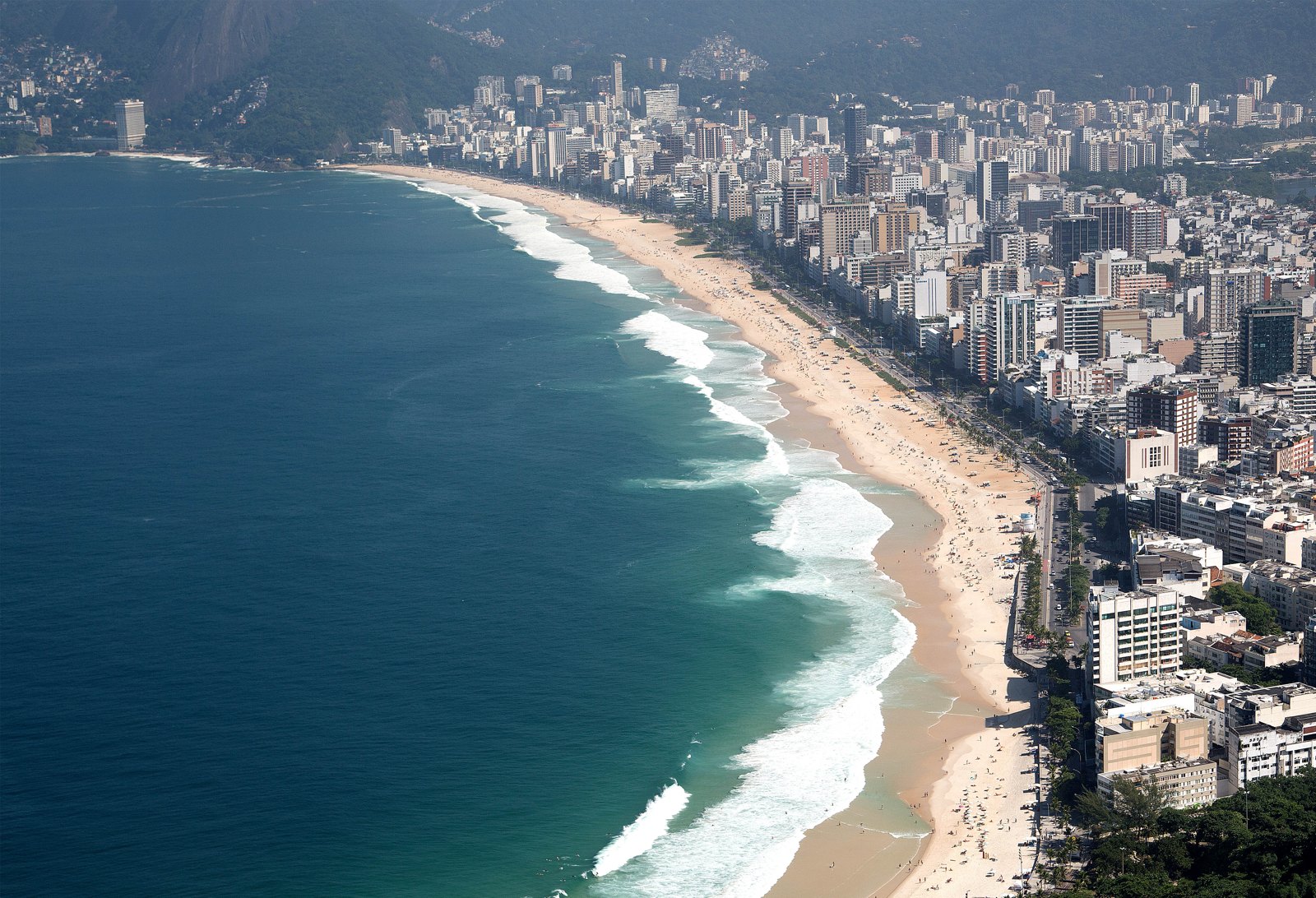
What stands out first is the natural permeability between public and private spaces, between formal and informal interactions. The beach is not a tourist attraction, but a shared living space, where all layers of society intersect. This social mix creates openness that permeates daily life, and by extension, the entire hospitality and dining ecosystem. Teams in hotels such as the Janeiro Hotel or the Copacabana Palace do not simulate warmth; they translate it from a lifestyle that precedes tourism itself.
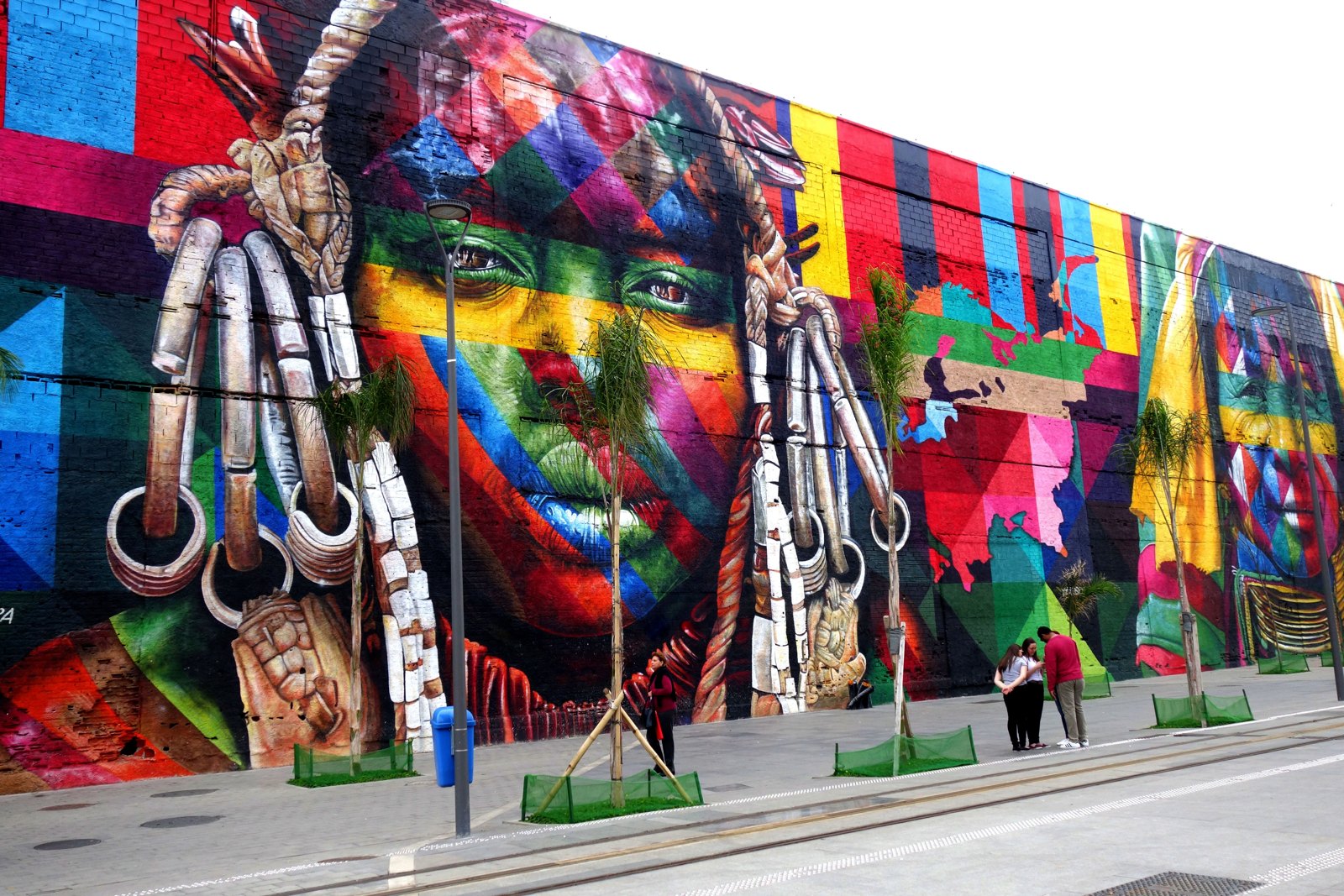
This dynamic is reinforced by broader trends. The Carioca gastronomic scene, from seafood bistros such as Polvo Bar and Escama to fine dining establishments like Oteque and Lasai, demonstrates a capacity to elevate local products without imitating international models. Wine bars dedicated to producers from Rio Grande do Sul reflect a growing confidence in local identity, a prerequisite for hospitality that is not derivative.

The rediscovery of the city centre follows the same trajectory. Rua do Senado, named one of the world’s trendiest streets by Time Out, illustrates how Rio reactivates its urban heritage through a uniquely local creativity, blending traditional samba, design craftsmanship, and new culinary addresses.
For an operator such as Blumar, this cultural vitality is a strategic asset. Rio’s richness, its UNESCO sites, urban rainforest, distinct neighbourhoods, and vibrant music scene, offers enough depth to structure week-long stays without repetition. This density of content, combined with a hospitality that does not need to be manufactured, positions Rio as one of the most compelling luxury destinations of this decade.
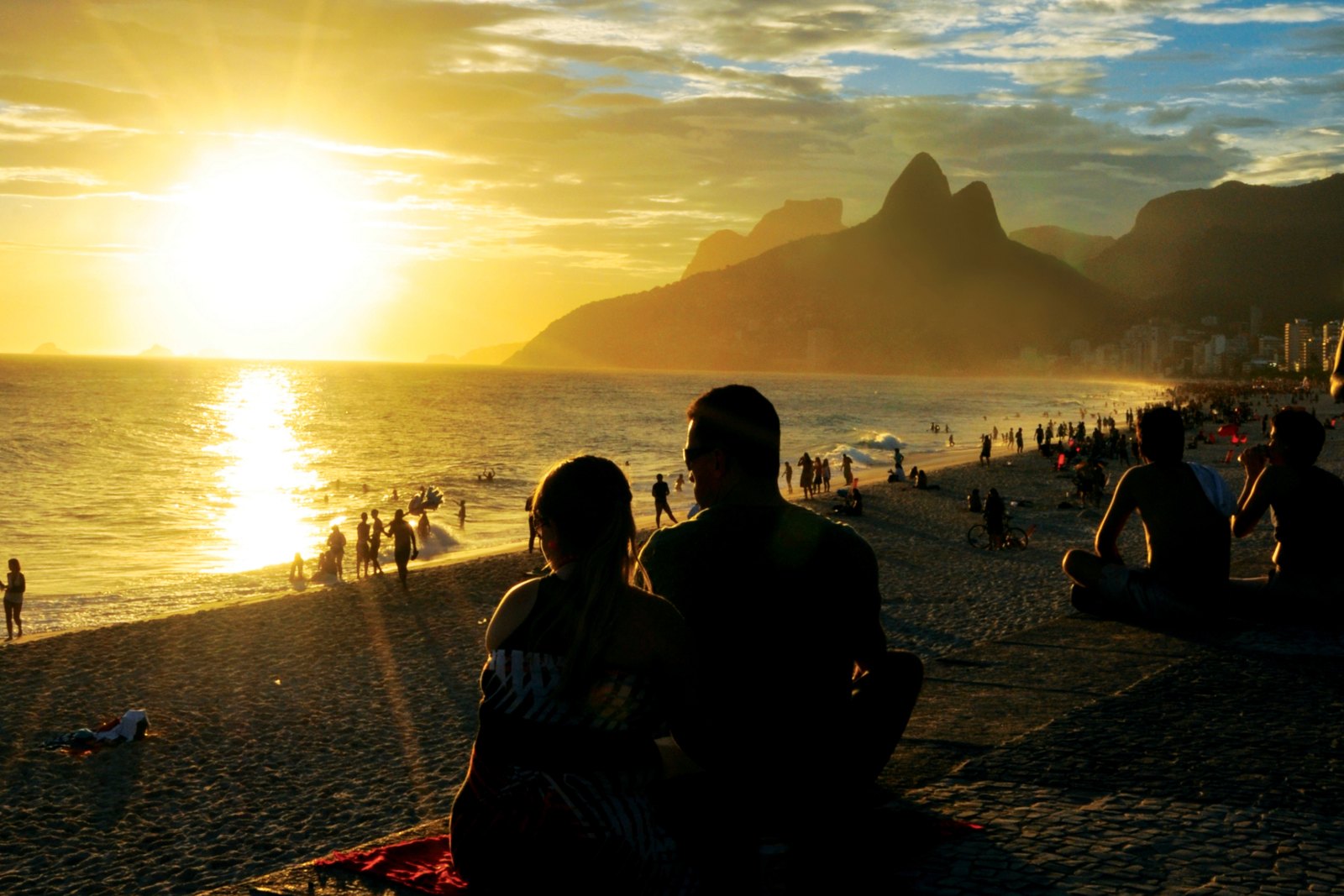
Rio de Janeiro: A Country That No Longer Needs to Explain Itself
What Rio reveals about Brazil in 2025 is, above all, a country that no longer needs to justify itself. For too long, the destination was viewed through the lens of its challenges: security, infrastructure, accessibility. These questions remain, but they no longer define the narrative.
What now shapes the conversation with luxury travel professionals is the depth of a cultural and experiential offering few destinations can match: three UNESCO sites within a single city, a protected urban rainforest, a revitalised gastronomic scene, and a culture of hospitality that predates tourism itself.
The value of a leading receptive operator lies in its ability to translate this complexity into coherent experiences. This capacity for high-level mediation is what contemporary luxury demands: not staging, but meaning.

Rio opens a door. Beyond it lies Brazil in its full scale. The Amazon, with Manaus as a gateway to an ecosystem rediscovered through responsible tourism. The Pantanal, the world’s largest tropical wetland, whose wildlife rivals Africa’s great reserves. Two territories radically different from Rio, yet sharing the same requirement: expert, human guidance, rooted in local reality.
This is the standard Brazil is progressively bringing to the highest levels of the global hospitality industry.
Share this article with a colleague, a client or a partner.
That is often how an idea enters a house, and then its habits.
What you say about it matters more than what I say.
A keynote, a mission, an article in the magazine: if my work has been useful to you, a few lines on Google are worth more than any argument.
Leave a review on Google →