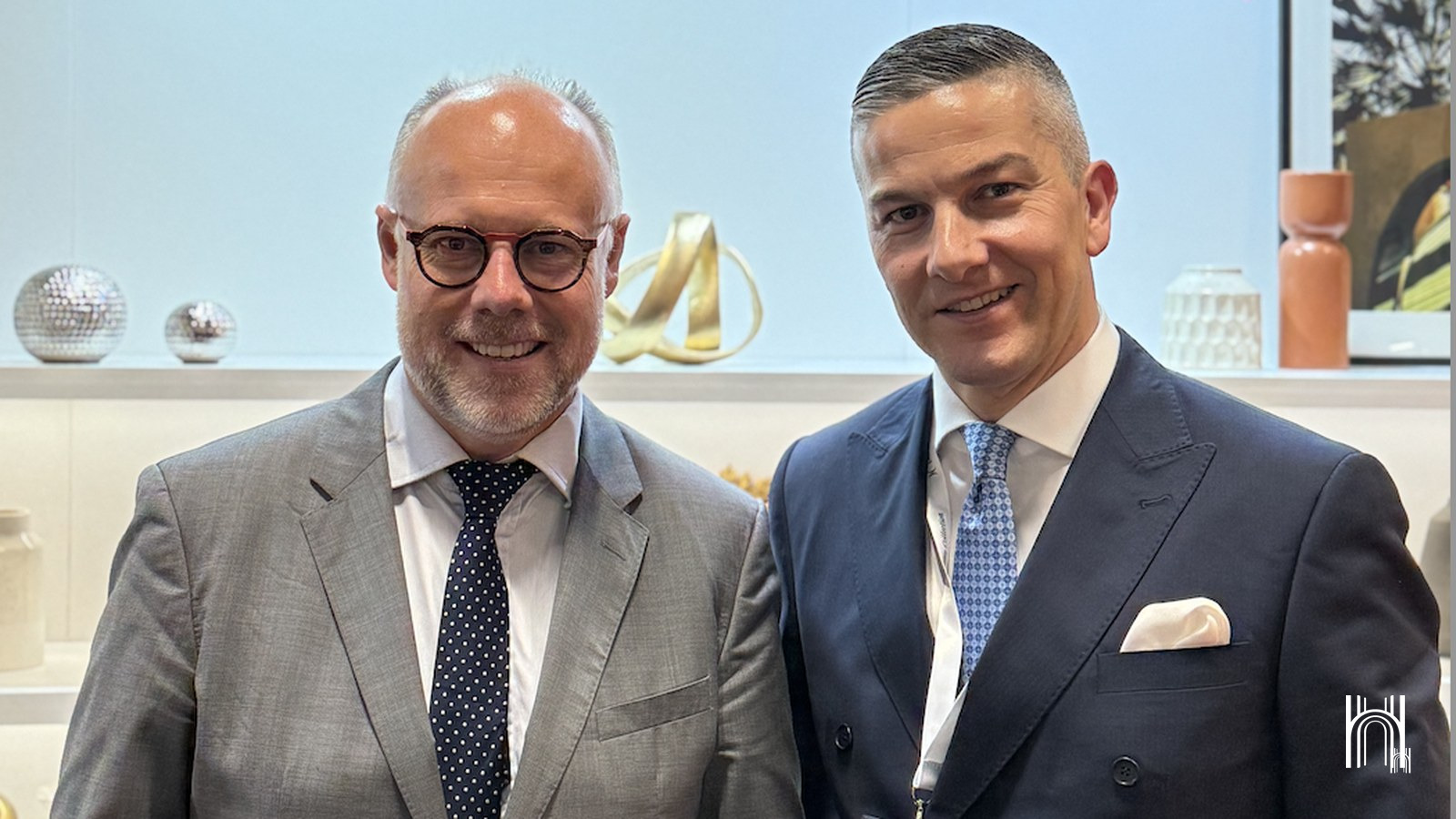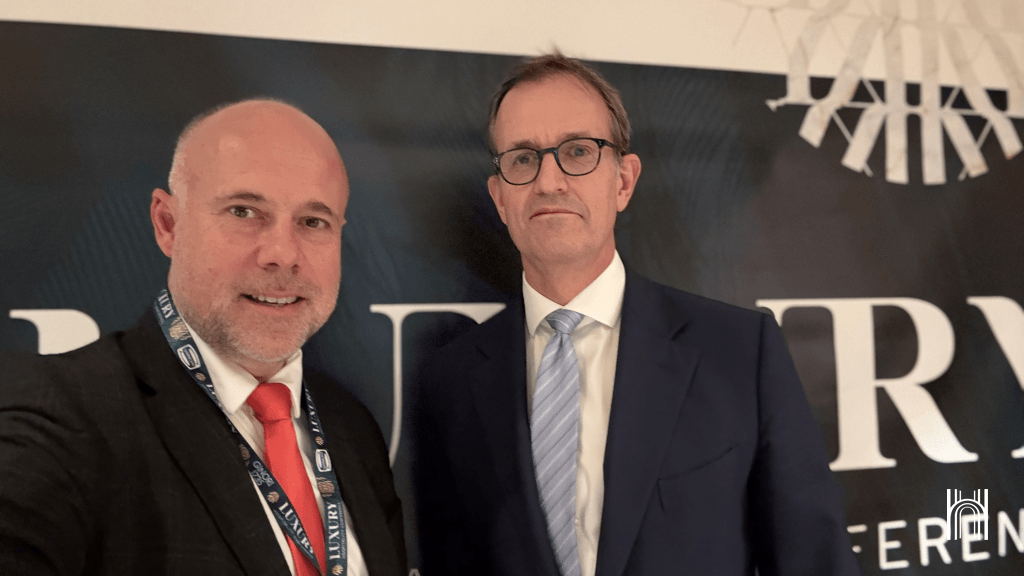
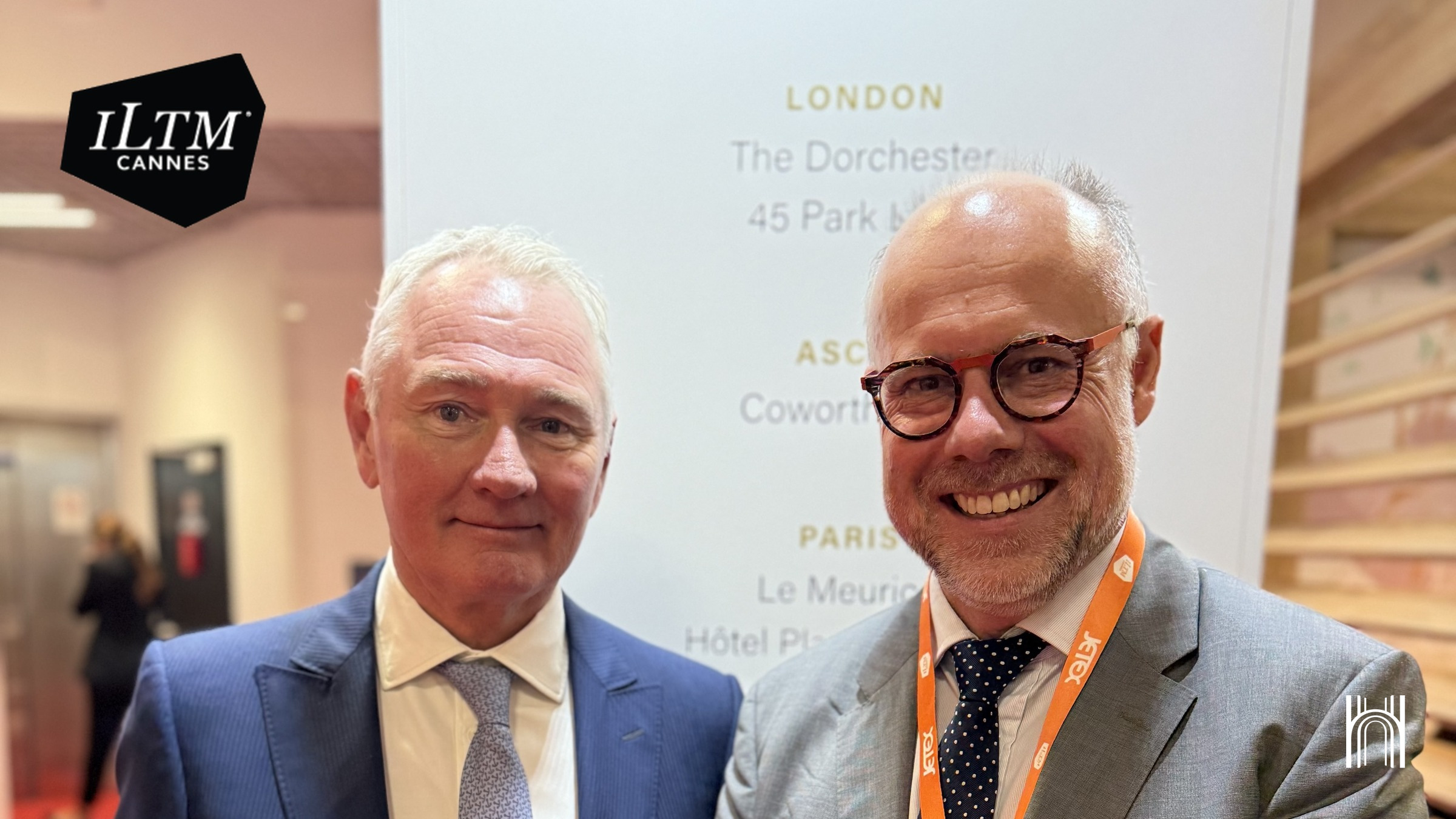
In a hotel landscape dominated by architectural and technological one-upmanship, The Lana, the newest jewel of the Dorchester Collection, makes a bold bet on discreet, deeply human luxury. Opened in February 2024 in Dubai, this 225-room property embodies a singular vision of luxury hospitality: one where the relationship matters more than the decor, and where every guest is an individual, never a booking number. Met at ILTM in Cannes in December 2025, Richard Alexander, General Manager of The Lana, shares a management vision that deserves close attention.
It was in Cannes, at ILTM, that I met Richard Alexander. I quickly sensed a man of conviction, whose view of luxury hospitality cuts against the received wisdom. His international career, from Jumeirah in Dubai to the Bahamas and Las Vegas, feeds one deep belief: hotel excellence is measured by the quality of the human bond, never by the sophistication of the setting alone.
British by training, a graduate in hospitality management from Bournemouth University, Richard Alexander brings more than thirty years of international experience in upper-tier hospitality. Before taking the helm of The Lana, he led Jumeirah Al Naseem in Dubai and SLS Baha Mar in the Bahamas, and held senior positions at Wynn and Encore in Las Vegas. A path that shapes a global and nuanced reading of the luxury market.
Appointed General Manager by the Dorchester Collection in 2022, he steered the opening of the group's first property in the Middle East, a considerable challenge in one of the most competitive hotel markets in the world. His brief was not to replicate an existing model, but to build a legend in its own right.
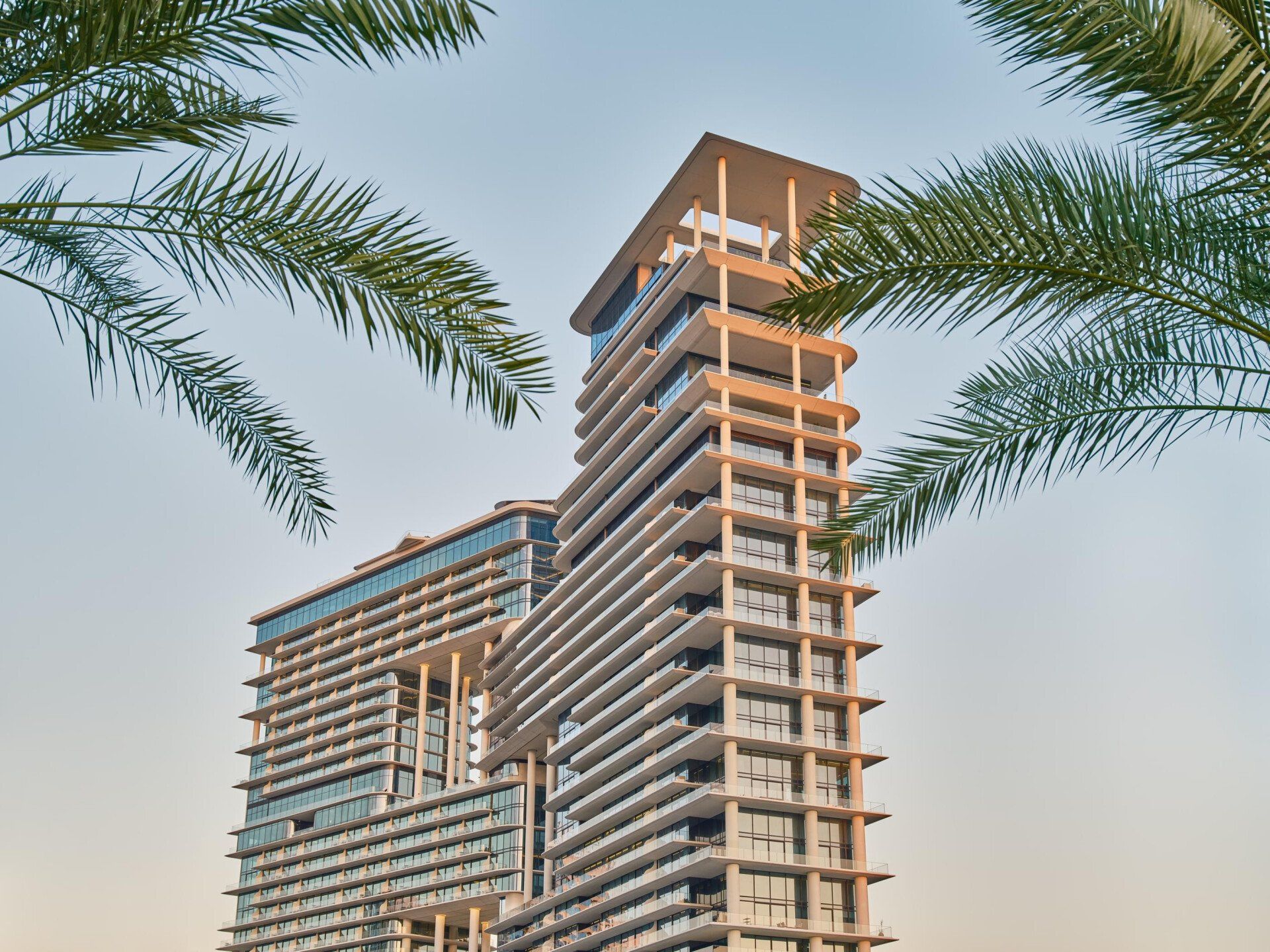
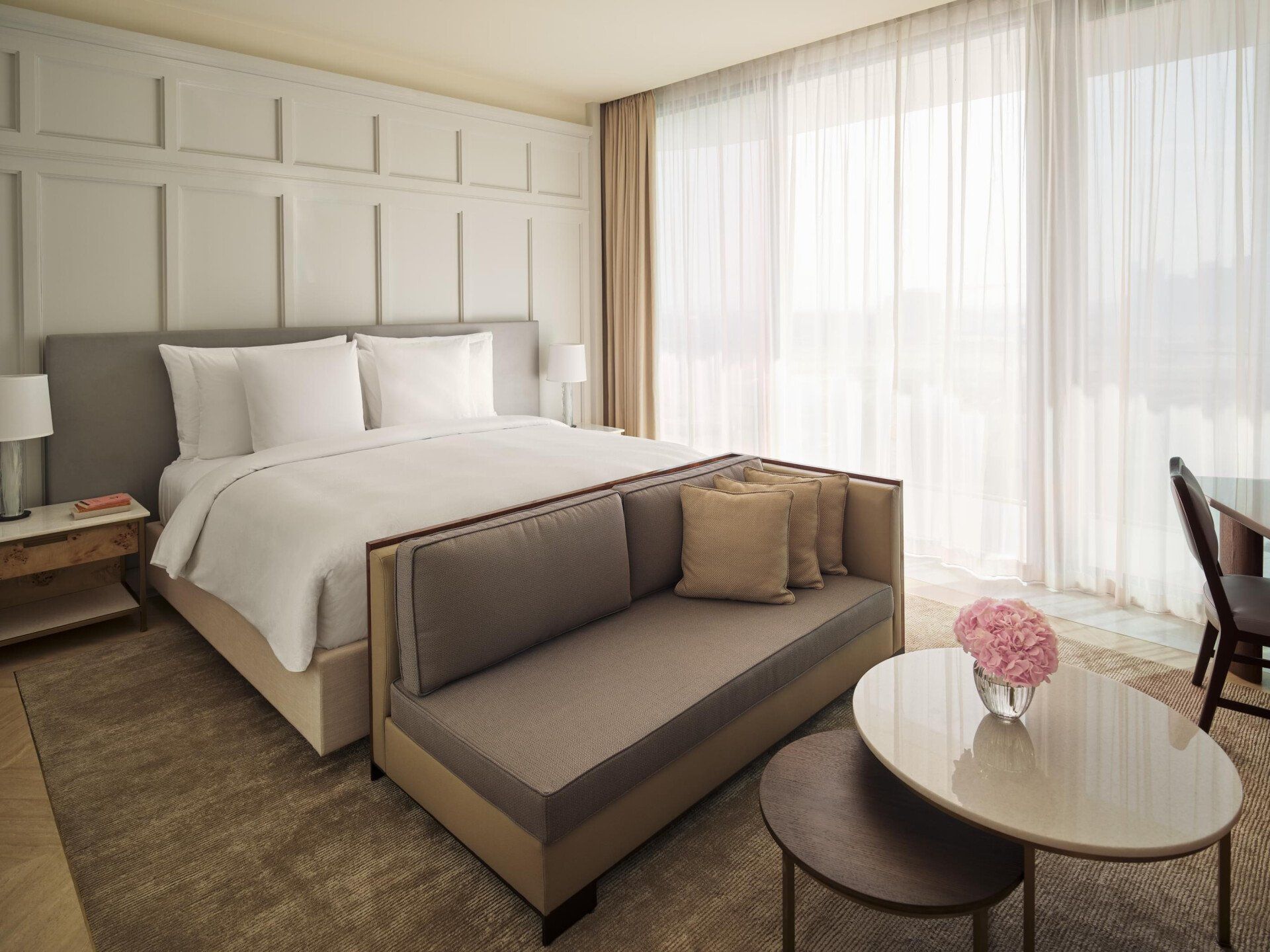
Designed by the Paris-based architects Patrick Gilles and Dorothée Boissier, the property stands out for its timeless elegance, its majestic ceilings and its soft tones drawn from the desert. For upper-tier hospitality professionals, The Lana is far more than a new player in the Dubai market: it is a case study in how to stand apart in an ultra-competitive environment.
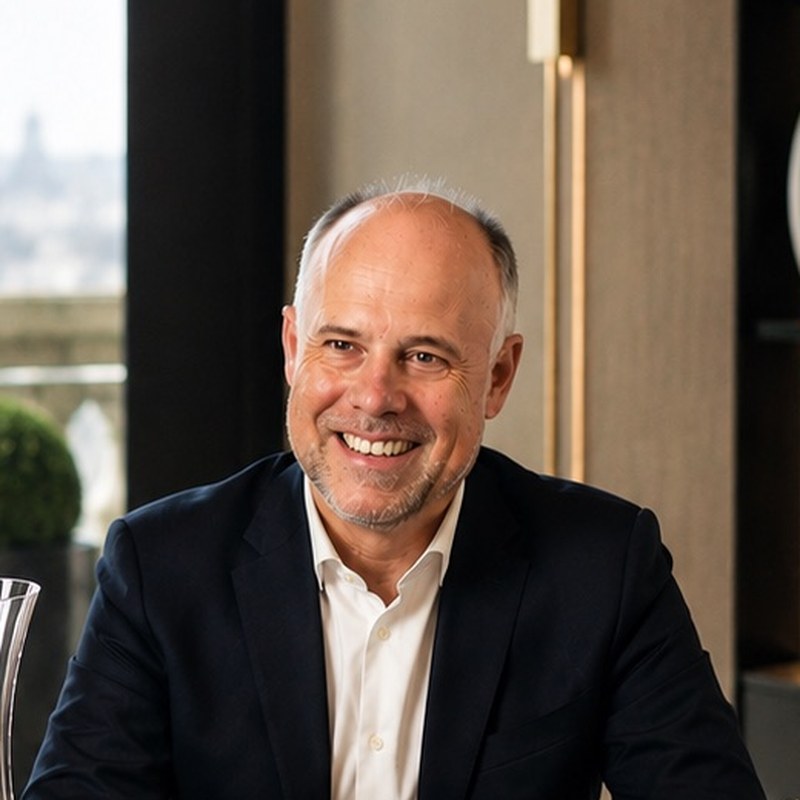
Richard Alexander, General Manager of The Lana
Where should technology stop and people begin?
The moments that rely on judgement, empathy and care should always belong to our people: at The Lana, technology removes friction so that colleagues can be fully present so every guest feels understood rather than processed.
On this point, Richard Alexander draws a clear line. Technology can remove friction beautifully. It can handle the transactional parts of hospitality with remarkable efficiency, and that gives his teams more time to do what only people can do.
Richard Alexander
The moments that matter most are the ones no tool can handle. A guest who has had a difficult journey, who is celebrating something important, or who simply needs someone to understand how they are feeling: for Richard Alexander, an algorithm cannot replace human intuition in those situations. The greatest luxury is being understood, and that remains a profoundly human skill. These are the moments that define hospitality, and the reason hoteliers do what they do. Caring about people is in their blood.
He distinguishes two kinds of guest intelligence. The first is technology. Artificial intelligence is becoming remarkably helpful at bringing together the information that gives teams richer context before a guest even arrives: previous stays, preferences, travel patterns, the purpose of a visit. Colleagues can then begin the conversation from a place of understanding rather than starting from scratch.
Richard Alexander
The second kind of intelligence is the human one. Technology can tell you what has happened, but it is still up to the team to understand what that means for the person standing in front of them. A returning guest who usually travels for business might arrive with their family for the first time. AI can highlight the difference, but it takes a great hotelier to know how that should change the experience.
Richard Alexander
This is precisely what I argue for in my consulting practice: context only has value if it is translated into concrete acts, with authenticity and subtlety. Without the culture to bring it to life, it produces nothing but cold staging. What The Lana has achieved is the complete equation: the tool at the service of a deeply human intention.
How do you unite 69 nationalities around one idea of hospitality?
By training teams on the why rather than the how: at The Lana, 458 employees for 225 rooms learn to read what each guest expects, without script or protocol.
With 458 employees for 225 rooms, more than two people per room, The Lana shows a service density well beyond industry standards. That ratio is not ostentatious luxury: it is the operational foundation that allows every interaction to take the time it needs, without ever feeling rushed.
The cultural diversity of the teams, with 69 nationalities represented, is both a richness and a first-order management challenge. Richard Alexander answers it with a simple but demanding principle: training focuses on the why, not only on the how. Who is this guest? What are they really looking for? Do they want to create a bond, or do they prefer efficiency and discretion? You almost have to be a psychologist, he says, to read instantly what the person in front of you expects.
In Dubai, the welcome is highly codified: Arabic coffee, dates, a cool towel. The Lana honours these cultural markers, but reinvents and personalises them, never out of conformity, always by choice. There is no set script. The guest's first name is not repeated mechanically. Authenticity comes before protocol.
Richard Alexander
Richard Alexander
That sentence alone sums up what I call generous hospitality: the extra soul that turns a stay into a memory, and a commercial relationship into a genuine bond. When teams understand why they do what they do, and not simply how, excellence becomes natural, lasting, and impossible for competitors to imitate.
What will real luxury be tomorrow, technology or attention?
Attention. In a world that is automating, scarcity will not be technological but human, and that is precisely what ultra-wealthy guests come looking for.
In the current debate about the place of artificial intelligence and robotics in hospitality, The Lana offers an answer grounded in the field. Its clientele, ultra-wealthy and familiar with palaces across five continents, does not reject technology. But it does not place it at the top of its hierarchy of values.
When loyal guests explain their attachment to The Lana, they mention the exceptional comfort, the food, the excellence of the service. But at heart, they return for the human relationship. In a market where a bigger, taller, more spectacular hotel opens every week in Dubai, it is that bond which makes the difference over time.
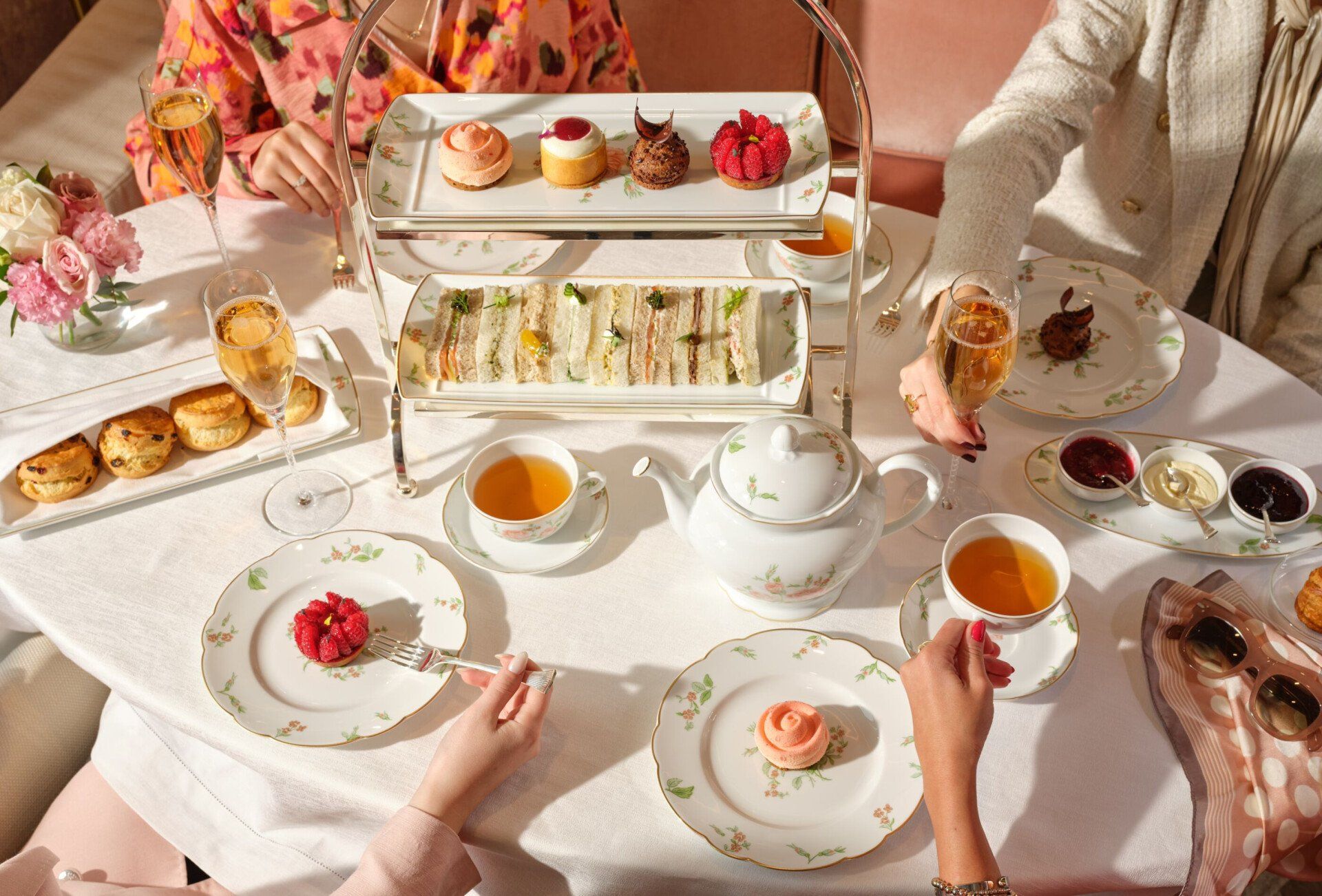
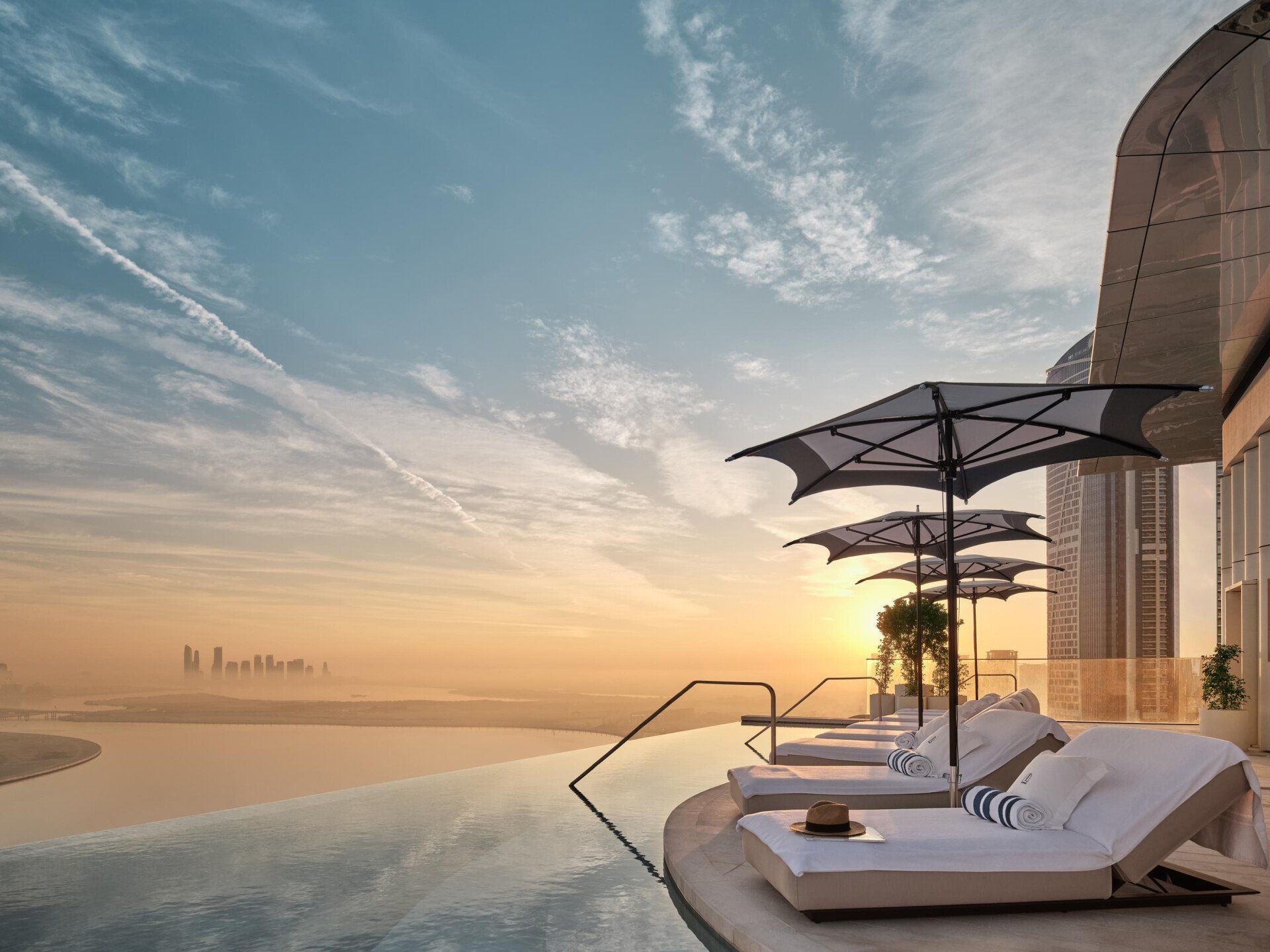
The property has equipped itself with distinctive experiential assets: the only Dior Spa in the Middle East, an afternoon tea ranked among the best in the city, a brigade of 130 professionals in the kitchens, and a rooftop named High Society with a panoramic view over the skyline. But these marks of excellence are only the setting.
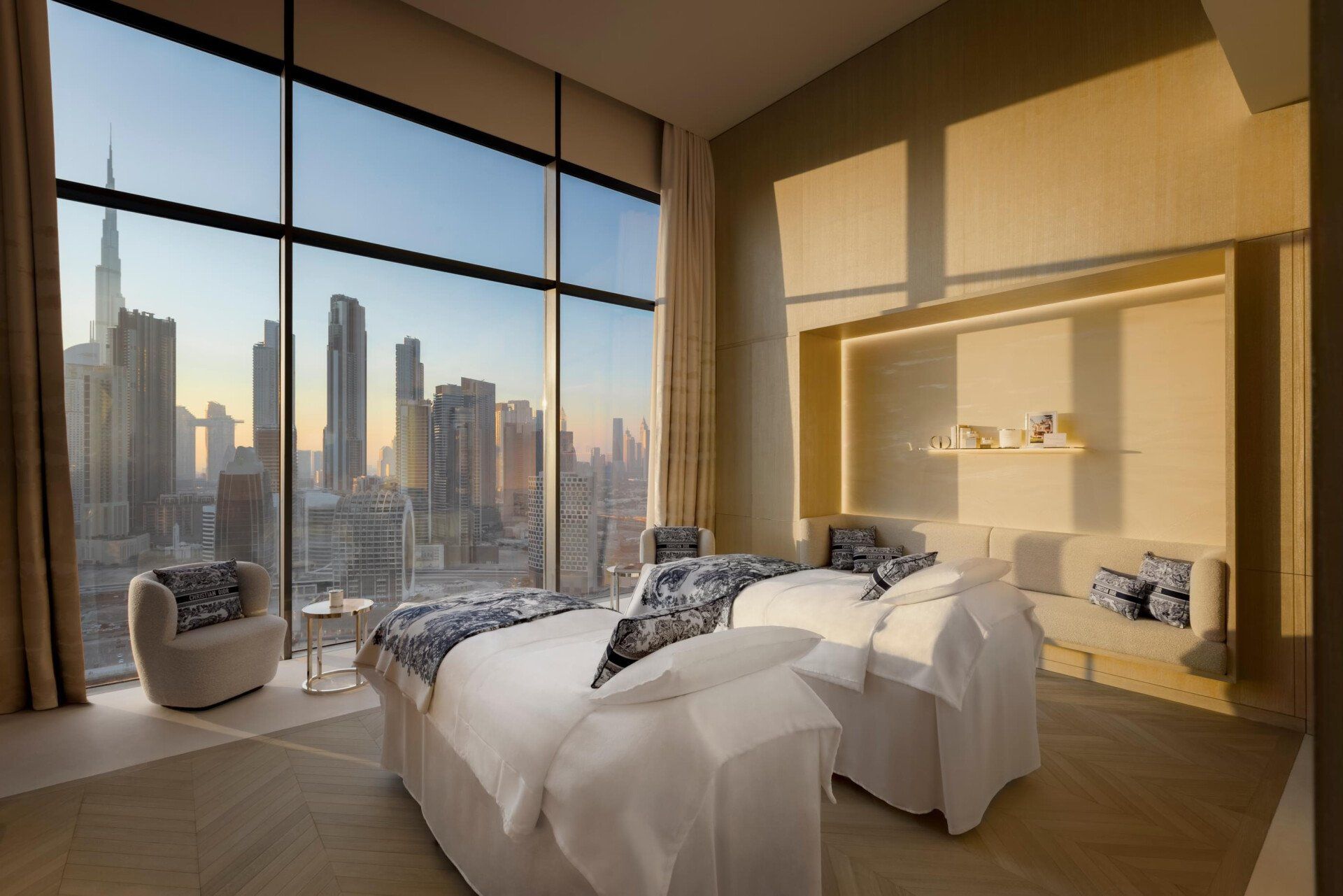
The essential, as Richard Alexander confirms, has not changed since the opening: to create a sanctuary. Many guests use that very word. They walk into The Lana and feel a deep calm, a detox after the intensity of the city. 225 rooms is large enough to offer a full palette of services, yet intimate enough never to feel like an anonymous palace.
Richard Alexander
I am convinced this is where the future of luxury hospitality will be decided. In an increasingly automated world, true scarcity will not be technological, it will be human. Sincere attention, real presence, an authentic relationship: this is what no artificial intelligence will ever reproduce. The Lana demonstrates it every day.
Laurent Delporte's reading
This conversation with Richard Alexander will remain one of those exchanges that confirm a deep conviction. The Lana pulls off the rare feat of differentiating itself durably not through excess, but through depth: depth of attention to the guest, depth of team commitment, depth of a management vision that is assumed and coherent. Operational excellence remains essential, but it is the quality of the human bond that turns a stay into an unforgettable memory and a guest into an ambassador. The more hotels invest in technology, the more generous hospitality, sincere and embodied, will become their true competitive advantage.
Key takeaways
Generous hospitality starts with the conviction that every guest is an individual. No script, no mechanical protocol: authentic attention, calibrated to what each person actually expects.
Technology can remove friction, but only people create the relationship. Information gives context to the colleague; it never takes the colleague's place.
The moments that rely on judgement, empathy and care should always belong to people. The greatest luxury is being understood, and that remains a profoundly human skill.
Training teams on the why rather than the how produces natural, lasting service, where protocol training alone produces only surface excellence.
In a market saturated with new palaces, lasting differentiation does not come from architectural spectacle but from the depth of the guest relationship.
The more hotels invest in technology, the more sincere attention paid to the other will become their true competitive advantage.
Share this article with a colleague, a client or a partner.
That is often how an idea enters a house, and then its habits.
What you say about it matters more than what I say.
A keynote, a mission, an article in the magazine: if my work has been useful to you, a few lines on Google are worth more than any argument.
Leave a review on Google →