
In luxury hospitality, renovating an iconic establishment is never simply an architectural project. It calls for a strategic vision, a reading of the market, and an ability to anticipate guests' future expectations.
Through the case of the Ritz Paris, this article offers an in-depth look at the challenges of hotel design, hotel interior design, and guest experience. Between preserving heritage and the need for innovation, the central question remains: how do you reinvent without betraying, and above all, how do you create lasting value for the operation?
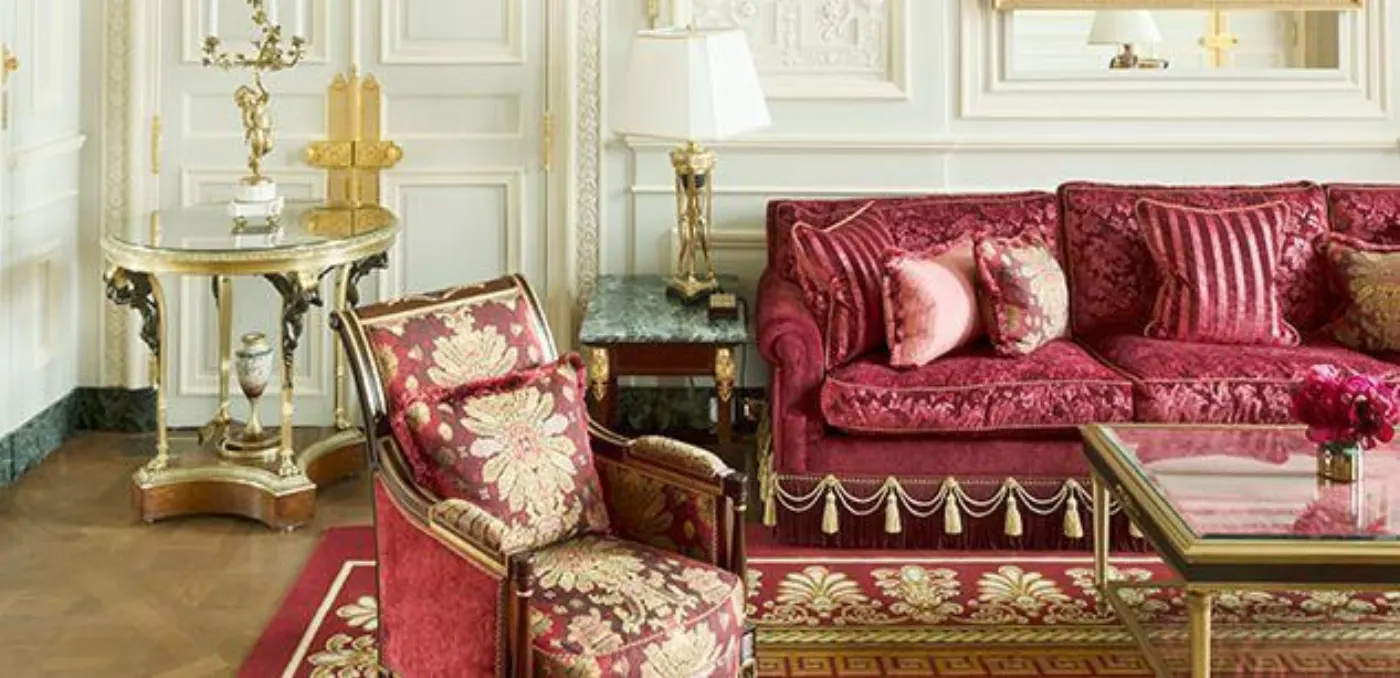
The Ritz Paris: restoring everything without changing anything
A hotel can certainly keep its identity, but it must also be able to reinterpret its offering of products and services. In any hotel design strategy, this ability to evolve is essential to sustaining economic performance and the relevance of the guest experience over time.
It must be able to evolve with its time, and especially with the years to come, because the investment involved is such that the owner will likely not make another one of this scale for another twenty years or so. Hotel renovation is therefore a long-term strategic act, one that directly affects the return on investment and the property's competitiveness.
The moment you open a hotel, you must already be thinking that it will still need to suit its clientele in 20 years and beyond. This is where guidance in hospitality strategy and hotel design truly comes into its own: anticipating future uses as early as the design phase.
Keeping a style unchanged creates the risk of becoming quickly outdated, a major risk in luxury hospitality, where innovation drives attractiveness.
Another change: the Ritz now boasts an expanded garden of 1,600 square meters. In an article for Vanity Fair, Thierry Despont, the architect who renovated the hotel, said of it: “The biggest surprise for guests will be discovering a huge garden. They will feel as though they are in the garden of the Palais Royal.” This example illustrates an approach to hotel design that favors an existing reference rather than creating a singular experience.
What we see here is a strong conservatism that, to my mind, runs counter to luxury. Because today, the hotel guest experience rests on the ability to surprise and to create something unique. Luxury, for the guest, means finding oneself in an exclusive place found nowhere else, a place where one can discover the very best being done. It is precisely this differentiation that underpins perceived value in luxury hospitality.
It's a shame the Ritz chose not to reinterpret the art of the French formal garden in 2016, a missed opportunity for strategic repositioning and international prominence. Doing the same thing as everywhere else does not, I believe, bring guests any new emotions. France is fortunate to have many talents marked by irreverence, creativity, and disciplined fantasy, who could have contributed to the hotel's renown. Bringing in contemporary designers is now a major lever in creating hotels that stand apart.
The world of design was waiting for a touch of modernity to draw inspiration from.
So why limit the scope of change in this renovation?
One might think this comes down to the investment required for a renovation. We are talking here about more than 400 million euros, a sum that fully justifies an in-depth strategic reflection on positioning and guest experience. When you have to renovate a hotel, keeping the style or changing it both generate new expenses either way. That is not what holds back innovation.
Hoteliers will often tell you that it is the guest who resists change. That's true, and it's also a convenient excuse for not taking risks. This perception often reveals a lack of clear strategy when it comes to hotel repositioning.
A hotel manager or an investor will worry about the consequences of closing the establishment, and also about how the reopening will be perceived by guests. These operational concerns are real, but they need to be built into the project as early as the design phase.
It is indeed a concern, because during the closure, regular guests will have picked up new habits and discovered other hotels. But there is no need to be afraid, because renovating a hotel always leads to a repositioning of its offering aimed at broadening its clientele. The Ritz's last renovation dates back to the 1980s. This time gap only heightens the challenge of adapting to new guest habits.
To me, what matters most in luxury hospitality is the ability to reinvent a hotel through its design, and to reinterpret the service delivered by the hotel's teams. They know how to satisfy a clientele that is always seeking new experiences and excellence. Consistency between hotel design and operational excellence is essential to creating a fully realized guest experience.
A vision that remains just as relevant today in luxury hospitality strategy.
The need to stand out in Paris in order to attract new guests
London is a destination where luxury hospitality is far more varied than in Paris, a diversity that amounts to a major competitive advantage. London's many palace hotels offer a plural art of hospitality, ranging from the most classic and traditional to the most “hype.” On one side you have the very classic Ritz London, embodying the opulence typical of the great British hotel tradition, and on the other the Rosewood hotel, offering urban, contemporary luxury within a classic building, or the Bulgari hotel, an elegant and glamorous take on luxury.
The richness of our heritage also lies in knowing how to innovate, in reinterpreting the quintessence of the French art of hospitality. A luxury hotel can be a perfect illustration of this creative universe. In luxury hospitality, you have to dare to reinterpret the past and bring in new aesthetic worlds. Some do dare, such as the Hôtel Le Crillon or the Plaza Athénée.
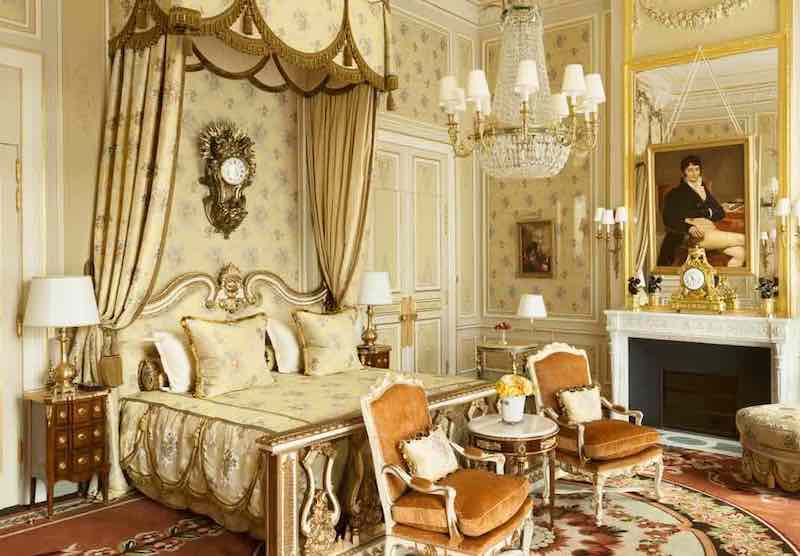
At the Ritz, in terms of decor, there is no real innovation that reflects the way guests live today. Everything is beautiful and beautifully executed, of course, but we might have expected a new vision for the Ritz, one that kept its tradition while adding a good dose of innovation, inspiring the whole world and becoming a global flagship of luxury hospitality, a key challenge of international leadership in the sector. That was the spirit of Monsieur Ritz.
Given the current climate, it remains essential for palace hotels to differentiate themselves from one another in order to attract new guests to Paris. Differentiation is becoming a strategic imperative in an ultra-competitive market. The Hôtel Le Crillon, for its part, chose modernity as a way to offer its guests exclusivity, a positioning that directly answers the expectations of an international clientele in search of unique experiences.
What to remember
The renovation of the Ritz Paris highlights a central challenge in luxury hospitality: finding the balance between heritage and innovation. While preserving identity remains essential, it is not enough on its own to guarantee an establishment's performance over the long term.
Designing a hotel must incorporate a comprehensive strategic vision, one capable of anticipating changes in guest experience and creating differentiation. For investors and operators, the challenge is clear: turn every renovation project into a lever for creating value, drawing on expert know-how in hotel design and hospitality. It is in this ability to think about the future starting today that the hospitality of tomorrow is being built.
Share this article with a colleague, a client or a partner.
That is often how an idea enters a house, and then its habits.
What you say about it matters more than what I say.
A keynote, a mission, an article in the magazine: if my work has been useful to you, a few lines on Google are worth more than any argument.
Leave a review on Google →