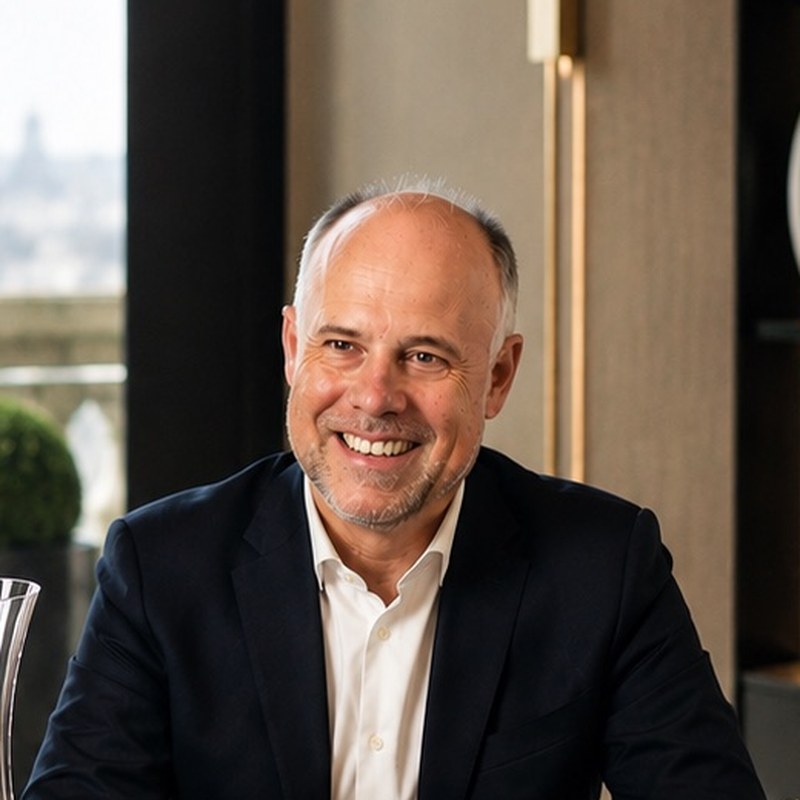
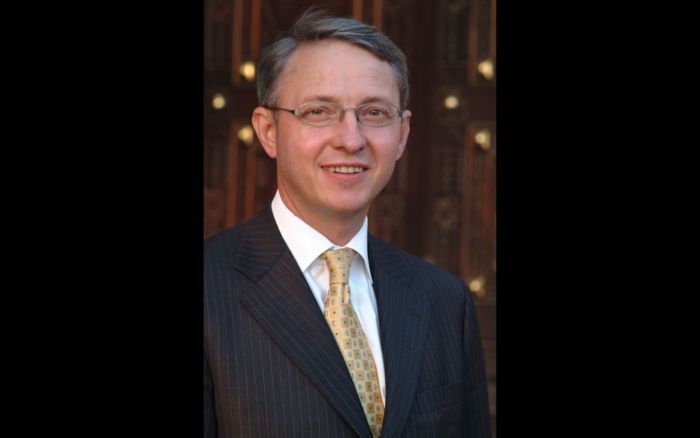
By Charles De Foucault, General Manager of the One&Only Le Saint Géran hotel
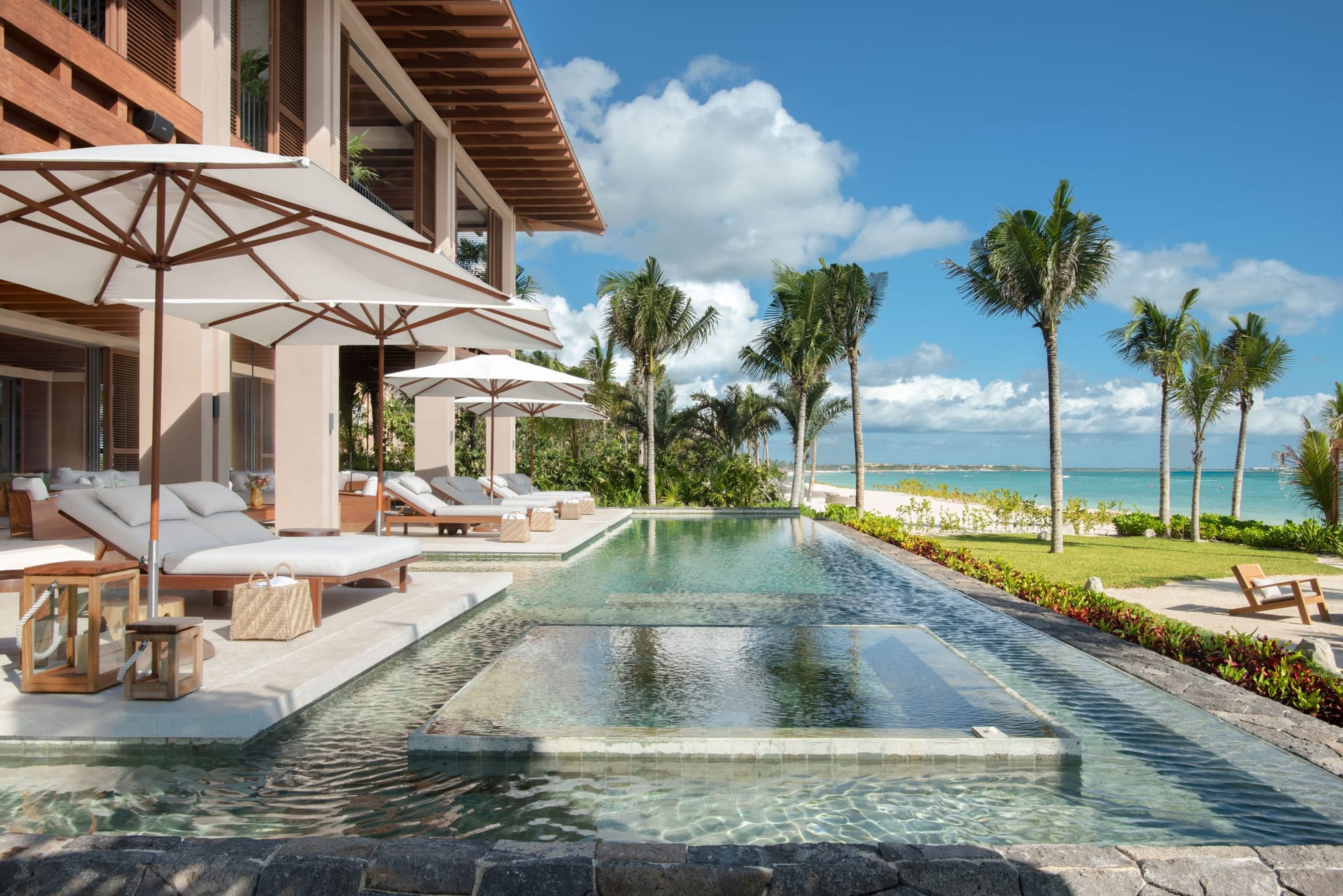
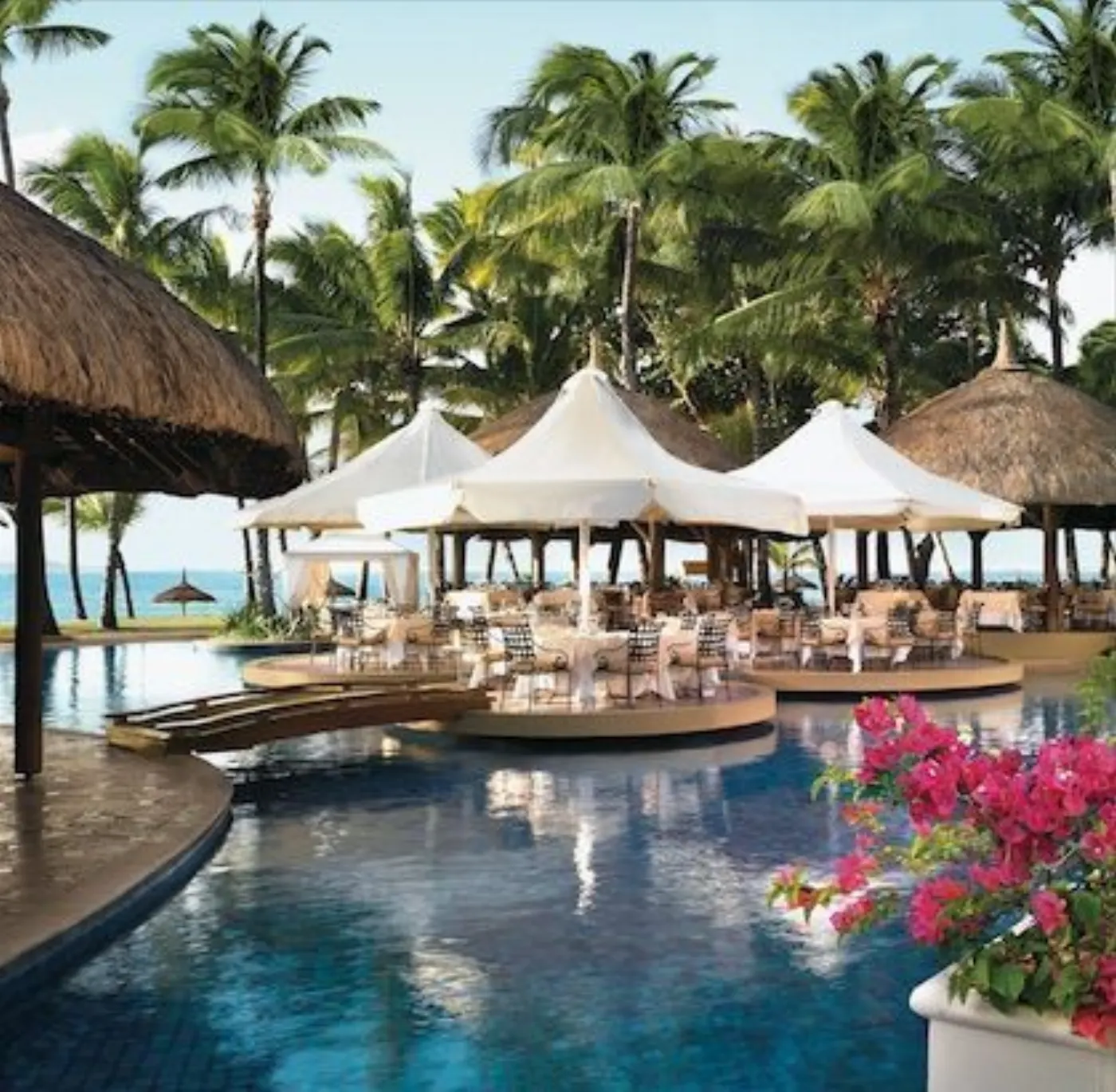
The One&Only Le Saint Géran hotel, located on the east coast of Mauritius, was for a long time, and for a very long time, the sole jewel among the island's five-star hotels. It was the first luxury hotel to establish itself on the island. Since then, many five-star hotels have settled in Mauritius, rivalling one another in beauty and exclusive service.
One&Only Le Saint Géran is a legendary hotel, so cherished by many families that children who grew up coming here now return with children of their own. Repeat guests are extremely numerous at this hotel, which makes the teams' work all the more demanding, since these regular guests are even more exacting and expect to be surprised at every moment.
I wanted to understand the keys to this hotel's success and discover the legendary side of the property. Here is what I learned from my conversation, dating back to 2015, with Charles De Foucault, General Manager of the One&Only Le Saint Géran hotel.
You have had a long career in luxury hospitality around the world, and you have discovered the art of welcoming in different countries. What is your vision of the art of welcoming in Mauritius?
The art of welcoming in Mauritius is the art of unplugging, of disconnecting, of finding yourself again at the hotel after fourteen hours of flying. The art of welcoming here is Mauritian simplicity, a return to one's roots, authenticity, warmth, the sea, and a sense of family. That is what makes it magical, what brings our guests back here, it feels like coming home, like going back to your grandparents' holiday house. Here, we are a family. Guests embrace staff members they have known for years. Our guests feel at home. I often say I have one owner of the hotel, and five hundred other owners besides. Whenever it comes to renovating the hotel, it is a real challenge. Our guests have a history with this place, and renovating it means touching their own memories and experiences.
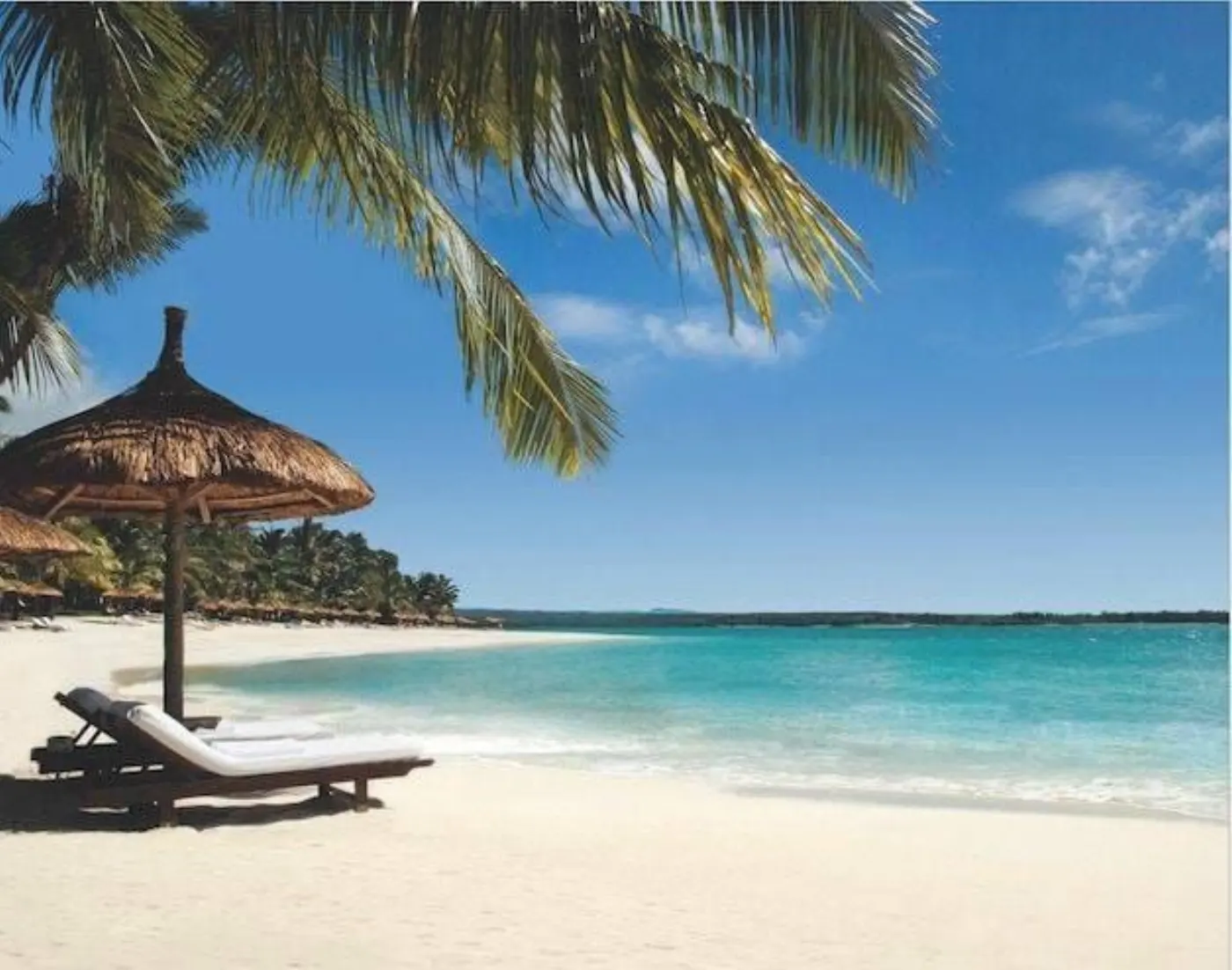
The art of welcoming in Mauritius is luxury itself: it is managing to give guests what they want before they even ask, with a perfect Mauritian simplicity, with a smile and the naturalness of someone doing it from the heart. Mauritians take real pleasure in serving, and they do it with heart.
What image does French-style hospitality have in Mauritius? How does it fit in, and how does it adapt?
We are fortunate to carry the French flag abroad. Mauritians consider that being French implies a knowledge of the French art of welcoming, whereas in France, not everyone, for instance, is an expert in wine. Here, we pass our know-how on to our Mauritian staff without ever breaking the Mauritian spirit. We have lost a little of that art in France, you only need to walk into a Parisian café to understand that we bother the waiter when we ask him to do his job! Not everyone is made to be at the service of guests, you need to have it in your heart, and when the guest gives it back to you, it is magical! We feel it at every level.

I believe that behind the luxury, there is a certain simplicity to the art of welcoming in Mauritius, and it must never disappear. When I arrived here, I saw that we placed Champagne in the rooms, and I did not understand the meaning of this gesture of welcome. After fourteen hours of flying, I did not see the pleasure of drinking Champagne. I enjoy it, but it has nothing to do with the authenticity of this place, of Mauritius. I had that changed, because guests come to Mauritius looking for something else. They already have Champagne in France! It feels cold to place a bottle of Champagne just because every other hotel does it. I want guests to walk into their room and think: I have arrived in Mauritius. We now offer an in-room tray that lets guests prepare, or have prepared, their own mojito! It is a fine example of the fusion between French and Mauritian arts of welcoming.
What developments do you see as important in the hotel industry? What is your view on the welcome offered at reception? What is your take on the welcome within your own hotel?
We are very traditional in our profession, and hospitality changes slowly. For me, human contact remains essential. The notion of service is tied to luxury. I am opposed to all these self check-ins and the like. We do have tablets and passport scanners, but everything is done in front of the guest, and very often at their own request. People come to Mauritius once a year. Our guests judge that what matters most is that the transaction happens in a pleasant place, in security, with full transparency. We are more flexible with our regular guests when it comes to deposits for their stay. Many transfer their money ahead of their trip.
Guests must be able to decide how they manage their own time. In traditional hospitality, everything was standardized, including the timing of service. At the restaurant, for example, staff used to decide how much time passed between the starter and the main course, then between the main course and dessert. It is almost absurd today to reproduce that kind of behaviour. Guests must be able to decide how much time they take, and we are here to listen to them.
When some hotels turn check-in into a whole ceremony, it drives me mad! For me, a check-in that takes more than three minutes is not acceptable. After fourteen hours of flying, guests want to reach their room as quickly as possible. Likewise, it is a sign of true luxury when guests arrive in their room and find their luggage already there. They should not have to wait for the porter to arrive, as unfortunately still happens far too often.
Once, at a five-star hotel in Moscow, I asked the manager if I could have an iron to freshen up my shirt. I wanted my shirt ready within thirty minutes, so I could get dressed right after my shower. I did not want to wait around for my shirt for fear of being late for my appointment. I wanted to avoid any situation that might create stress. The manager insisted that one of the housekeepers take care of it. So I explained to her exactly what I wanted, that the shirt be properly ironed and ready in thirty minutes. Embarrassed, she explained that the person in charge of ironing could not guarantee that timeframe. That is still troubling. If I can iron a shirt in thirty minutes myself, hotel staff should be able to do the same. Guests should not be bound by fixed schedules or long waiting times that diminish the quality of their stay. Who set all these rules in the first place? Sometimes we forget to listen to our guests. We do not need rules about timing set in stone, we need standards of conduct designed to satisfy the guest. In the end, the housekeeper made up for it, she decided to iron the shirt herself and brought it back to me in under thirty minutes. You should not have rigid rules about what to do or not to do, it is far better to have guiding principles aimed at satisfying the guest.
Share this article with a colleague, a client or a partner.
That is often how an idea enters a house, and then its habits.
What you say about it matters more than what I say.
A keynote, a mission, an article in the magazine: if my work has been useful to you, a few lines on Google are worth more than any argument.
Leave a review on Google →