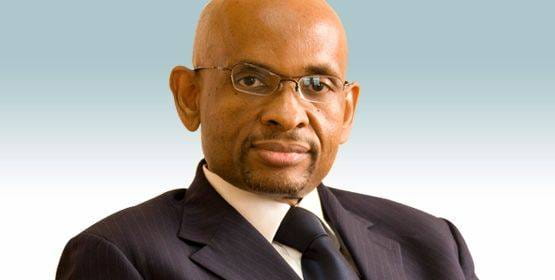
I met Mossadeck Bally, the founder of the Azalaï Group, in 2016 at the Hostelya Forum. What an entrepreneur! He built a hotel group in Africa that keeps on growing. The group meets the international standards of the hotel industry while carrying, above all, the traditional hospitality of West Africa, passed down from generation to generation. It is a strong point of difference from the other hotel groups present on the continent.
How did you come to hospitality? How does one decide to build a hotel chain called Azalaï in Africa?
It happened almost by chance. I come from a family of traders. After my baccalauréat, I went to San Francisco for business school, then joined the family business. We imported foodstuffs and were among the leaders in West Africa. Over time, I began to feel I was not bringing real added value, even though I learned a great deal during those years. My father was a remarkable businessman and trader, and he passed his know-how on to me.
So I looked for a way to diversify. At first I thought about a mango juice factory in Mali, then friends of mine, suppliers among them, told me to look at hospitality, since nothing had really been done there yet. I seized the opportunity of a tender launched by the Malian state in 1993 for the privatization of the two largest hotels in Bamako. I set up my own company at that moment and applied to run the Grand Hôtel. Thanks to a loan from the IFC, the private-sector arm of the World Bank, we were able to renovate the hotel and buy a second plot of land to build a second one. In 2004, we took part in another tender in Burkina Faso, where we took over the Hôtel de l'Indépendance, then in 2007 the Hôtel du 24 Septembre in Guinea-Bissau, and in 2008 the Hôtel de la Plage in Benin.
Why did you choose to create the brand ‘Azalaï’? Where did the name come from?
By 2005, we had these two hotels in Bamako, the Grand Hôtel and the Hôtel Salam, which we had built ourselves, along with the Hôtel Indépendance in Ouagadougou. I am an investor in hospitality, it is true, I am not a hotelier myself, so I brought in professionals to manage the properties. I did not want to sign management contracts with international hotel chains. All it takes is recruiting good, qualified professionals. That is when I decided I needed to build my own brand.
I hired a communications agency and asked them to find us a logo, a name and a slogan, after presenting our vision. I explained that we did not want to be mere investors. We felt there was a growing demand for African-born hospitality, and we wanted to develop independently. The agency came back with several proposals, and I chose Azalaï, which means the caravan. The name evokes the continent's magnificent landscapes: it was the name of a trade route that once crossed the Sahara. The traders who led the caravans along the Azalaï route were known for their hospitality and generosity.
I come from a small village in the Timbuktu region, where the ancestral activity was to travel to the salt mines and bring back slabs of salt to Timbuktu, to trade for food. That is where our attachment to the name Azalaï comes from. Our slogan is 'Africa welcomes you', because we wanted to put Africa itself into our hotels.
What is your vision for the group in ten to fifteen years?
To keep growing. There is a real shortage of hotel infrastructure across the African continent. Demand is very strong, the middle class keeps expanding, and despite periodic crises such as Ebola, Africa keeps attracting more investors. Our ambition is to finish covering the WAEMU zone, the West African Economic and Monetary Union. We are present in every member country except Togo, where we are currently exploring opportunities. After that, we want to establish ourselves in English-speaking West Africa. We have begun exploring Nigeria, Ghana and Liberia. Over the next ten years, our ambition is to be present in every ECOWAS country. In three months we open in Mauritania, in six months in Côte d'Ivoire, then in Guinea-Conakry in 2018 and Senegal in 2019.
What does African hospitality mean to you?
Africans, generally speaking, have hospitality in their blood. Welcoming someone is always a great occasion here. It is cultural and sociological. Receiving people well truly matters. Even the poorest families are ready to give everything to welcome their guests properly. It is a cultural trait, and we try to translate it into the way we welcome our own guests. That is precisely the difficulty and the challenge: how do you take a sociological reality and turn it into a process? It is a genuine challenge, because on one hand, this hospitality is offered naturally, with no expectation beyond the gratitude of the person you are receiving, while on the other hand, it is our business, we do it in exchange for payment, it is our work. We juggle between these two dimensions. We have also made a choice not to standardize our offering, or at least to keep standardization to the strict minimum.
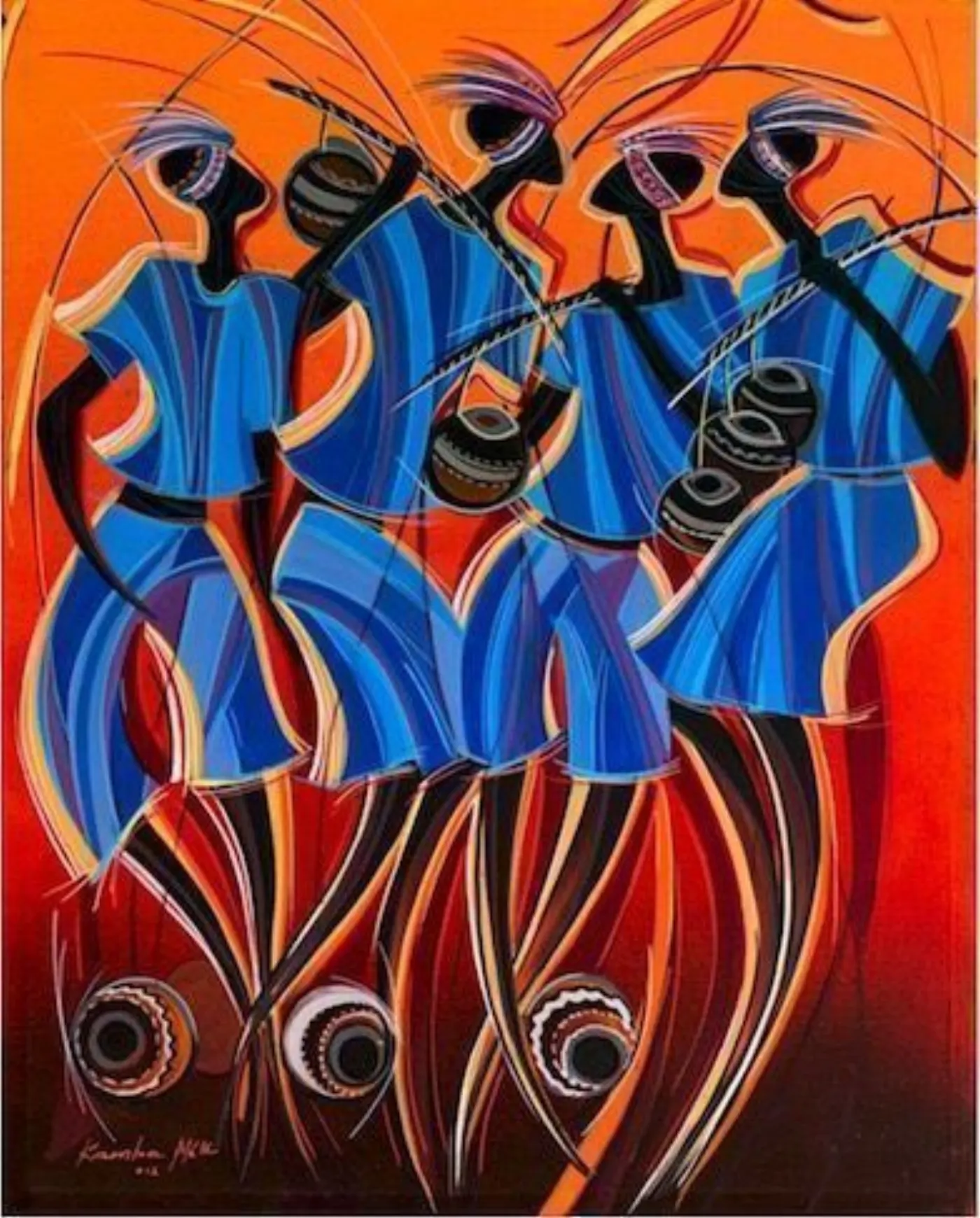
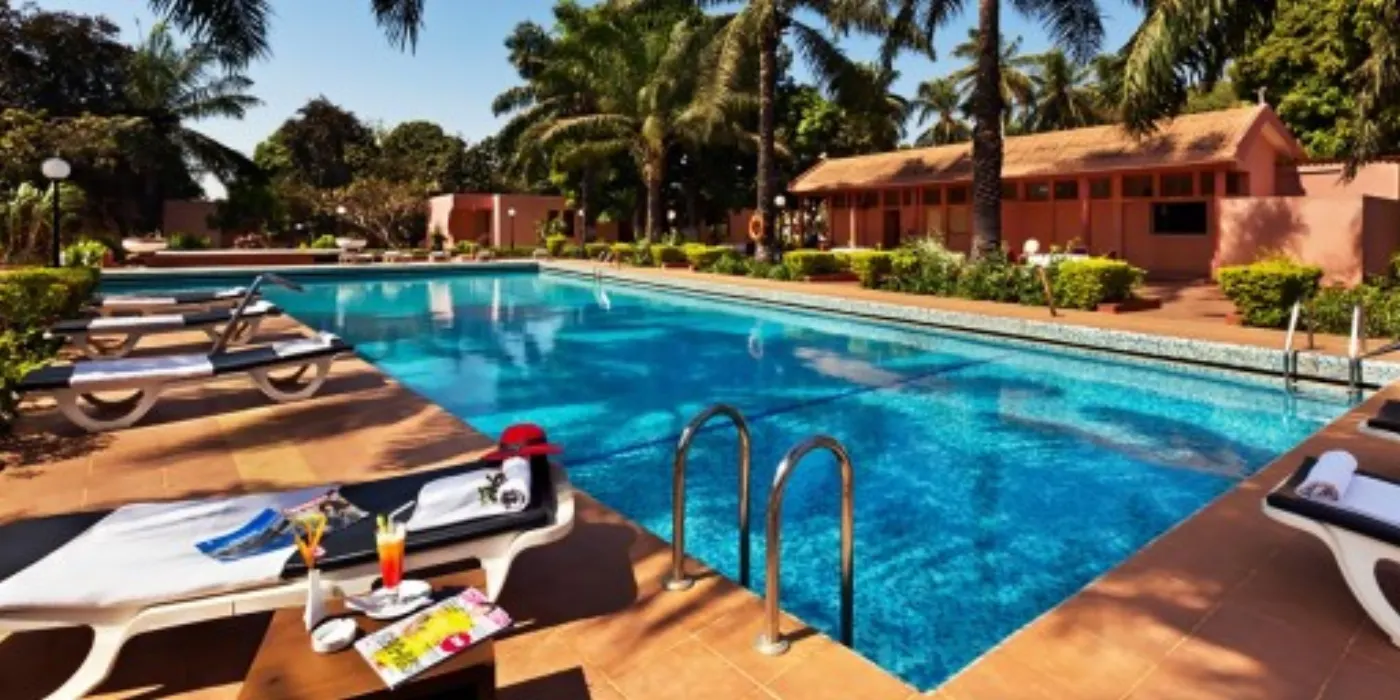
Some standardization is unavoidable, because guests want a functional room and bathroom, wifi that works, and to find the same services wherever they stay. But around all of that, we can add the specificity of each country, its terroir, its people. Within the Azalaï hotels, we have twelve identity markers. For instance, we welcome our guests with a glass of mint tea. We serve coffee from our own countries and one or two African dishes on our buffets. We also have a Moroccan lounge and a bar lounge in our hotels. Each time we build a new hotel, we ask our architects and engineers to bring authenticity and an African touch. We also promote culture: we exhibit painters in our public spaces.
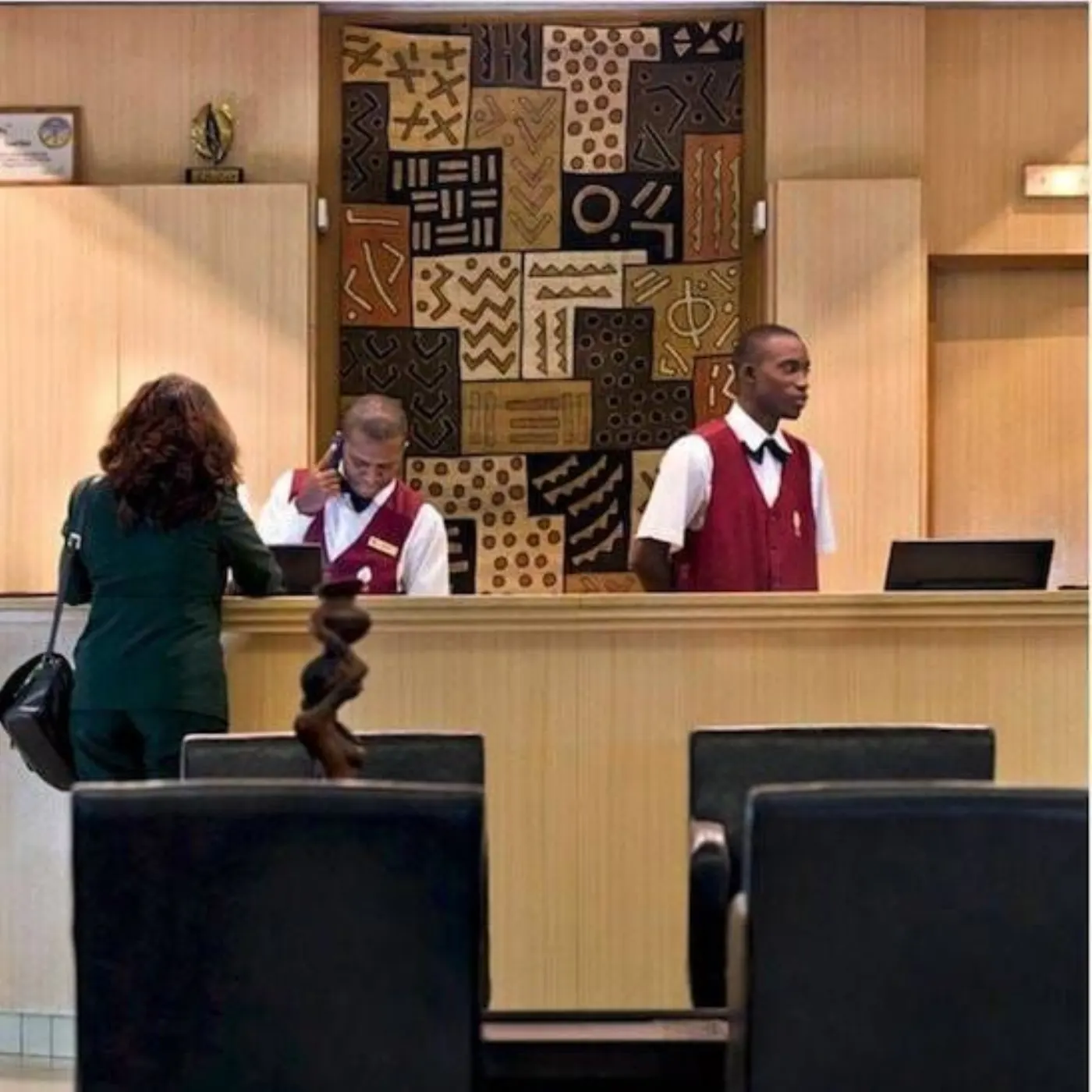
We try to use African fabrics and African patterns for the uniforms of our receptionists and doormen.
Share this article with a colleague, a client or a partner.
That is often how an idea enters a house, and then its habits.
What you say about it matters more than what I say.
A keynote, a mission, an article in the magazine: if my work has been useful to you, a few lines on Google are worth more than any argument.
Leave a review on Google →