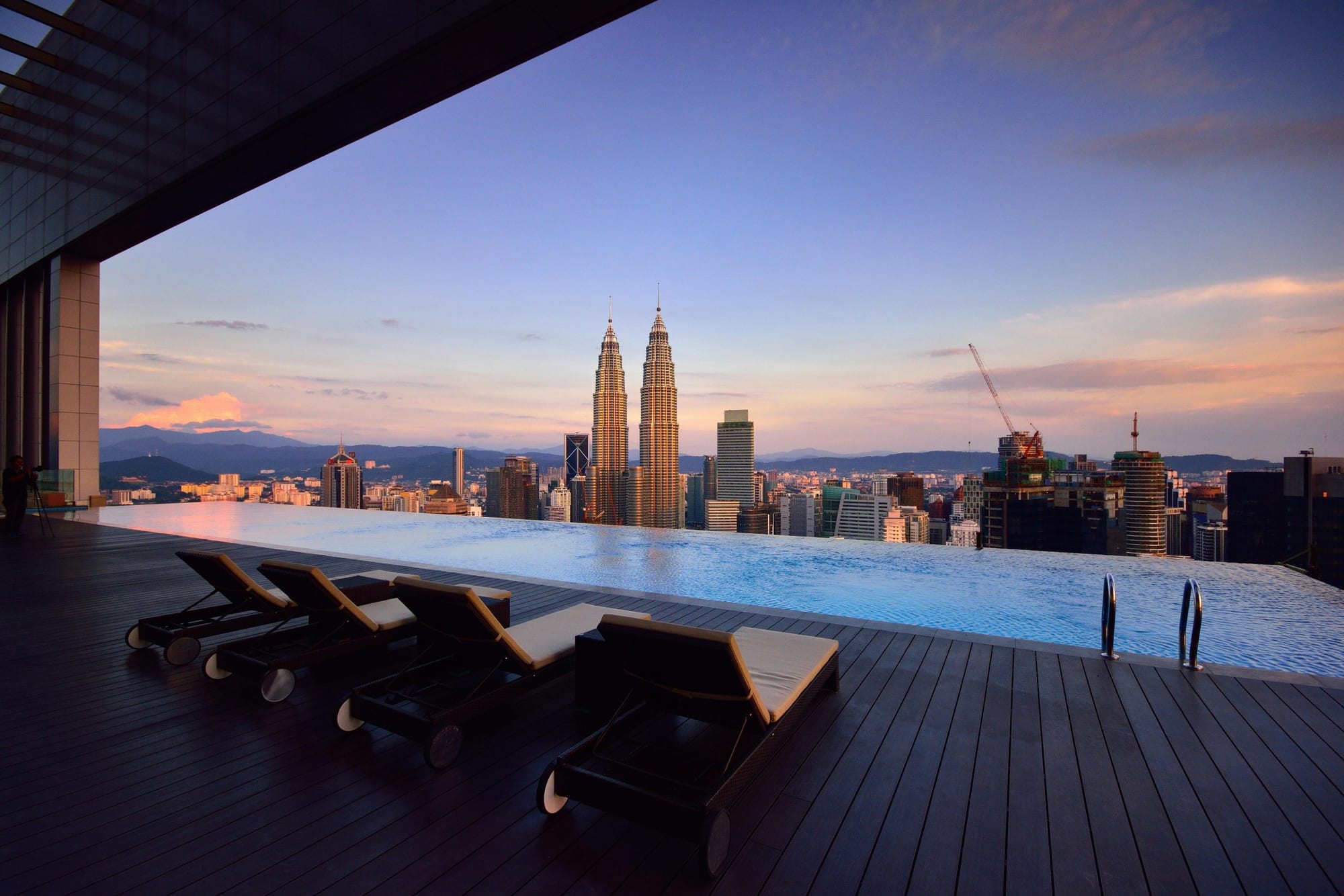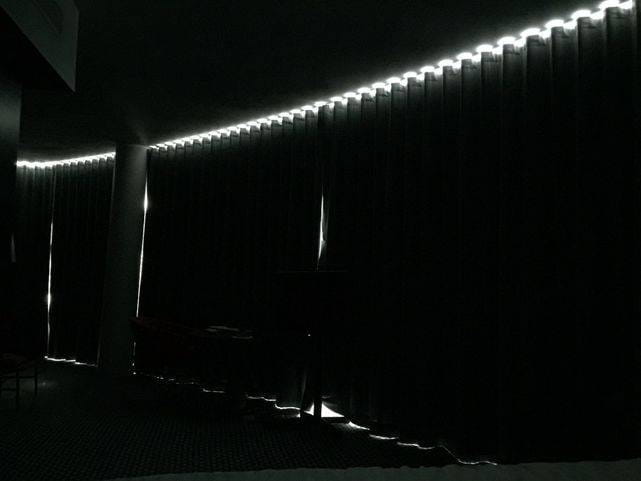
Luxury hotels must know how to create relaxed and intimate environments for their guests, whether in the lobby, the bar, the restaurant or the room. They must create a different atmosphere depending on the time of day.
But behind this obvious statement lies a major strategic issue: light is not simply a matter of comfort, it shapes the guest experience and fully contributes to how a place is perceived.
Lighting ambiance is an important element in hospitality. You need proper guidance to think through all these questions for your hotel, and to plan them well in advance when renovating or building your property.
This is precisely where my role in project ownership assistance takes on its full meaning: bringing the guest experience into the design from the very start, making sure every technical choice serves an emotional and strategic intention.
From design to experience: moving beyond aesthetics
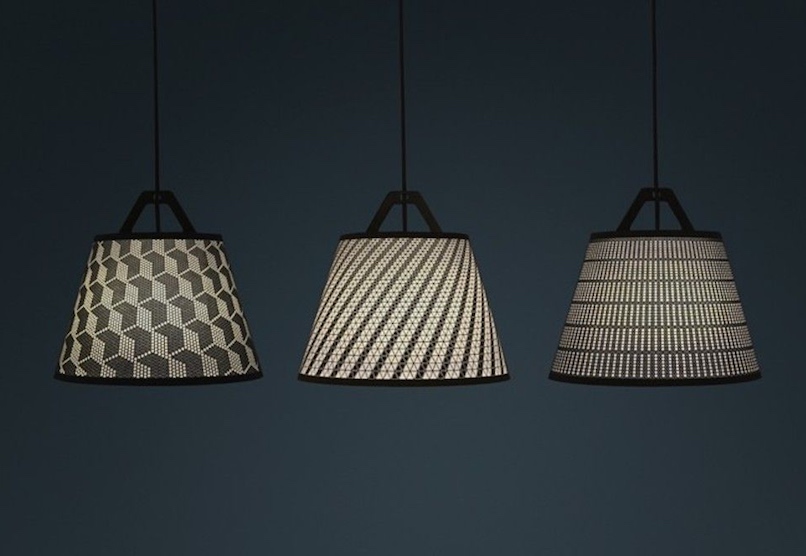
Design also tends to take over from functionality. Most luxury hotels reach for the most spectacular chandeliers to dazzle their guests. This is the case in Asia, where every hotel fits incredible chandeliers in its lobby and meeting room. It has become a race toward the gigantic.
But this approach is reaching its limits today. Emotion no longer comes solely from the spectacular, but from the overall coherence of the guest experience.
The question is no longer "which light fixture should we choose?" but "what lighting experience do we want guests to live?"
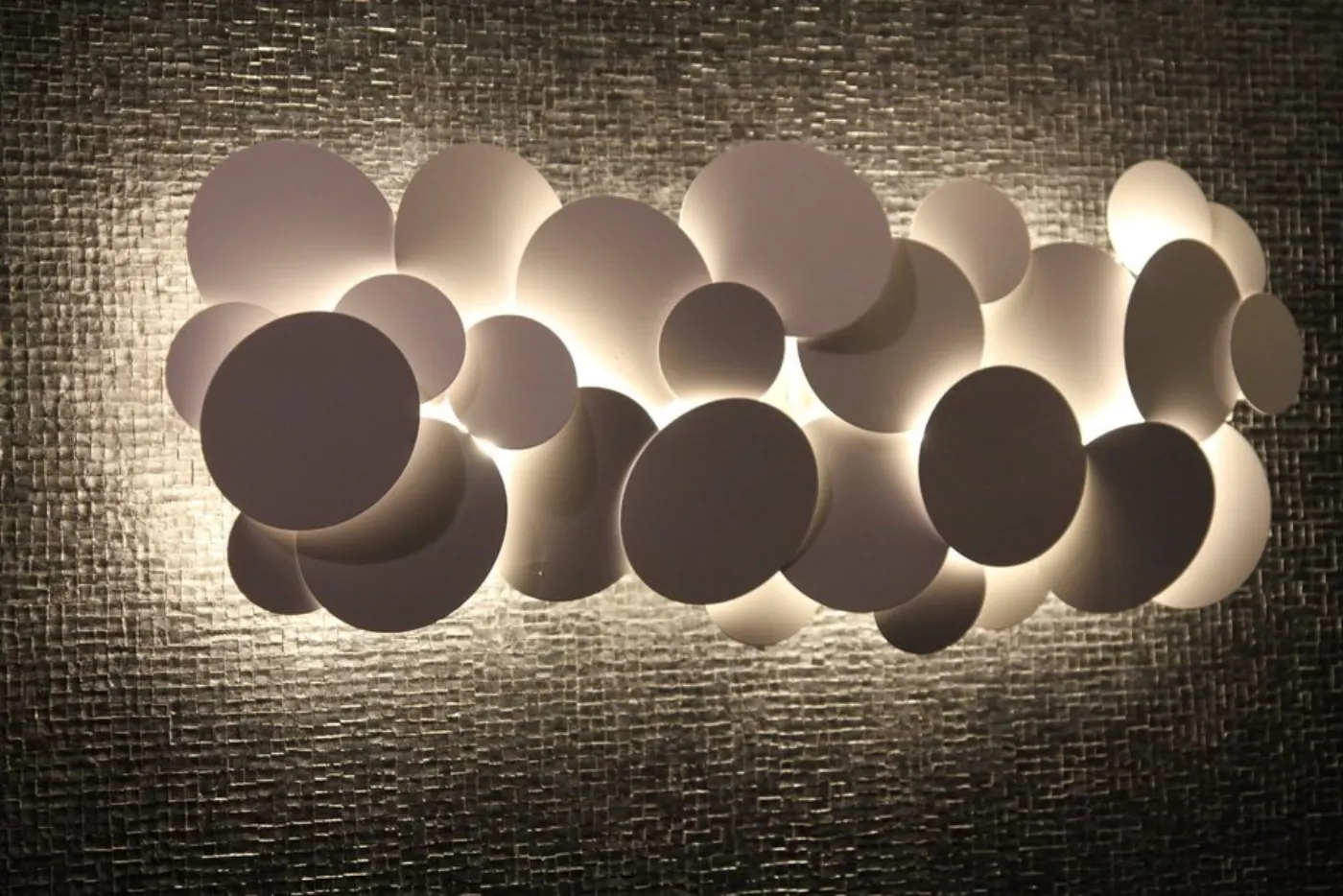
Thinking of light as a living scenario
A lighting ambiance is prepared well in advance. The seasons naturally influence how light is perceived: the sun does not set at the same time year-round, brightness varies with the weather, and a guest's emotional state evolves throughout the day.
It is therefore essential to plan dynamic lighting scenarios, able to adapt to the rhythm of the place and of its guests.
Surrounding yourself with a lighting professional is essential, but it is not enough on its own. The real challenge lies in the ability to orchestrate these areas of expertise to create a coherent vision of the place: a vision that connects architecture, uses and emotions.
It is also possible to personalize ambiances according to events or seasons. Christmas, for instance, lends itself to specific lighting that immediately immerses guests in a distinct world.
These moments are powerful opportunities to reinforce the sense of place, a pillar of generous hospitality.
Exterior lighting: the first signature of a place
It is essential to think about the exterior of the building. Lighting can mark its location and assert its positioning.
Well-designed lighting becomes a strong visual signature, almost a silent invitation.
The exterior is often a guest's first impression of the hotel. It must spark desire, awaken curiosity and make people want to walk in.
In a logic of overall experience, a guest's arrival begins well before they cross the threshold. Light plays a decisive role here in staging the place.
The sign itself is a strategic subject, often underestimated. It must fit into a coherent narrative, connected to the history of the building, whether heritage or contemporary.
The room: a space of regeneration
Light is a source of wellbeing, particularly in the room and the bathroom. Light therapy can contribute to a guest's regeneration, whether they are travelling for leisure or business.
In an approach of generous hospitality, the room becomes a space to recharge, where light accompanies the guest's biological and emotional rhythms.
Every guest has different preferences. Some favour dimmed lighting, others more dynamic ambiances.
In luxury, it is essential to offer choice. Modular systems should therefore be integrated to make it easy to adapt lighting scenarios.
But this personalization must remain intuitive: guests should never need an instruction manual. Ease of use is an essential condition of perceived quality.
Light and sustainability: an issue for the future
The choice of light fixtures is also a lever for embracing responsible practices.
Beyond energy performance, the entire design of a project must factor in sustainability: the lifespan of equipment, maintenance, consumption, but also the impact on human wellbeing.
A strategic approach in service of places
In my work with clients, light is never treated as an isolated subject. It fits into a global reflection on the guest experience, connected to the architecture, flows, uses and identity of the place.
My role is to help project owners ask the right questions early on, structure a vision, and select the right partners to bring that ambition to life.
Every hotel, residence or public venue project requires a tailored approach, able to reveal the potential of the place while respecting its history or asserting its modernity.
What to remember: restoring meaning to light
Thinking about light means thinking about the experience. It means giving meaning to a place, creating lasting emotions, and grounding hospitality in a deeply human dimension.
In a context where standards keep multiplying, the difference is made in these invisible yet essential details.
Light then becomes a language, able to tell a story, guide the guest, and turn a simple stay into a genuine experience.
Share this article with a colleague, a client or a partner.
That is often how an idea enters a house, and then its habits.
What you say about it matters more than what I say.
A keynote, a mission, an article in the magazine: if my work has been useful to you, a few lines on Google are worth more than any argument.
Leave a review on Google →