Interview with Réda Amalou
When Architecture Becomes the First Gesture of Hospitality
In luxury hospitality, the guest experience does not begin at reception. It starts well before that, from the very conception of the place. The architecture, the volumes, the materials and the relationship to the landscape all contribute to creating what might be called a first emotion, often silent, but decisive.
Through my projects and my conversations with architects, I have come to appreciate just how essential this collaboration is. Designing a hotel is not simply a matter of imagining a beautiful space, but of thinking through a complete experience, where every element contributes to creating meaning. It is precisely in this interplay between architectural vision and guest experience that the success of a hospitality project is decided today.
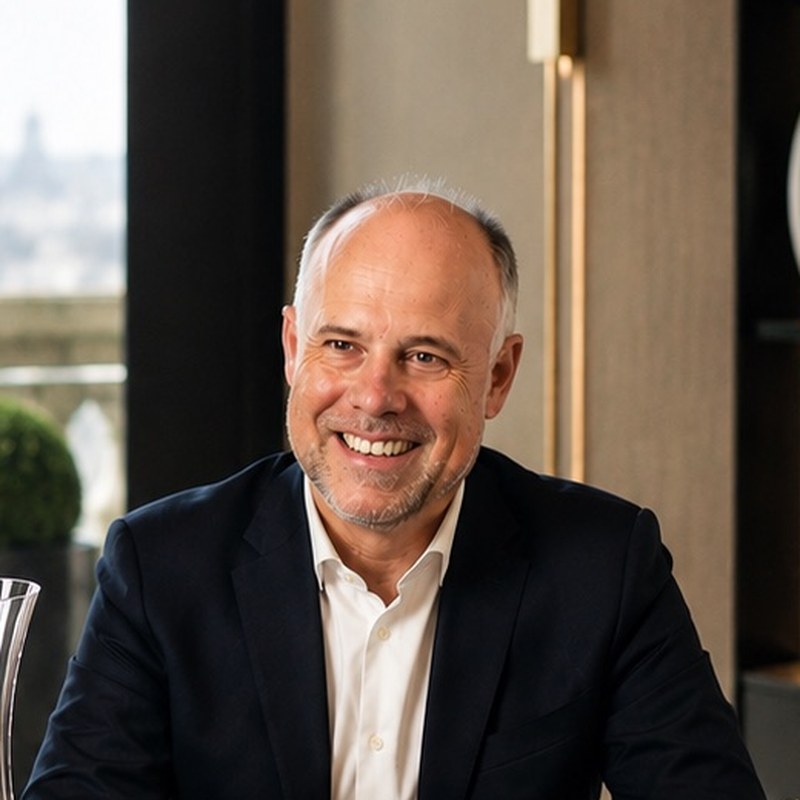
The interview with Réda Amalou, cofounder of the AW2 agency, fits squarely within this reflection. Through his work for brands such as Six Senses and Four Seasons, he has developed an approach in which architecture becomes a true language, capable of connecting the guest to a place, a culture and an environment.
The idea of 'being somewhere other than home' then takes on its full meaning. It is not a mere stylistic effect, but a precise construction, in which sense of place becomes a fundamental pillar of the experience. The place is no longer a backdrop, it becomes an experience in itself.
This vision aligns fully with what I champion through generous hospitality: creating coherence between the place, the teams and the guest, to offer a sincere, grounded and memorable experience.
What Do You Mean by This Notion of 'Being Somewhere Other Than Home'?
Today's traveler is well informed, and feels less need to be reassured by the hotel environment. The idea of travel is now internalized by guests, who actively seek out this 'new experience'. This is even more true in luxury. So the notion of 'being somewhere other than home' carries real weight today. It is at once the journey, the discovery and the desire to live a memorable moment. That is why hotels compete with such imagination to invent this 'new experience'.
In our luxury hotel projects, we work to strengthen the spirit of the place in order to create a bond between the traveler and the site that goes beyond the hotel itself. The project belongs to a region, a country, a culture, a climate. It is the interpretation and juxtaposition of these contexts that gives the project meaning and, above all, that weaves these ties to the place. In this way, the notion of being elsewhere becomes powerful, connected to a local culture, sometimes distant and sometimes close, but one with which guests will feel a privileged contact for a time.
Can You Give Us an Example of One of Your Projects That Reflects This?
In the Nam Hai project (a GHM hotel) in Hoi An, Vietnam, this approach is very visible. We worked to reinterpret traditional Vietnamese architecture and translate it into contemporary architecture. The Suites are designed on the model of peasant houses, with their three identified spaces: stable, living space, kitchen. We reinvented them as a day space (indoor, outdoor), a night space and a bathing space (indoor, outdoor).
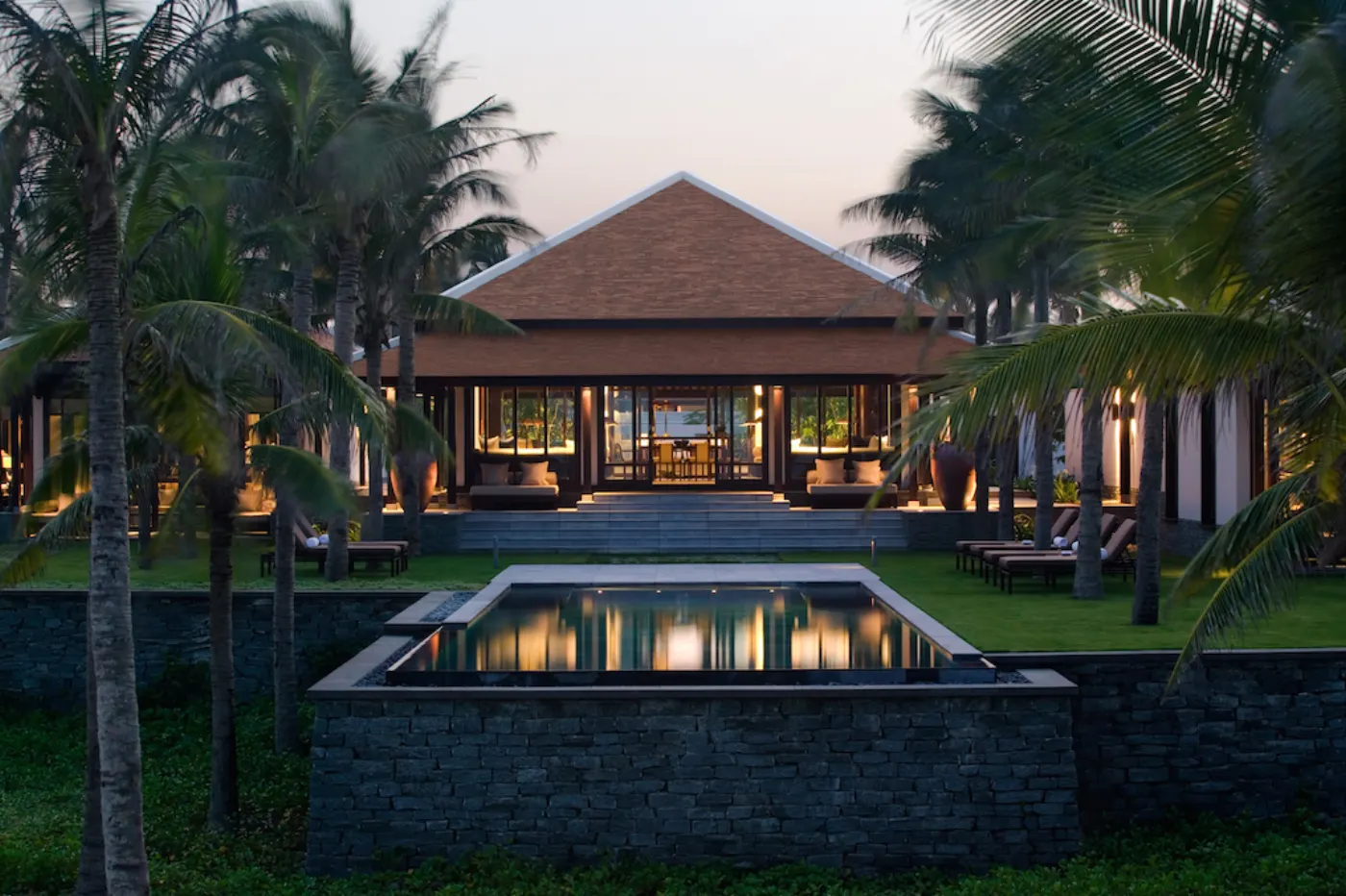
The form remains, but the meaning is altered to strengthen the connection with the outdoors. The night space, too, is treated as a central platform that brings together all the functions of a hotel room: sleeping, an integrated desk, resting, bathing. Traditional codes call for very little furniture, and the main element is the bed/platform on which one sleeps, eats, talks. In this case, our reinterpretation keeps the meaning but changes the form.
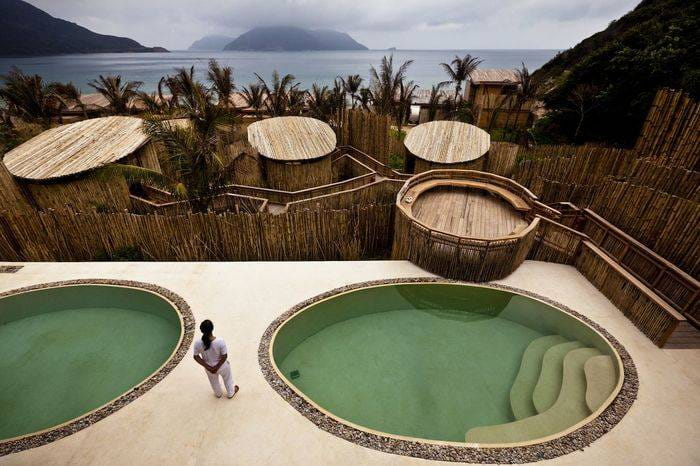
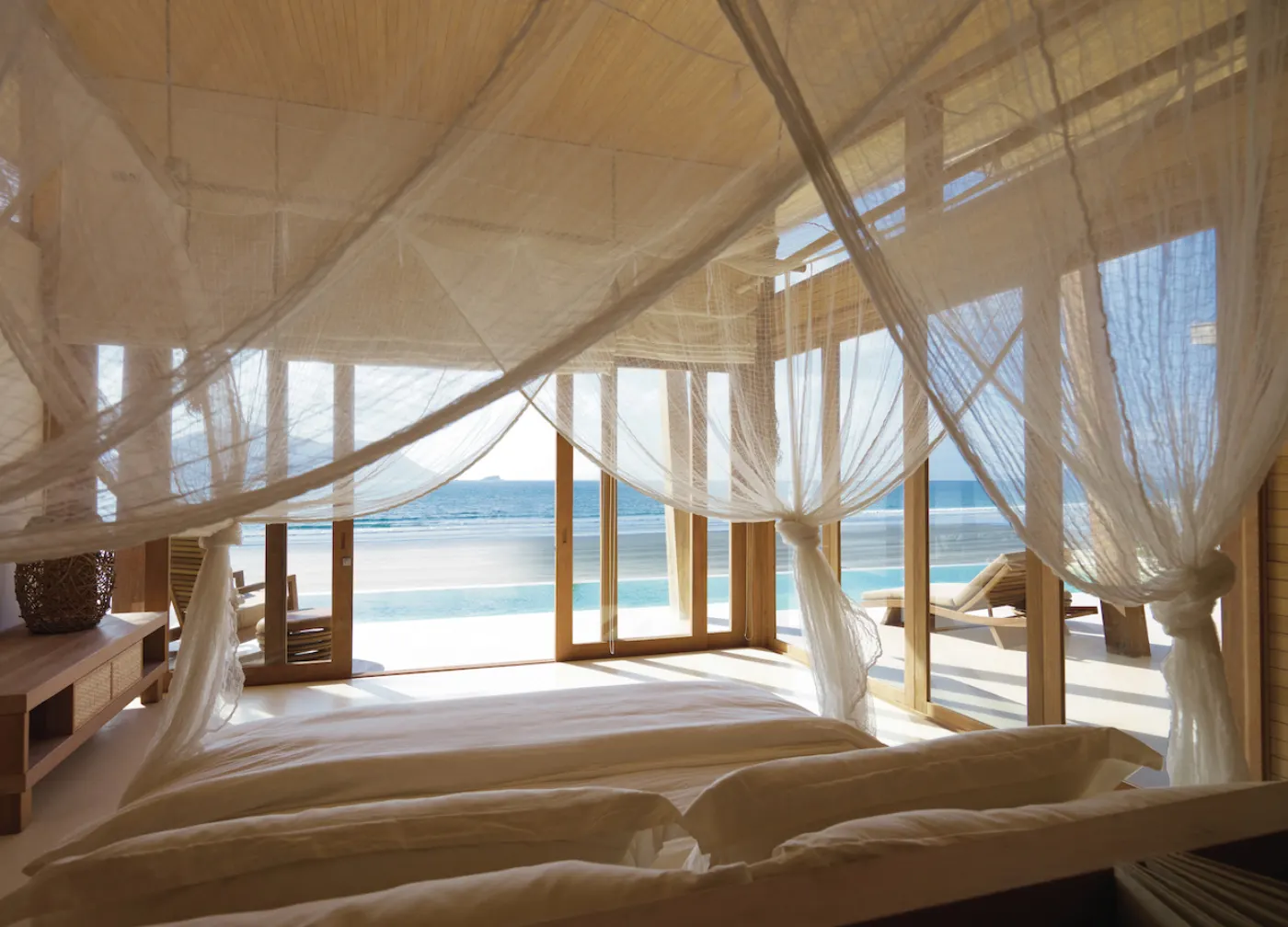
At Six Senses Con Dao, on the other hand, our work centered on the timber frame (a craft nearly extinct in Vietnam), on nature and on the reuse of old elements (2,000 old doors and shutters). You can see that the approach is the same, yet the project can be very different. That is what makes this approach so rich.
Do You Believe That the French Art of Hospitality Contributes to This 'Somewhere Other Than Home' for the International Clientele of Grand Hotels? Are Your Projects Marked by This French Art of Hospitality, Given Your Own Background?
I believe the French art of hospitality is an internationally recognized expertise. It is a great strength, since it allows French brands to shine around the world. That said, it is a model tied to French culture, and it takes on its full meaning in France.
If we can select certain 'traits' of this expertise for our projects, we will not hesitate to bring them into a different context, whether cultural or otherwise.
My culture is French above all, that much is certain. It is also Algerian through my origins, and English through my education. I therefore very early on developed a kind of 'cultural permeability', and I look at the world through that lens. I believe our work at AW2 carries that same permeability. We strive to bring together the different cultures we come into contact with in our projects.

Réda Amalou is an architect and designer. He studied in London, where he graduated from the University of East London. In 1997, he founded AW2, an architecture and interior design agency, in Paris. The Nam Hai was the first luxury hotel designed by AW2. Since then, the agency has designed numerous hotel and resort projects for brands such as GHM, Six Senses, Four Seasons and Alila. With AW2, Réda Amalou has always chosen to design architecture and interiors together, at the same time. Recently, this approach has extended to the creation of furniture and objects. He has also created designs for Baccarat and Toulemonde Bochart, and is currently developing several projects for other design publishers.
Architecture as the Foundation of Tomorrow's Hospitality
Through this conversation with Réda Amalou, one conviction is confirmed: architecture is no longer a mere setting in luxury hospitality, it is one of its foundations. It structures the guest experience, shapes how spaces are used and contributes directly to guest perception.
The notion of sense of place, evoked throughout his projects, is essential today. It creates a deep connection between the guest and their environment, one that extends well beyond the stay itself. It is this capacity to root the experience in a territory, a culture and a history that makes the difference between a successful hotel and a place that truly leaves its mark.
In my own practice, this collaboration with architects lies at the heart of the projects I support. It makes it possible to anticipate operational challenges, structure the guest experience and avoid inconsistencies that are often costly in the long run.
Ultimately, designing a hotel today means thinking in terms of balance. A balance between aesthetics and use, between emotion and functionality, between creative vision and operational reality. It is in this convergence that a hospitality capable of lasting and leaving its mark is built.
Share this article with a colleague, a client or a partner.
That is often how an idea enters a house, and then its habits.
What you say about it matters more than what I say.
A keynote, a mission, an article in the magazine: if my work has been useful to you, a few lines on Google are worth more than any argument.
Leave a review on Google →