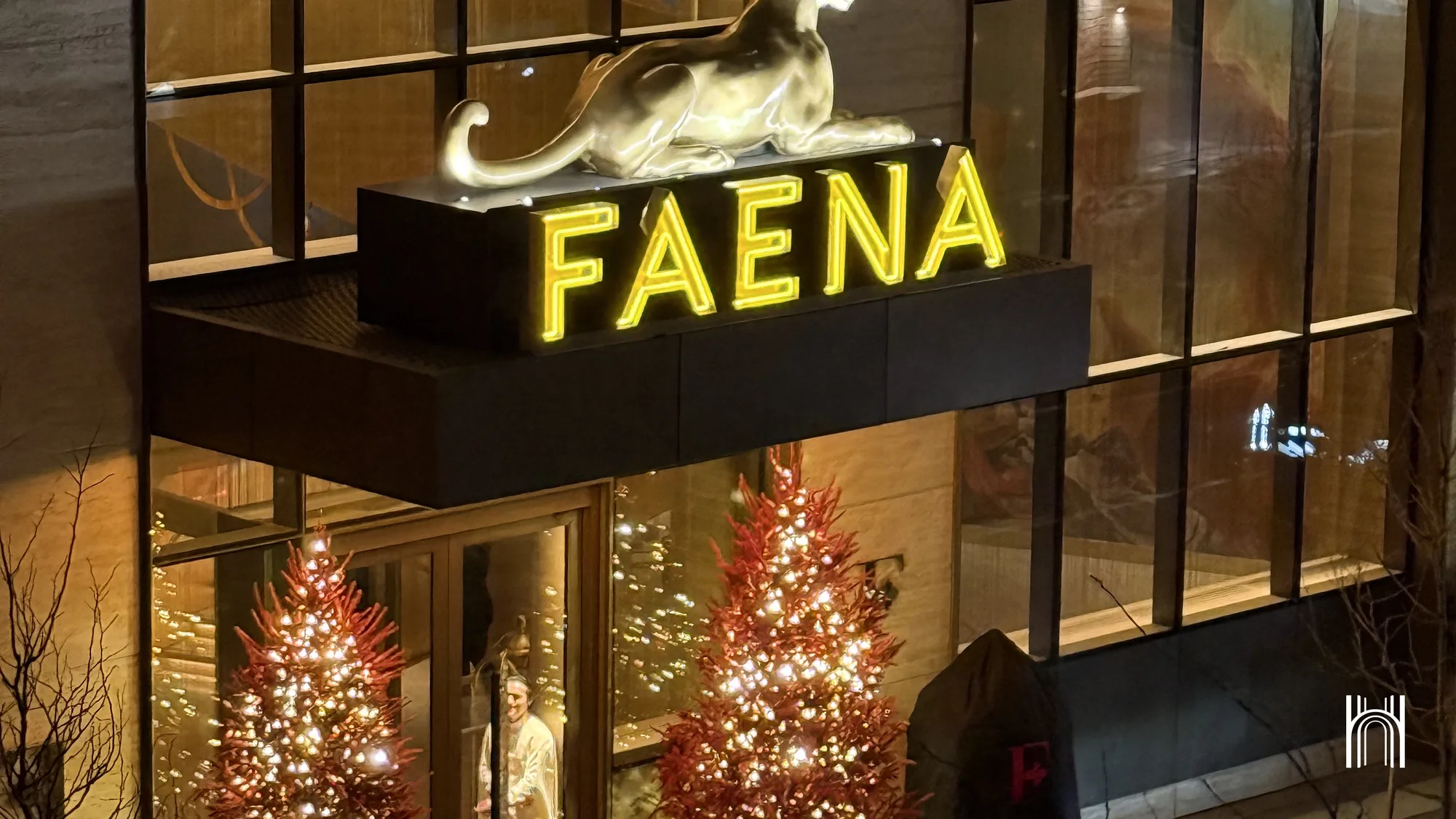
Visiting Faena Hotel New York was driven by a precise intention. This new hotel, recently opened in New York, draws attention through its ambition to offer a different reading of hospitality. A contemporary vision, focused on experience, but above all on the emotional and almost spiritual impact of the place on its guests.
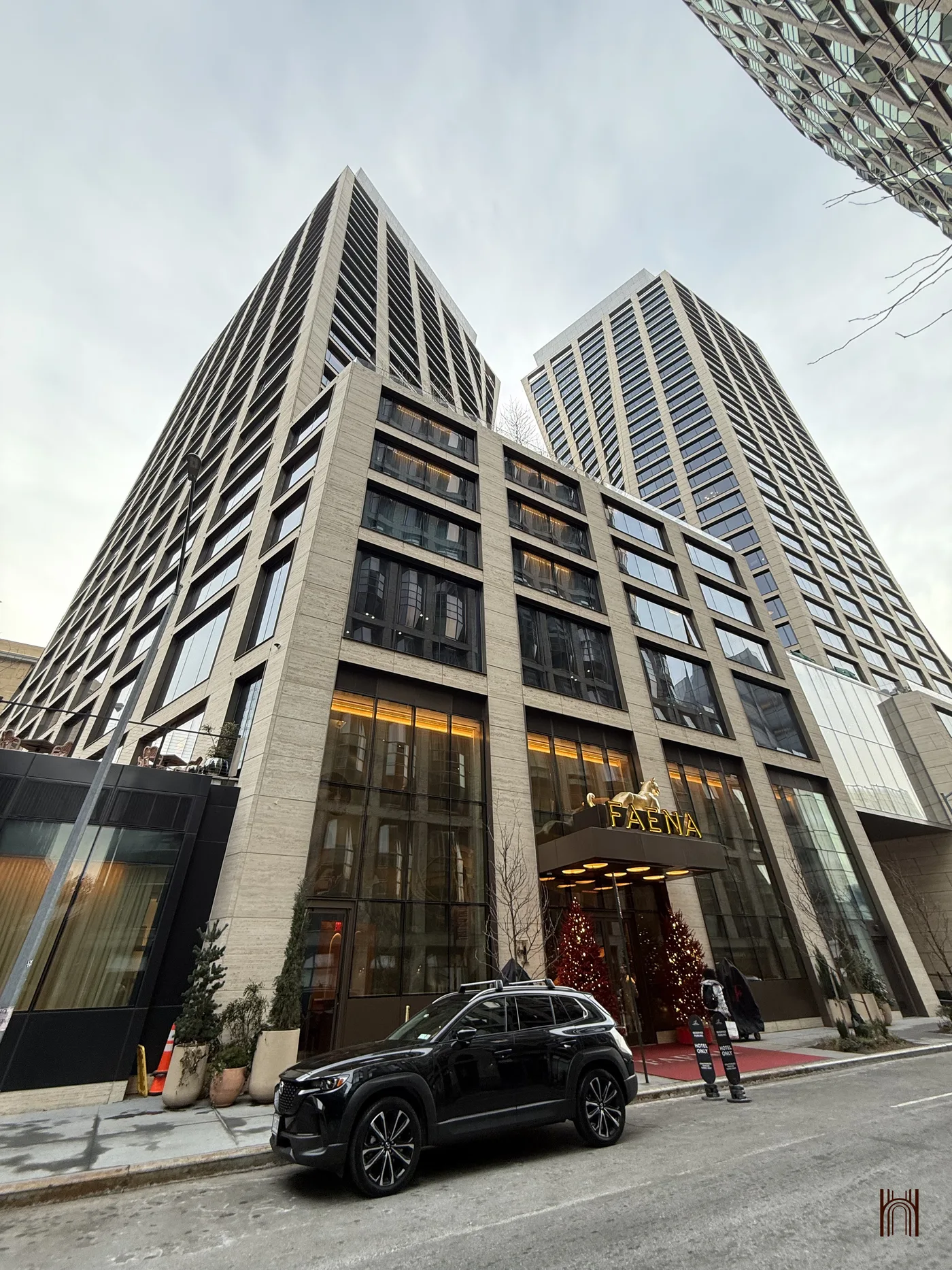
From the moment of arrival, the rupture is immediate. The architecture, the volumes, the decoration and the staging create surprise. The welcome confirms this first impression. The teams appear at ease, aligned and engaged. A rare sensation quickly emerges: the place does not simply exist, it asserts a vision.
Very quickly, one thing becomes clear. This hotel does not function as a simple place to stay. It lives. It attracts. It gathers. Between the lively restaurant, the inhabited bar, the theatre, the spa and the living spaces, a dynamic takes shape. Faena becomes a point of convergence. A space where residents, visitors and creatives meet.
In this context, a question emerges: how can a hotel become a destination in its own right, while remaining deeply rooted in its neighbourhood?
Revealing a Place: When Architecture Becomes Language
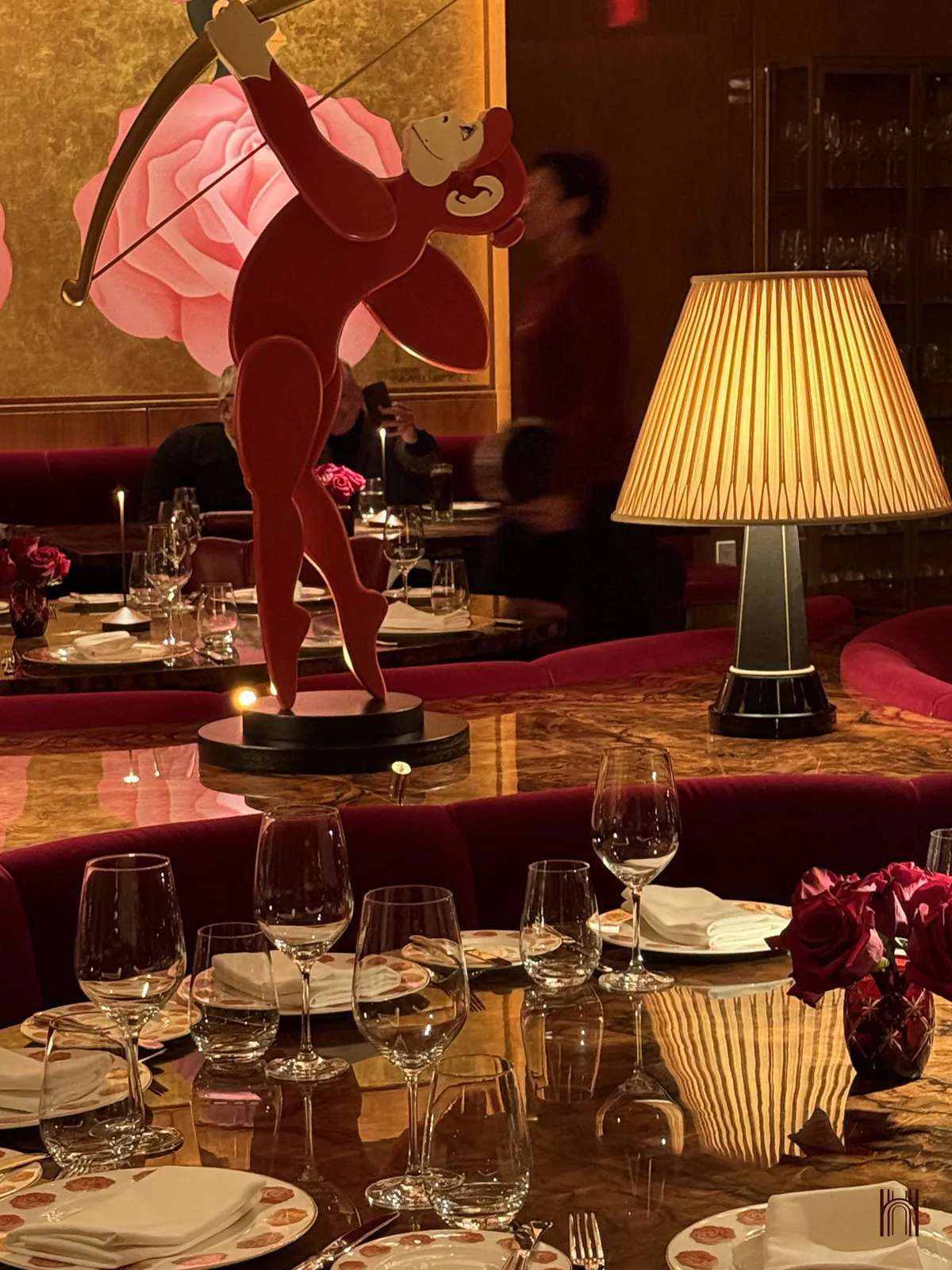
Faena does not seek to integrate discreetly. It expresses itself. Each space seems conceived as a stage, with a clear intention: to provoke emotion, to encourage reflection and to guide the guest experience.
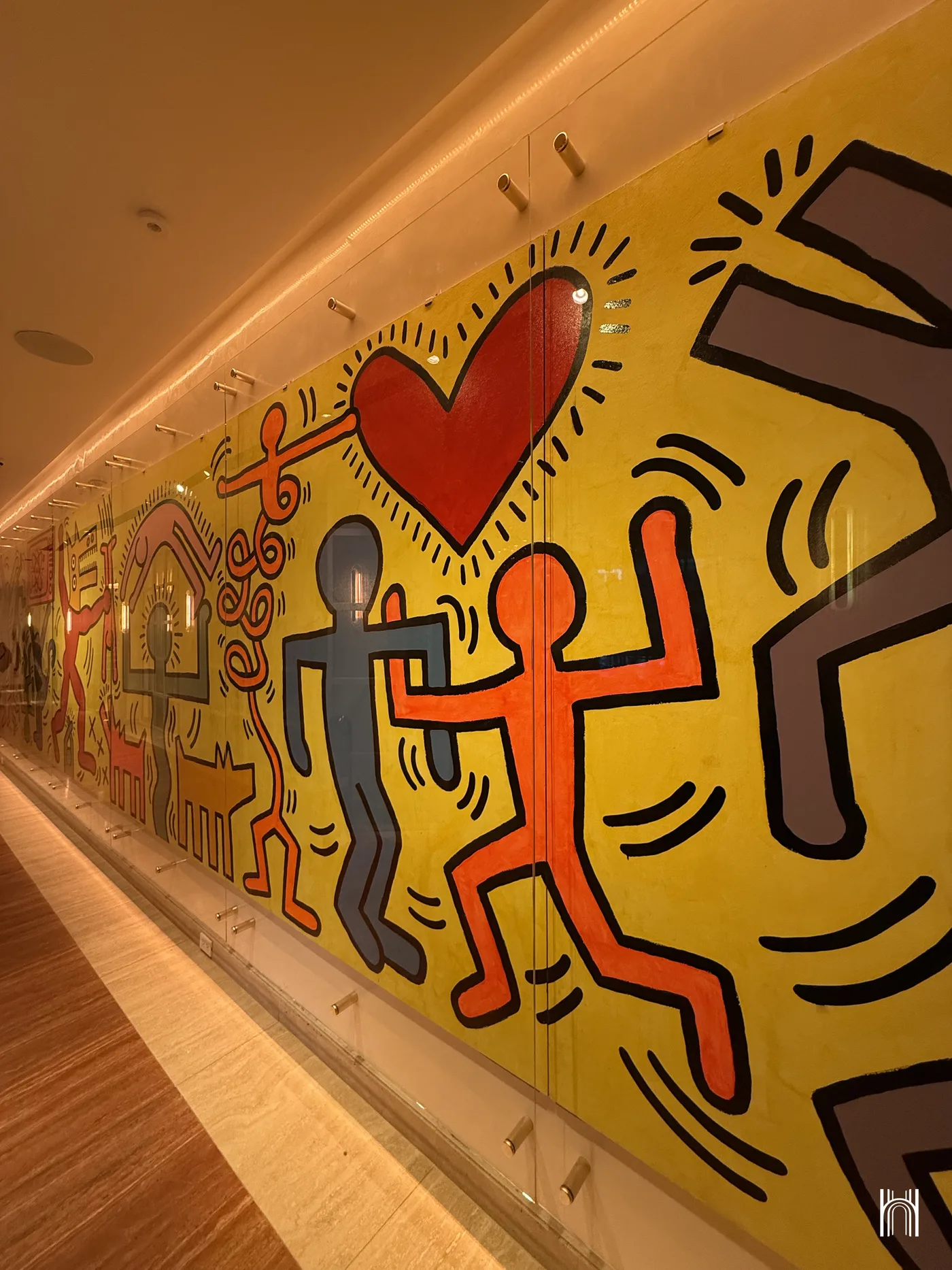
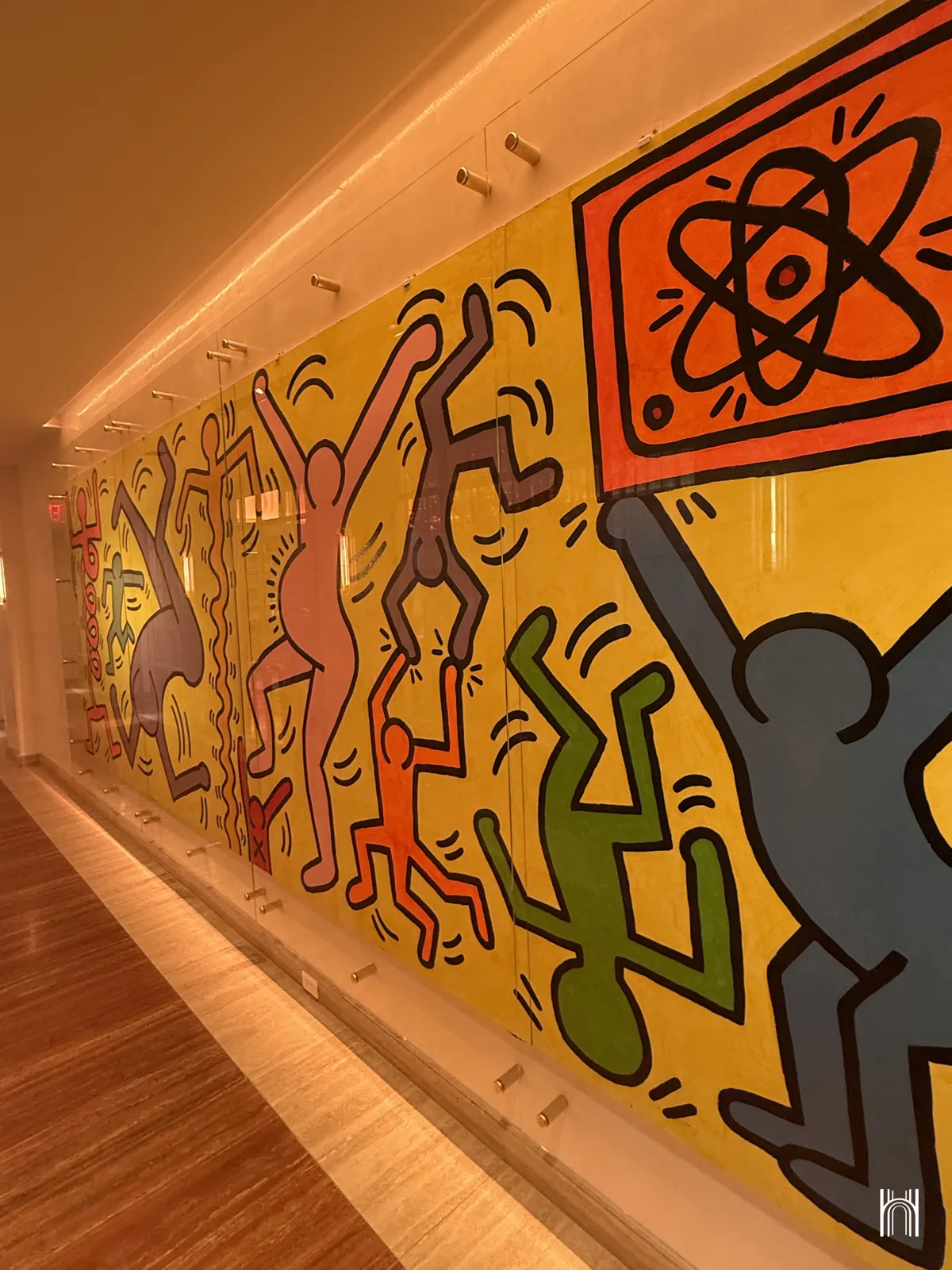
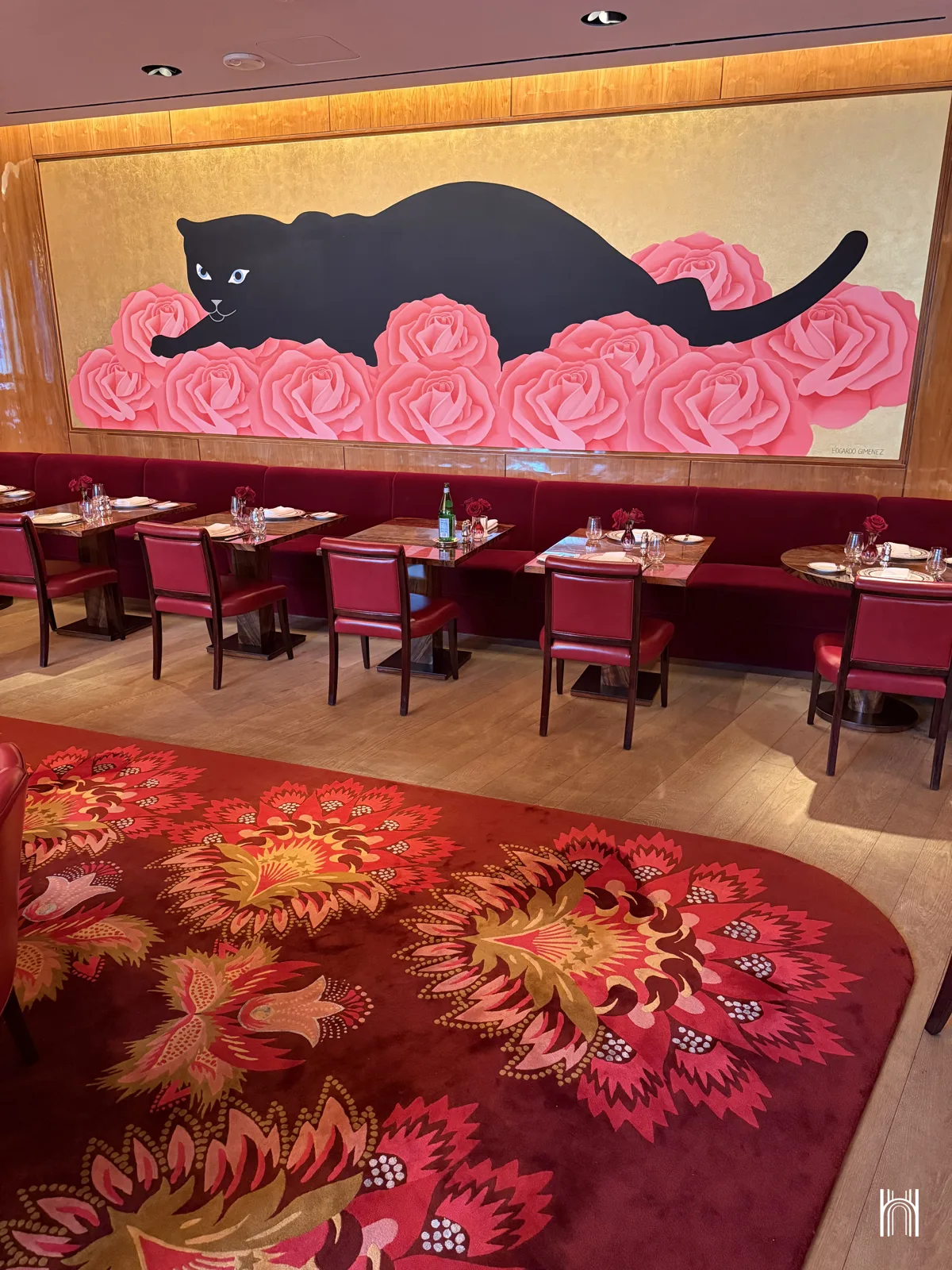
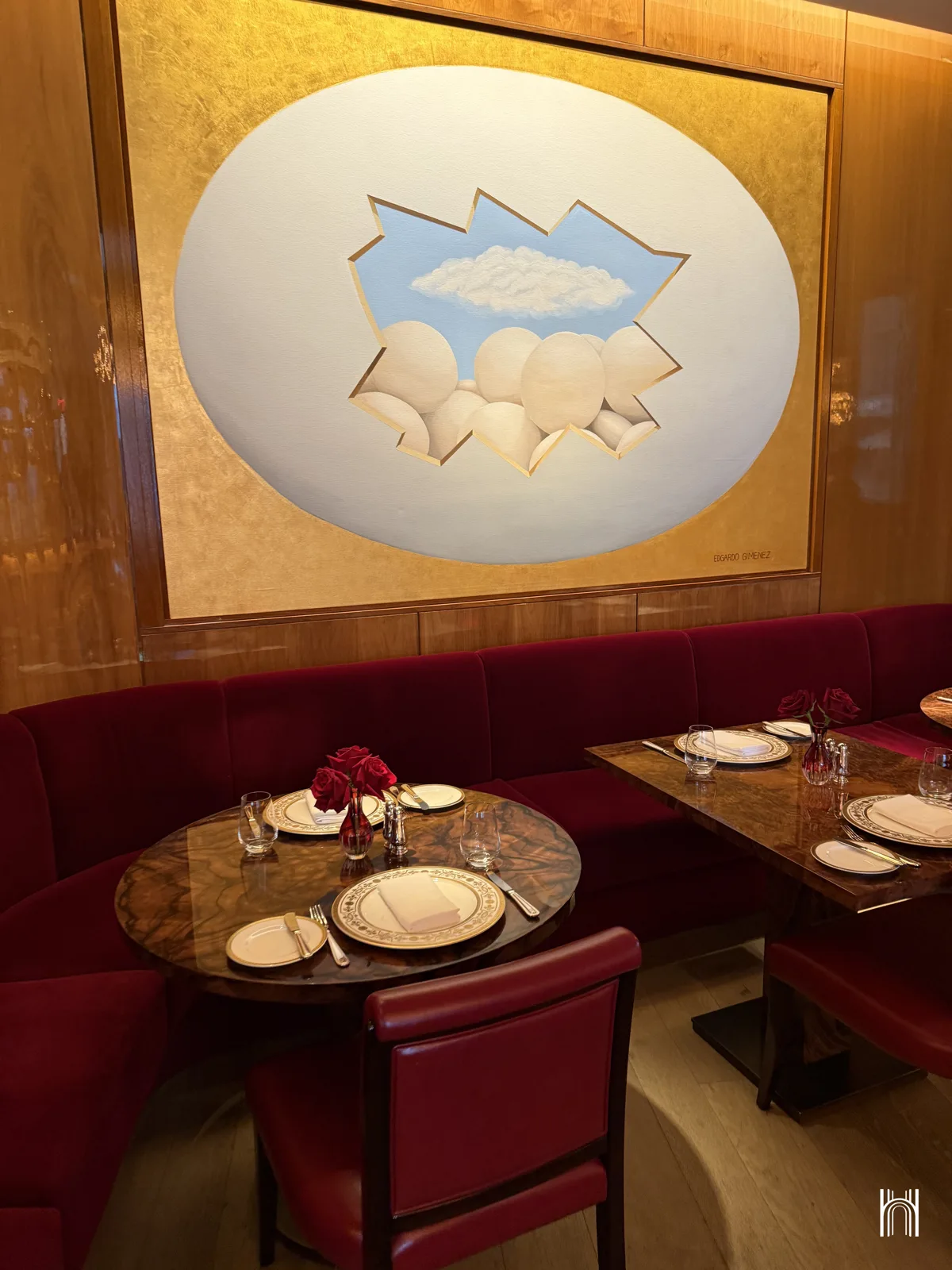
The volumes impress, but do not dominate. They guide, structure the journey and organise the reading of the place. They orient the gaze. They invite the guest to slow down. Art occupies a central place, not as decoration, but as a point of dialogue. Some works question, others soothe, and others create a slight sense of disturbance. This diversity creates a rare richness of interpretation and contributes to the singularity of the place.
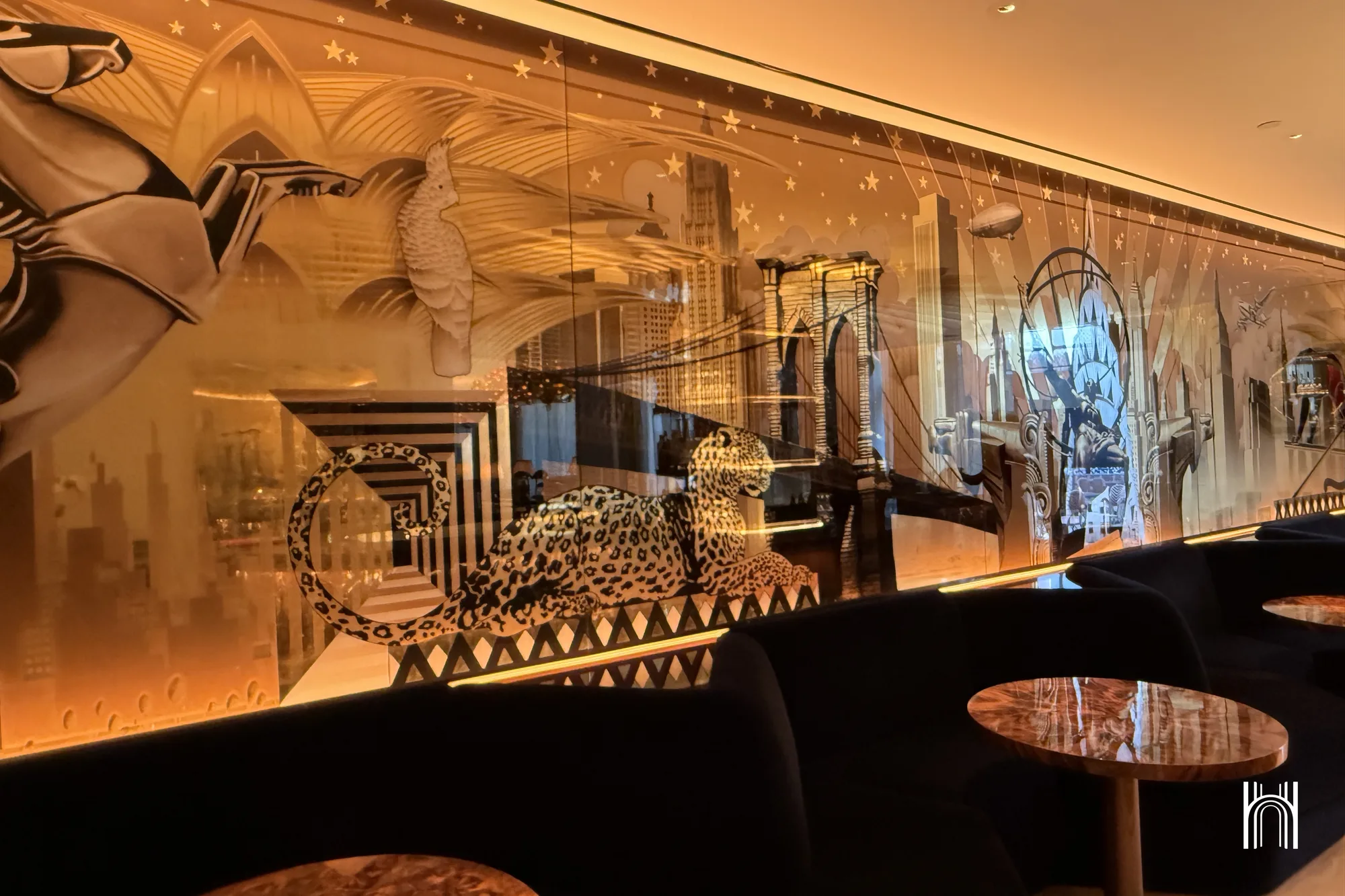
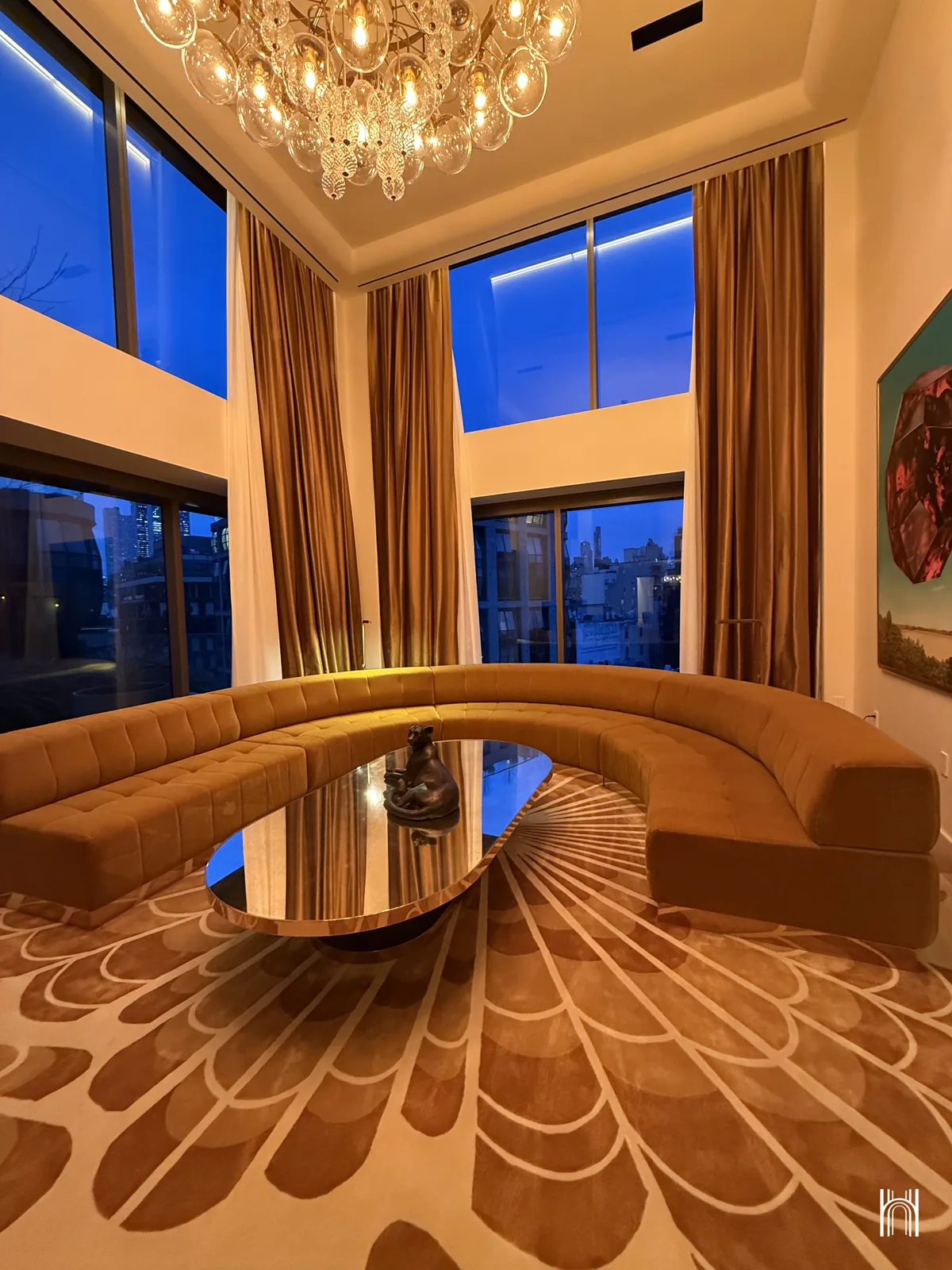
This approach is based on a strong collaboration between Bjarke Ingels Group for the architecture and designer Peter Mikic with Faena Design Team for the interiors, with a clear intention to create a theatrical aesthetic inspired by New York glamour.
The hotel thus develops a true spatial narrative. Each movement becomes an experience. The guest does not simply move through a building but passes through a succession of sensations. The experience is never fixed. It evolves according to the moment, the use and the interactions.
The same space can be perceived differently depending on whether you are alone, as a couple, with friends or in a professional context. Light, atmosphere and occupancy modify perception. Returning to a place does not mean reproducing an identical experience, but rather accessing a new reading.
This variability becomes even stronger through exchange. A team member highlights a detail that had gone unnoticed. A companion offers a different interpretation. In a professional context, perception may become more functional or strategic.
The place thus becomes a support for multiple readings, built over time and through interaction. This approach relies on strong coherence. Each space, whatever its use, seems to carry an intention.
From circulation areas to meeting spaces, from private lounges to rooms and suites, nothing appears neutral. Each element contributes to a continuity of experience. Faena develops a form of architectural language. A language made of signs, references and symbols.
This dimension is particularly visible in the monumental works present from the entrance, notably frescoes inspired by mythological, religious and cosmological references, integrating materials such as gold leaf, which reinforce the narrative dimension of the place.
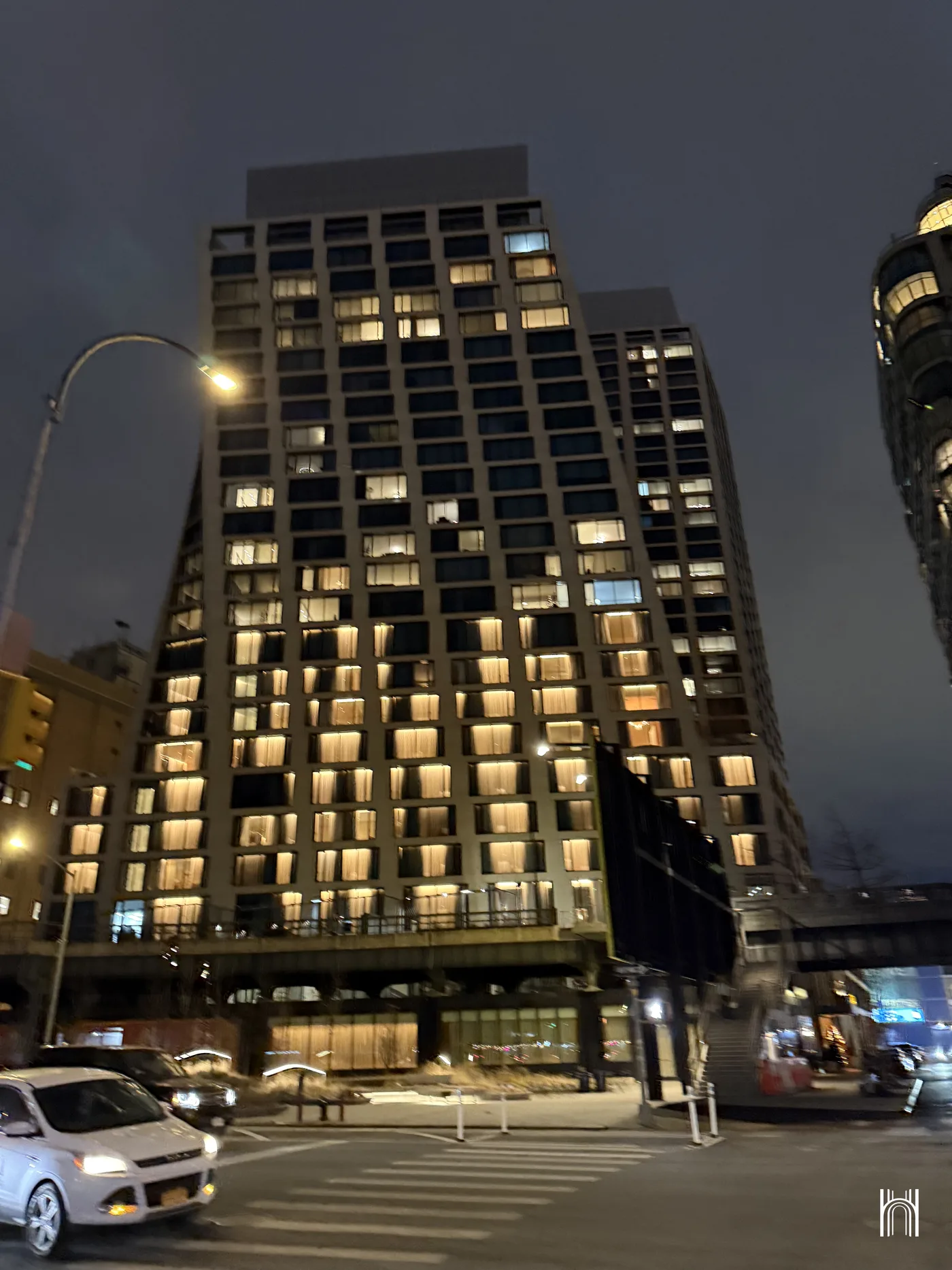
The building itself, located in the heart of West Chelsea and in direct connection with the High Line, acts as an architectural landmark that captures light and positions itself within one of New York’s most active artistic districts.
For an attentive eye, this dimension is perceptible. It may be conscious, but it also acts in a more diffuse way. This symbolic reading directly influences the guest experience. It acts on perception, on feeling, sometimes without being formulated.
The entire project is conceived as a total work, where art, architecture, design, performance and hospitality respond to one another to create an immersive and coherent experience.
This is probably one of the most accomplished aspects of the place: its ability to create a coherent, embodied and resonant experience, one that goes beyond simple aesthetics to touch a deeper dimension of hospitality.
Here, the sense of place does not rely solely on local history, but on a contemporary interpretation of the neighbourhood. Faena does not copy New York, it reinterprets it.
Creating Life: The Hotel as a Point of Convergence
The central challenge for a hotel such as Faena Hotel New York is no longer only to welcome guests, but to succeed in creating a genuine dynamic of place, capable of attracting, retaining and bringing people back, while credibly becoming part of the life of its neighbourhood.
The first lever lies in the ability to move beyond the accommodation function and build a global, structured and coherent experience. Faena does not simply offer rooms or additional services, it organises a set of spaces and moments that speak to one another and create a continuity of experience. The restaurant, the bar, the cultural spaces and the wellness offer do not function as independent entities, but as different expressions of the same vision.
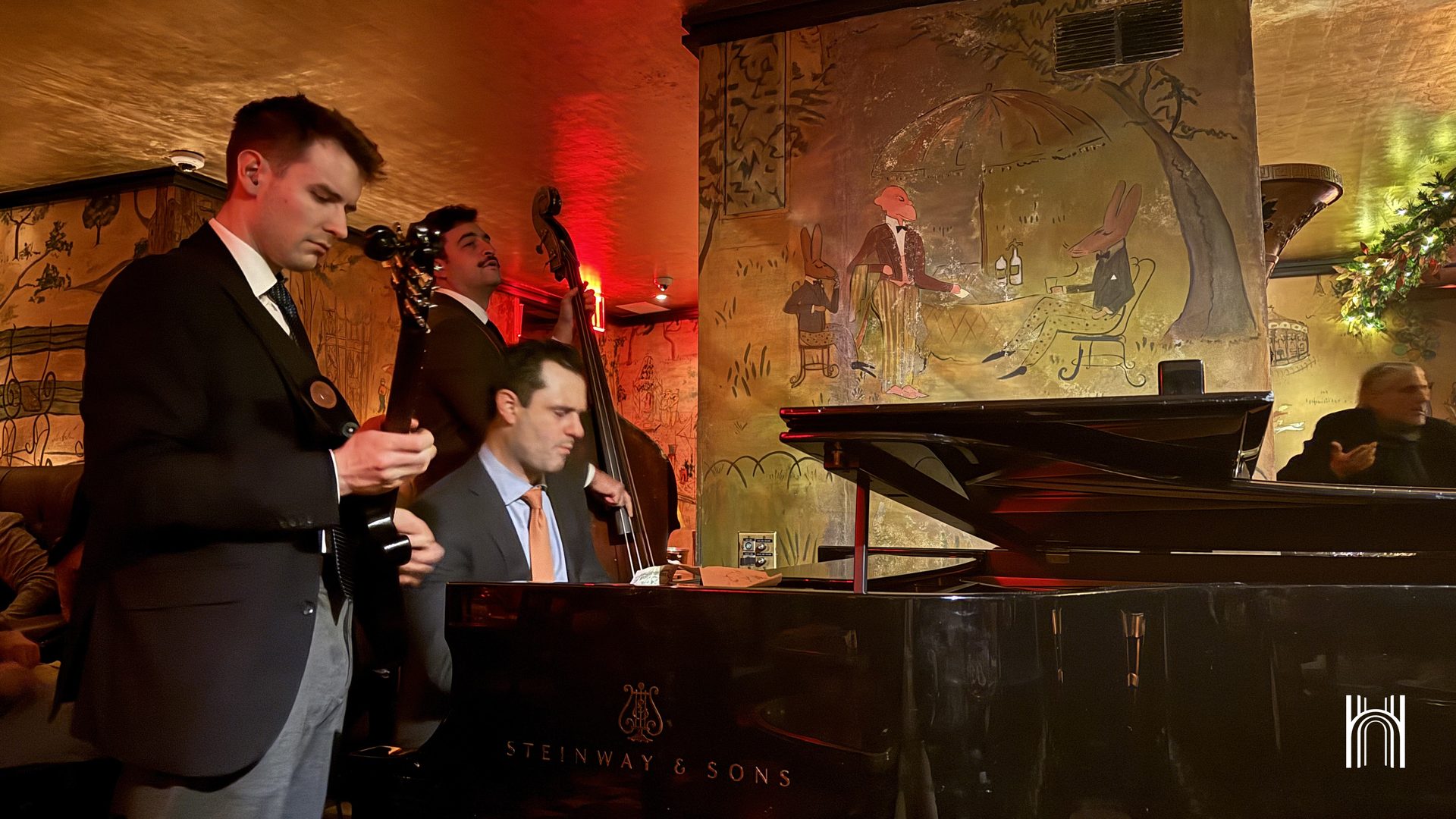
The restaurant La Boca, led by chef Francis Mallmann, illustrates this approach by offering an immersive culinary experience inspired by South American codes, where dinner becomes a social and sensory moment. During my dinner, the presence of a group of musicians accompanied by a singer with a perfectly controlled voice deeply enriched the nature of the experience. Live music does not simply accompany the meal, it creates an atmosphere, contributes directly to the emotion felt and strengthens the memory of the experience. The selection of the artists, the quality of the performance and the coherence with the universe of the place all contribute to an experience that goes far beyond the framework of a classic dinner.
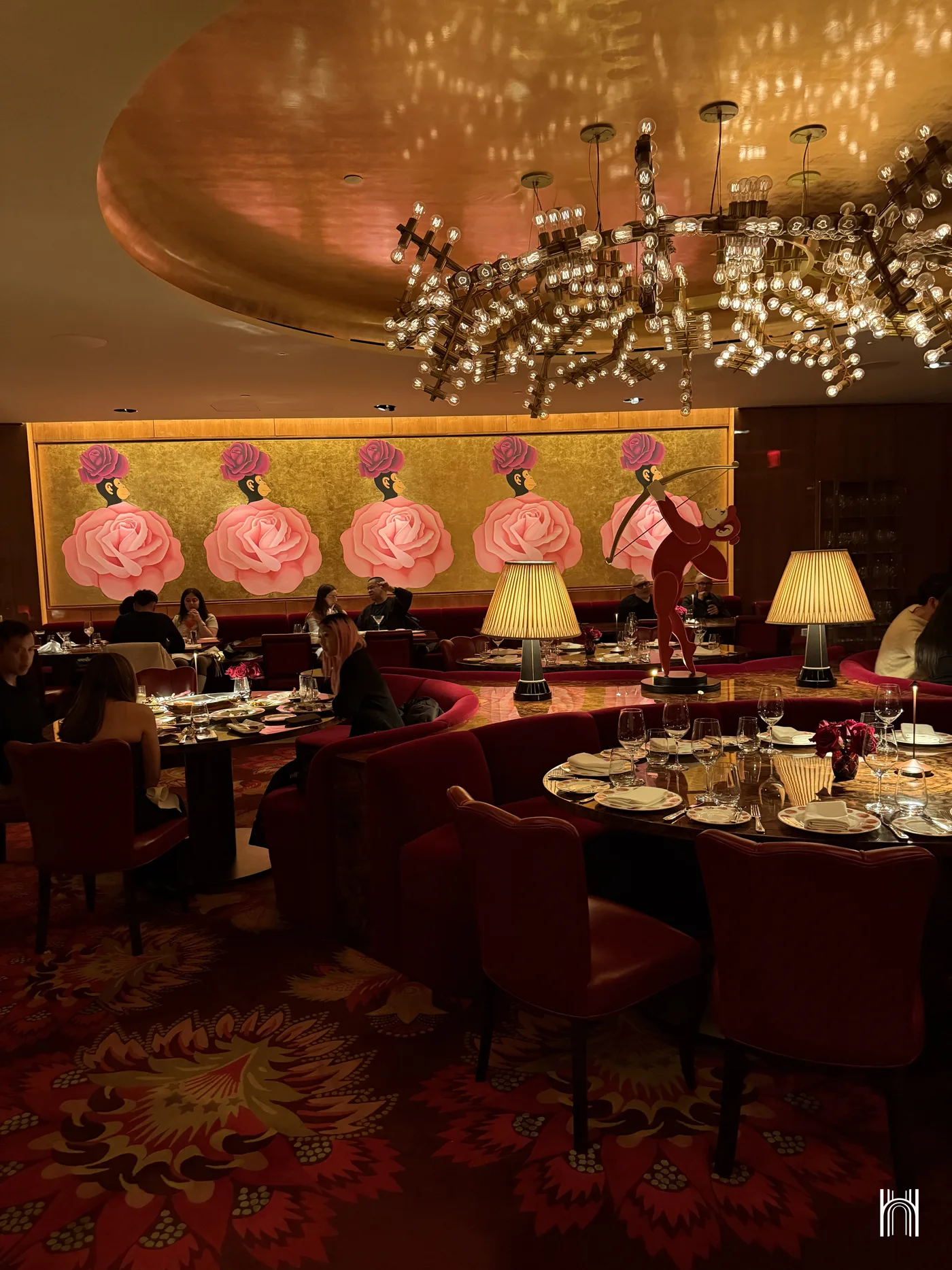
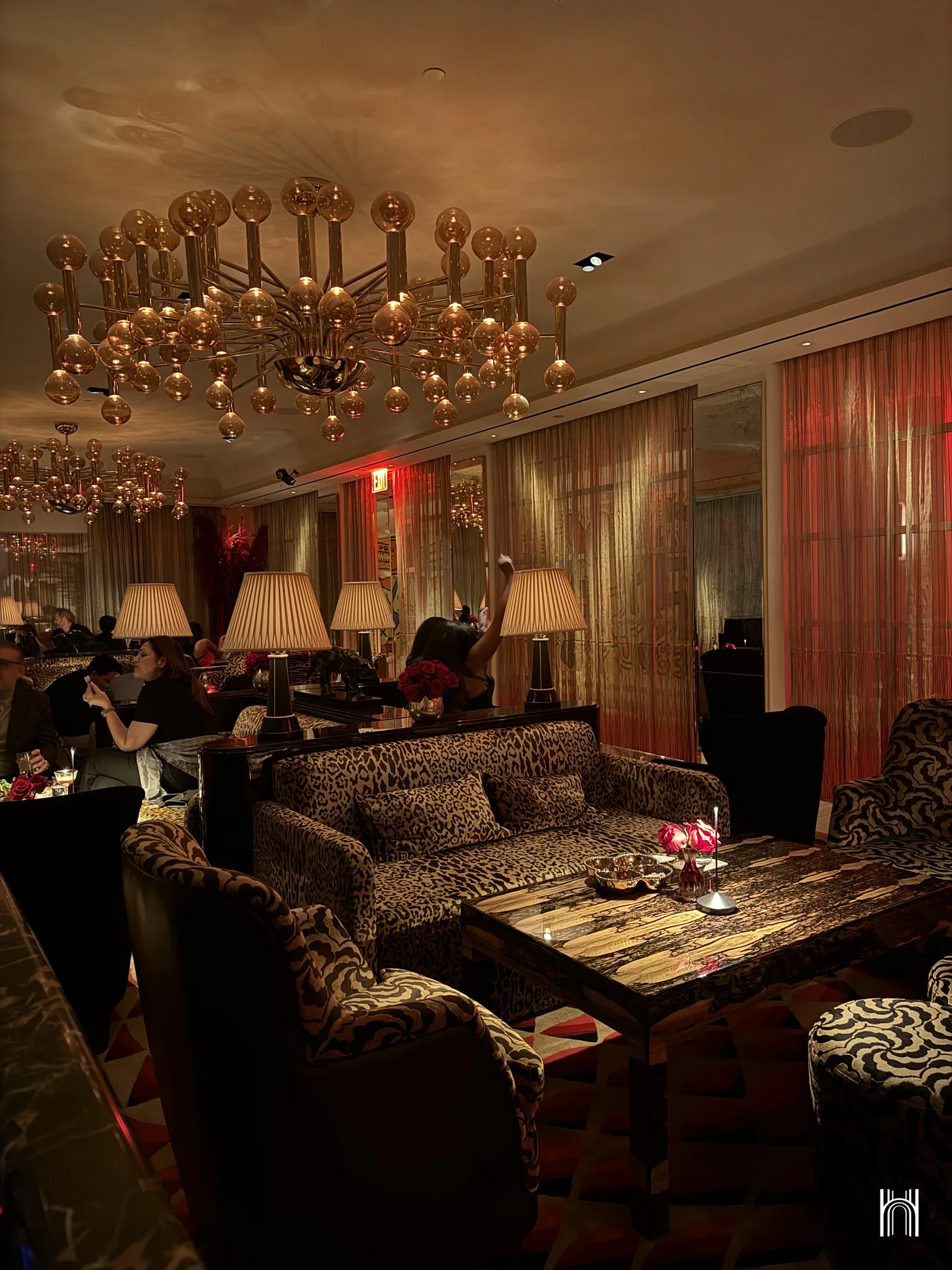
Around this offer, several spaces complete and intensify the life of the place. The Living Room, a true social heart, evolves throughout the day and becomes a natural meeting point. In addition, at the turn of a corridor, a more confidential speakeasy offers a different and more intimate atmosphere, reinforcing the diversity of possible experiences within the establishment.
The Tierra Santa spa introduces another temporality. Inspired by South American rituals, it offers an approach to well being that goes beyond a simple service to work toward a form of recentring and balance. This dimension completes the overall experience by bringing a pause within an otherwise very lively environment.
The second lever concerns local anchoring and the ability to create a real connection with the neighbourhood. Faena does not operate in isolation. During my time at the bar, several exchanges with residents confirmed that the place is frequented for itself, independently of the hotel function. Some come for the atmosphere, others for the quality of interactions, and all seem to find a form of familiarity. The role of the head bartender appears central here. Through his way of welcoming, recognising and connecting people, he contributes to creating links between guests and transforms an individual moment into a collective experience.
This type of interaction profoundly changes the perception of the place. The hotel is no longer only a space of passage, it becomes an inhabited space in which human relationships take on a structuring role.
The third challenge lies in the ability to structure a genuine cultural scene. The theatre plays a central role here, allowing Faena to offer an artistic programme that goes beyond occasional events. Performances, live music and immersive experiences, these regular activations transform the hotel into a cultural platform and maintain a constant dynamic. The place no longer depends solely on its staying guests, but generates its own reasons for being visited.
What Faena reveals is that a hotel becomes a destination when it succeeds in creating an autonomous life, nourished by its spaces, its programming and the quality of the human interactions it makes possible.
Transforming the Experience: Toward Hospitality That Settles In
The final challenge, undoubtedly the most difficult to achieve, concerns the ability of the place to transform the guest experience beyond the perceived quality of services, in order to establish a more direct, more human and almost familiar relationship.
What stands out here is not only the quality of the spaces or the richness of the programming, but the way everything comes to life through the teams. The service never seems performed or overplayed. It is expressed through a form of naturalness, with a presence that feels right, adapted to moments and situations.
Very quickly, a particular sensation settles in. After a first contact, then a second, and through movements within the hotel, a form of recognition appears. After a few interactions, the relationship evolves almost imperceptibly. What began as a classic relationship between guest and team member becomes something more fluid.
After two days, a rather rare impression emerges: that of no longer encountering only team members, but almost familiar faces. As if the place created the conditions for a natural proximity, where a simple glance, a greeting and a few exchanged words are enough to establish a relationship. A sensation close to that experienced with neighbours, with whom I share an environment without necessarily knowing them deeply.
This proximity does not rely on excessive personalisation or visible processes. It seems rather linked to a quality of presence, to a way of being there, available without being intrusive, attentive without being demonstrative.
It is precisely this accuracy that transforms the experience. The guest does not simply feel welcomed, the guest gradually feels integrated into an environment.
This evolution is essential. It allows the shift from a consumed stay to a lived experience. The place ceases to be only a setting and becomes a space in which the guest finds a place, even temporarily.
What Faena reveals is that hospitality is not only about the excellence of services, but about the ability to create simple, natural and sincere relationships that leave a lasting imprint well beyond departure.
What Must Be Remembered
Faena Hotel New York offers a demanding and contemporary reading of hospitality, demonstrating that a hotel can both reveal a neighbourhood and assert itself as a destination in its own right.
The place first builds a strong identity through architecture conceived as a language, capable of producing multiple readings and evolving according to moments, uses and interactions. This ability to make a place felt beyond its simple aesthetics constitutes a first level of differentiation.
It then develops a real dynamic of life, moving beyond the accommodation function to create a complete ecosystem where restaurant, bar, culture and human encounters are articulated with coherence. This openness to the neighbourhood and this ability to attract a credible local clientele profoundly transform the nature of the place.
Finally, the experience extends into a more intimate dimension, driven by the quality of human interactions. The relationship with the teams gradually evolves toward a form of natural, almost familiar proximity, giving the guest the feeling of finding a place, even over a short period.
This triptych, sense of place, life of the place, relationship to the place, fully illustrates what successful contemporary hospitality can be.
Faena does not seek only to impress or seduce. It creates the conditions for an experience that unfolds over time, because it engages both the space, the energy of the place and the quality of human connection.
It is precisely this coherence that allows it to move beyond the status of a hotel and become an anchor point within the city.
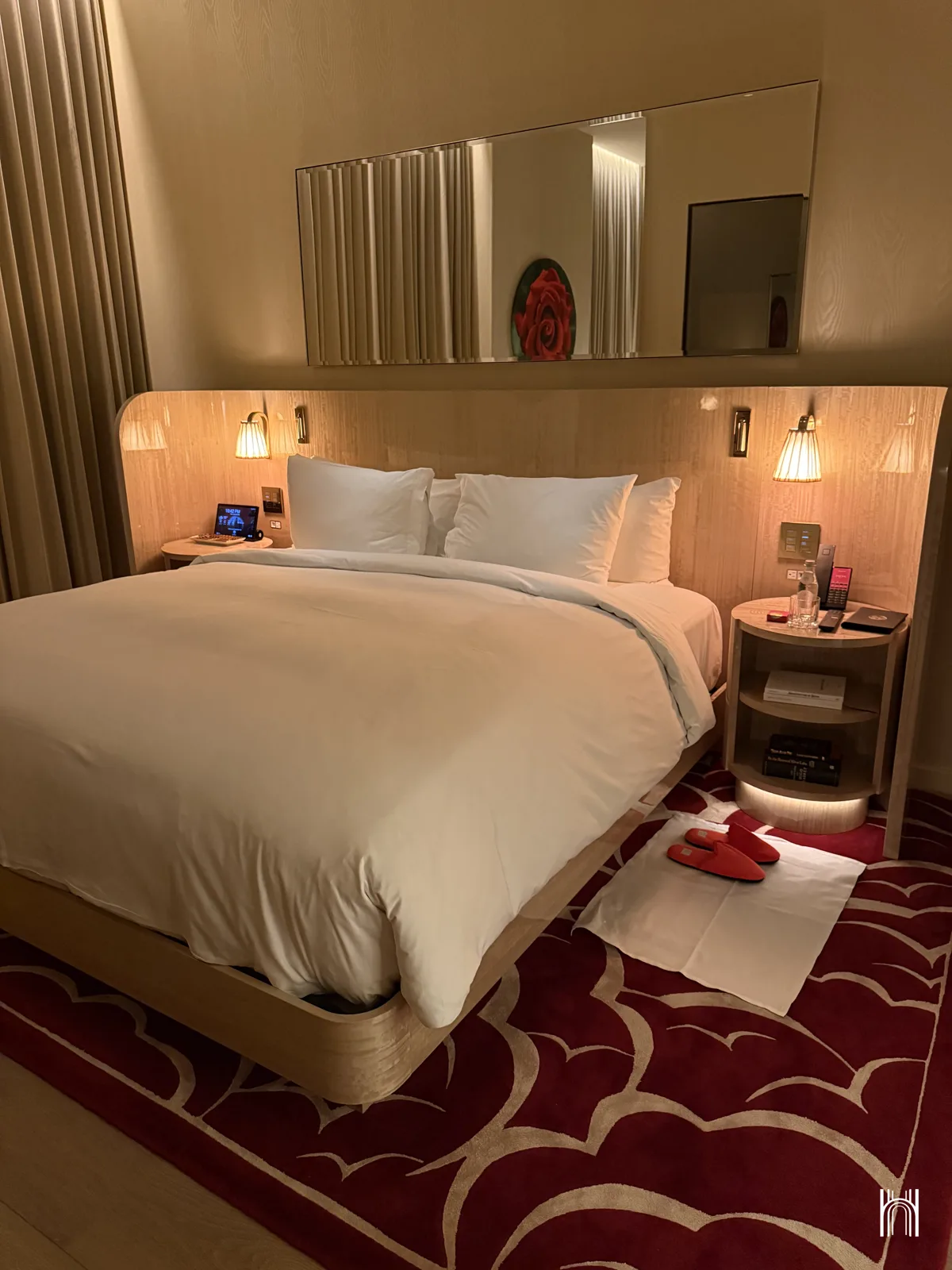
In pictures: my visit to Faena New York. Photos: DELPORTE HOSPITALITY.
Share this article with a colleague, a client or a partner.
That is often how an idea enters a house, and then its habits.
What you say about it matters more than what I say.
A keynote, a mission, an article in the magazine: if my work has been useful to you, a few lines on Google are worth more than any argument.
Leave a review on Google →