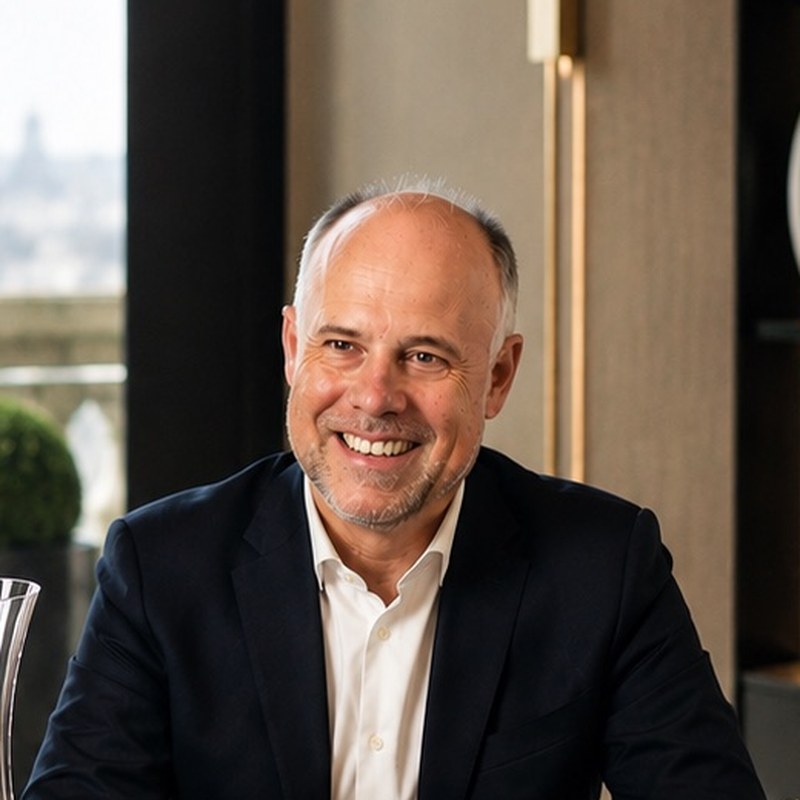
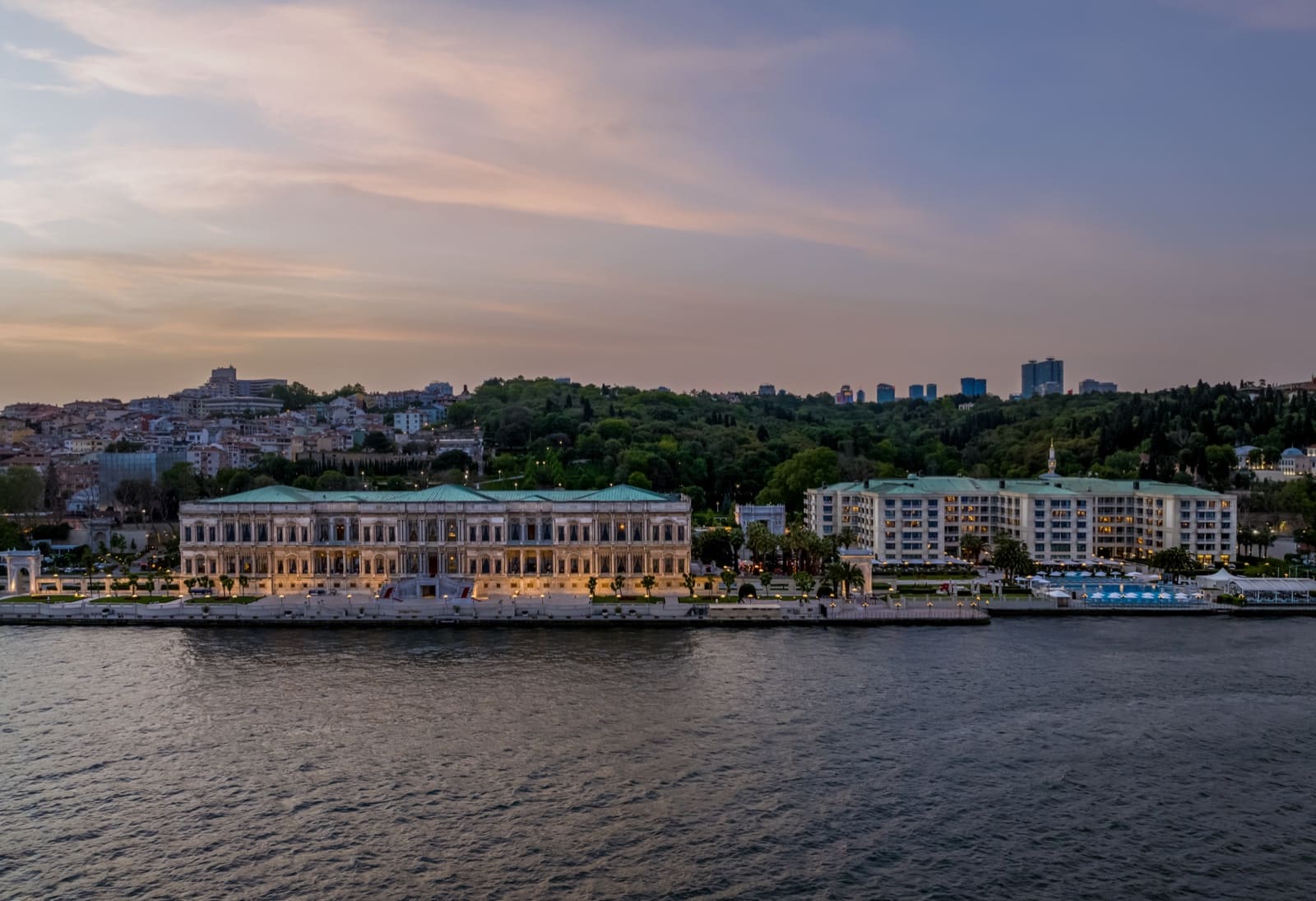
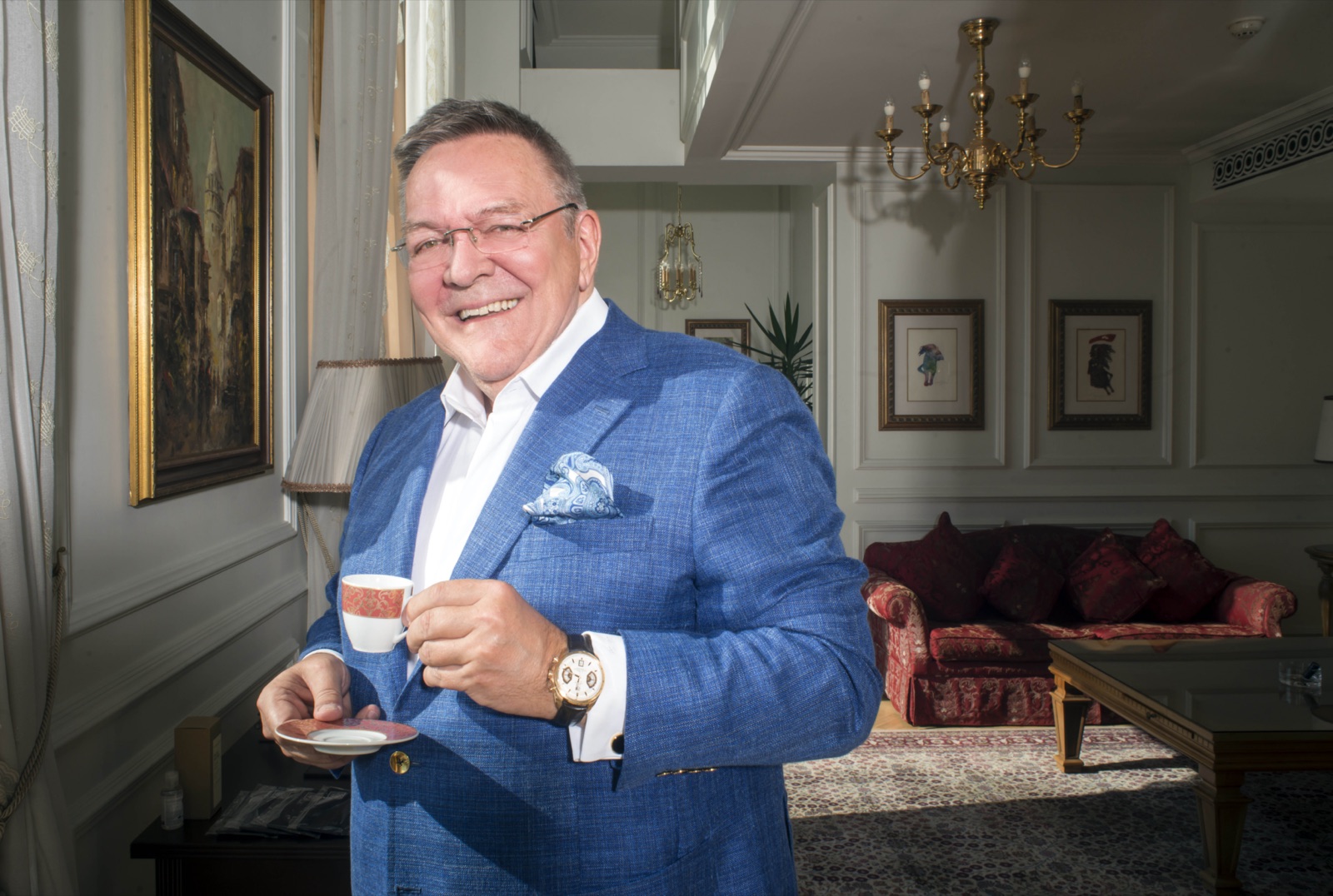
I had the pleasure of reconnecting with Ralph Radtke, whom I have known since our years together within the Accor Group, for the Sofitel brand. I had already interviewed him in 2019 for this magazine, in “Ralph Radtke: Getting Back to Basics to Reinvent Service in Luxury Hotels”. This conversation continues that one. General Manager of Çırağan Palace Kempinski İstanbul, a nineteenth-century Ottoman palace on the shores of the Bosphorus, and Regional Director of Kempinski Residences in Türkiye, he has now lived through more than half a century of change in the industry, without ever losing sight of what, in his view, never will. He answered my questions in writing for DELPORTE HOSPITALITY MAGAZINE.
What does generous hospitality mean to you?
Authentic hospitality today is less about formality and more about sincerity. Of course, excellence in service, precision, and consistency remain essential, especially in luxury hospitality. But what truly defines hospitality is the ability to make each guest feel genuinely seen, understood, and cared for.
Today's guests are also looking beyond the traditional definition of luxury. They do not simply want to pass through a destination; they want to feel connected to it. They are increasingly curious to discover places with a past, hidden gems, exceptional experiences, and stories that give them a deeper sense of belonging. In this sense, hospitality has become not only about service, but also about opening doors to the spirit of a destination.
Generous hospitality begins where standard service ends. It is not only about offering more, but about offering what is meaningful. Sometimes it is a perfectly anticipated detail, sometimes a moment of warmth, sometimes simply giving a guest the sense that they are recognised, understood, and truly welcome. True generosity in hospitality is emotional as much as it is physical.
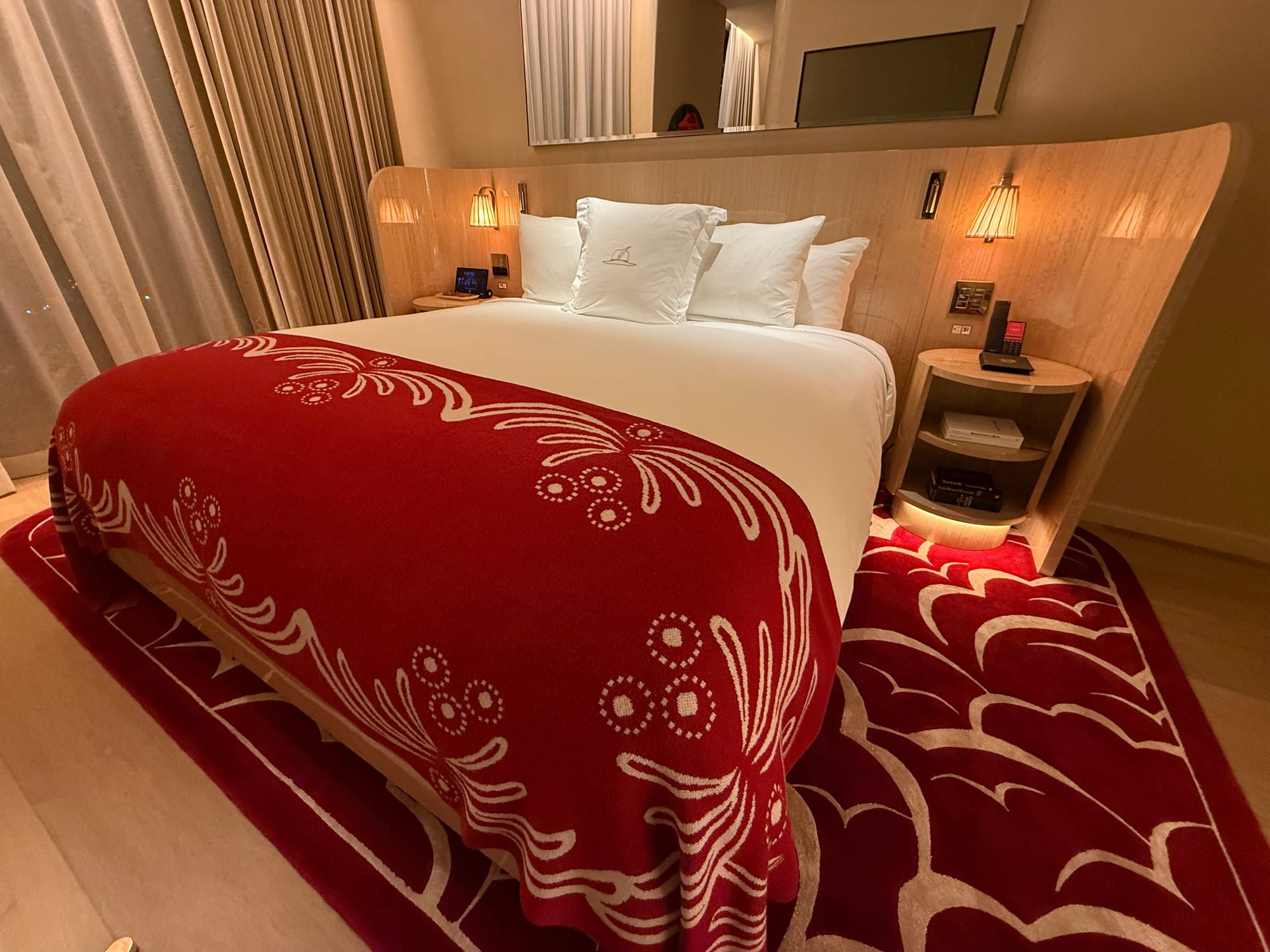
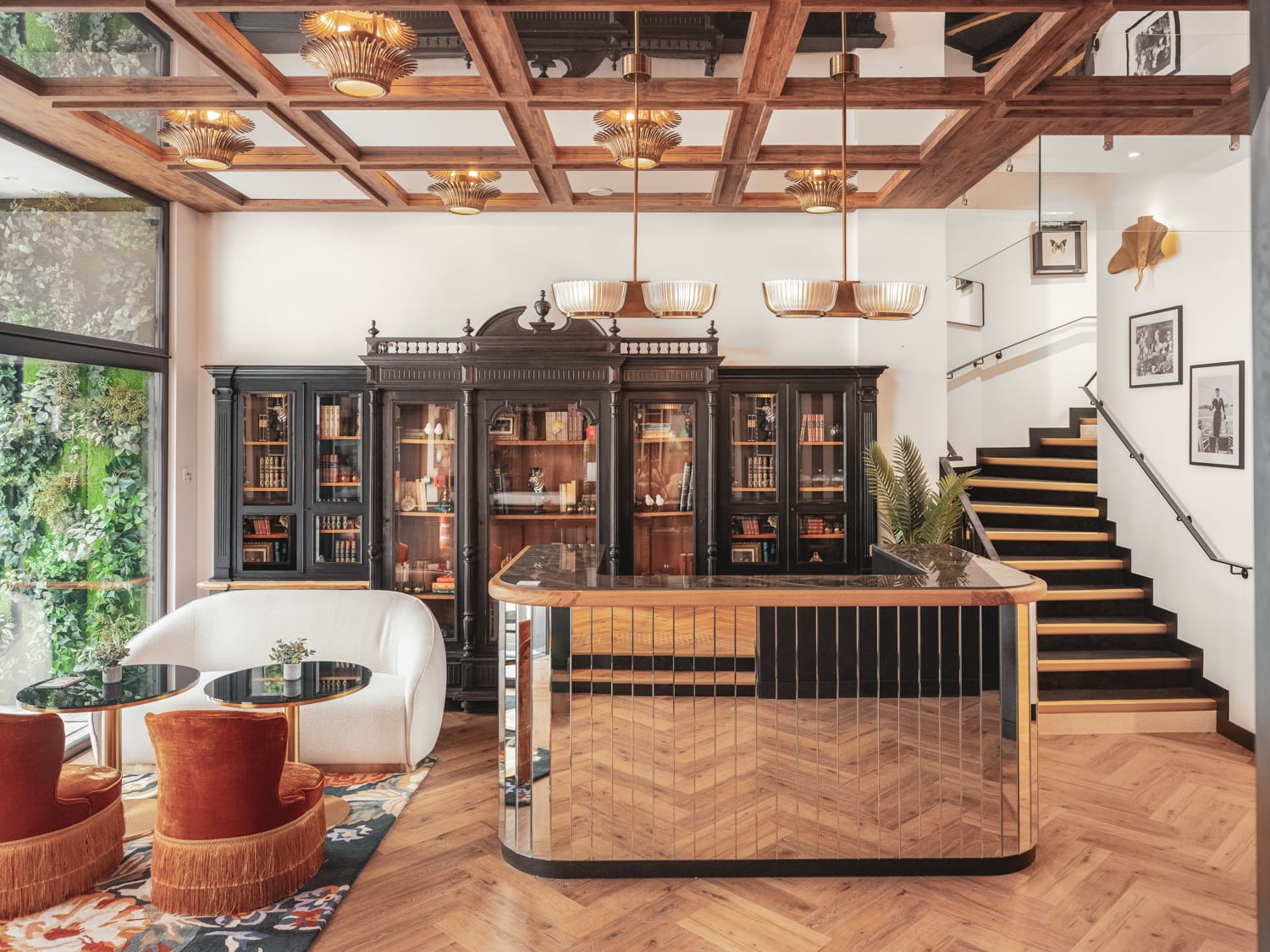
At Çırağan Palace Kempinski Istanbul, this idea is deeply connected to our heritage. We are not only welcoming guests into a hotel; we are welcoming them into a living Ottoman palace, into a place that has hosted people, cultures, and stories for centuries. This naturally gives hospitality a deeper dimension. It becomes about creating a connection between the guest, the destination, the history, and the people who bring it all to life.
The most memorable hospitality is never transactional. It is personal, intuitive, and human. It is when a guest leaves not only remembering where they stayed, but how they felt while they were with us. That is the essence of generous hospitality. It creates trust, emotion, and ultimately, a lasting relationship.
What has changed the guest experience the most, and what has never changed?
Having dedicated nearly 55 years to the world of hospitality, I have witnessed many transformations in our industry. The way we travel, the way we communicate, the way we define luxury, and even the way we welcome guests have all evolved significantly. Yet, at the heart of hospitality, one essential truth has never changed: this is, and will always remain, a people-driven industry. At the end of the day, hospitality is about people caring for people.
Luxury hospitality, in particular, has moved far beyond the purely material. There was a time when luxury was often associated with ownership, grandeur, and tangible symbols of status. Today, while comfort, beauty, and refinement remain important, luxury is increasingly defined by time, emotion, authenticity, and meaningful experiences. Guests are not only looking for what they can have, but for what they can feel, discover, and remember.
Time has become one of the most precious forms of luxury. In a world that moves very quickly, with constant change and endless stimuli, guests are more conscious of how and where they spend their time. They seek experiences that feel personal, relevant, and true to who they are. This has changed the way we think about travel, accommodation, gastronomy, wellbeing, and service. It is no longer only about providing comfort; it is about creating moments that have emotional value.
Technology has also changed the way we welcome and understand our guests. Today, we have more tools, more data, and more ways to personalize the journey. These developments are valuable, but they should never replace the human element. A warm welcome, a sincere smile, eye contact, intuition, and the ability to anticipate a guest's needs remain just as powerful as ever.
For me, one of the most important fundamentals of hospitality is discipline. True hospitality requires consistency, precision, attention to detail, and a strong service culture. But discipline alone is not enough. It must be combined with sincerity, generosity, and authenticity. When these elements come together, hospitality becomes timeless.
This is also what we strive to embody at Çırağan Palace Kempinski Istanbul. It is a place where heritage, discipline, authenticity, and human connection meet. The industry will continue to evolve, as it should, but the essence of hospitality will always remain the same: to make people feel genuinely welcomed, cared for, and connected.
What would you pass on to young professionals who dream of running a hotel?
To young professionals who aspire to become hotel general managers one day, I would first say that this is a profession that requires patience, humility, discipline, and genuine passion for people. A general manager is not shaped overnight. It is a journey built through experience, through different departments, different cultures, different challenges, and many moments of learning.
A hotel general manager must be both a leader and a generalist. You do not need to be the deepest expert in every single field, but you need to understand enough about each area to work effectively with the experts around you. Hospitality is one of the few industries where you truly need to understand the whole house. You need to appreciate the precision of housekeeping, the rhythm of food and beverage, the importance of front office, the responsibility of finance, the creativity of sales and marketing, and the dedication of every team member behind the scenes. A strong general manager must be able to connect all these disciplines, manage a large and diverse team, and never lose respect for any part of the operation.
My advice would be to remain curious and never stop learning. Listen carefully, observe, ask questions, and take opportunities when they come, even if they feel slightly outside your comfort zone. Very often, the moments that challenge us are the ones that help us grow the most. Do not be afraid to start from the ground up, because the best leaders in hospitality are often those who have experienced the details themselves and understand what it takes to deliver excellence every day.
I would also encourage young professionals to build meaningful relationships throughout their journey. Hospitality is a people business not only with guests, but also within the industry. The colleagues, mentors, partners, and teams you meet along the way can play an important role in shaping your path. A strong network is not only about opportunity; it is also about learning, perspective, and support.
At the same time, it is important to have a clear vision. If becoming a general manager is truly your ambition, define that goal early and give yourself a sense of direction. There will be achievements, but also difficult moments, mistakes, and periods when progress feels slower than expected. What matters is to keep learning from each stage, to continue moving forward with consistency, and to allow every experience to prepare you for the responsibility you are aiming for.
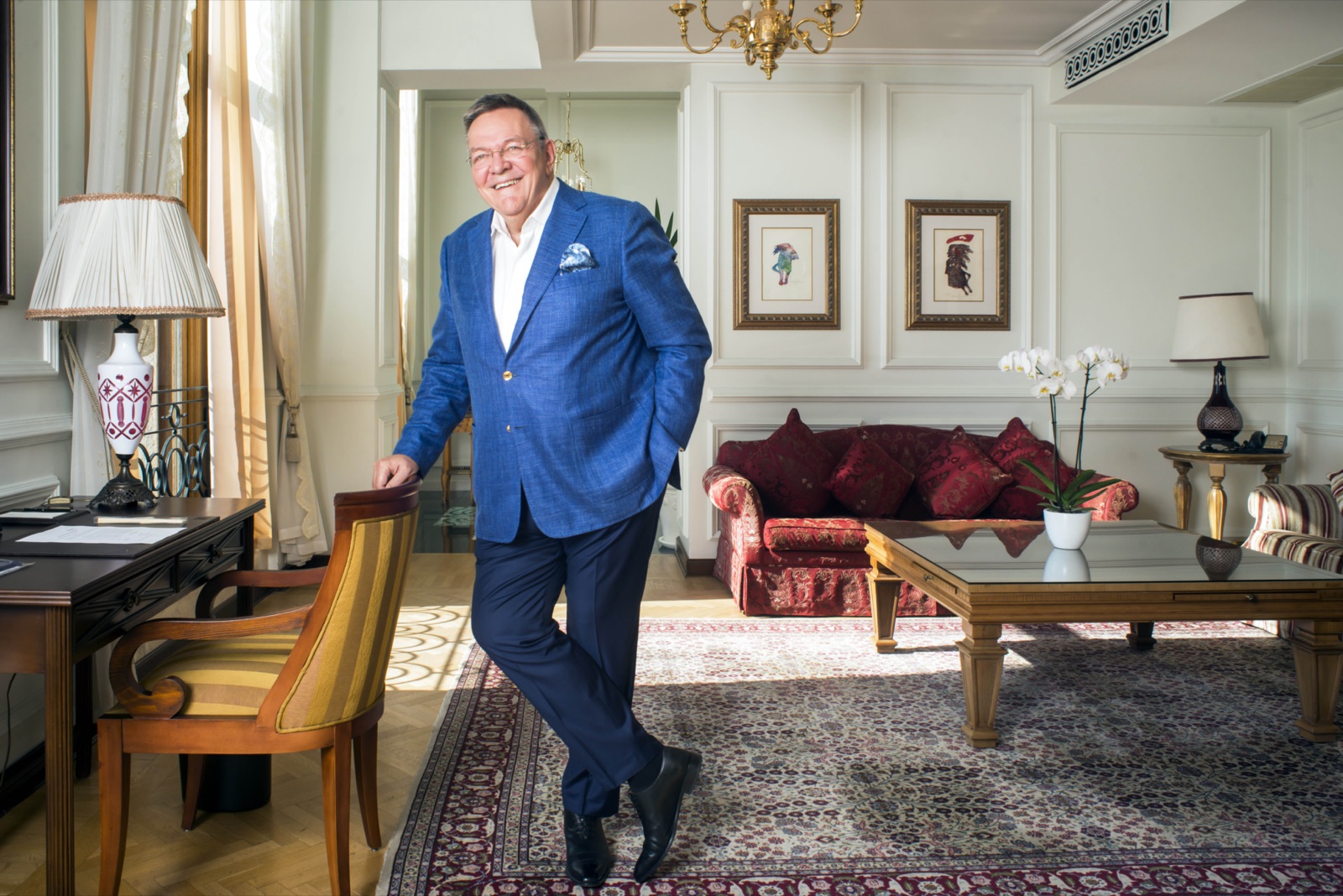
Running a palace: present without being everywhere
Hospitality is a fast-moving and highly demanding industry, and teams need clarity, discipline, consistency, and confidence from their leaders. At the same time, this is a deeply human business. Leadership cannot be based only on processes or results; it must also be built on trust, respect, empathy, and genuine care for people.
In a luxury hotel, leadership carries an additional responsibility because every detail matters. Luxury is not only about beautiful surroundings or exceptional facilities. It is about the precision of the experience, the emotional intelligence of the team, and the ability to create a sense of ease, privacy, and belonging for each guest. This requires a leader who understands both the visible and invisible aspects of service.
A luxury hotel leader must be close to the operation, but also able to see the bigger picture. You need to understand the guest journey, the brand promise, the financial discipline, the expectations of owners, and the motivation of your team. At the same time, you must protect the soul of the hotel. Especially in a historic property such as Çırağan Palace Kempinski Istanbul, leadership also means respecting heritage while continuously moving the experience forward.
What makes leadership in luxury hospitality different is the level of anticipation required. Guests may not always express what they need, but they expect the hotel to understand them. Therefore, the leader's role is to create a culture where teams are empowered to observe, listen, and act with confidence and sensitivity.
Good leadership is not about distance or authority. It is about presence. A leader must be visible, approachable, and consistent. When teams feel supported and trusted, they are able to deliver hospitality with sincerity and pride. And when that culture is strong, guests feel it immediately.
How do you align owners' vision with operational reality?
The relationship between a hotel general manager and the owners is one of the most important partnerships in hospitality. A hotel is both a business and an experience, and the role of the general manager is to bring these two dimensions together in a way that is commercially sound, operationally realistic, and true to the identity of the property.
One of the key strategic challenges is alignment. In most cases, the owning company carries the main financial risk. Naturally, there is an expectation of return, sometimes in the short term and sometimes over a much longer horizon. The operator therefore has a very important responsibility to understand the investor's perspective, to respect the owner's objectives, and to manage the property in a way that supports both performance and long-term value.
Challenges can arise when the objectives of the operating company and the owner are not fully aligned. Owners may have a long-term vision for the asset, while the hotel team is responsible for delivering the experience every day. The general manager must be able to translate the owner's ambitions into clear operational priorities, while also communicating the realities of the market, the needs of the guests, and the requirements of the brand.
This requires transparency, trust, and regular communication. A strong relationship with owners is built when there is a shared understanding of where the hotel is going, what investments are needed, and how decisions will impact both financial performance and the guest experience. It is important to speak openly, with facts and perspective, but also with respect for the owner's vision and the level of risk they have taken.
In luxury hospitality, this balance is particularly important. Decisions cannot be based only on short-term results. They must also protect the positioning, reputation, and long-term value of the property. At the same time, operational excellence must remain realistic and sustainable for the team.
The general manager is, in many ways, the bridge between ownership, brand, team, and guests. The best alignment happens when all parties understand that financial performance and guest experience are not separate goals. When the property is well positioned, the team is motivated, and the guest experience is consistently strong, commercial success naturally follows.
Can luxury stay human in the age of artificial intelligence?
One of the major challenges for hospitality in the coming years will be the ability to remain deeply human in an increasingly digital world. Technology will continue to transform the way we travel, communicate, book, personalize, and deliver service. It will make many processes faster and more efficient. But in luxury hospitality, technology should never become the definition of the experience. It should support the guest journey, not replace the emotional connection.
Another important challenge will be talent. Hospitality depends on people who are passionate, skilled, resilient, and proud of their profession. As guest expectations continue to rise, attracting, developing, and retaining the right talent will be essential. The future of luxury hospitality will depend not only on beautiful properties, but on the people who bring them to life every day.
Sustainability will also continue to be a defining responsibility. Guests are increasingly aware of how and where they travel, and luxury hotels must respond with sincerity, not only with statements. This means operating more responsibly, respecting the destination, supporting local communities, and making choices that protect both the environment and the cultural identity of a place.
What will continue to differentiate true luxury is authenticity. Standards are important, and technology is useful, but they are not enough on their own. True luxury is created through emotional intelligence, anticipation, discretion, craftsmanship, and a strong sense of place. It is when a guest feels that the experience could not have happened in exactly the same way anywhere else.
In the coming years, the most successful luxury hotels will be those that combine innovation with humanity, efficiency with warmth, and global standards with local character. Luxury will continue to evolve, but its essence will remain deeply personal. It will be defined by how a guest feels, what they remember, and the connection they build with the people and the place.
What do international guests really expect from a palace?
At Çırağan Palace Kempinski Istanbul, we welcome guests from all over the world, each arriving with different cultures, preferences, and expectations. What they have in common is the desire for an experience that feels seamless, personal, and truly connected to the destination.
Compared to the past, international guests today are more informed, more experienced, and more selective. They have travelled extensively and have access to exceptional hotels across the world. This means that luxury standards alone are no longer enough. They expect excellence, of course, but they also look for authenticity, privacy, flexibility, and emotional value.
One of the most important expectations today is personalization. Guests want to feel recognized as individuals, not as categories. They appreciate when a hotel understands their preferences, anticipates their needs, and creates moments that feel thoughtful rather than scripted. At the same time, they value discretion and ease. True luxury should feel effortless.
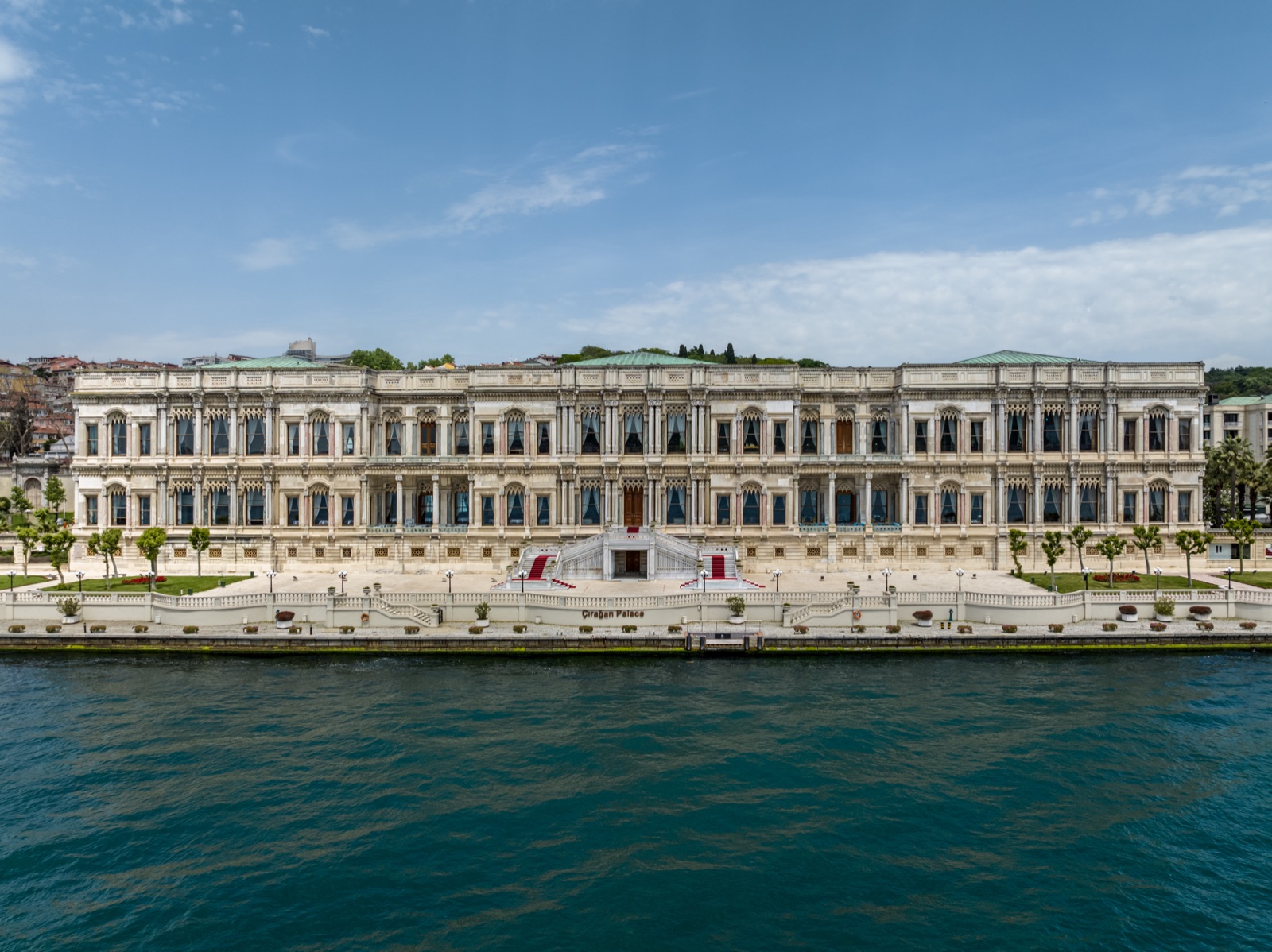
There is also a stronger interest in the sense of place. Guests coming to Istanbul want to feel the city, its history, its culture, its gastronomy, and its unique position between continents. In this respect, Çırağan Palace Kempinski Istanbul offers something very rare: the experience of staying in a former Ottoman palace on the Bosphorus, where heritage, architecture, service, and contemporary luxury come together.
What has not changed is the need to feel genuinely welcomed and cared for. Expectations may evolve, and the ways we deliver hospitality may become more sophisticated, but the emotional foundation remains the same. International guests remember the view, the palace, the cuisine, and the comfort, but above all, they remember how they were made to feel.
What I take away from this conversation
What I take away most from Ralph Radtke today is his role as a mentor. Passionate, he has always known how to surround himself with a new generation to stay true to what really matters in this profession. Over fifty-five years, he has trained a considerable number of hospitality executives who today apply, elsewhere, his vision of guest service and team management. That may be the true measure of a career: less what it builds than what it passes on.
Pour aller plus loin
- Ralph Radtke: Getting Back to Basics to Reinvent Service in Luxury Hotels, My first interview with Ralph Radtke, in 2019
Share this article with a colleague, a client or a partner.
That is often how an idea enters a house, and then its habits.
What you say about it matters more than what I say.
A keynote, a mission, an article in the magazine: if my work has been useful to you, a few lines on Google are worth more than any argument.
Leave a review on Google →