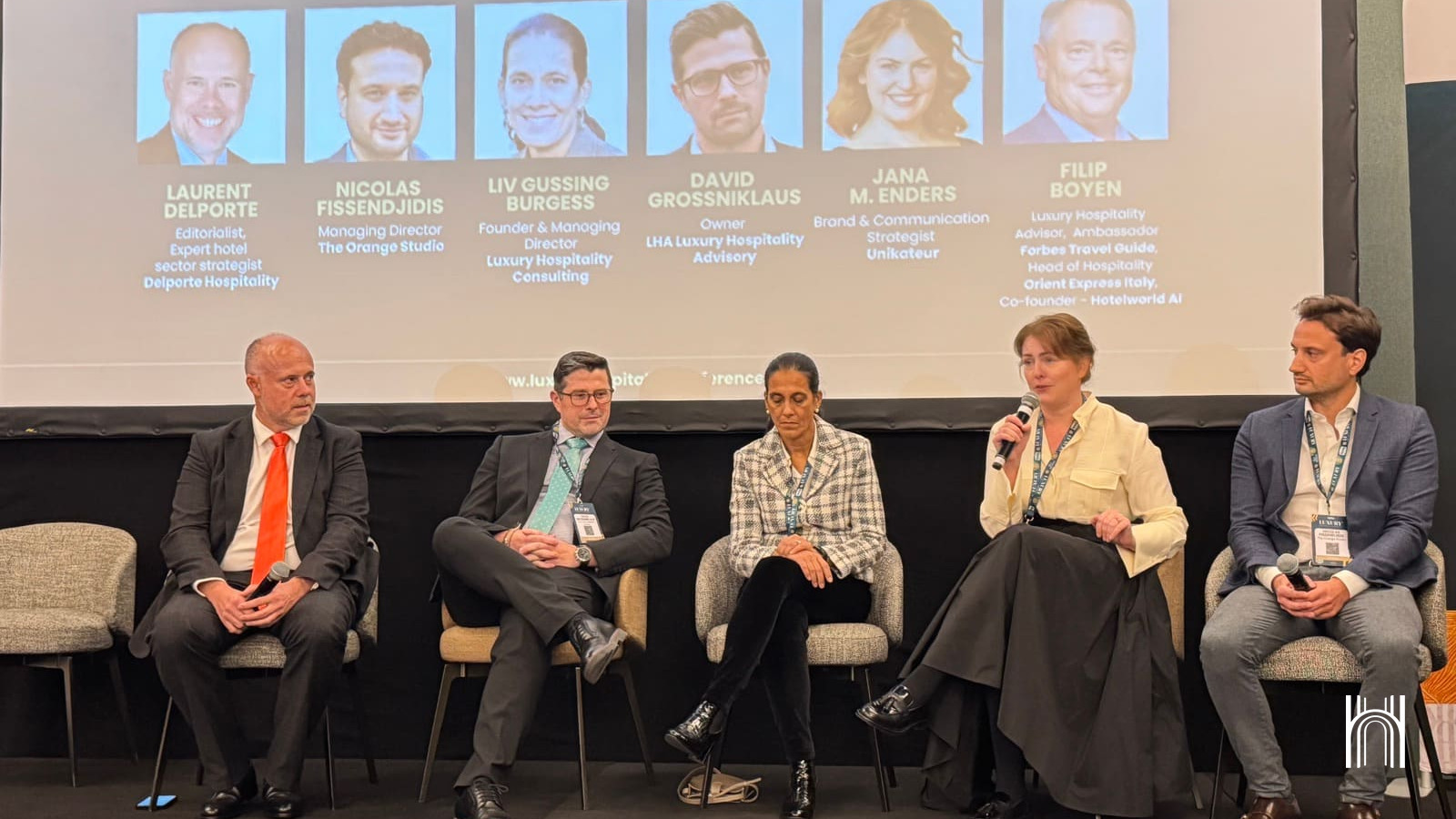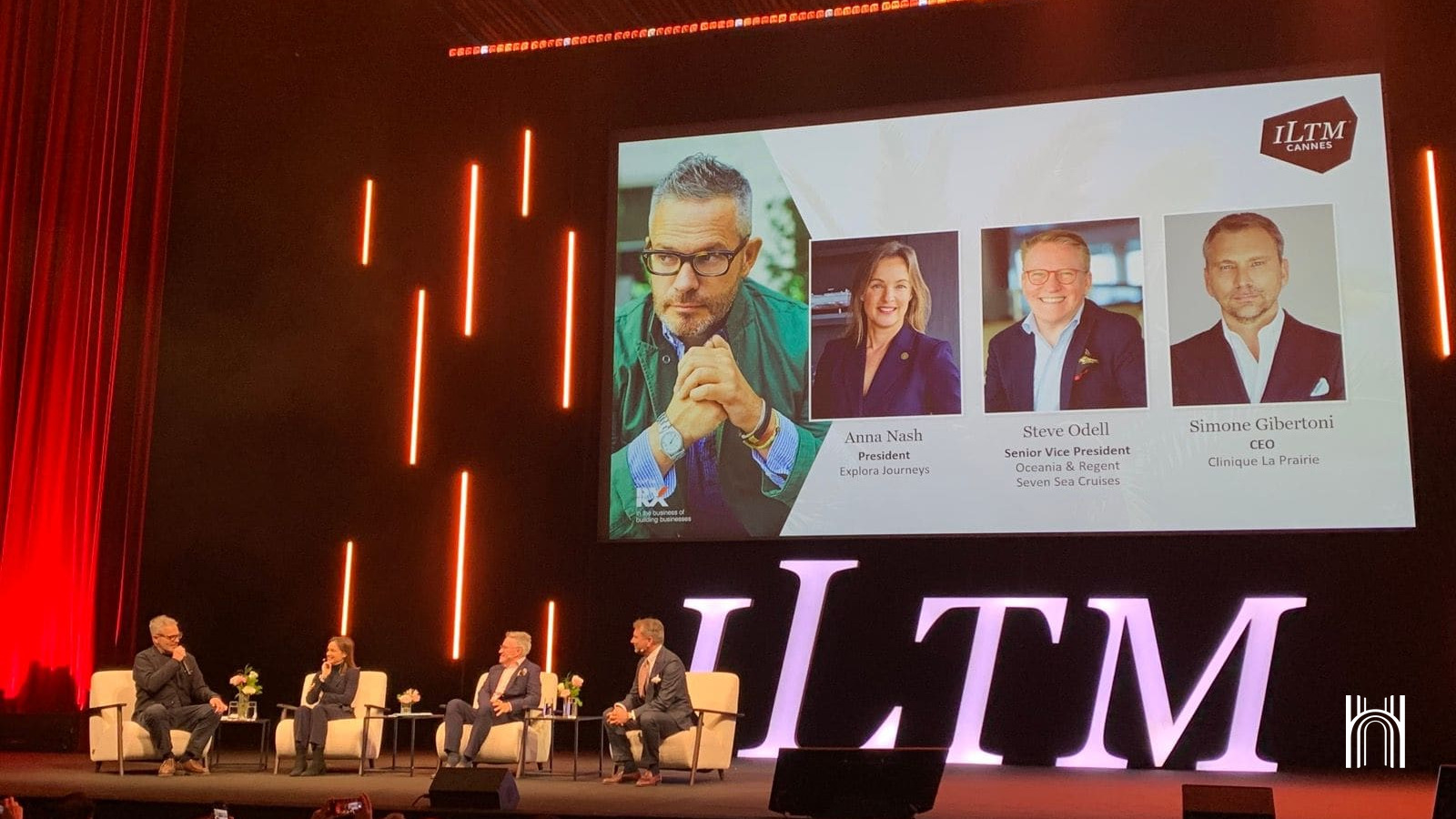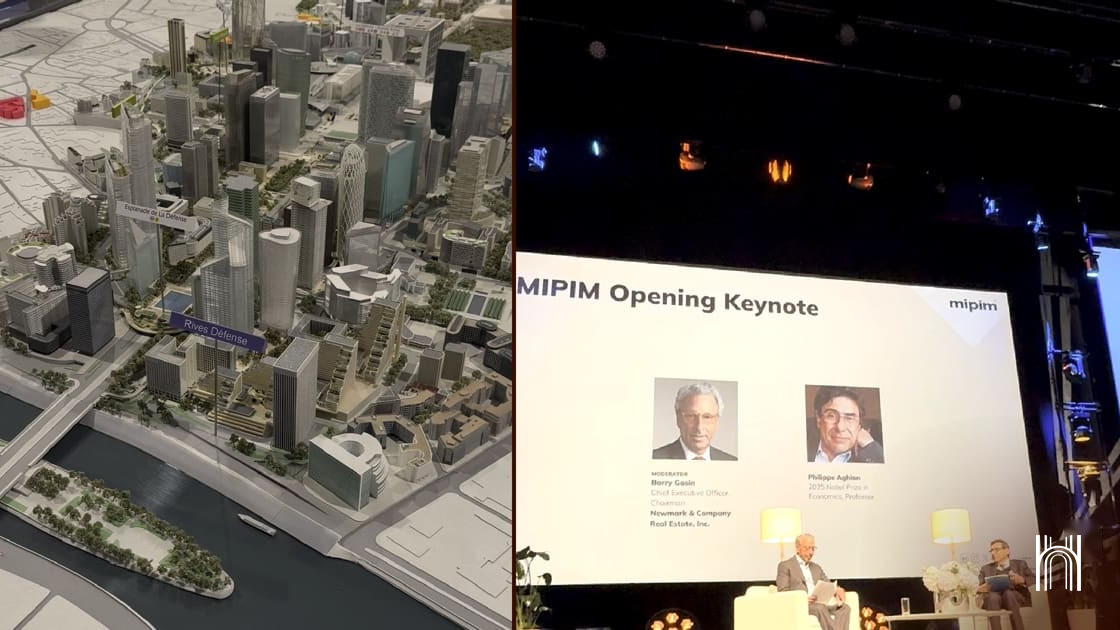
During the discussions I attended at MIPIM, another major shift emerged among hotel operators: the value of a hotel no longer rests solely on its location or on the quality of its building.
It increasingly depends on the experience offered to travellers, from economy hotels to luxury properties. Wealthy guests now look for stays that combine space, personalisation, cultural immersion and memorable moments. This shift affects the whole industry, from luxury hotels to serviced residences and integrated real estate projects.
The vision I carry through DELPORTE HOSPITALITY fits fully within this shift. For several years, in my talks and in the analyses published on DELPORTE HOSPITALITY Mag, I have explained that travellers no longer come merely to sleep in a room. They come to live an experience, alone, as a couple, with family, with friends or in a professional setting. This shift multiplies the occasions to visit and allows some properties to become true destination hotels: places guests choose to travel to for a particular atmosphere, cuisine, programme or experience at the heart of a city.
Extended stay: towards a freer, more immersive luxury
One of the most dynamic segments is the long-stay hotel business, often called “extended stay”. Highly developed in the United States, where it represents a significant share of the hotel market, this model remains more limited in Europe but is growing steadily, particularly in major international cities.
This reflects a deeper change in the way people travel. Business trips last longer, remote work allows people to work from different destinations, and travellers look for places able to host this way of living temporarily in a city.
Extended-stay properties generally offer more generous and more flexible spaces: suites or apartments designed as genuine living spaces, workspaces, sometimes kitchens, and services suited to stays of several weeks.
This shift now goes beyond the functional extended-stay segment. It also reaches international luxury, where several major brands are developing hybrid concepts between hotel and residence.
Four Seasons illustrates this trend particularly well. In many destinations, the brand offers private residences, villas and apartments that can be rented for extended stays, sometimes for several weeks or months, with all the associated hotel services: concierge, dining, wellness and personalised services. In some properties, it is even possible to book a suite or a residence for a month or more, turning the hotel into a genuine place to live.
This model answers an important change in contemporary luxury. Luxury is no longer defined solely by opulence or by the sophistication of a décor. It is also expressed through space, freedom and the possibility of experiencing a destination at one’s own pace.
The hotel residences of Four Seasons, like those of other major international brands, combine two worlds: the intimacy of a private apartment and the service quality of a luxury hotel. They are part of a wider trend, that of branded residences, residences associated with hotel brands that offer services comparable to those of an upscale hotel.
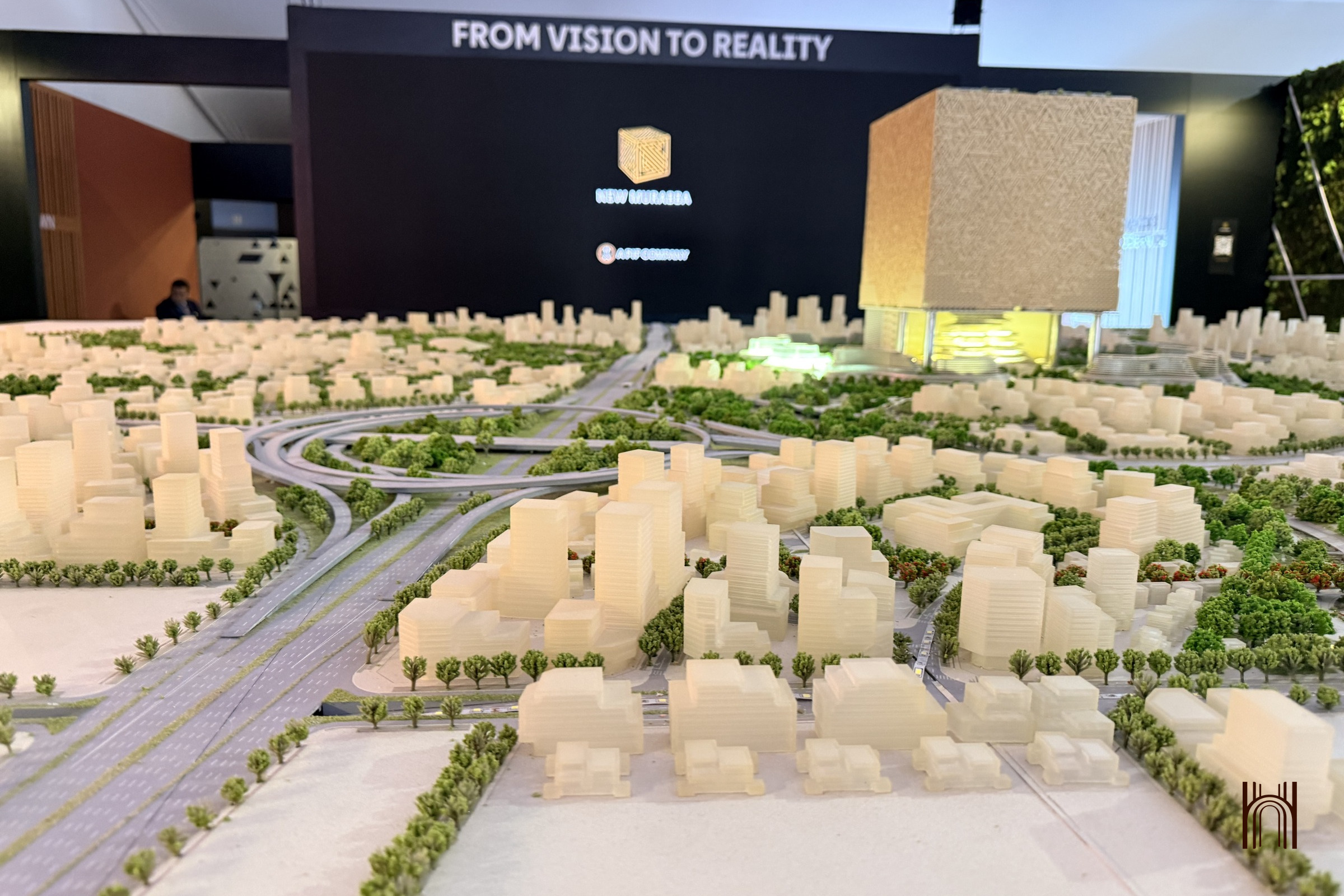
Luxury hospitality is thus moving towards a more flexible and more immersive form of hospitality. Travellers no longer look only for a room in a prestigious hotel. They want to inhabit the destination temporarily, with a level of comfort and service comparable to that of a private residence. The growth of extended stays and hotel residences illustrates a profound transformation: the hotel is gradually becoming a living space, able to support new ways of travelling, working and discovering the world.
Experience now goes beyond the product
The traditional codes of luxury, remarkable architecture, refined interior design and excellent service, remain essential. Yet real differentiation now rests on the quality of the experience lived in the property. The design may be spectacular, but the decisive element is the depth and coherence of the experiences offered to guests.
This is precisely where DELPORTE HOSPITALITY supports properties and hospitality projects. Beyond the design of places, the challenge is to imagine experience scenarios, to create memorable moments and to build a genuine culture of welcome. It also means training teams and working closely on how employees can express their personality and their sense of hospitality. When teams are fully themselves and at ease in their role, they create the authentic moments that make all the difference.
This is a fundamental shift: the guest experience is becoming one of the main factors of differentiation. In a market where hotel standards are increasingly homogeneous, travellers look for experiences able to create an emotion or a memory. That experience begins long before arrival: it starts at the time of booking and continues throughout the stay.
Among wealthy consumers in Asia, 66% say they favour experiences over buying luxury products, against 55% who still favour retail. Experience is becoming a central part of the story of a journey.
One notion sums up this shift well: shareable exclusivity. Travellers want to live a unique experience, but also to be able to tell the story of it, within their social circle as well as on digital platforms. Luxury thus becomes both personal and narrative. Hotels are developing complete programmes that combine wellness, gastronomy, cultural activities and local experiences, and that turn the property into a place of immersion in the destination.
For me, this shift confirms a central principle: hospitality is no longer limited to accommodation and dining. It now means designing experiences able to give meaning to a stay and to turn a hotel into a genuine place to live. It also means evolving the hotel professions and introducing new approaches to imagining the experience offered to guests.
Faena New York, an ecosystem of experiences
Through my visits and the analyses published in DELPORTE HOSPITALITY Mag, I see more and more properties exploring this direction. During my recent visit to New York, Faena illustrated this shift perfectly. The hotel does not merely host guests: it offers a complete universe where architecture, culture, gastronomy and wellness meet. The experience is built through the design of the spaces, the artistic programme and the involvement of the teams. Dinners can be accompanied by musicians, a theatre hosts immersive performances and a spa offers particularly original approaches to wellness.
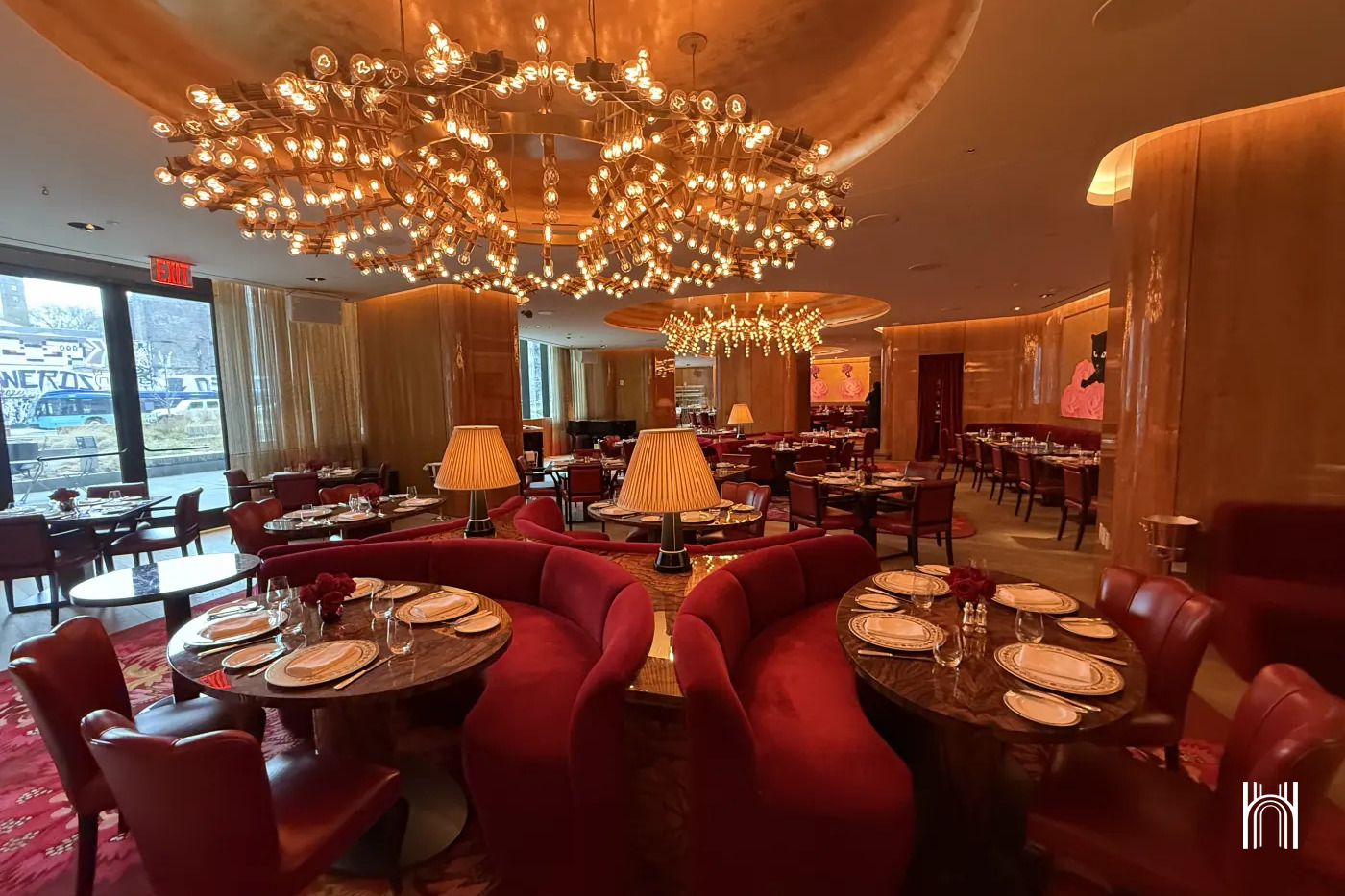
The hotel thus becomes a true ecosystem of experiences, where visitors come to live a singular moment, far beyond a simple hotel stay.
Faena is, moreover, not an isolated case. Already present in Miami and in Argentina, the group is developing a vision of hospitality that renews some of the sector’s codes. It is interesting to note that these innovative concepts do not always come from the historic hotel brands: the boldest ideas often emerge from entrepreneurs, creators or players from other worlds, who bring a different perspective on hospitality. Several projects of this kind are now under development in different cities around the world, confirming that innovation now depends on the ability to imagine genuine places of experience.
Singapore, a laboratory of experiential tourism
Singapore is often cited as a laboratory of experiential tourism. According to data presented by representatives of the Singapore Tourism Board, the destination recorded growth of about 2% in international arrivals in 2025. The progress over the last six months appears even stronger.
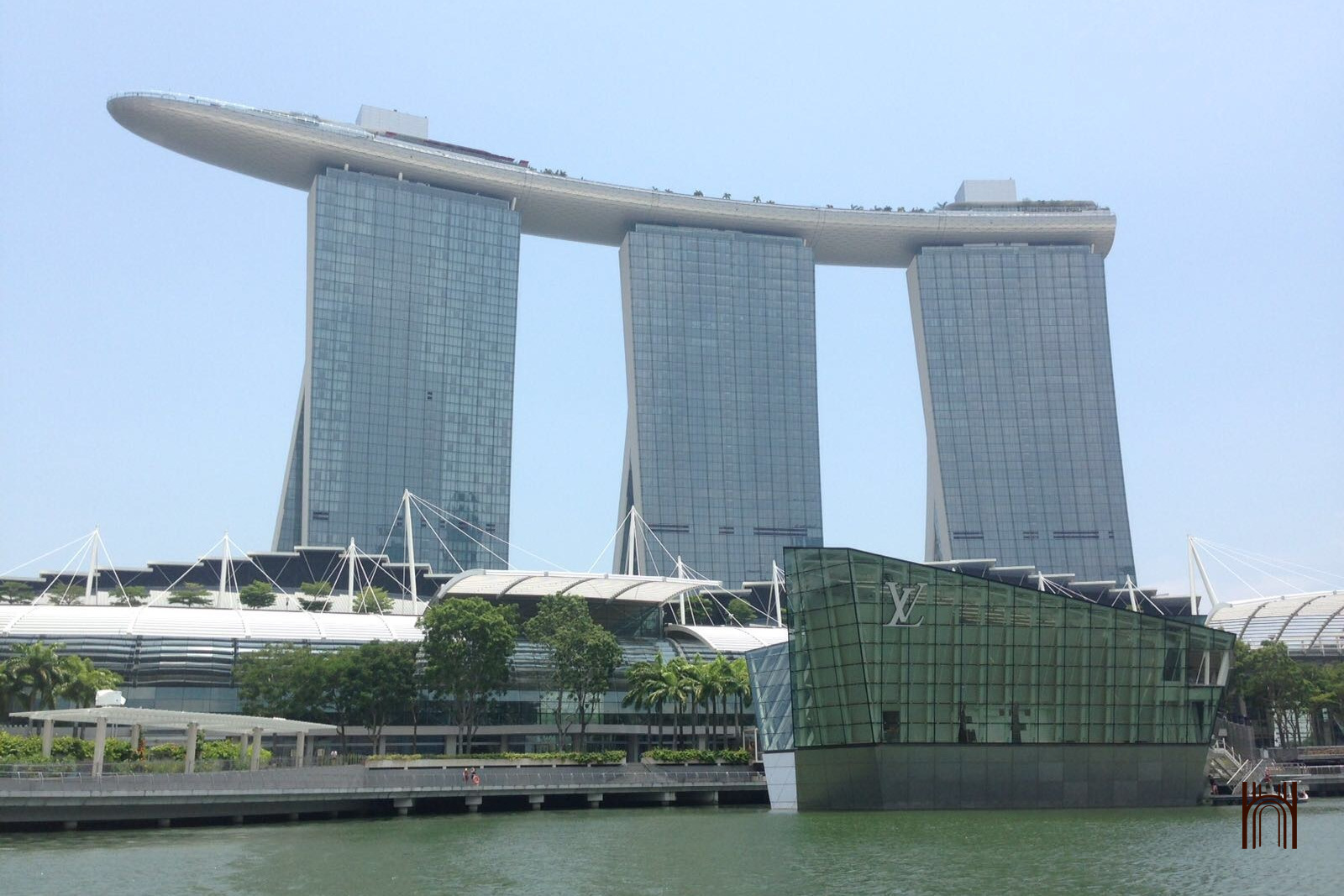
Luxury hospitality shows particularly strong momentum. Average rates rose by 22% in some upscale properties. The destination also attracts a very high-end clientele: private jet arrivals rose by more than 360% during certain peak periods, and some hotels offered stays reaching 35,000 dollars a night, quickly sold out.
These results come from the destination’s strategy: offering a concentration of experiences within a relatively short stay. Gastronomy, culture, shopping, art and entertainment are integrated into a coherent offer.
Key takeaways
Luxury hospitality is moving towards a logic of global experience. Travellers look for stays that combine space, cultural immersion and personalisation. The wealthiest now favour experience over buying luxury products.
Demand for luxury suites and residences is rising sharply. These formats answer changing travel habits and expectations of flexibility.
Some destinations, such as Singapore, build their tourism strategy around the creation of integrated experiences.
Hospitality-related real estate projects are becoming increasingly hybrid. They combine hotels, residences and cultural activities to create genuine hospitality ecosystems.
Read more
Share this article with a colleague, a client or a partner.
That is often how an idea enters a house, and then its habits.
What you say about it matters more than what I say.
A keynote, a mission, an article in the magazine: if my work has been useful to you, a few lines on Google are worth more than any argument.
Leave a review on Google →