
Last June, Accor put a ship in the water. Ritz-Carlton already operates three. At ILTM in Cannes, the major hotel brands held stands next to the cruise lines rather than opposite them. Meanwhile, three passengers in ten at Explora Journeys had never set foot on a ship. They come from our hotels. Here is why they are leaving.
There are trade shows I come back from with brochures, and others I come back from with a concern. This edition of ILTM belongs to the second category, and I believe few hoteliers measured what was at stake there.
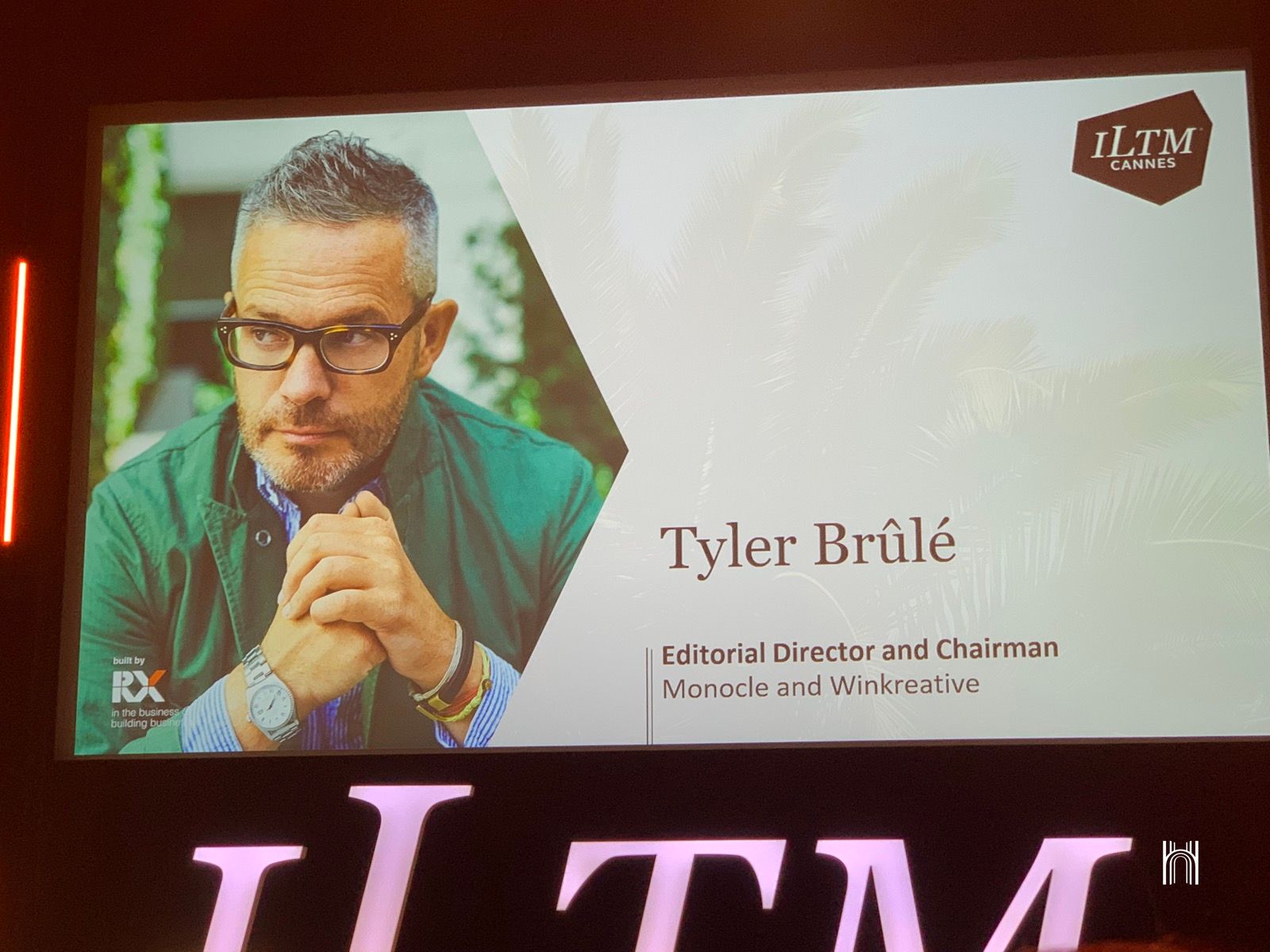
The opening panel brought together Tyler Brûlé, founder of Monocle, Anna Nash, president of Explora Journeys, Steve Odell, who runs Oceania Cruises and Regent Seven Seas, and Simone Gibertoni, CEO of Clinique La Prairie. A publisher, two cruise executives, a clinic CEO. Not a single hotelier on stage.
That in itself is a signal.
Why are the major hotel brands taking to the sea?
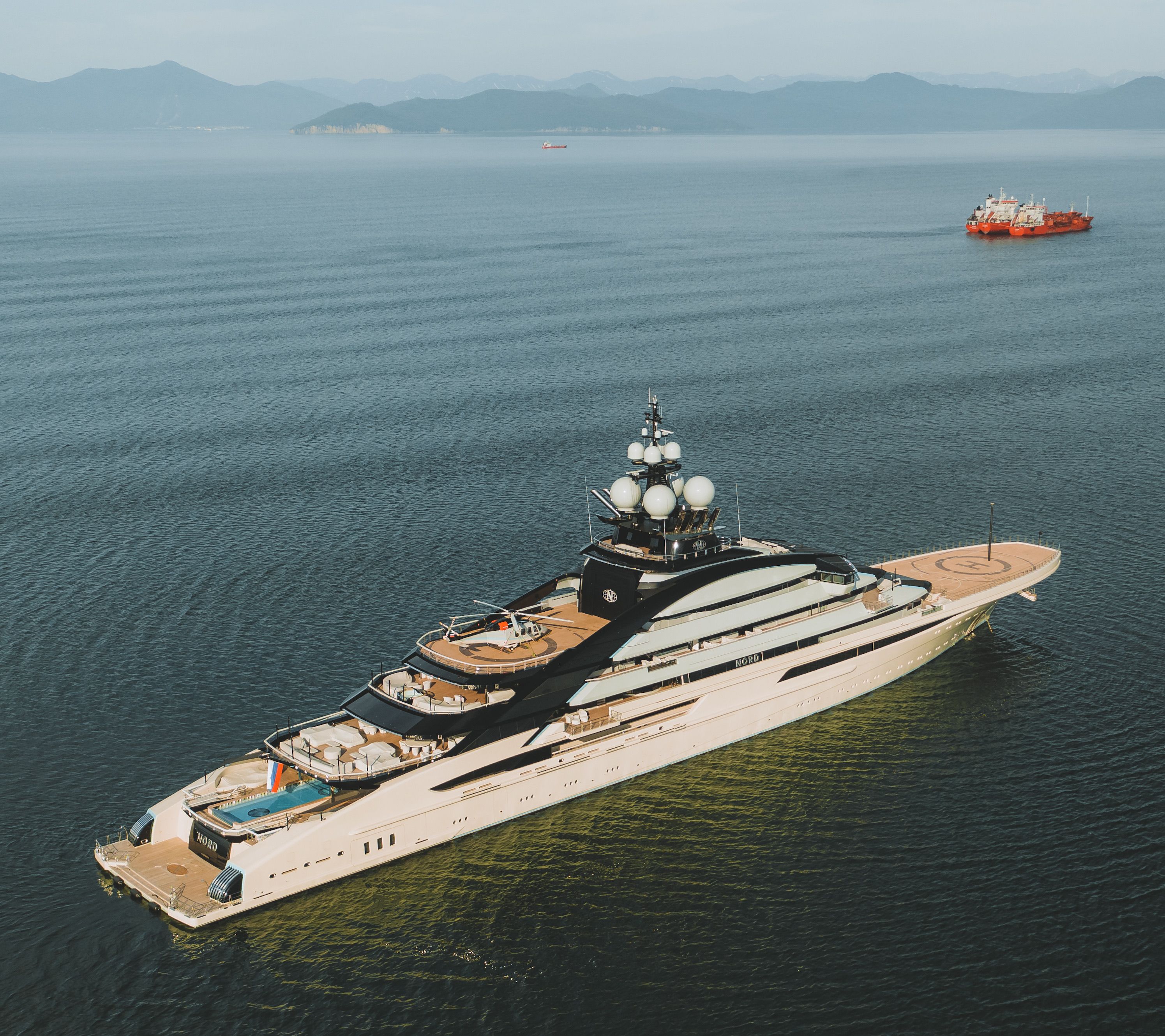
Because their clientele is going there. Accor, Marriott, Hyatt and IHG held stands alongside the cruise lines in Cannes, and both Ritz-Carlton and Orient Express now operate their own ships.
For decades, land-based hotels and cruising eyed each other from a distance, with mutual condescension. Two trades, two clienteles, two imaginations. That border no longer exists.
Ritz-Carlton operates its own yachts. Accor launched the Orient Express Corinthian in June. And in Cannes, the hotel brands were not merely present: they were physically neighbouring the luxury cruise lines, in a show that even created a dedicated area called The Sail.
The industry has a name for this movement, the land-and-sea crossover. I prefer to put it differently, from a hotel director's point of view: the perimeter of your competition has just expanded to include a floating object.
The figure that should hold your attention is this one. At Explora Journeys, more than thirty percent of passengers are first-time cruisers. Those travellers do not come from other ships. They come from hotels. They compared, and they chose the sea.
Steve Odell put it lucidly: the main obstacle to his sector's growth is no longer the product, it is the decision to try it once. An ILTM study also shows that ten percent of high-net-worth individuals state they will never want to cruise. Which means the remaining ninety percent are, sooner or later, convertible.
What does the sea give that hotels have stopped offering?
Time. One arrival, one suitcase unpacked, no taxis, no reservations to negotiate, no bill that surprises. A land itinerary, by contrast, consumes time at every stage.
This is where the panel produced its harshest sentence for our profession, and it came from Anna Nash.
Read that list slowly. Each of those three points is a direct criticism of the upscale hotel experience as we deliver it.
The taxis are our badly coordinated transfers. The chess game with reservations is our fully booked restaurants, our spas to be reserved three days ahead, our overstretched concierges. The shock at the bill is our habit of charging separately for what the guest believed was included.
Steve Odell added an equally effective formula: the guest unpacks once, and the experience delivered is entirely inclusive.
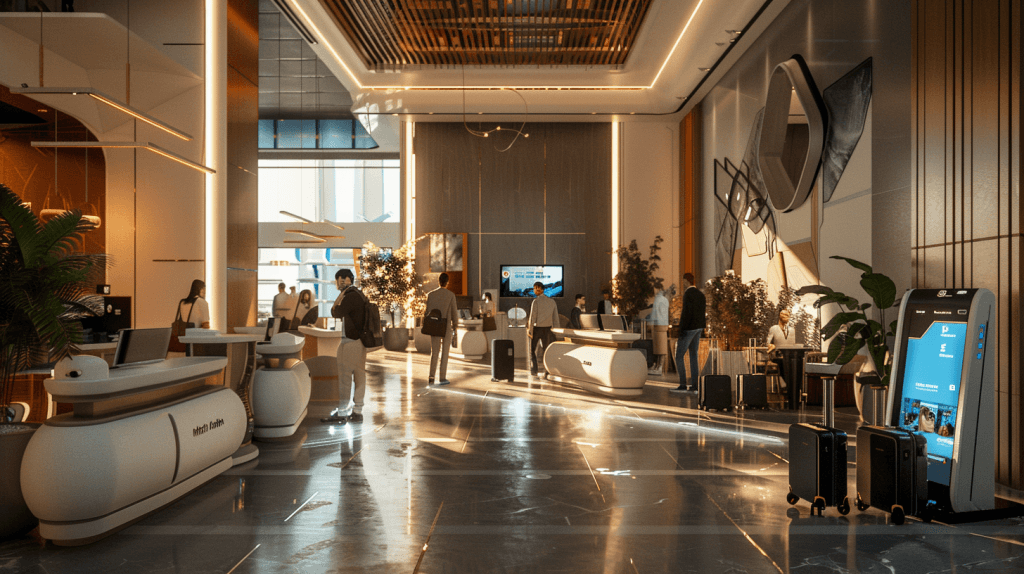
A ten-day luxury itinerary on land means three hotels, three check-ins, three rounds of repacking, three service cultures to decode, and a different bill at every stage. We call that a bespoke journey. The guest is starting to call it friction.
Let me say it plainly, because it is the heart of my audit work: luxury is no longer measured by what a hotel adds, but by what it removes. Every friction eliminated is worth more than an additional service. The sea understood this before we did, not through genius but through constraint: a ship is structurally a single place where everything is already there.
The good news is that nothing prevents a hotel from reasoning the same way. It simply requires counting frictions rather than services.
Is health becoming the real territory of luxury?
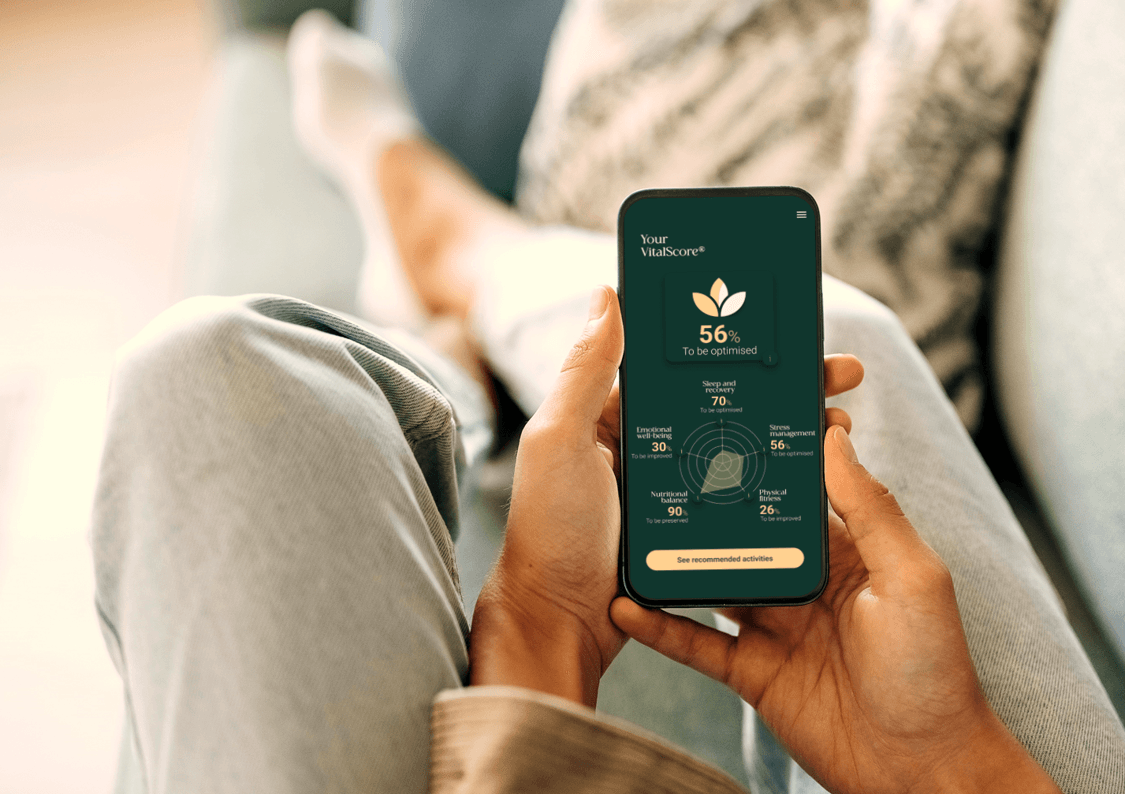
Yes, and its nature is changing: these operators no longer sell relaxation, they sell a measurable result on vitality, with diagnosis, protocol and follow-up after the stay.
Simone Gibertoni's presence on that stage says a great deal. The CEO of a Swiss clinic invited to speak about luxury travel would have seemed incongruous ten years ago.
His account is methodical. Clinique La Prairie structures its longevity programmes in three stages: a thorough diagnosis including genetic and biometric testing, personalised interventions combining medicine, nutrition, movement and wellbeing, then continuous follow-up designed to extend the benefits well beyond the stay.
Remember that third stage. It is the one hotels almost systematically ignore. We know how to craft a stay. We do not know how to extend its effect.
Those four words should give pause to every spa director I meet. The guest in this segment is no longer looking for an interlude. He is looking for an effect, and he now knows it can be measured.
A Monocle study presented at an earlier edition of the show indicated that seventy-four percent of luxury travellers now build wellbeing into their itineraries. That is no longer a trend, it is a baseline.
The cruise lines have built it into the very design of their ships: panoramic spas, yoga studios, thermal therapies, and the explicit intention, mentioned by Steve Odell, of moving the gym physically closer to the spa because guests move from one to the other.
I smile as I write these lines. In 2016, at the EquipHotel show, I designed a forward-looking room whose entire demonstration rested on restoration and wellbeing distributed across the whole guest journey rather than concentrated in a cabin at the end of a corridor. The idea seemed theoretical then. Ten years later it has become a selling point. It is remarkable how long simple ideas take to establish themselves.
Why is provenance becoming a decisive argument again?
Because in a market saturated with generic promises, the guest wants to know where the expertise comes from. Credibility becomes an asset, and it has to be proven.
The panel's fourth lesson is quieter, and it may be the most useful for a hotel brand.
As promises come to resemble one another, the best-informed travellers look for clear origins and proof of competence. Switzerland is cited as a benchmark for scientific rigour and medically grounded wellbeing. Anna Nash, for her part, insists on the need for a legible identity: the guest wants to understand who creates the experience, where the service standards come from, and how they translate into every interaction.
What I read into this goes beyond marketing. Provenance is only an asset if it is proven in the daily gesture. A hotel that claims a French tradition without it showing in the way guests are welcomed claims nothing, it decorates. And today's guest, who compares constantly, detects the gap in under twenty-four hours.
This is exactly the work I carry out in my assignments: translating a stated identity into observable behaviour. Not a charter, but gestures.
What should a hotelier do with all this?
Count frictions rather than services, measure the effect of wellbeing programmes, and stop treating cruising as a foreign trade.
I do not believe in articles that describe a trend without saying what to do with it. Here is what I would retain if I ran a property.
Count your frictions. How many times must a guest give his name between arrival and dinner? How many waits do you impose on him? How many lines of his bill does he discover on departure? This count is brutal and it is free. It is where I begin every audit.
Measure the effect, not satisfaction. A guest satisfied with your spa tells you nothing about his condition three weeks later. The longevity operators measure. As long as we settle for rating the experience, we will sell moments while others sell results.
Watch what is happening at sea. Not to imitate it, but because upscale cruising has become a laboratory of integrated hospitality: all-inclusive, anticipation, continuity of narrative across several days. These are precisely our subjects.
And above all, stop thinking your guest is choosing between two hotels. He is choosing between two ways of spending ten days of his life.
Laurent Delporte's reading of it
What this panel confirmed for me comes down to one sentence: luxury is moving from accumulation towards subtraction.
For thirty years, our industry progressed by adding. More services, more options, more choice, more square metres. The sea now demonstrates that a higher perceived value can be created by removing: one arrival, one bill, one decision.
This is not a victory of cruising over hotels. It is a warning addressed to those who still confuse abundance with generosity. Generous hospitality, as I defend it, has never consisted of giving more. It consists of giving what matters, and removing what weighs.
Today's wealthy guest already owns everything except time. Whoever gives him the most of it will win.
Key takeaways
The competitive perimeter of a luxury hotel now includes ships. Ritz-Carlton and Orient Express are no longer land-based brands alone.
Three passengers in ten at Explora Journeys had never cruised. They come from hotels, and they chose knowingly.
Luxury is increasingly measured by time given back, not by services added. Every friction removed is worth more than one more service.
Wellbeing is changing nature: cruise operators no longer sell an interlude, they sell a result. Which requires measuring the effect after the stay, something hotels almost never do.
Provenance is only an asset if it is proven in the daily gesture. An identity claimed but invisible in service is mere decoration.
Count your frictions rather than your services. It is free, it is brutal, and it is the best diagnosis available to you.
Share this article with a colleague, a client or a partner.
That is often how an idea enters a house, and then its habits.
What you say about it matters more than what I say.
A keynote, a mission, an article in the magazine: if my work has been useful to you, a few lines on Google are worth more than any argument.
Leave a review on Google →