The French art of hospitality has its own customs and rituals.
In the past, guests would go to a starred restaurant in a suit and tie, but today people want to have a wonderful time while relaxing. What matters most to the guest is having a warmer experience, both in the service (more personalized) and in the dress code, which is more casual, alongside a genuine identity in the cooking.
That's why there is real enthusiasm for restaurants like Akrame, David Toutain, Septime, Mocoto in Sao Paulo, Central in Lima, and many others. Guests are looking for a unique experience.
Nowadays, when we talk about the French art of hospitality, people picture something old fashioned, a bit pompous. It's up to us to breathe new life into it and bring a touch of modernity.
Christopher, for several months now you have been traveling the world to meet chefs (New York, Sao Paulo, Rio de Janeiro, San Francisco, Lima, Kyoto, Santiago, Japan, Singapore, Hong Kong...).
What have you taken away from these encounters and the time spent in these kitchens? What do you pay attention to when you're in a kitchen abroad? How might this change the way you cook?
I proposed this 'world trip' to the Hôtel de Crillon before it closed. I felt the need to discover new concepts in dining, hospitality, and trends around the world. I had always worked in France, in Paris in particular, so I seized this opportunity to discover other cultures and meet chefs from around the world. It's an extraordinary experience.
Every chef welcomed me with open arms and gave me the chance to share in their cooking and their traditions, with great generosity and humility. I paid close attention to everything happening around me, curious to discover new products and new techniques.
I chose establishments run by local chefs, native to each country. I wanted to understand their philosophies, the way they interpret cooking, and their techniques and practices.
What I take from all this is that today, our guests who travel are becoming more demanding, but also more open, thanks to how cuisine has evolved around the world. Nowadays, it's possible to eat extremely well anywhere, with all kinds of styles and concepts.
I will never change my philosophy of cooking. What will change is my approach: I intend to go much further with tastes, techniques, flavors, and products, all while keeping my own identity. Having solid foundations that let you stay in control and not scatter your focus remains essential.
What did you see in the United States that left a mark on you?
I saw exceptional things in the United States, because the approach of American chefs is truly extraordinary. Almost all of them have their own vegetable garden. They create a genuine link between the land and the plate. There is something powerful in that.
Blue Hill Farm, with chef Dan Barber, is a wonderful example of what you can find there. The chef tries to bring the natural back into every one of his dishes. He has his own vegetable garden and works with local farmers. He is even trying, for instance, to produce a natural foie gras by avoiding force feeding the geese.
Then there's also Thomas Keller, with whom I was lucky enough to train at his restaurant, the French Laundry. He has his vegetable garden right across from his restaurant. He seeks to share a real story, a real identity. It's authentic, it's an experience and not just a meal. Everything works together: the setting, the table arrangement, the wine, the narrative, a little like the French art of hospitality.
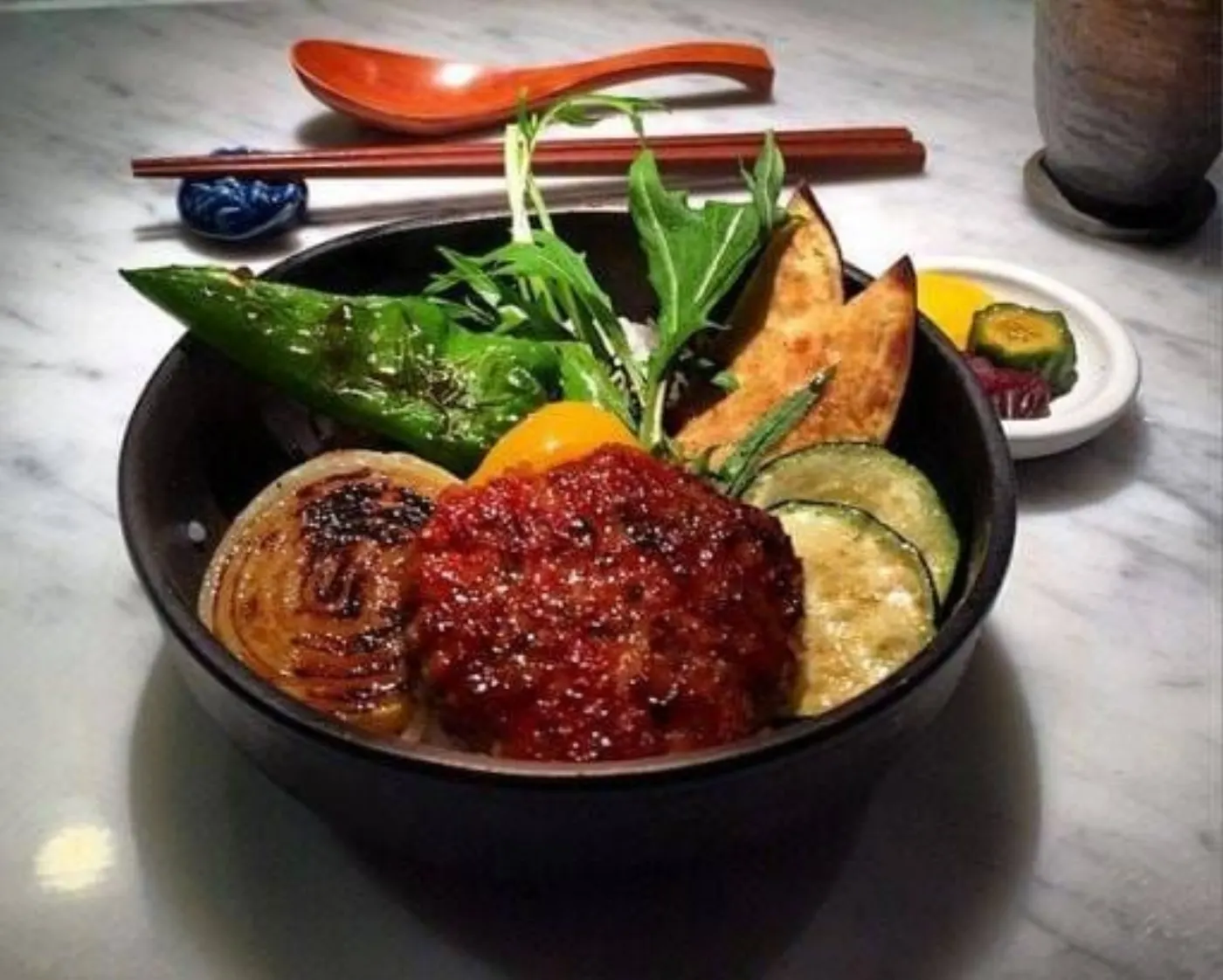
How do you adapt your cooking to such a diverse clientele? Is it a cuisine for everyone, or one tailored to your guests' backgrounds?
Today, we craft our French cuisine using the finest ingredients available to us. We need to satisfy guests who will appreciate this style of cooking, while others won't like it at all because it's too far from their own tastes. But the most important thing, in the kitchen, is to know other cultures, because that's how we come to better understand the way our guests think and live. That way, we can meet their expectations more effectively.
Luxury is the art of detail, it's about going further. So understanding what our foreign guests are looking for is the key to satisfying them. They have their own habits and are sometimes not very open to novelty, particularly guests who don't travel much, who can remain quite closed off.
But this is changing, because tomorrow's guests travel a great deal and often know more than we do about international gastronomy.
Do you adapt your cooking to each guest, or do you create a cuisine for everyone?
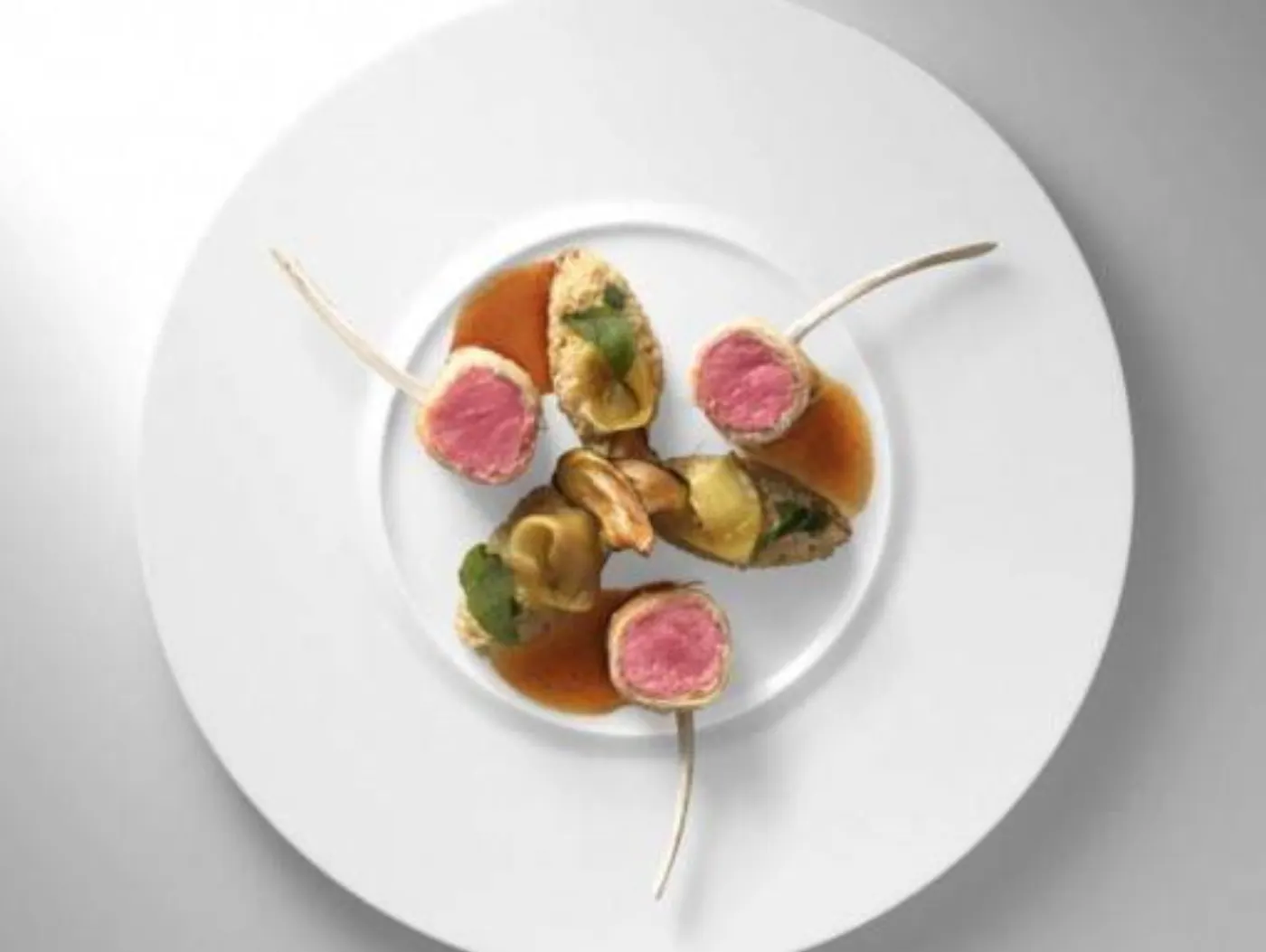
I create my own cuisine, which is really a cuisine for everyone. When you travel, you develop your creativity even further. You become far more open. For example, I worked with ants in Brazil and turtle in Japan, but I know perfectly well that I couldn't do that in Paris. It simply wouldn't make sense.
While staying true to my culinary philosophy, I push my cooking further, in the preparations and in the search for spices, for example. That takes a great deal of testing and fine tuning beforehand. The challenge is not to mix all these different know hows together. Above all, it's about enriching my vision of gastronomy by drawing on all the richness I've experienced through my time spent alongside different chefs.
For the hotel's opening, I will put French gastronomy front and center, because that's what people come here for above all.
The restaurants where Christopher Hache trained
2013
The French Laundry, Chef Thomas Keller, 3 Michelin Stars, No. 47 World's 50 Best (1 week)
Meadowood Napa Valley, Chef Christopher Kostow, 3 Michelin Stars (1 month)
Fifty Seven, Los Angeles, Chef David Nayfeld (1 week)
Restaurant Andre, Chef André Chiang, No. 38 World's 50 Best (1 month)
Quintessence, Chef Shuzo Kishida, 3 Michelin Stars, No. 95 World's 50 Best (1 week)
Kikunoi Honten, Chef Yoshihiro Murata, 3 Michelin Stars (1 week)
2014
Atera, New York City, Matt Lightner, 2 Michelin Stars (1 month)
Corton, New York City, Paul Liebrandt, 2 Michelin Stars (1 month)
D.O.M, Sao Paulo, Brazil, Alex Atala, No. 6 World's 50 Best (2 months)
Borago, Santiago, Chile, No. 56 Latin America's 50 Best (1 week)
Osadia, Santiago, Chile, Chef Carlo Van Muhlenbrock (2 weeks)
Maido, Lima, Peru, Mitsuharu Tsumura, No. 10 Latin America's 50 Best (1 week)
Central, Lima, Peru, Virgilio Martinez Veliz, No. 50 World's 50 Best (1 week)
Astrid & Gaston, Lima, Peru, No. 14 World's 50 Best (1 week)
Share this article with a colleague, a client or a partner.
That is often how an idea enters a house, and then its habits.
What you say about it matters more than what I say.
A keynote, a mission, an article in the magazine: if my work has been useful to you, a few lines on Google are worth more than any argument.
Leave a review on Google →