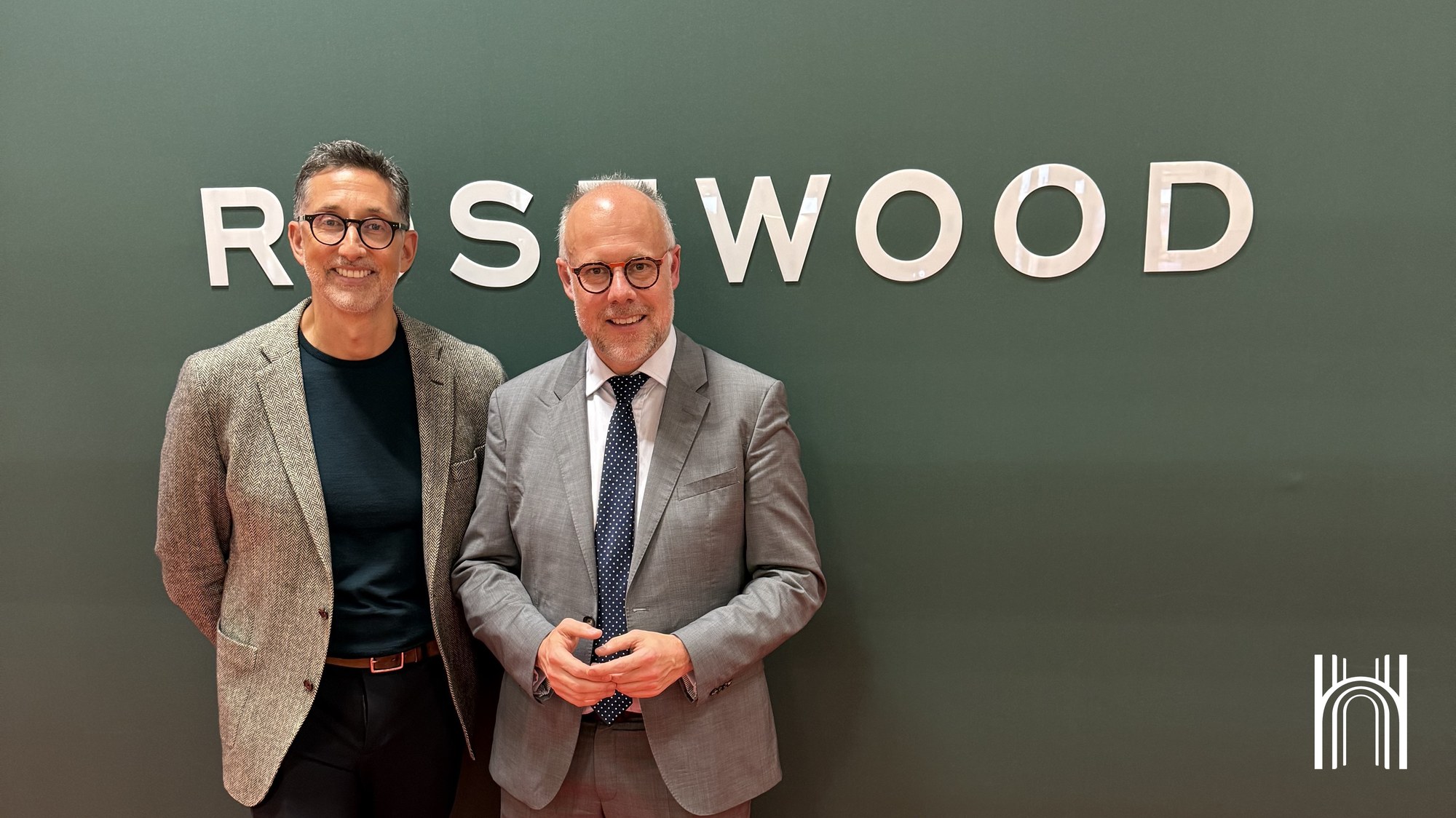
The whole of luxury hospitality has been built on one promise: the same experience, everywhere, every time. Anthony Ingham, Chief Operating Officer of Rosewood Hotel Group, embraces the opposite. Met at ILTM in Cannes in December 2025, he explained to me why his group accepts not being perfectly consistent from one hotel to the next, and what that really costs.
There are interviews where you hear what you expected, and others where a single sentence stops you. This one belongs to the second kind.
Anthony Ingham joined Rosewood Hotel Group in September 2025 as Chief Operating Officer, alongside Sonia Cheng. He led the transformation of W Hotels after its acquisition by Marriott, then led brand proposition, guest experience and marketing for the St. Regis, Le Méridien and InterContinental brands, before running membership services and hospitality at the Hong Kong Jockey Club.
It is that career that makes his position so interesting. When a man who has spent twenty years standardising explains why he stopped believing in it, it is worth listening.
Is sense of place a starting point or a decoration?
A starting point. At Rosewood, the work on place begins before the architects are even appointed, and it then determines everything else: the design, the recruitment, the programming.
This was the first thing that struck me in our conversation. Many groups talk about sense of place. Almost all treat it as an additional layer, added once the hotel is already drawn.
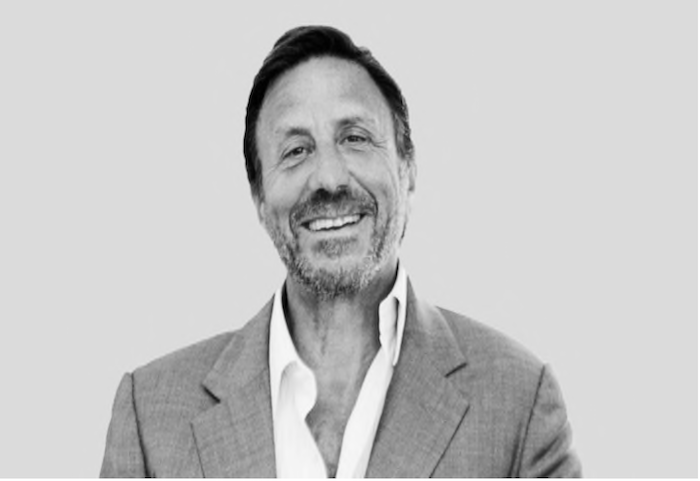
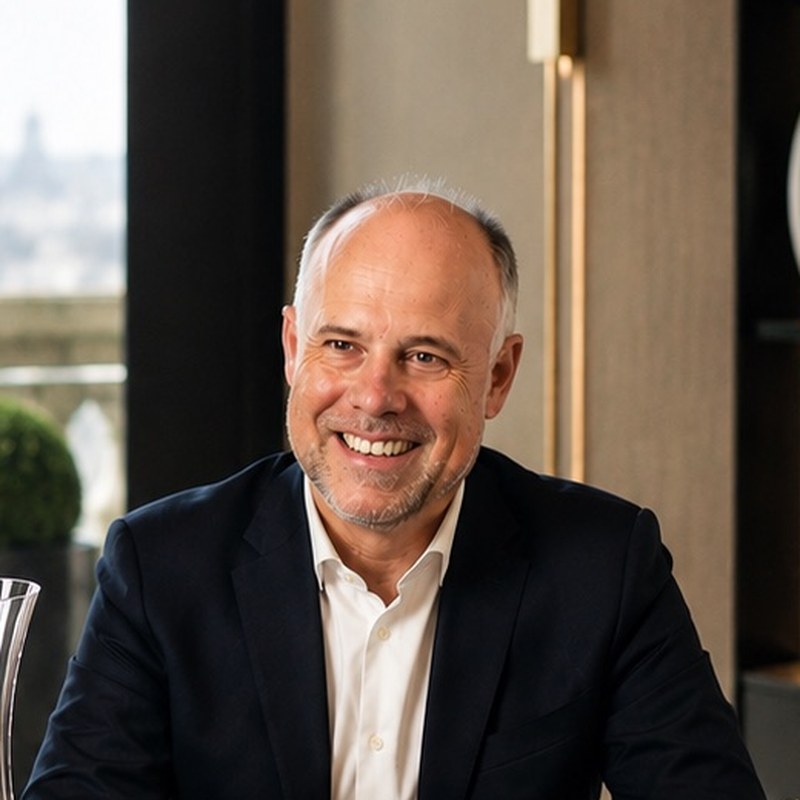
Anthony Ingham, Chief Operating Officer, Rosewood Hotel Group
At Rosewood, the sequence is reversed. Before choosing a designer, the teams gather for several days to understand the geography, the culture and the people of a place, then look for how to interpret them through a contemporary lens. Only afterwards come the design, the scale of the hotel, the construction.
Anthony Ingham
This inversion is not a methodological detail. It explains why some hotels ring true and why others, despite considerable means, feel like an applied set. The difference does not show in photographs. It is felt on the third day of a stay.
I find here something I argue for in every one of my owner's representative assignments: the identity of a place cannot be caught up afterwards. It is decided before the first pencil stroke, or it will never truly exist.
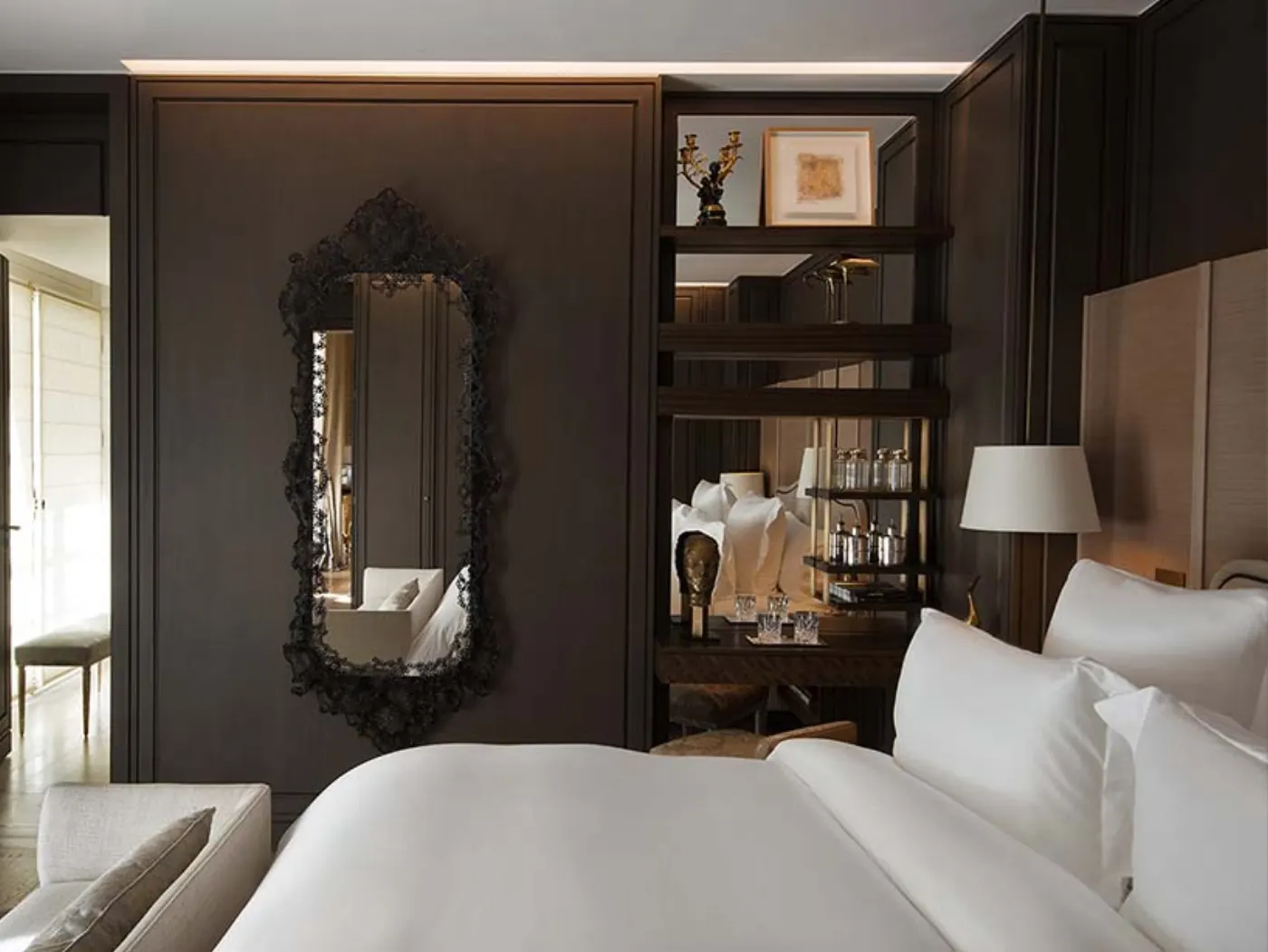
Should you recruit hoteliers or personalities?
Personalities for most roles, seasoned hoteliers to lead them: Rosewood recruits first on curiosity and attachment to place, then trains, provided the managers themselves are highly experienced.
The question of recruitment comes up in almost all my interviews. Anthony Ingham's answer is more nuanced than the usual line about attitude trumping the CV.
Anthony Ingham
But he immediately adds a condition few leaders state so plainly. If you intend to train the majority of your workforce in service excellence, then your managers must be exceptionally seasoned.
Anthony Ingham
This is an equation many properties miss. They recruit unconventional profiles, congratulate themselves, then place them under management that is itself inexperienced. The result is predictable: goodwill without method, and employees who leave after eight months.
Rosewood also recruits local teams as a priority, and gives them a freedom I have rarely seen expressed this way: the freedom to be themselves, to talk about what they are passionate about, their culture and their territory. That freedom is the real engine of what I call generous hospitality. An employee allowed to be themselves gives infinitely more than an employee who complies.
Can a luxury group give up perfect consistency?
Rosewood has made that choice and stands by it: the group accepts that the experience will not be identical in each of its hotels, provided it genuinely connects with the guest.
This is where the conversation became genuinely interesting.
The entire luxury hotel industry rests on an implicit promise: wherever you are, you will find the same level, the same gestures, the same markers. Groups devote whole manuals, audits and quality departments to it. It is the very foundation of the brand.
Anthony Ingham spent twenty years building exactly that. He told me this:
Anthony Ingham
I weigh my words: few leaders of a luxury group accept saying this publicly. It is a deliberate renunciation of what has structured the industry for forty years.
And yet it matches exactly what I have observed in the field for years. The stays my clients still talk to me about two years later are never the most perfect ones. They are the ones where something happened, where someone took an initiative the manual had not foreseen. Absolute consistency produces satisfaction. It does not produce memory.
That said, the choice has a price, and Anthony Ingham does not hide it: you must accept that some stays will be less successful than others. It is a bet only a very strong internal culture can sustain. Without it, the freedom given to teams does not produce generosity, it produces randomness.
Can artificial intelligence bring people closer rather than further apart?
Yes, if it removes process rather than people: Rosewood rules out robots and automated check-in, and uses technology to free up time for relationships.
I put the question to him directly, in front of the room, in Cannes.
Anthony Ingham
He added a remark I found unusually honest for a leader at his level: on guest knowledge, the hotel industry is, in his words, shockingly disjointed. Every group is chasing the same goal, none has fully reached it.
And for the guest arriving for the first time, about whom nothing is known? His answer pleased me.
Anthony Ingham
Rosewood then encourages guests to entrust their transfer to the hotel. Not for the margin, which is slim, but because the journey from the airport is a moment of conversation, and therefore of knowledge. The arrival can then be prepared, the escort to the room anticipated.
This is exactly the case I make in my audits: data is not the only route to personalisation. Listening is another, older one, and often finer.
What will luxury look like over the next ten years?
More discreet and more useful. Over-tourism is becoming a major challenge for the sector, and the clientele that can buy anything is no longer looking for objects, but for time and meaning.
Looking ten years ahead, Anthony Ingham first identifies a threat.
Anthony Ingham
His answer comes down to one idea: building hotels whose proposition genuinely benefits the communities and places where they settle. A circularity of benefit, between what the traveller leaves behind and what they take away.
Then we spoke about discretion, and he formulated what I consider the most important sentence of our exchange.
Anthony Ingham
He distinguishes two forces behind this quiet luxury. The first is defensive: in a fractured world, you no longer wish to draw attention. But the second force runs deeper, and it is the one that matters. Those who can buy anything are no longer seeking to own. They are seeking to live.
What Rosewood does without saying so
The group funds a school, employs people with learning disabilities in one of its restaurants, and supports marine science, without featuring any of it in its communication.
This chapter interested me particularly, because Anthony Ingham introduced it by saying that Rosewood does not communicate about these initiatives.
At Mayakoba, in Mexico, a school founded around ten years ago now welcomes roughly four hundred and fifty students a year. It is funded by contributions from guests, associates and partners. It takes in the children of the hotel's teams and those of the surrounding area.
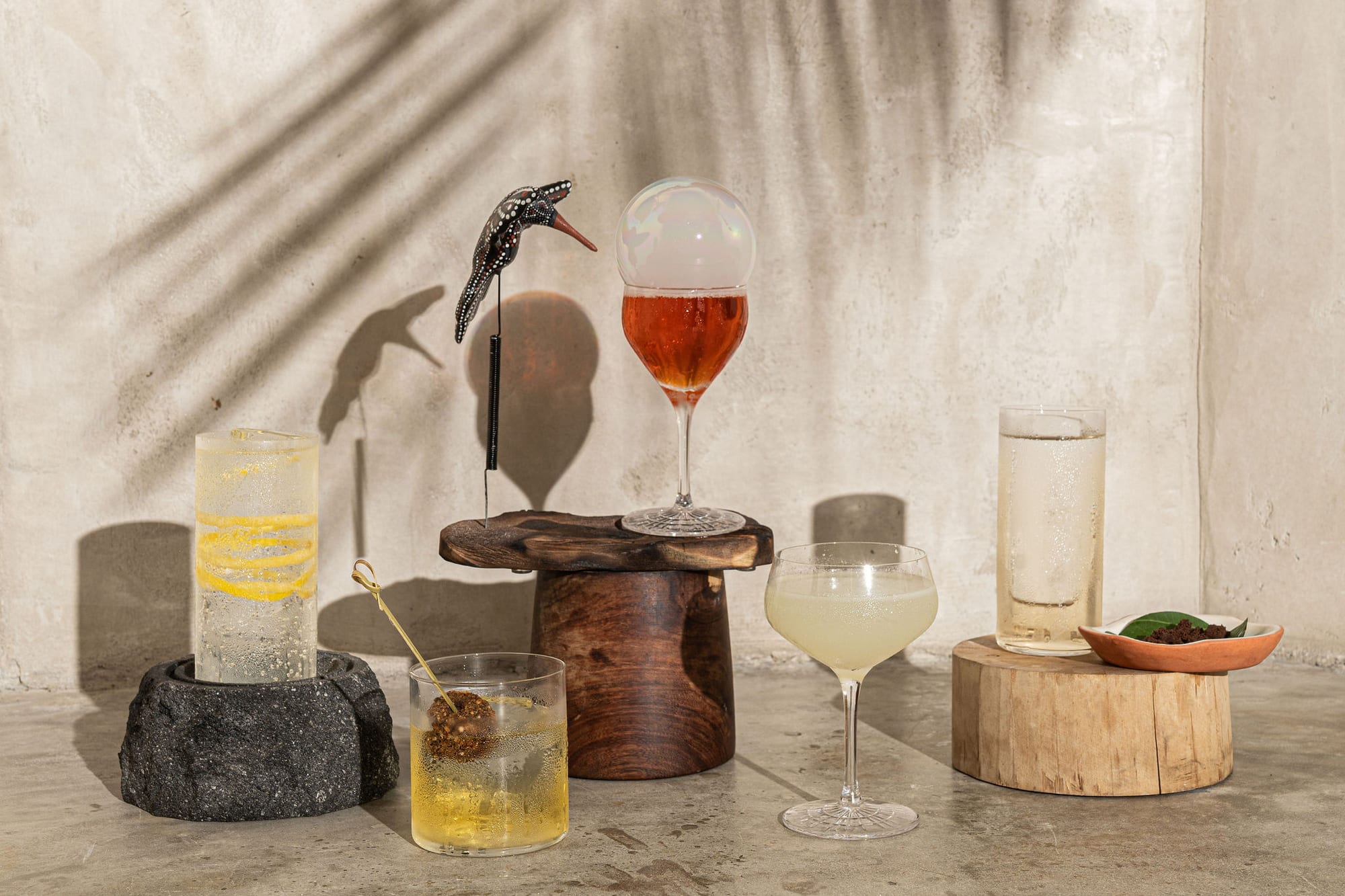
In Hong Kong, the Blue House restaurant at Rosewood is a deliberately accessible Italian trattoria. A share of the proceeds goes to underserved communities in the city, and the restaurant recruits and trains people who would struggle to find work elsewhere, notably because of learning disabilities. The training takes more effort. Anthony Ingham describes its unexpected effect: an immense pride among the teams themselves.
In the Bahamas, a partnership with a marine science organisation helps guests understand the human impact on marine life.
Anthony Ingham
This, to my mind, is the true marker of generous hospitality. Not what a house puts forward, but what it does without seeking any benefit from it. Generosity that is communicated is no longer quite generosity.
Box: where Rosewood is heading
The interview took place during a sequence of openings of unusual intensity for the group, one its leaders do not expect to see repeated. Anthony Ingham offers a key to understanding it: at Rosewood, a project takes on average ten years. Amsterdam, Mandarina, Calistoga: ten years each. Several of these long projects simply came to completion at the same time.
In 2025 the group opened in Japan with Miyakojima, in the Okinawa islands; in Mexico with Mandarina, on two hundred and fifty-nine hectares of beaches, mountains and jungle north of Puerto Vallarta; in Qatar with Rosewood Doha, a first; in Amsterdam, in the former courthouse of 1665 on the grand canal; and in London with The Chancery Rosewood, in the former United States Embassy on Grosvenor Square.
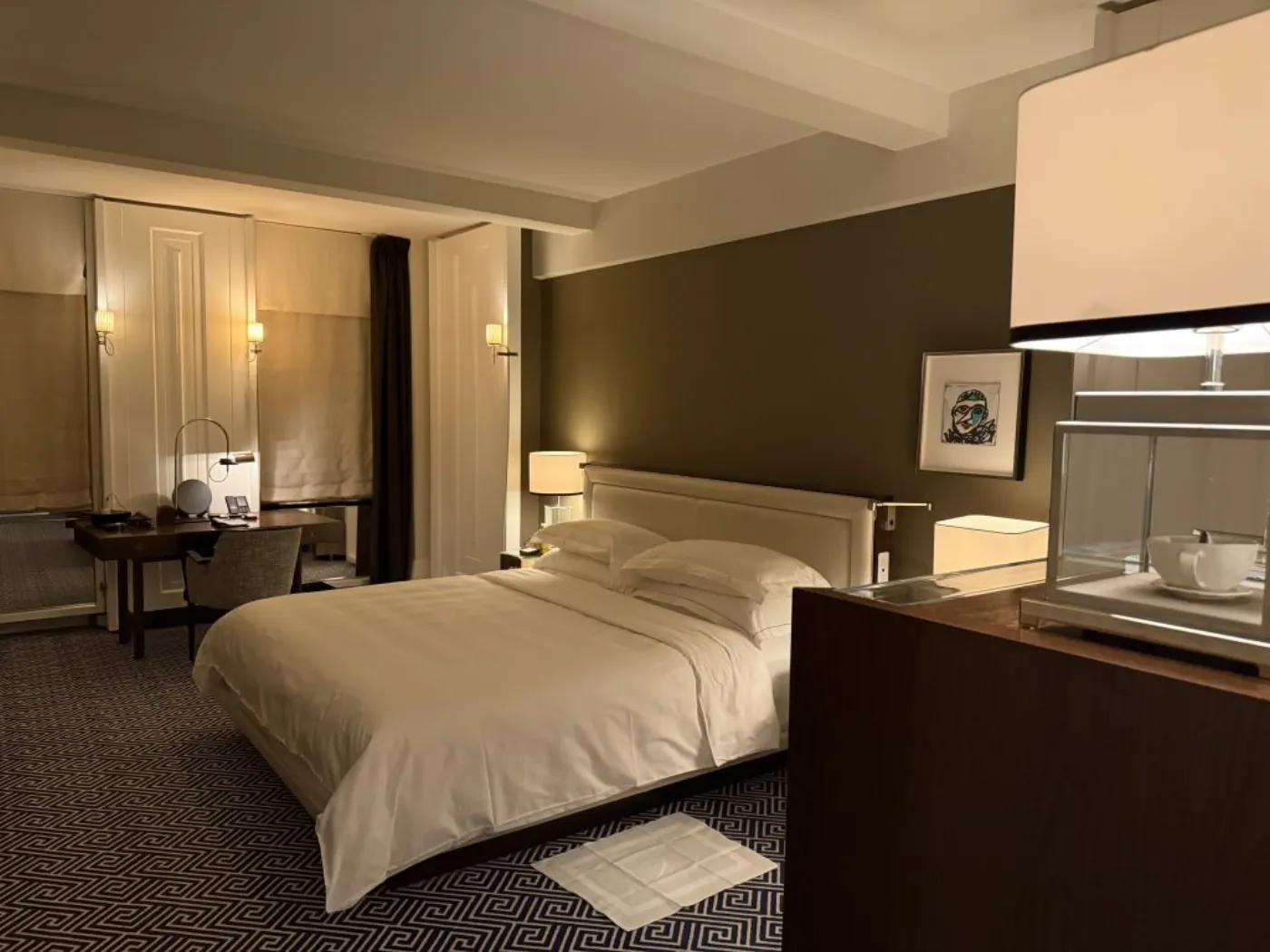
Rosewood Courchevel Le Jardin Alpin, the group's first ski resort, opened in December 2025. Crete will follow with the reimagining of the Blue Palace, and Rome on Via Veneto in the former headquarters of a major Italian bank. Rosewood Amaala opened on 18 August 2026, while Rosewood Red Sea is scheduled to open in 2027. Then Calistoga in the Napa Valley, the last project designed by Ed Tuttle before his death, Mexico City in the Polanco district, and the Maldives across three private islands.
What strikes me about this map is not its scale. It is how closely it matches what Anthony Ingham says. Three of these projects are reimagined historic buildings: a courthouse, an embassy, a bank headquarters. Where many groups build new and identical objects, Rosewood seems to look for places that already carried a story.
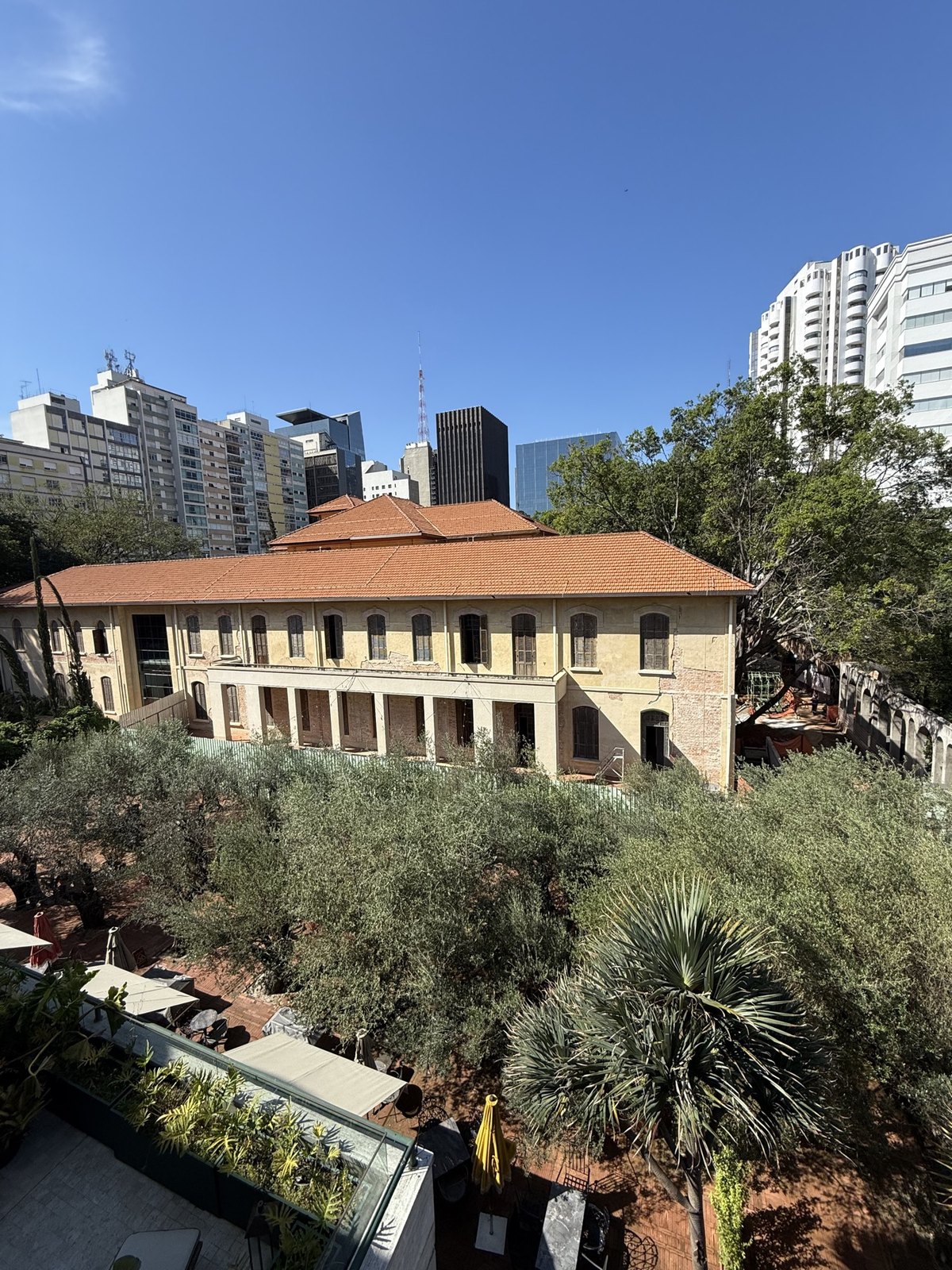
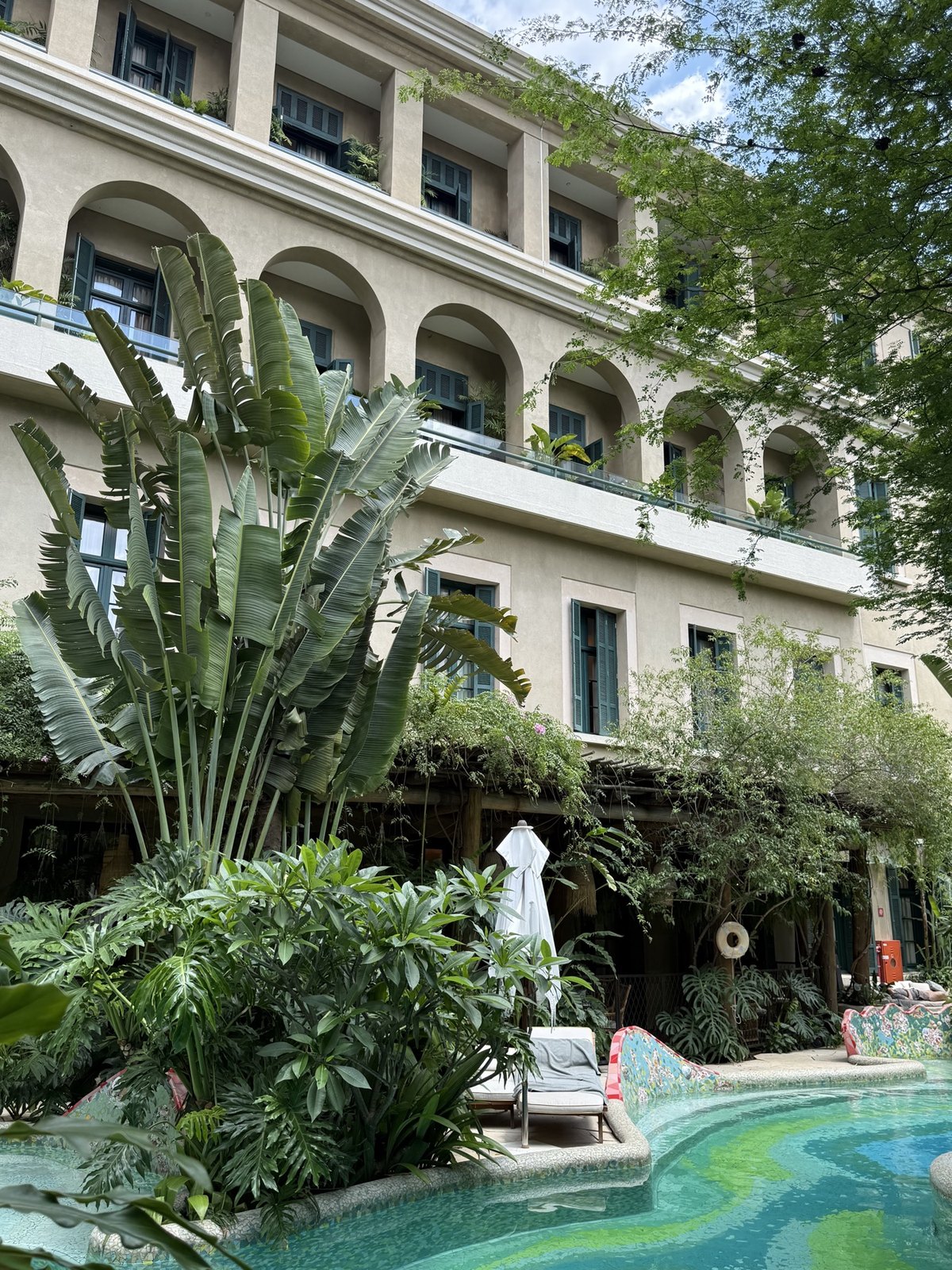
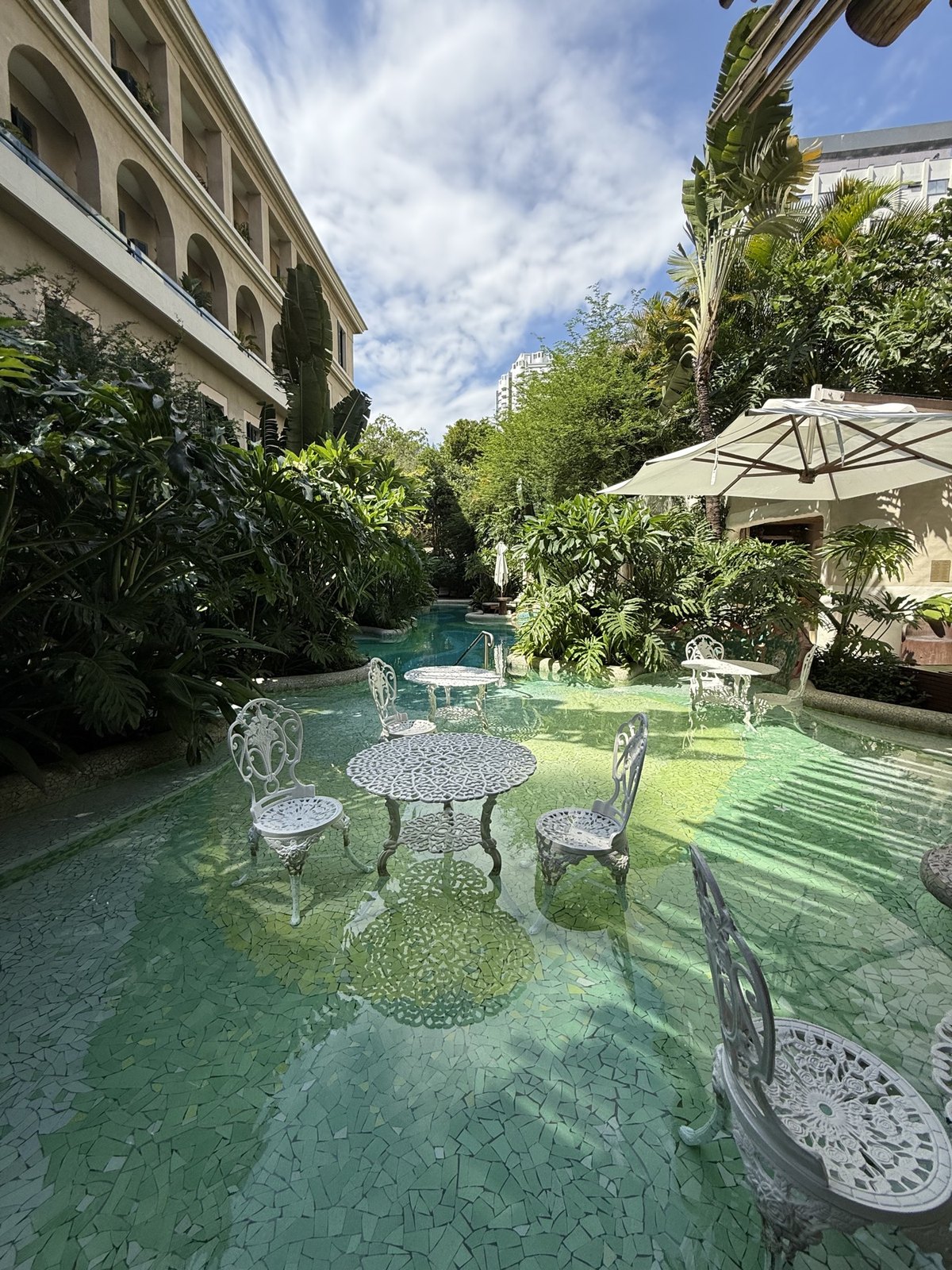
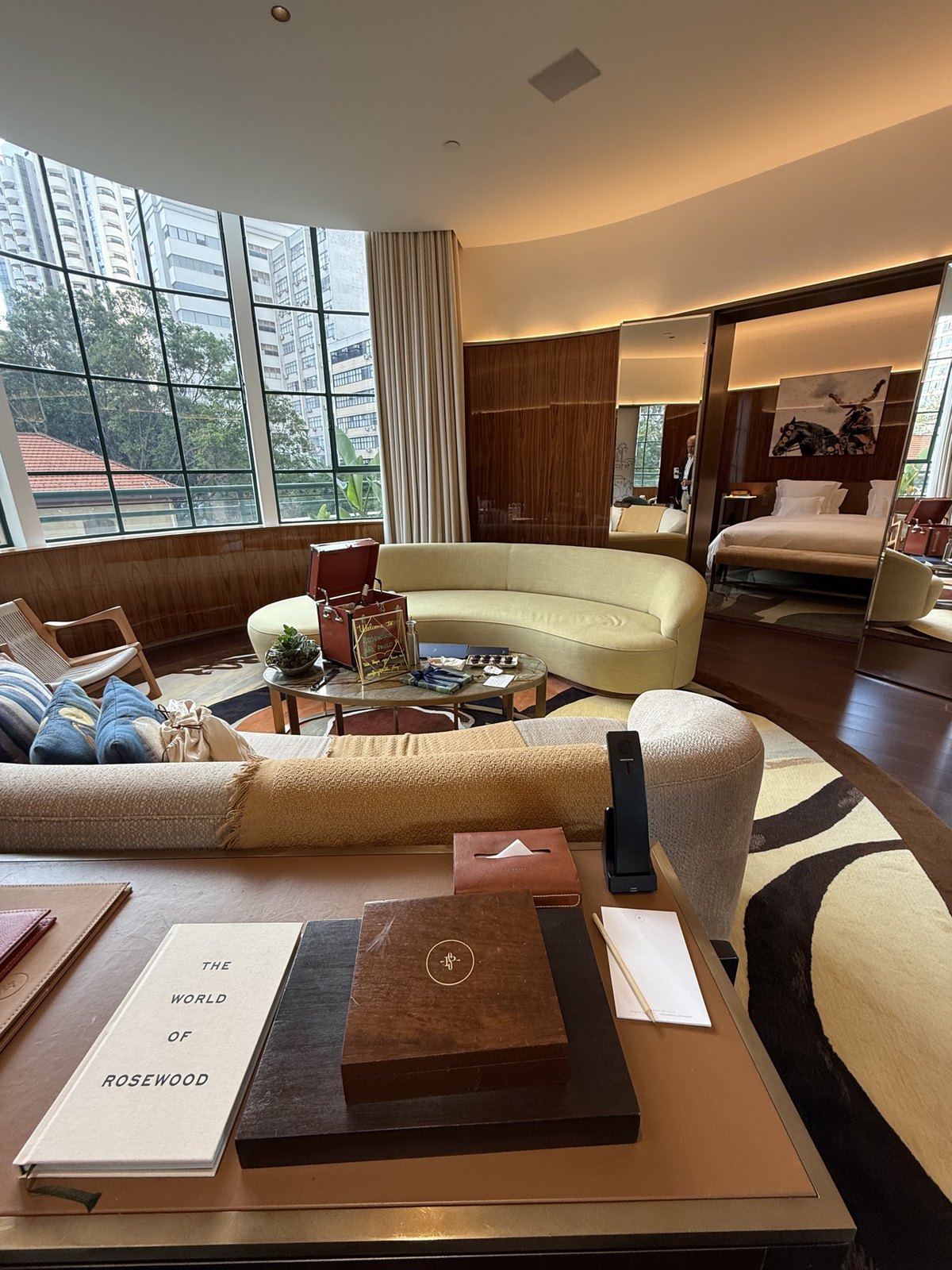
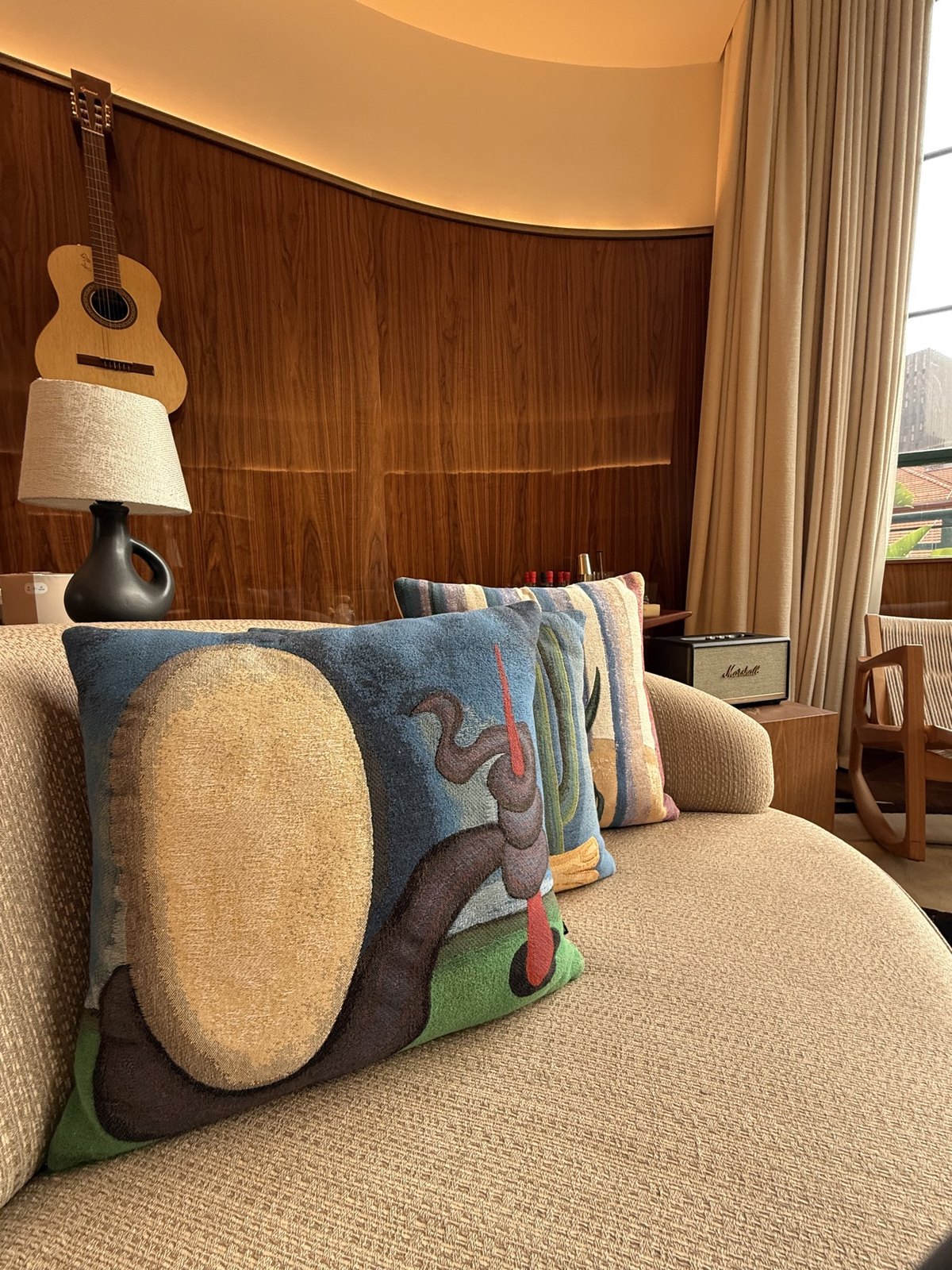
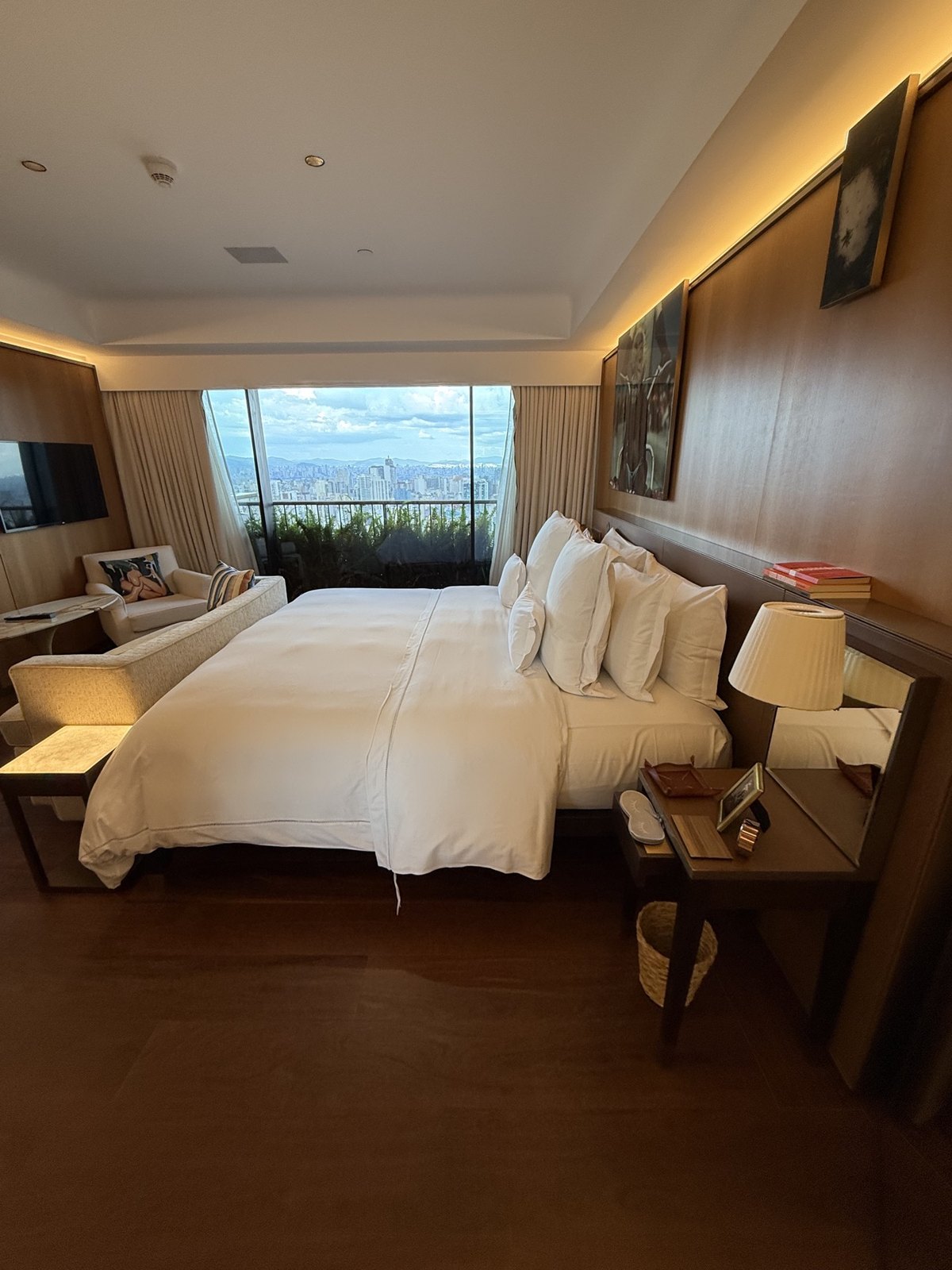
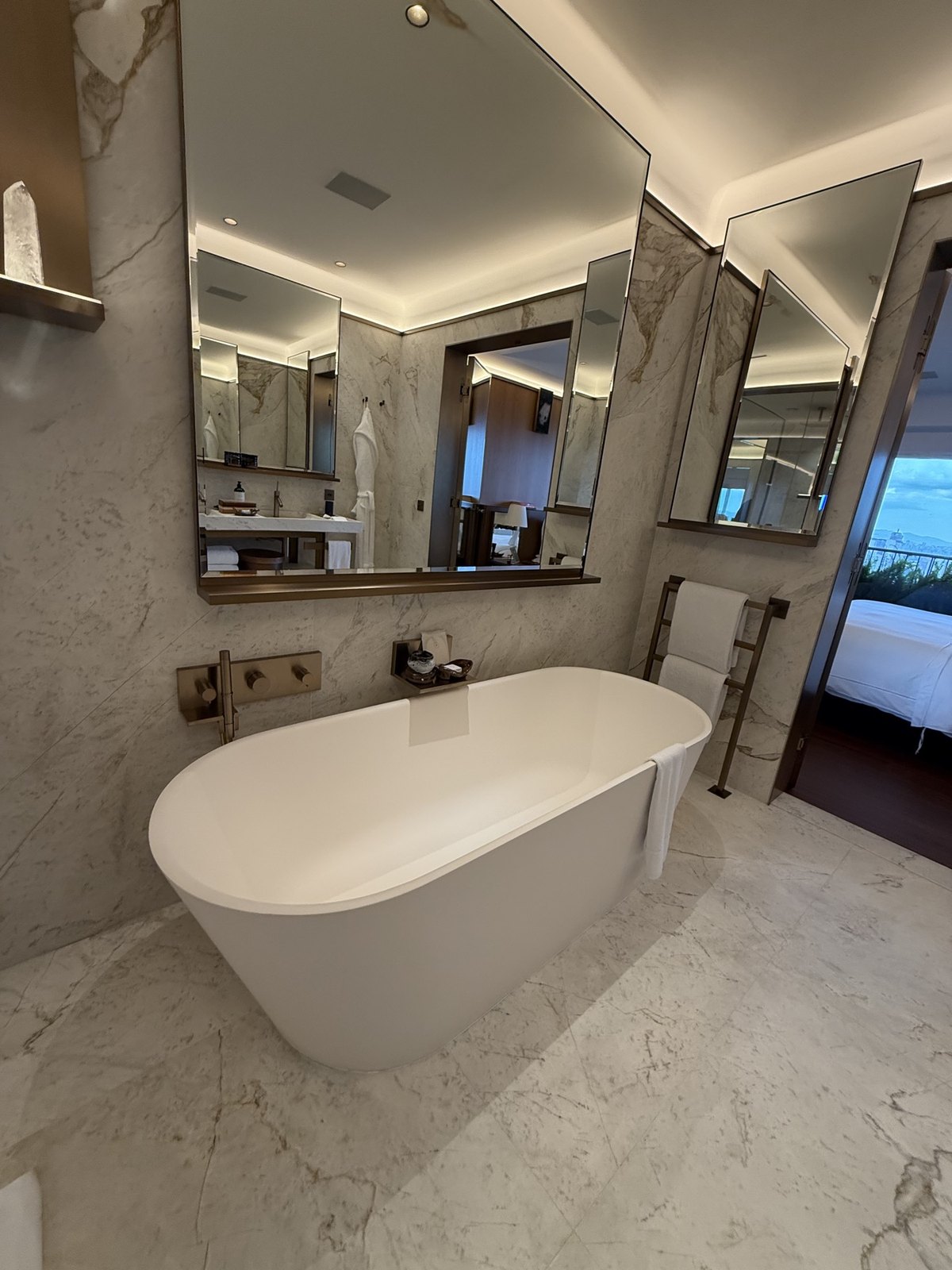
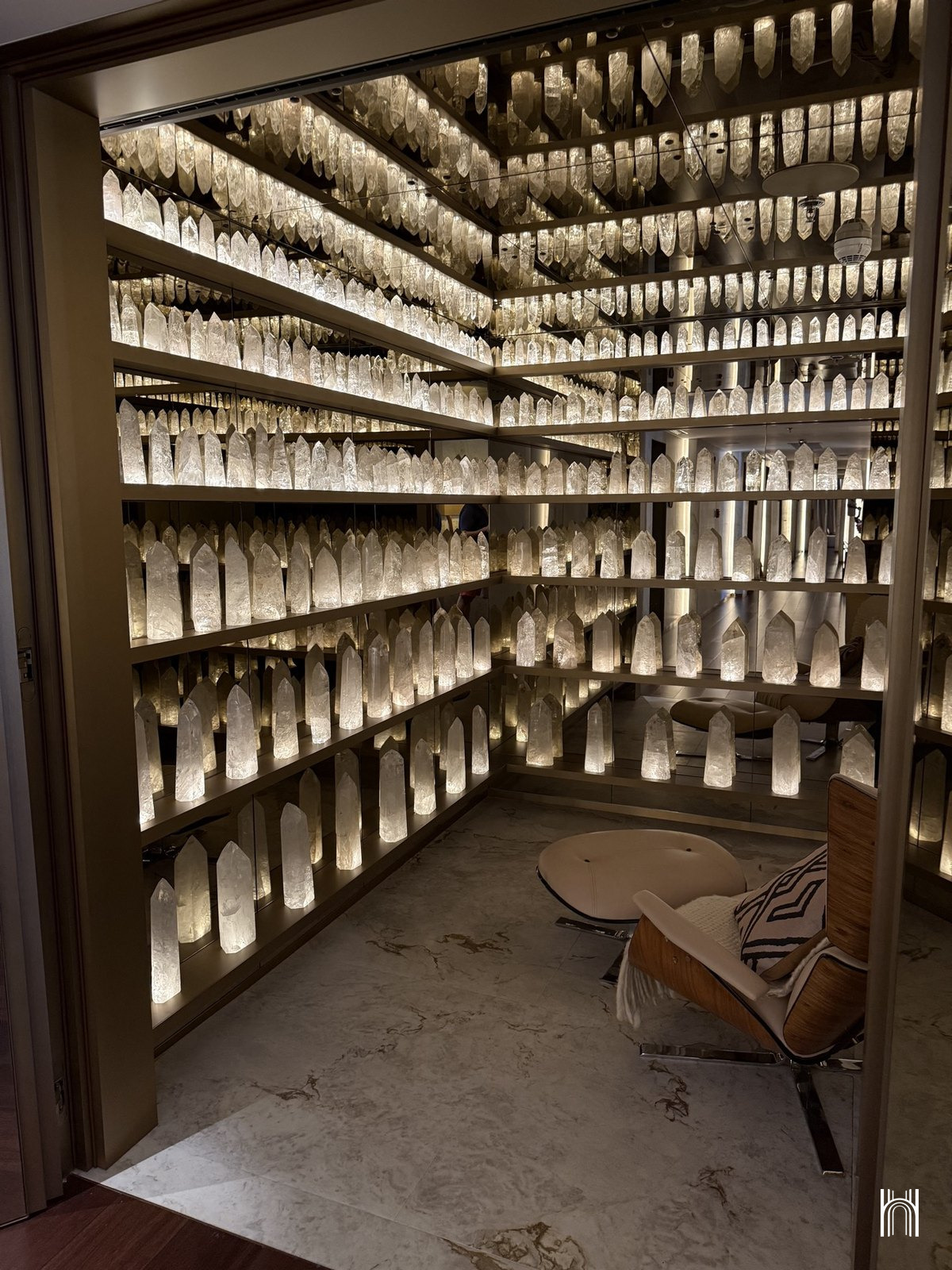
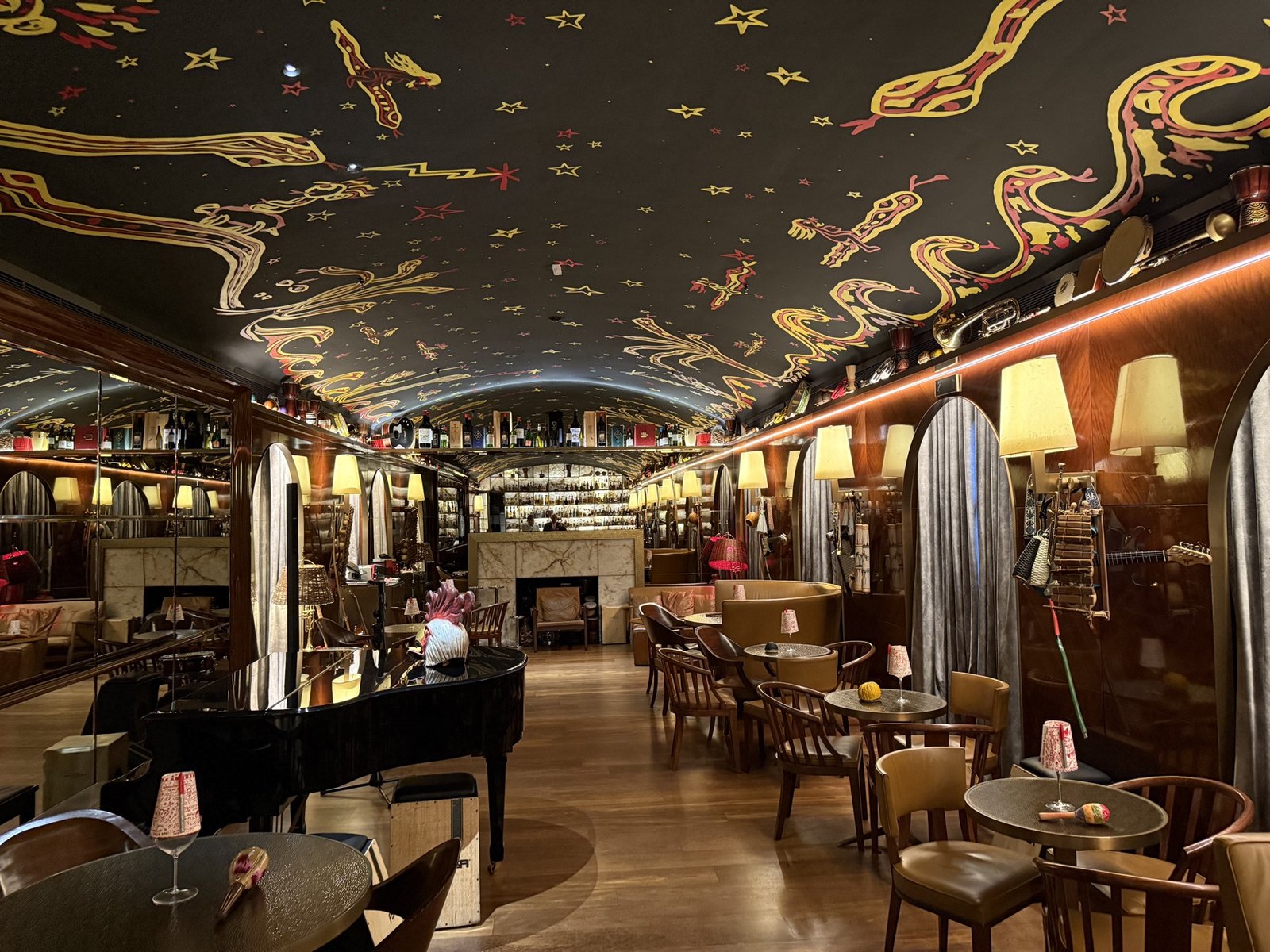
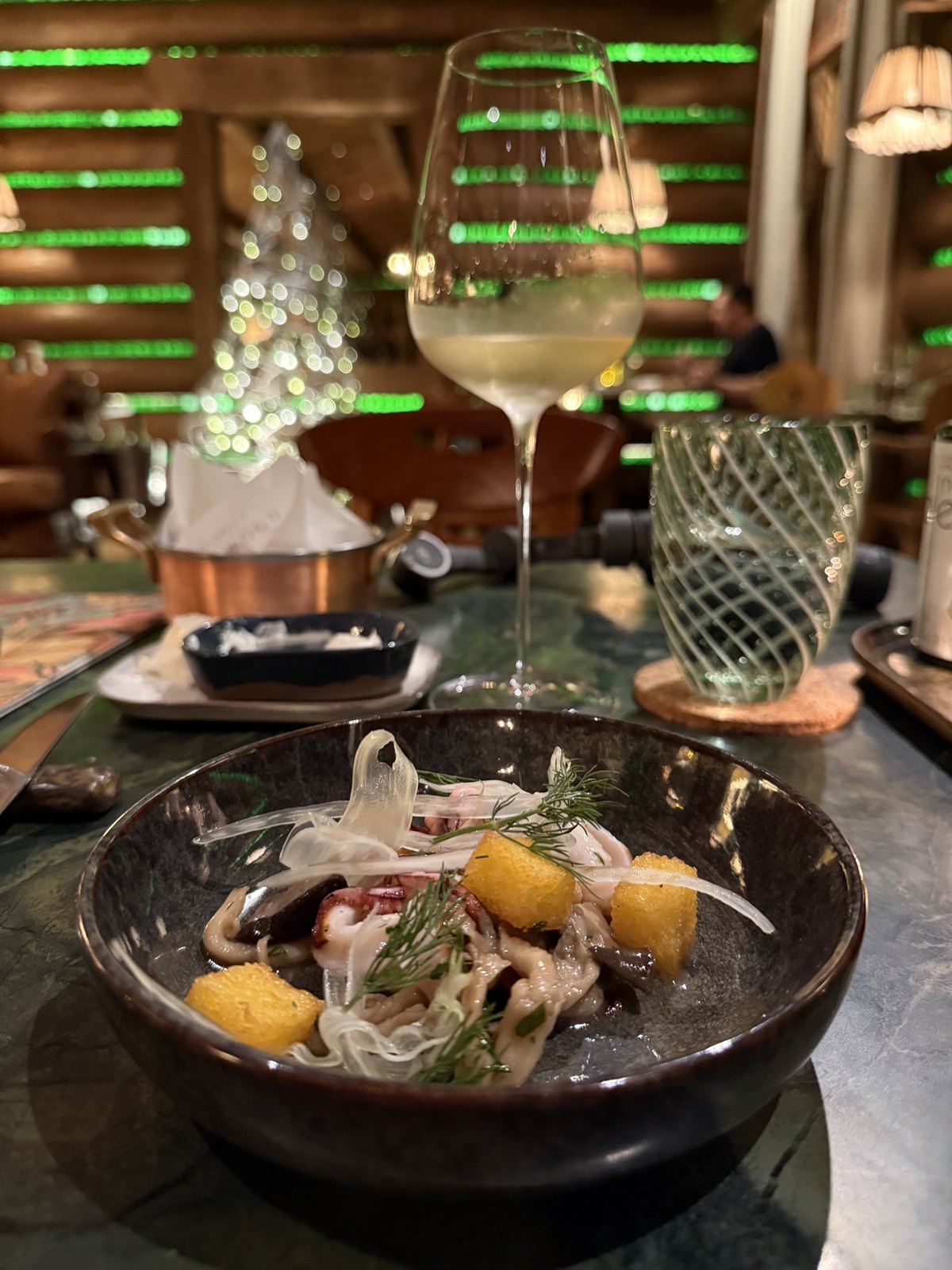
I saw that logic at work at Rosewood São Paulo, set inside the former Matarazzo maternity hospital, where five hundred thousand people of São Paulo were born. Here is what a building becomes when a group starts from the place rather than from its manual.
Rosewood São Paulo, inside the former Matarazzo maternity hospital
Laurent Delporte's reading
What I take from this interview rests on a fertile tension. Anthony Ingham comes from the industry of standardisation, he knows its mechanics better than most, and he has chosen a house that refuses to apply its main rule.
That refusal is not negligence. It is a lucid calculation: in a market where every great house knows how to deliver faultless service, faultlessness no longer differentiates anything. What differentiates is what escapes the manual.
But I want to be clear about the condition of that bet, because it is demanding. Giving up the rule only works if the culture is strong enough to replace it. Without a shared internal culture, a free team does not produce generosity, it produces randomness. That is precisely the work I carry out with leadership teams: building that culture before removing the frame. In the reverse order, you do not free your teams, you abandon them.
Key takeaways
Sense of place cannot be caught up afterwards. It is decided before the first pencil stroke, or it will remain a set.
Recruiting on mindset only works on one condition: that management itself is highly experienced.
Absolute consistency produces satisfaction, never memory.
Giving up the rule demands a strong internal culture to replace it.
Artificial intelligence must remove process, never people.
For the guest arriving for the first time, the oldest art remains: listening.
The luxury to come will be discreet.
Generosity that is communicated is no longer quite generosity.
Rosewood around the world

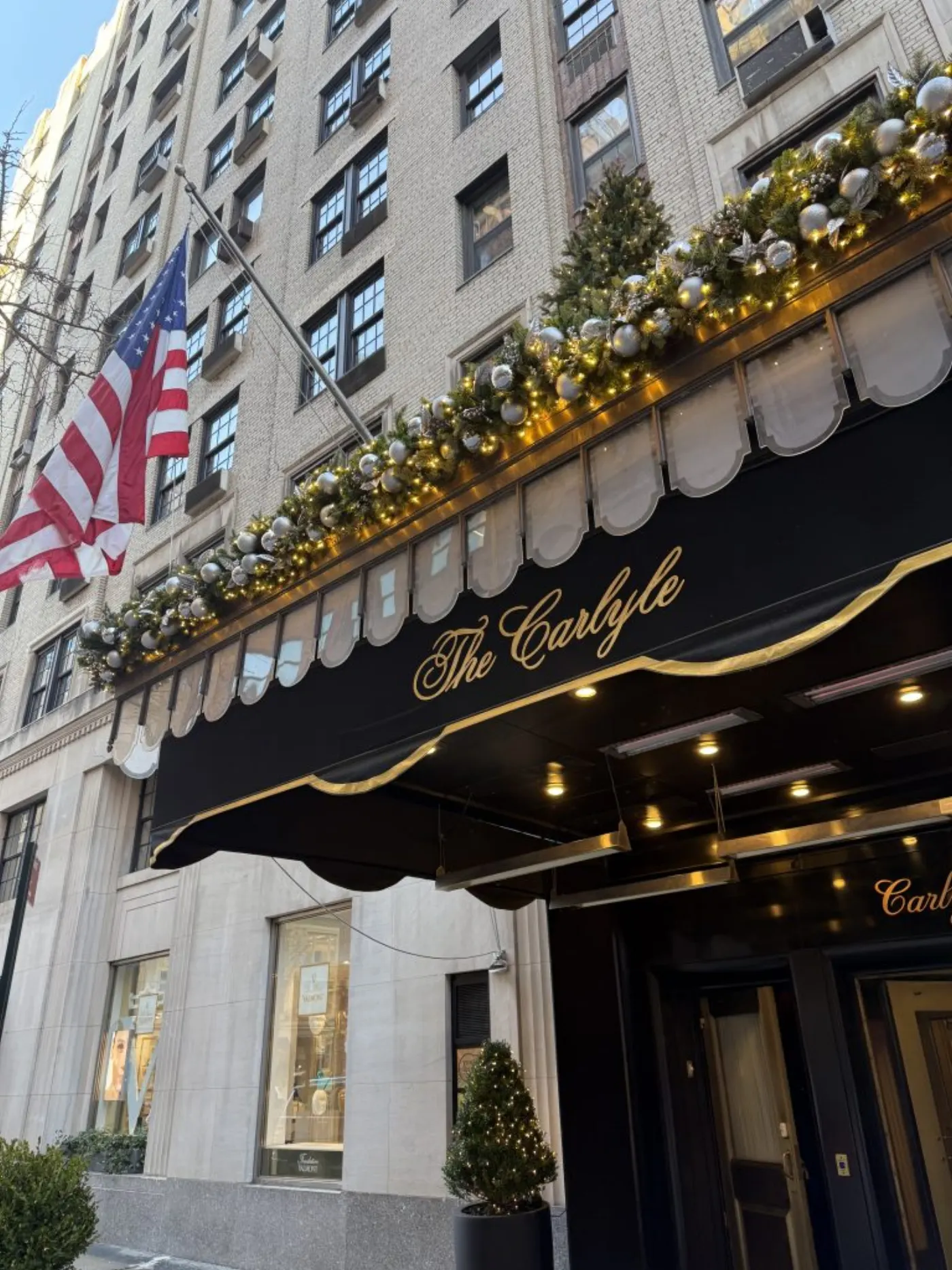
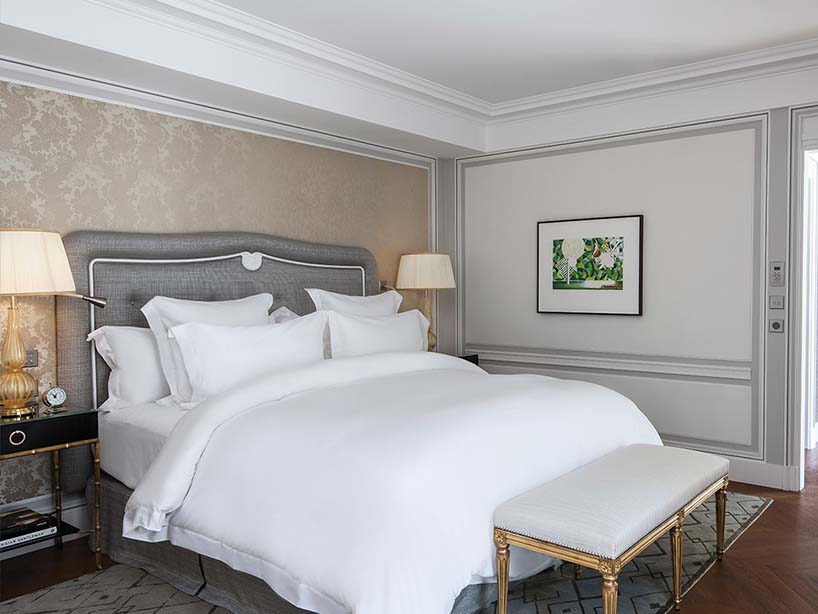
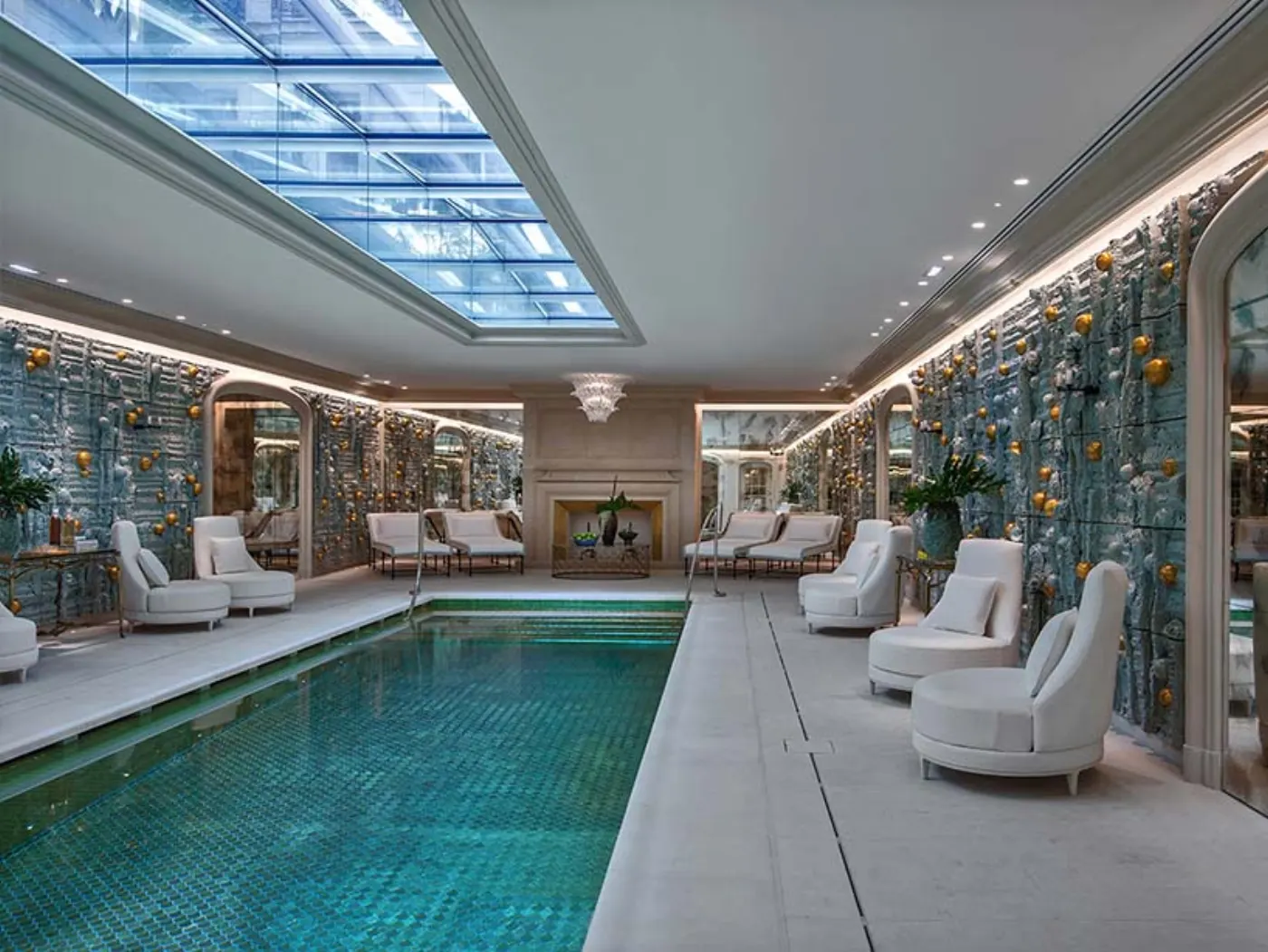
Further reading on Rosewood
- Marlene Poynder: At The Carlyle, the Art of Welcoming Is a Conviction, New York
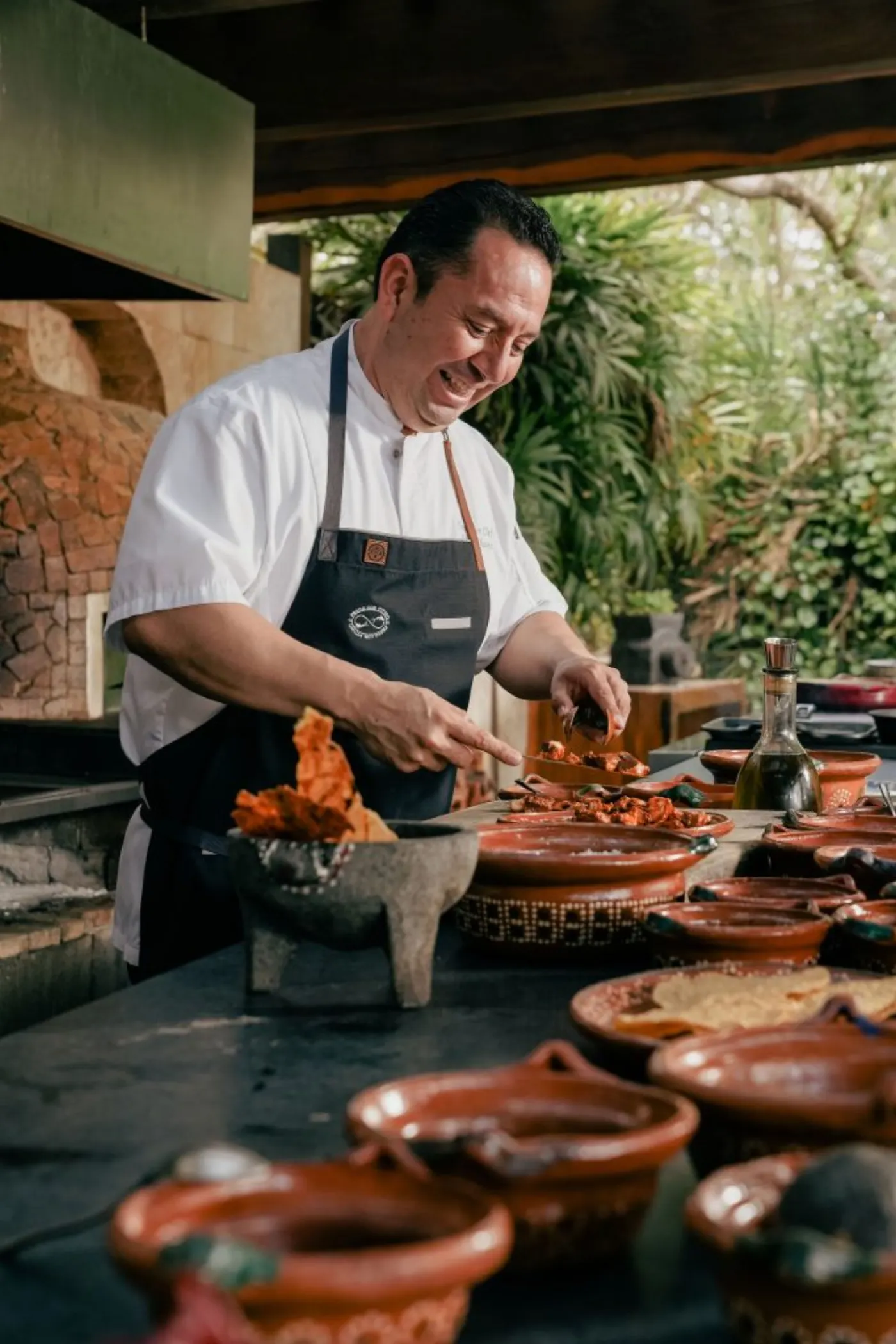
- Hospitality according to Chef Edgar Chávez, Rosewood Mayakoba, Mexico
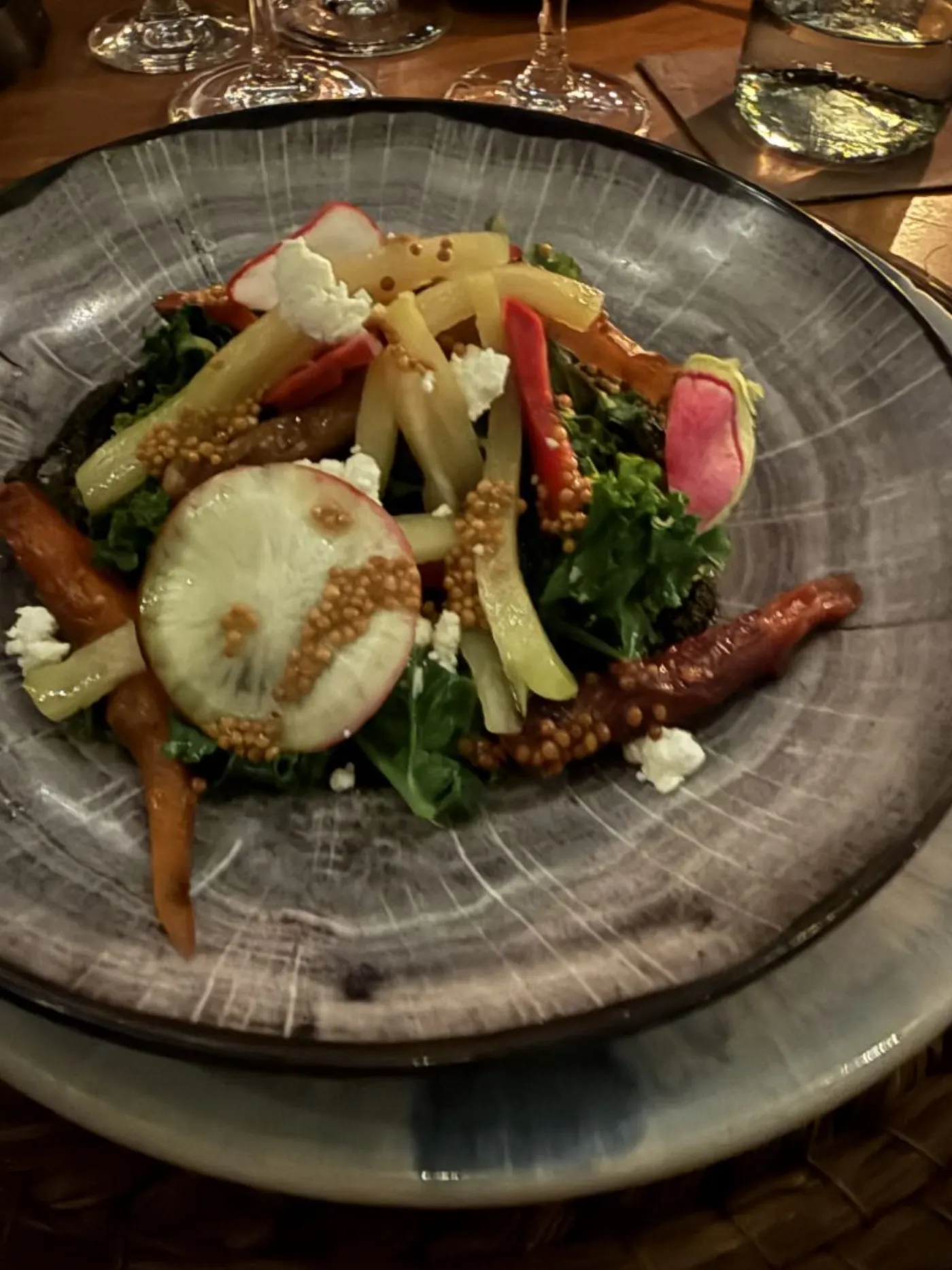
- Bar Zapote: when hospitality becomes memory at Rosewood Mayakoba, Mexico
- Mayan hospitality and wisdom, at Rosewood Mayakoba's Sense spa, Mexico
- Hôtel de Crillon, the Rebirth of a Palace that Transcends the French Art of Welcoming, Paris
- L'Hôtel de Crillon puts the spotlight back on service à la française, Paris
- The Palace Hotel Crillon Paris, continually reinventing itself: Excellence across everything, Paris
Share this article with a colleague, a client or a partner.
That is often how an idea enters a house, and then its habits.
What you say about it matters more than what I say.
A keynote, a mission, an article in the magazine: if my work has been useful to you, a few lines on Google are worth more than any argument.
Leave a review on Google →