Luxury hotels & quest for meaning
This unprecedented period linked to Covid-19 and the near-global lockdown leads us to reflect. It is interesting to ask ourselves whether yesterday's life will resume its so-called normal course or if, on the contrary, it will change. Where extremely polluted regions find blue skies again, views of incredible landscapes forgotten due to so much pollution, where what was not possible becomes possible, where everything was turned upside down twenty or thirty years ago, it is possible to believe in change, and it is up to all of us to define its contours and goals.
Luxury hotels first developed in the world's major cities to offer travelers from Western countries places to sleep in accordance with their habits and culture. Several hotel groups were created by airlines (Meridien by Air France, Intercontinental by Pan American Airlines, Radisson by Scandinavian Airlines...). Thus, five-star hotel brands conquered the world.
After cities, luxury and international hotels settled in extraordinary holiday locations. The beginnings of globalization allowed the wealthiest people to travel and take vacations in the most beautiful places on the planet. Rockefeller settled in Saint-Barthelemy and after a few years this Caribbean island in the middle of nowhere became a seaside resort for the wealthiest, where independent hotels were built. A luxury hotel opened in Mauritius, a few stars showed up, and other hotels settled on the island to the point of saturation today.
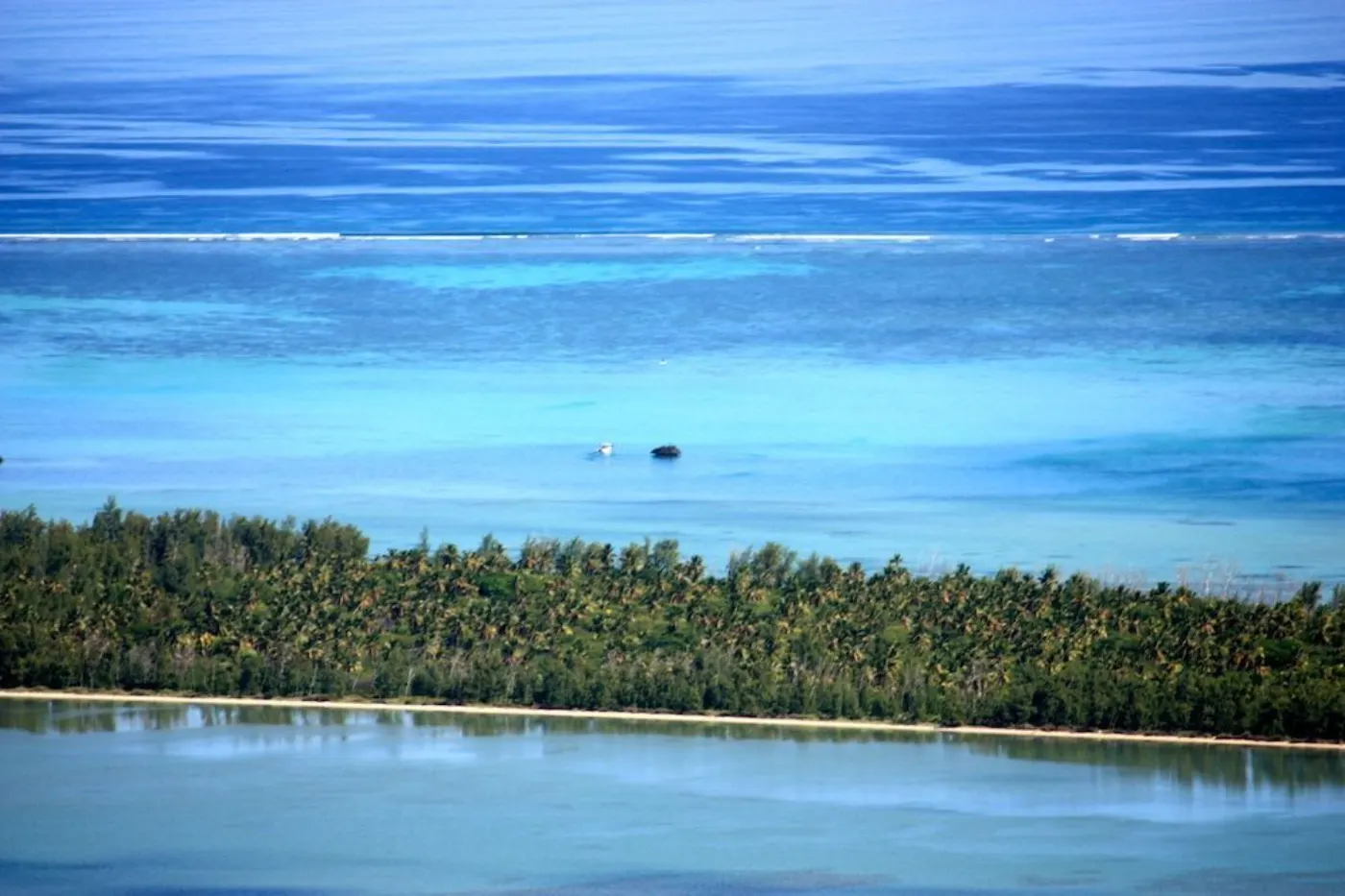
Paradise at all costs?
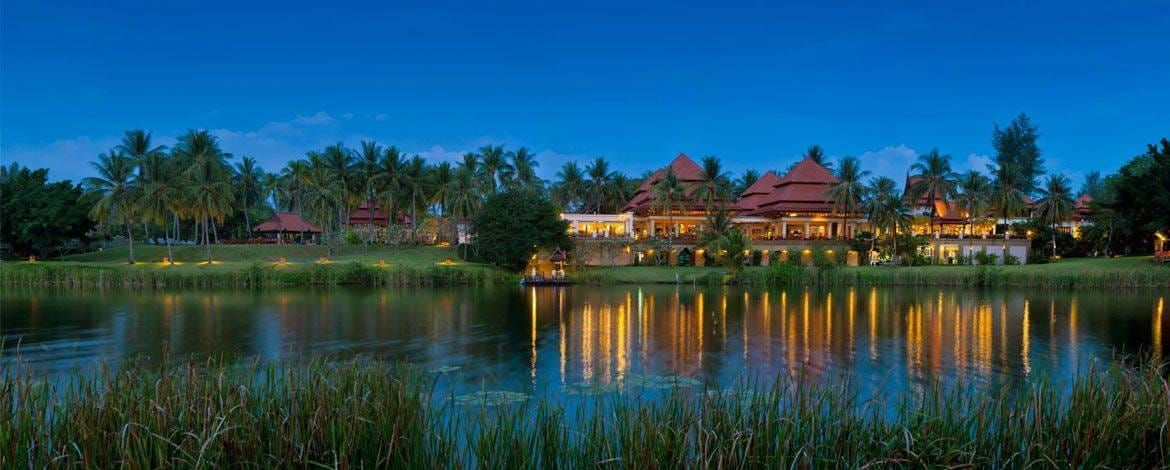
Brands thus settle almost everywhere in the world on paradise islands, in initially preserved environments. This deeply changes the lives of their inhabitants and, more broadly, the environment and natural resources of these initially preserved places. Thus, millions of people travel to destinations preserved from everything. Local populations have no say and are put to work to build the hotel and then work there.
Thus, we see travelers arriving as conquerors, wanting to play with nature where some find their deities. I imagine the shock of Bali's population at the sight of the first hotels and this mass tourism, which is far from being the best that our consumer society has brought to this island.
Luxury hotels continue to develop tremendously in Asia and the Middle East despite common sense. Where one international brand settles, its competitors do the same within a few years. China has created vast seaside resorts in less than twenty years, such as in Sanya city on Hainan Island (the "Hawaii of the Orient"). This city has become a popular resort for Chinese, Russian, and Hong Kong tourists.
No need to blame China for this, as it has happened all over the world: Cancun, Hawaii, Florida, the Bahamas, Dubai, the Maldives, Mauritius, and at another time France also experienced, on a smaller scale, the construction of many hotels or high-rise residential buildings on our beautiful coasts (Cannes, La Baule, Deauville, Biarritz...)!
The same is true in Dubai and Abu Dhabi, where gigantic cities have been built where there was nothing. Restaurants make their purchases abroad, and even from Rungis! Here again, millions of people travel to find what, in the end, is different from home? At what environmental cost were these cities created?
Luxury and meaning
Will collective consciousness evolve in a direction where a tourist asks themselves if they really want to go to these cities? In the name of what superlative does it matter to me to go there? Should I please my ego or start looking for authenticity in my soul? And even if I am a millionaire and everything is possible for me, will I still want to participate in the degradation of the world?
I have attended working meetings for the establishment of a luxury resort where I advocated the idea of not cutting down a single tree, not moving a river, and building according to the environment. How many resorts have been built by clearing all local diversity and plants to establish a complex and then a new, well-organized garden devoid of all authenticity?
Does it still make sense for a city like Cannes to invest in massive works to maintain and expand the beach? As great conquerors, cities wish to master the environment. Obviously, beautiful beaches attract tourists, fill hotels, develop the city's stores, attract beautiful events, create nice habits and a certain comfort, but in the end at what cost and for whom? Is it not possible to do otherwise by respecting the places and proposing new, respectful attractions?
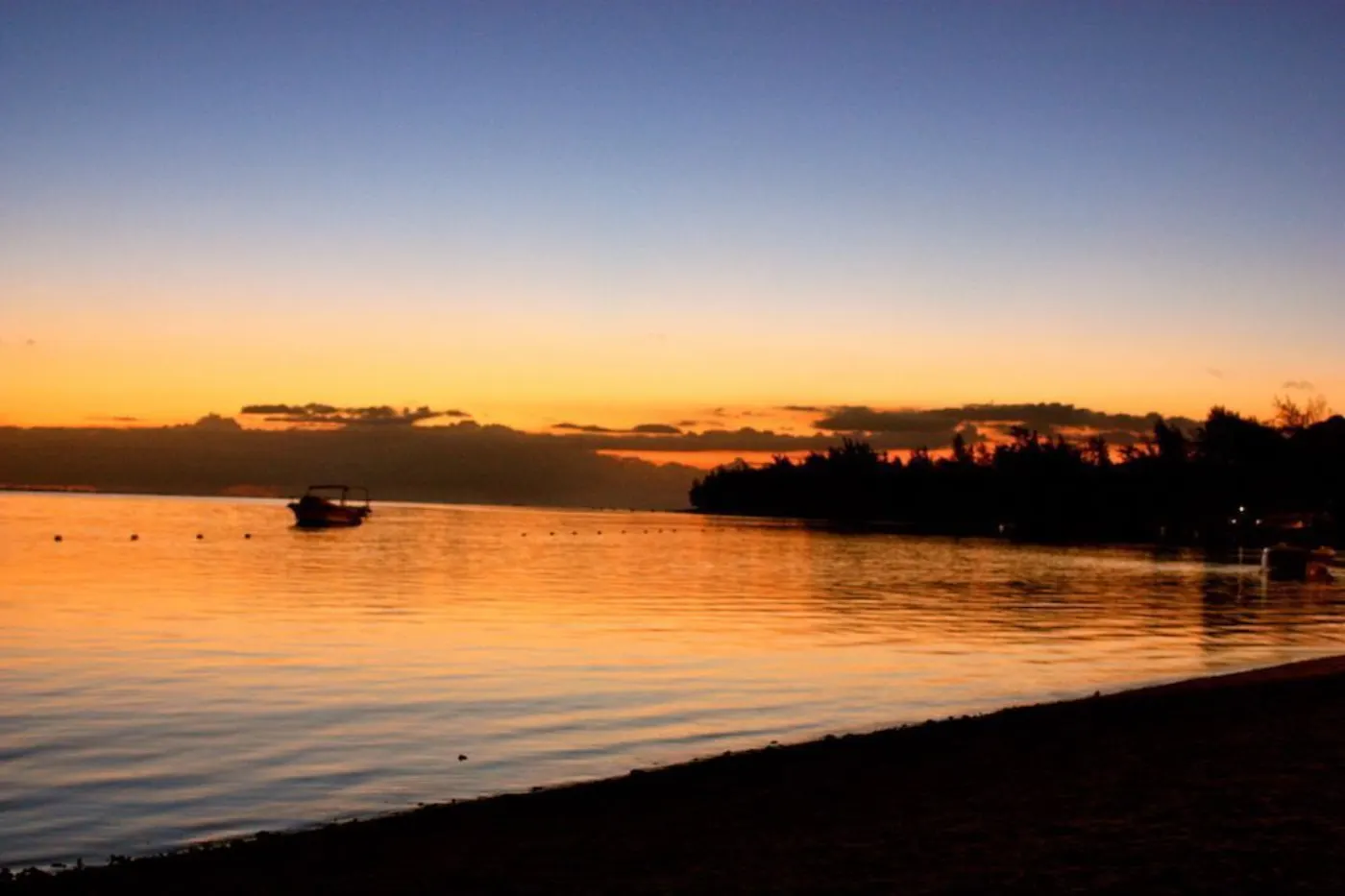
Are exclusivity, rarity, and respect not the three keys to luxury hospitality?
If luxury is exclusivity and rarity, it is urgent to invest locally in the resources of these paradise locations to preserve them. Can the luxury hotel guest of tomorrow take pleasure in their trip and their hotel if they know that only a few hundred meters away, there is poverty, illness, and famine?
It is highly likely that these millions of investments will experience great setbacks in the future. And yet, it would be so simple to think differently, to invest differently in luxury hotels to bring meaning, added value in respect of the place and its inhabitants. It is simple to imagine that wealth can be shared to learn to live better together on this planet, which does not belong to us but which we must, on the contrary, pass on to new generations without losing any of its riches!
Share this article with a colleague, a client or a partner.
That is often how an idea enters a house, and then its habits.
What you say about it matters more than what I say.
A keynote, a mission, an article in the magazine: if my work has been useful to you, a few lines on Google are worth more than any argument.
Leave a review on Google →