The Essentials as the Foundation of Contemporary Hospitality
In a hotel industry in constant motion, shaped by technological innovation and rapidly changing guest expectations, it becomes essential to ask what truly constitutes value in luxury hotel service. Behind the apparent sophistication, one fundamental question remains: what really makes the difference in the guest experience?
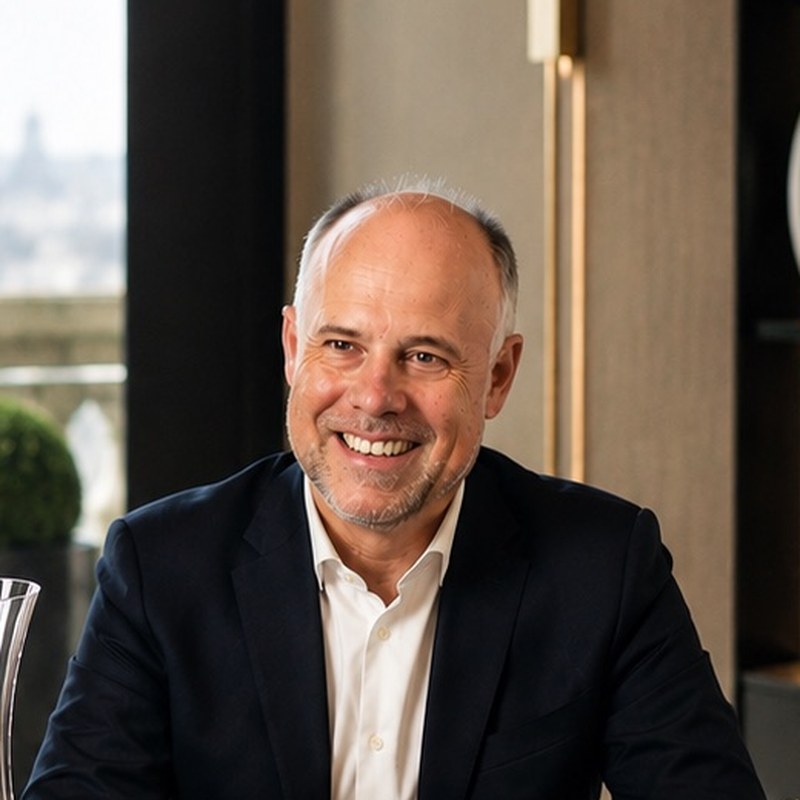
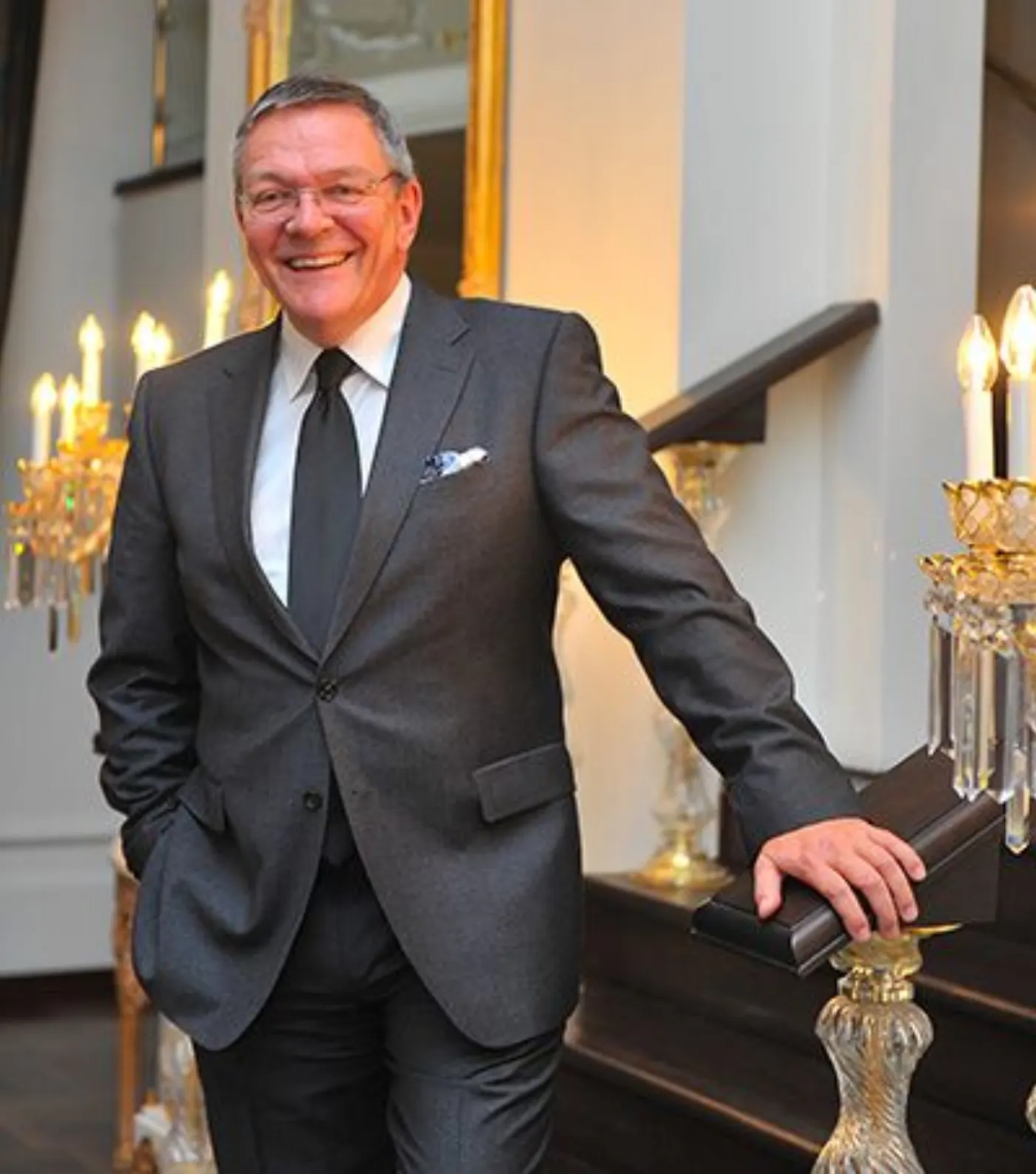
Ralph Radtke's career gives this question a particular depth. With nearly 40 years of experience across more than 15 countries, his perspective reflects a fine understanding of how the industry has evolved, but also of its fundamentals. From Sofitel to Accor, all the way to his role at the Çırağan Palace Kempinski, his career reflects a vision of the profession deeply rooted in operational reality.
This conversation brings out a powerful idea: the future of luxury hospitality does not lie in piling up innovations, but in the ability to return to the essentials. An approach that fully aligns with the principles of generous hospitality, where the place (sense of place), the teams and the guest must be thought of as one coherent whole.
What is your vision of service in hospitality: room service, dining, welcome and so on?
The one truly necessary new service in luxury is, once again, going back to the essentials. But the essentials are not always easy to deliver. For example, what would be a real luxury would be to promise guests that they can arrive and leave whenever they wish, rather than having fixed check out and check in times. Especially since, for guests travelling on business, it is not always convenient to leave the room before noon, or to only be able to take possession of it from 3pm. But these are very complicated things to put in place when a hotel is fully booked.
Above all, the essence of service is keeping the promises made to the guest. Hospitality has followed the same rules for centuries, because hospitality has never really reinvented itself. That is why there is no need to add too many technological gadgets to rooms. The essentials, lighting, a shower, quality of service and of the people delivering it, comfort, air conditioning, are enough, as long as the promise is genuinely kept.
The same is true for dining. Going back to the essentials means having competent, multi-skilled staff. A few years ago, when I worked at the Ritz, a maître d' knew how to handle everything. He was just as capable of delivering flawless service as he was of flambéing a duck. Today, abroad, many maîtres d' hold their position through seniority rather than competence. The people handling service have become plate carriers; they no longer know how to do the rest, but that is not what luxury service is. We need to rediscover that competence and that authenticity, which are essential to service. That is why I am working on the Back to the Future project in my hotels, to give value back to these roles and these professions.
In hotel schools, probably no student wants to work as a waiter in a restaurant, yet there is real added value in starting with service: it matters enormously for seeing and understanding, before you can do anything else, because it is the foundation of hospitality. These students' willingness to serve is crucial if they are to become good hoteliers without losing their personality. When I recruit, I do not focus so much on technical knowledge, because that can be learned on the job, but I place great importance on a candidate's personality, because that is something I will not be able to change.
What is your fondest memory as a hotel general manager? Can you tell us a memorable story you experienced?
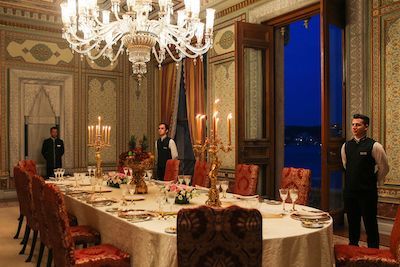
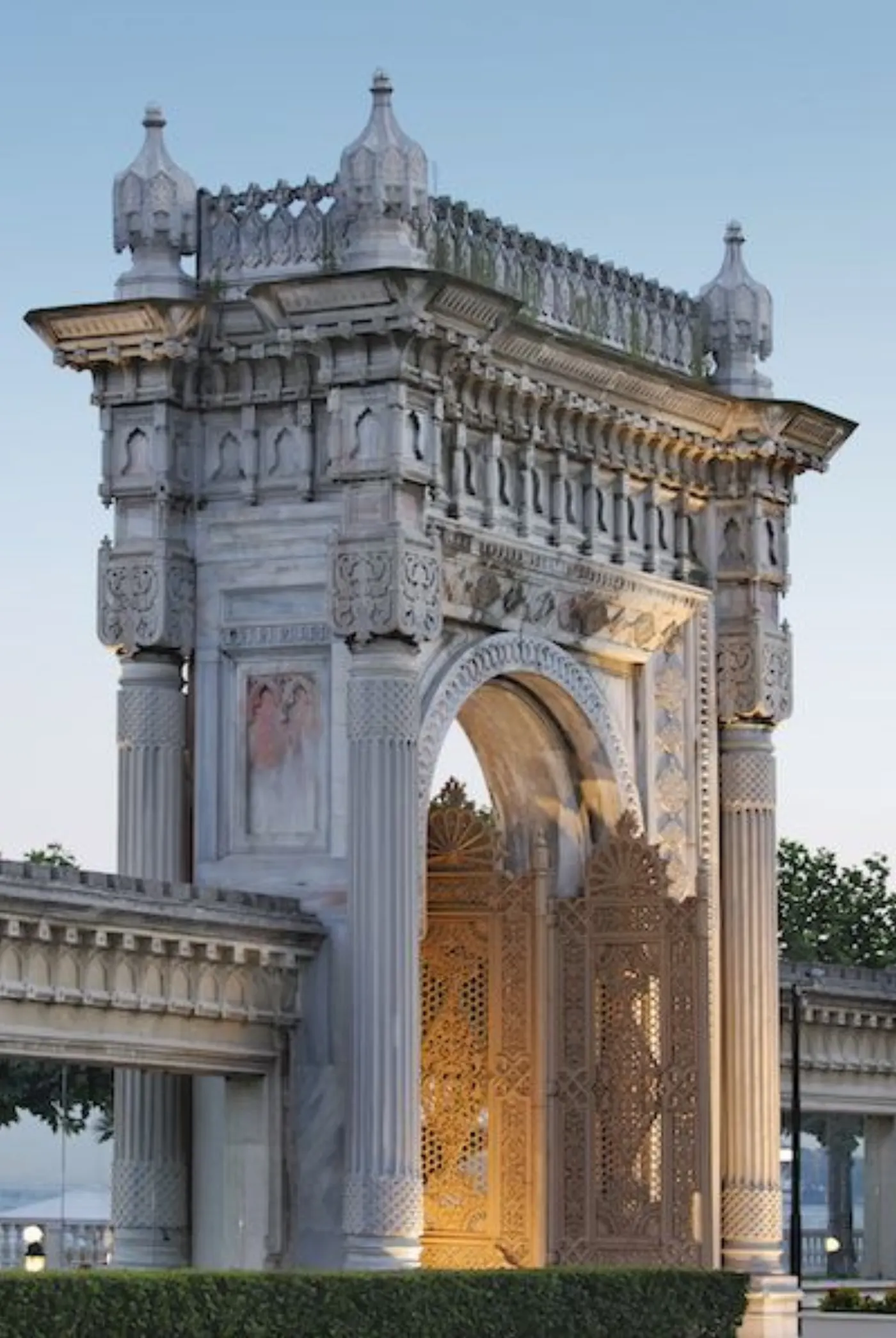
I would like to share a particularly memorable story that happened here, almost by chance. One evening, I was having dinner with guests in our award winning Ottoman restaurant, Tuğra Restaurant & Lounge, located within the historic palace.
At a nearby table, a couple was having dinner. At the end of the meal, a birthday cake was brought out for the lady. I went over to congratulate her on this special occasion, on behalf of the Çırağan Palace Kempinski. That is when I learned that, at that very moment, the gentleman had just proposed to her.
We celebrated that moment with a glass of champagne, and I later discovered, to my astonishment, that this man was His Imperial Highness Prince Osman Osmanoğlu, a descendant of Sultan Murad V, the 33rd Ottoman sultan, who had resided at the Çırağan Palace between 1876 and 1904.
They were in the process of planning their wedding. I spontaneously offered to host the ceremony at the palace. He immediately embraced the idea, which he found especially symbolic: getting married in the palace of his great grandfather. The Prince is one of 24 living male descendants of the Ottoman dynasty, and seven members of his family were born at the Çırağan Palace.
On April 22, 2012, their wedding was celebrated in our sumptuous ballroom, which was once Sultan Murad V's music room. The event brought together a prestigious circle of guests, including influential figures from Istanbul society as well as members of the imperial family who travelled from around the world. It was an exceptional moment, one that deeply moved our entire team and remains an unforgettable memory for all of us.
What to remember:
Luxury hospitality, between simplicity, rigor and human truth
Through Ralph Radtke's words, one reality stands out clearly: service in luxury hospitality does not need to be made more complex, it needs to be clarified. In an environment where the temptation is strong to add more and more technology and more services, he reminds us that real value lies in the ability to keep your promises and master the fundamentals.
This idea of going back to the essentials is not about looking backwards. On the contrary, it reflects a form of strategic maturity. It invites hoteliers to refocus on what truly matters to the guest: the quality of the welcome, the competence of the teams, the coherence of the experience.
The example of restaurant service is particularly telling. The gradual loss of certain key skills highlights a major challenge for the industry: passing on know-how and giving value back to service professions. Because beyond the roles themselves, it is a whole culture of hospitality that is at stake.
In my reading of hospitality, this approach fits fully within a logic of generous hospitality. It means considering the guest as a whole person, understanding their expectations, but also building a sincere, lasting relationship. It also means thinking of a place as a coherent experience, where every detail helps create an atmosphere.
Ultimately, this conversation reminds us that excellence does not lie in sophistication, but in precision. Precision in the attention given to the guest, in the quality of service, and in the ability to stay true to the very essence of hospitality: welcoming.
The Strategic Importance of Human Skills in Hospitality
Beyond infrastructure and concepts, a hotel's performance rests, above all, on its teams. Ralph Radtke's reflection on the loss of certain skills in service roles highlights a central challenge for the future of luxury hospitality.
Excessive role specialization has gradually eroded certain functions, particularly in dining. Where teams were once versatile and able to master the entire guest journey, they are now often confined to specific tasks. This shift directly affects the quality of the experience.
Restoring these skills, giving meaning back to service roles and valuing career paths within them becomes a strategic priority. That means investing in training, but also in a cultural revaluation of service itself.

From this perspective, recruiting for personality rather than technical skills alone makes complete sense. Hospitality is not only taught, it is felt. It rests on the ability to connect with others, to understand them and to create a sincere interaction.
Share this article with a colleague, a client or a partner.
That is often how an idea enters a house, and then its habits.
What you say about it matters more than what I say.
A keynote, a mission, an article in the magazine: if my work has been useful to you, a few lines on Google are worth more than any argument.
Leave a review on Google →