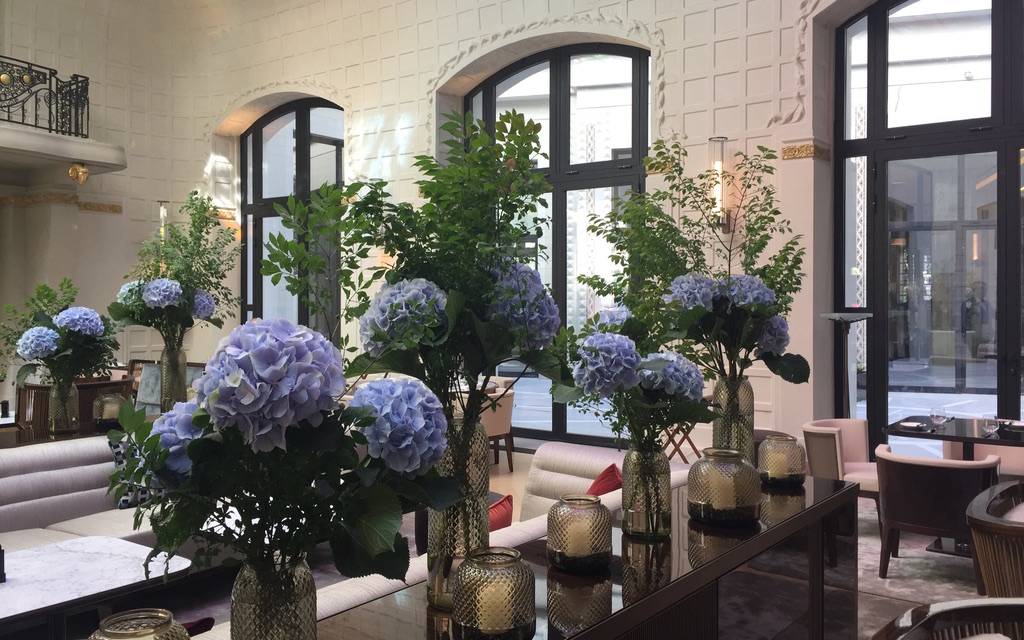
The legendary Left Bank hotel reinvents itself
Built in 1910 to house Le Bon Marché's customers visiting the capital, the Lutetia has recently reinvented itself. After four years of renovation led by French architect Jean-Michel Wilmotte, the Lutetia reopened its doors in July 2018. It earned the French Palace label in 2019 and now caters to what the industry calls Ultra High-Net-Worth Individuals (UHNWI): an ultra-wealthy, elite clientele accustomed to palace hotels and luxury properties.
What sets the Lutetia apart from Paris's other palace hotels?
The Lutetia relies first on its singular history, especially in the post-war period. That heritage creates an emotional attachment among guests. In the collective imagination, the Lutetia is the hotel of the Left Bank.
The hotel's distinctiveness also comes from its location. The 6th arrondissement is a quiet neighborhood, pleasant to stroll through. It's also a meeting point for Parisians, more informal than the districts where the Right Bank palaces stand.
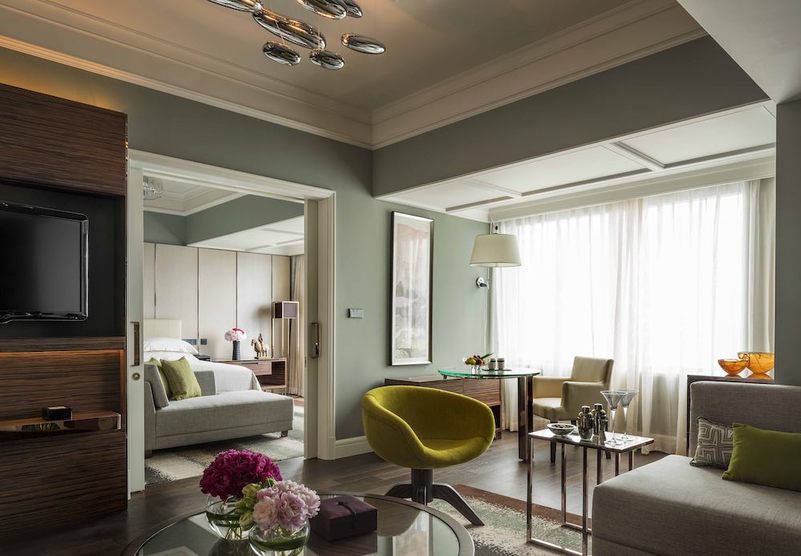
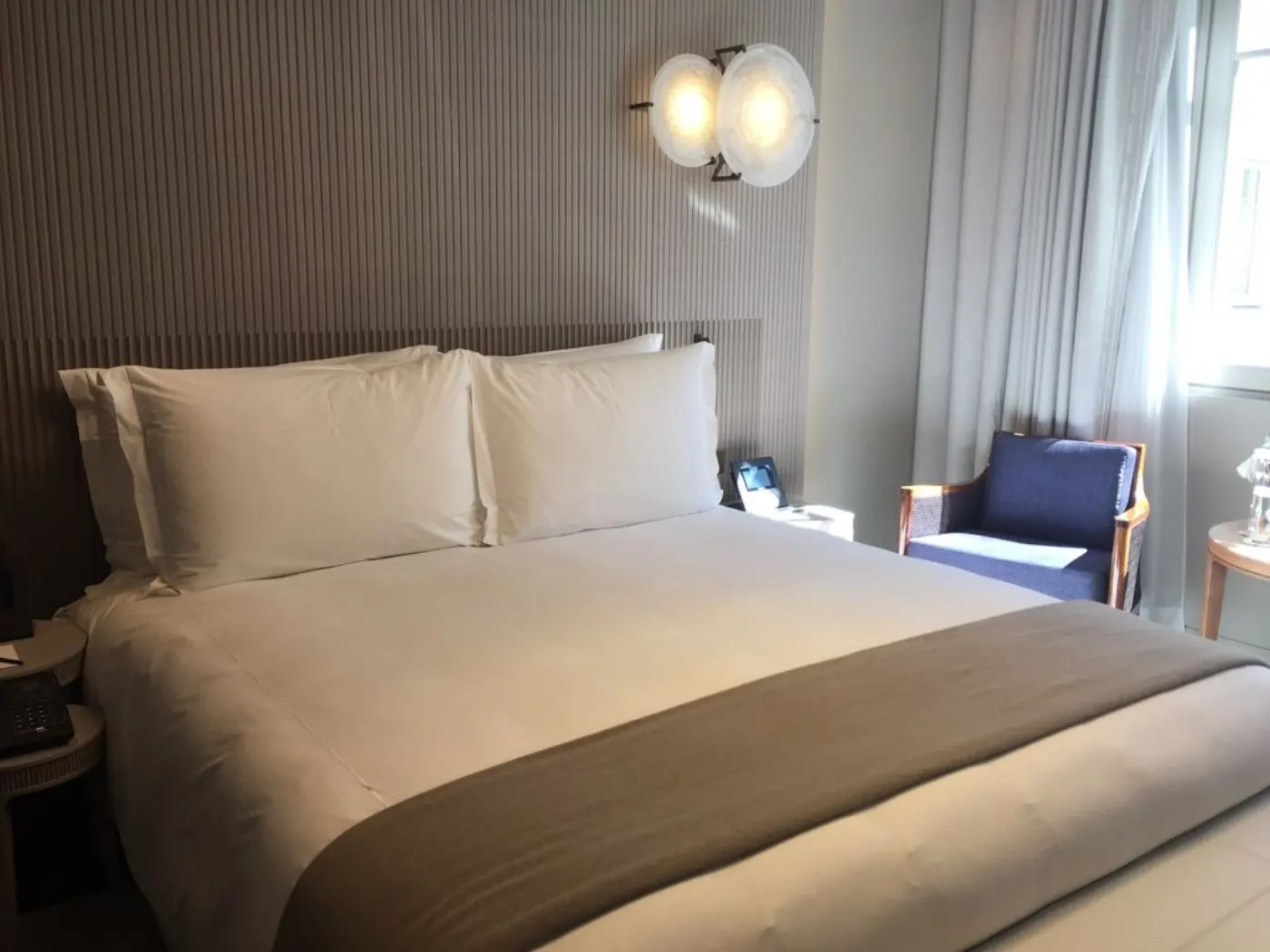
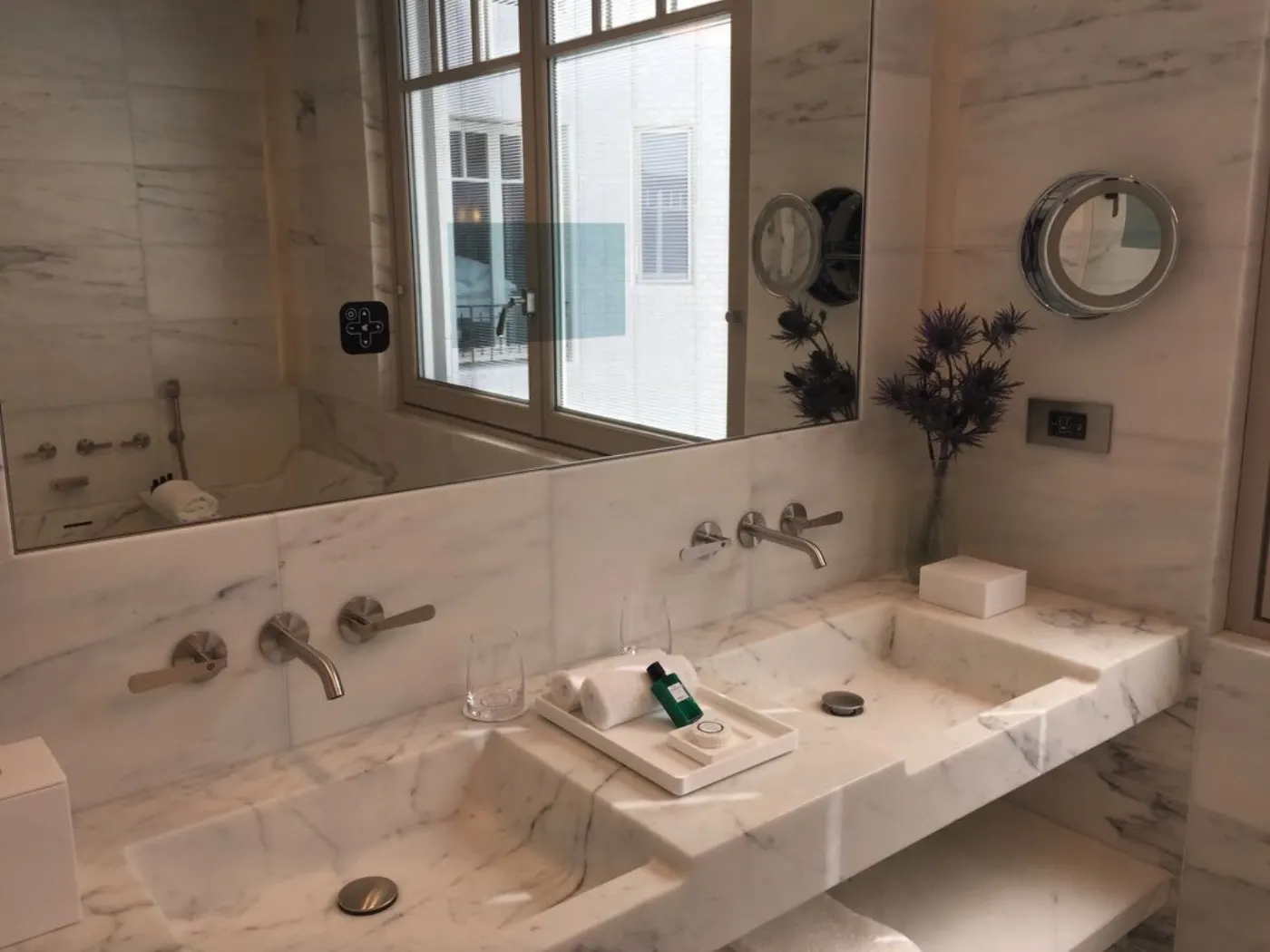
One of the hotel's particularities is undoubtedly the level of natural light in the rooms. Every bathroom enjoys daylight, which is very rare in Paris.
With the help of a young designer, Gaspard Yurkievich, the hotel's teams wear a distinctive uniform, the same one for every role, so staff are recognized as belonging to the Lutetia's teams without their specific job being singled out.
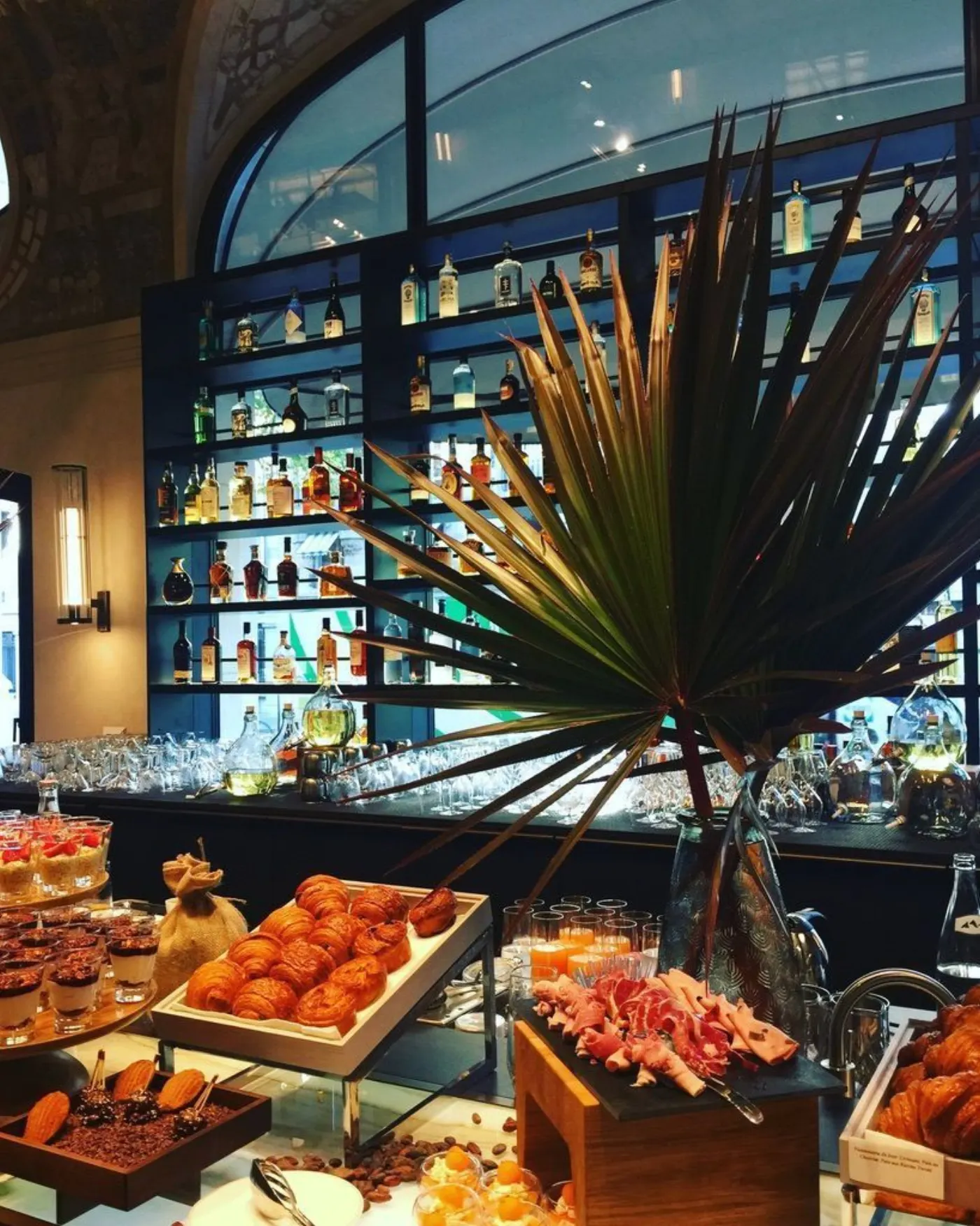
The hotel chose not to have a Michelin-starred gastronomic restaurant: large spaces are favored instead, open seven days a week, where guests can find a gourmet and, above all, unique culinary experience. Several bars and dining spaces make the Lutetia a living place for Parisians. It matters greatly to the hotel that its international guests come to a Parisian establishment where they're likely to cross paths with a Parisian public.
Finally, it's also its philosophy of service that sets it apart. The staff are enthusiastic, energetic and kind. They understand the full importance of the bond with guests. Before it closed, the Lutetia was known for its family spirit, something the hotel wanted to bring back.
Is the Lutetia's pricing lower than other Paris palace hotels?
The dominant nationalities among its guests are very different from those of the Right Bank palaces. The Left Bank isn't the preferred destination for Russian and Middle Eastern clients, who favor Right Bank hotel suites. The segmentation is also different, since Lutetia guests tend to come for leisure stays, often as families, without a company covering the bill.
The investor owner chose to maintain a fairly large room capacity (the Lutetia now counts 184 rooms and suites, against 233 before renovation), favoring the adaptability of its offer: several connecting rooms, for instance, can be turned into apartments rather than merged into large suites, which explains a higher number of first-category rooms and also makes the hotel more accessible.
So, in summary, what is the Lutetia's positioning?
To rank among the 10 best grand hotels in the capital, both in terms of revenue and quality of service.
Does it really rival the Ritz or the Crillon? No, because the hotel offers products, an atmosphere and a design that are completely different, which is precisely what defines great hospitality: being unique. I believe the Lutetia offers a distinct Parisian atmosphere, given how open it is to its neighborhood's clientele and its geographic positioning.
Paris's hotel supply has also grown very quickly in recent years. It will take another three or four years for demand to catch up with that supply.
The Lutetia's vision of new technology
The rooms aren't fitted with the latest home cinema systems or a smart assistant like Amazon's Alexa. The choice was to favor simplicity. Every room has powerful free wifi and home automation to control temperature, curtains and lighting. There's no light switch in the room. The system works very well and is easy to use. Guests can also use Bluetooth to connect their iPhone to the television.
New technology is wonderful when it works properly, but be careful: in practice, we often find that these systems are more complicated than they appear. Sophisticated systems frequently don't work as they should, and end up creating confusion rather than simplifying life.
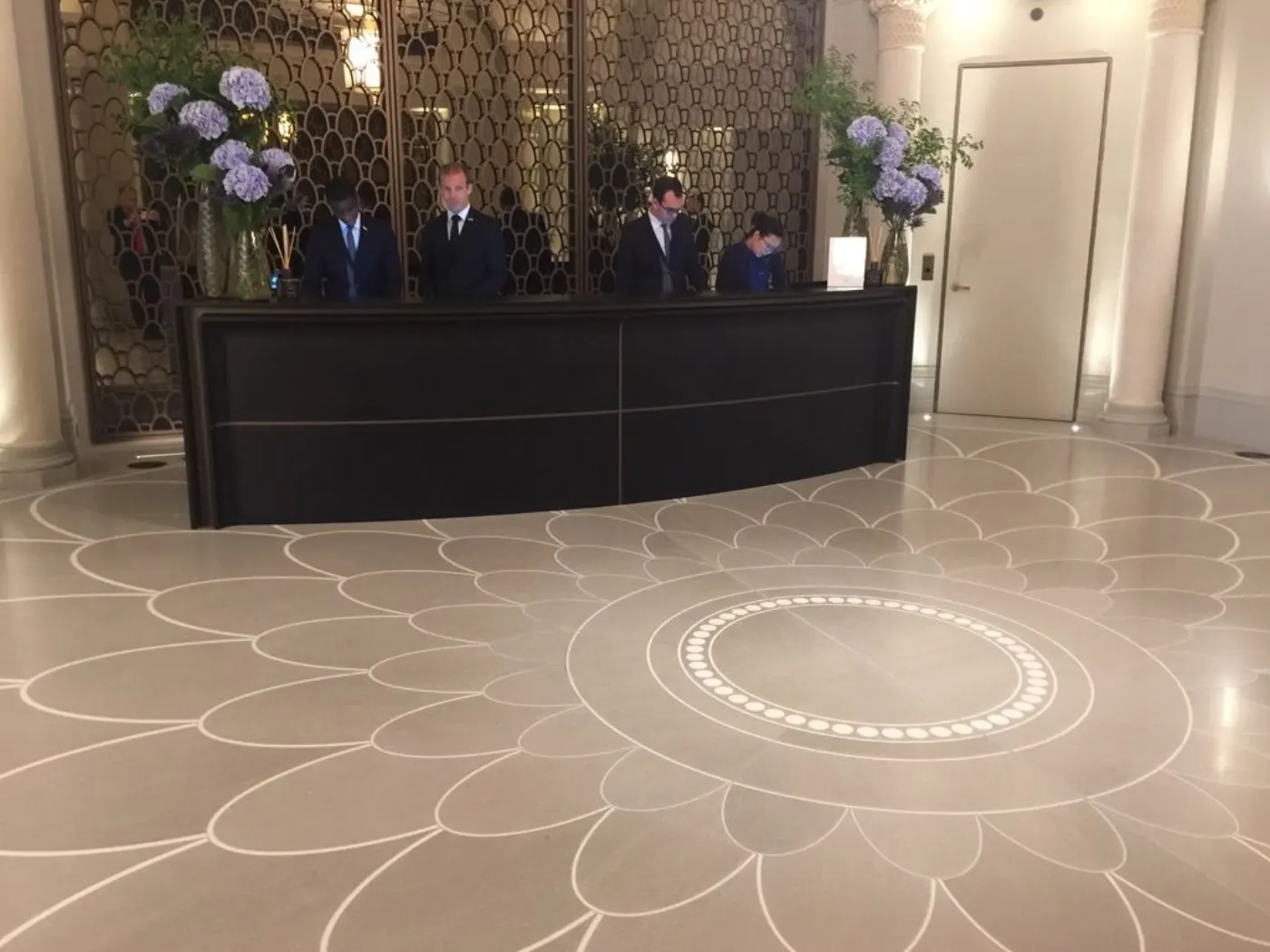
Training the new teams
The hotel built an entire qualifying, tailor-made training program, followed by around 70% of its teams. At reopening, it was essential to explain to staff what the Lutetia is and what makes it unique. That required real groundwork with the hotel's management teams and its group, The Set, to clearly define positioning and values. The hotel also drew on its former employees, who embody the Lutetia's DNA. That helps create real momentum in passing on know-how and the spirit of the house.
Share this article with a colleague, a client or a partner.
That is often how an idea enters a house, and then its habits.
What you say about it matters more than what I say.
A keynote, a mission, an article in the magazine: if my work has been useful to you, a few lines on Google are worth more than any argument.
Leave a review on Google →