
A Stark Observation: The Child as a Second-Class Guest
Children should be considered on the same level as their parents. That is not always the case, and I find it genuinely regrettable: it reflects poorly on the entire hotel. I recently visited a beautiful, highly renowned hotel, and saw the bed provided for an 8 year old child. I would not have wanted my own child to sleep in that bed. Right next to it, the rest of the room was magnificent. I even wonder whether the architect considered this point at all when renovating the hotel. The child's bed did not match the decor or the standard of the hotel in any way. On top of that, the hotel had provided a shower gel and shampoo for the child. A nice touch! Or rather, a nice initiative, I should say, because the products themselves were of very poor quality, containing chemicals that should never be put on a child's skin. That is an example not to follow!
Beyond the Detail: A Question of Positioning
This kind of situation goes far beyond a simple operational mistake. It reveals the absence of a clear strategy for welcoming families.
A hotel that does not think through the child's experience as a whole sends a contradictory signal: it claims to pursue excellence, yet tolerates major inconsistencies in its offer.
In a logic of generous hospitality, every guest matters. And a child is not a secondary guest. A child is a guest in their own right, with specific needs, their own sensitivity, and a direct impact on how the whole stay is perceived.
The Child as a Key to Guest Loyalty
As a hotelier and a father, I am often disappointed by the quality of service hospitality offers our youngest guests. Luxury hospitality is built on personalization and exclusivity, and yet services for children in luxury hotels are often nothing out of the ordinary.
That strikes me as a lack of common sense, because parents are extremely sensitive to how well their child is welcomed. A guest will not come back if their child was not welcomed with the same care as they were. A happy child at the hotel makes for happy parents, and creates wonderful memories tied to that hotel.
Some hotels have understood this well, and even create events dedicated to the children of their best guests. Children are tomorrow's guests. Childhood is the crucial period for building an unbreakable bond with a hotel.
A Strategic Approach to Hospitality
In every project I work on, I systematically build the child's experience into the earliest stages of thinking. This means working across several dimensions.
This approach fits within my generous hospitality methodology, which rests on three pillars.
Dining: A Lever That Is Often Underused
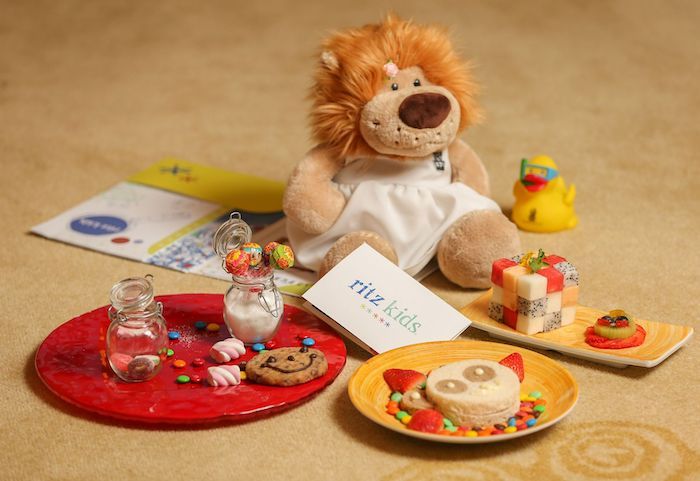
Children's dining in hotels is also a subject close to my heart. Luxury hospitality must offer a dedicated, healthy dining experience for children. It matters to offer menus designed specifically for them, so they can choose, or at least understand, what they are going to eat. The Plaza Athénée restaurant's breakfast menu by Alain Ducasse is remarkable in this respect.
Children's dining should not simply be a simplified version of the adult offer. It needs to be designed as its own specific experience: educational, playful and of real quality.
A child who understands what they are eating, who gets to choose, who discovers something new, is living an experience. That experience becomes a memory. And that memory becomes a lever for loyalty.
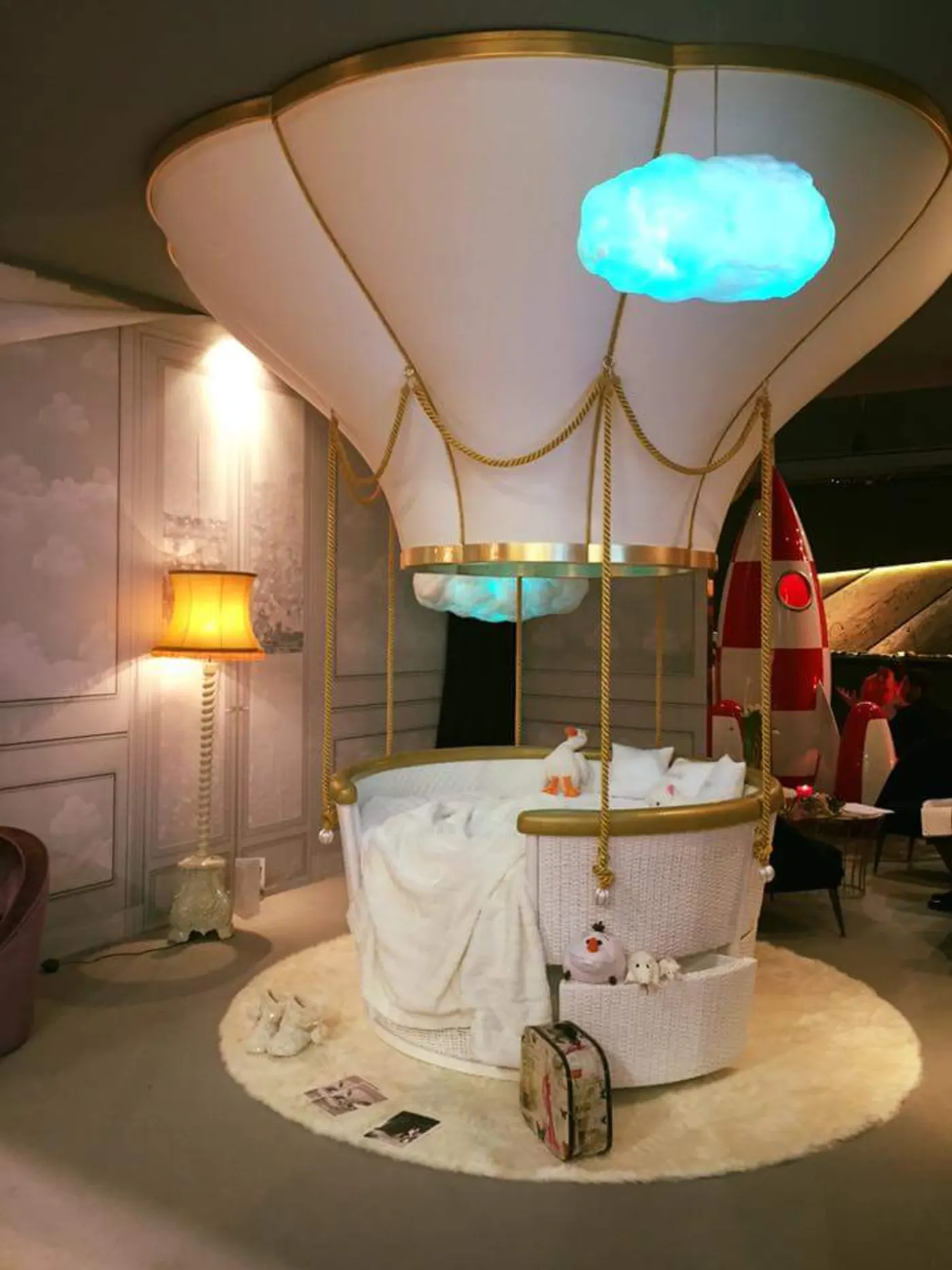
Accommodation: The Tipping Point
When it comes to accommodation, hotels need to provide an actual child's bed, not an adult bed folded in half, along with a child's pillow rather than one of their parents'. Natural products are always welcome to support a good night's sleep.
I can testify to this myself: I am regularly surprised, in five-star hotels where the experience otherwise seems perfectly under control, exceptional bedding, thoughtful decor, a coherent atmosphere, to suddenly see an extra bed brought in that breaks that whole harmony.
It is often a poor-quality rollaway bed, uncomfortable, and completely mismatched, aesthetically, with the rest of the room. This visual and functional break is hard to understand given the level of standards the establishment claims to uphold.
This situation particularly affects beds added for an older child or a teenager. That guest, even though fully part of the experience, ends up with a downgraded solution. The impact is immediate: a sense of an incomplete offer, a feeling of neglect, an inconsistency in positioning.
Even though this practice is fading out in some establishments, it remains far too common. It reflects a lack of forward planning in room design. A well thought out hotel project must build in, from the very start, the ability to welcome different types of guests, without any compromise on comfort or aesthetics.
The question of cots also deserves particular attention. Mattress quality, impeccable cleanliness, the materials used, ease of setup for the teams: every detail matters. A poorly prepared or unsuitable cot sends a very negative signal to parents.
Accommodation is a tipping point in the guest experience. It is exactly where the consistency between the promise and the reality is decided. A successful room tolerates no visible break, no visible compromise. Every guest, whatever their age, deserves the same level of attention.
In my work, I systematically build these usage scenarios into the design phase: how does the room adapt across different configurations? How do you add an extra bed without disrupting the space? How do you guarantee the same level of comfort for every occupant?
These questions, simple as they seem, are actually foundational. They are what allows a room to move from being merely beautiful to being genuinely designed to be lived in.
Where My Work Comes In
It is precisely on these questions that I work alongside investors, architects and hotel management teams.
My role is to:
In a renovation or construction project, factoring in these elements from the outset helps avoid costly mistakes and optimizes the guest experience over the long term.
In mountain destinations, these issues take on an even more strategic dimension. Stays there tend to be family oriented, longer, and closely tied to the overall experience of the place.
A mountain hotel that fully masters the welcome of children creates a major competitive advantage:
Conversely, a neglected child's experience immediately undermines the overall perception, even in an upscale establishment.
What to remember:
There are plenty of other examples I could share with you, but the best way is to talk it through directly, as part of a consulting engagement that can help you shape your offer for children.
Welcoming children is not a minor detail. It is a strong marker of how mature a hospitality strategy really is.
Designing a room, a restaurant or a hotel means thinking about every guest. It means anticipating how spaces are used, understanding expectations, and creating a coherent experience in every detail.
The establishments that manage to embrace this standard will build a lasting relationship with their guests. The others will keep offering incomplete experiences.
Taking Action: Structuring Your Hospitality Project
If this article resonates with your own thinking, it is probably because your project deserves to be challenged with real rigor.
Creating or renovating a hotel is not just about making beautiful architectural choices. It is about designing a coherent, high-performing, lasting experience, thought through down to the smallest detail.
You are welcome to contact me directly to discuss your project. Even a first conversation can already bring a concrete perspective to what you are building. The hotels that leave a lasting mark on their guests are the ones designed with precision, coherence and rigor. If you want to build a place that truly makes a difference, that thinking needs to start now.
Share this article with a colleague, a client or a partner.
That is often how an idea enters a house, and then its habits.
What you say about it matters more than what I say.
A keynote, a mission, an article in the magazine: if my work has been useful to you, a few lines on Google are worth more than any argument.
Leave a review on Google →