
Mountain Investment and Meaning
Luxury hospitality is entering an uncertain period, one that will take several years to recover from before it regains the economic level it has just left behind. Yet what matters most, for this industry as for all of us, is to engage in genuine introspection, to rediscover the very essence of what it offers, and to focus on that.
This period marks a strategic turning point for luxury hospitality. Investment models, long built on real estate valuation and the race for prestige, now need to be rethought through the lens of guest experience, sustainability, and meaning.
In recent years, if not recent decades, we have watched a race for superlatives in every direction: the biggest, the best of, “the place to be,” the most starred, the number one hotel in its category, the one that has won the most trophies, and so on.
This logic has gradually pulled certain projects away from their original purpose: to welcome, to restore, and to create a coherent, lasting guest experience.
And what is all this really for? To satisfy guests, or to pay off colossal investments made for the sake of building an estate? We are witnessing ever higher investments, renovations at prices beyond imagination, figures that get thrown around with no real foundation. A palace hotel bought for 100 million euros in the 1990s or 2000s would be worth 1 billion today? Investors buy these buildings betting that they will gain enormous value over many years. For them, that is an end in itself, and running the hotel ultimately matters little compared to the gains they hope to make when the building is sold.
In my work advising on hotel strategy and hotel design, I see that this disconnect between investment and operations is a major risk to long term performance. A hotel cannot be reduced to a financial asset: it must be conceived as a place of life, of experience, and of meaning.
Hundreds of Millions of Euros Invested in Mountain Hospitality
The hotel openings in Savoie since the Albertville Olympic Games are a good example. Tens of millions of euros are invested, between buying land and constructing a building, to operate a hotel for only three and a half months a year. Is that reasonable?
This question goes straight to the heart of real profitability and of building a sustainable business model for mountain hospitality.
Several hotel owners who received public funding around the Albertville Olympic Games closed their establishments and converted them into luxury residences. This allowed them to sell beautiful apartments one by one, realizing a very handsome capital gain on an acquisition made decades earlier, enough for some to fund a comfortable retirement. Unfortunately, they did this without any concern for the impact of this transformation on the resort’s future, which today finds itself forced to open up new buildable land for future hotel developments.
These decisions reflect a short term view of investment, often at the expense of regional balance and the lasting appeal of these destinations.
Luxury hospitality has developed enormously in Savoie and Haute-Savoie, one of the regions in France with the highest concentration of palace labeled hotels after Paris. There were six palace hotels in total in 2020, five of them in the same resort, namely Courchevel.
This concentration raises the question of how to differentiate the guest experience, and of oversupply in certain destinations.
Mountain Hospitality: A Model to Reinvent
The system persists because it offers a wonderful opportunity for an extraordinary financial windfall to owners who struggle to turn a profit on three and a half months of revenue a year. Should we go on destroying declining environments at any cost, when doing so runs against plain common sense?
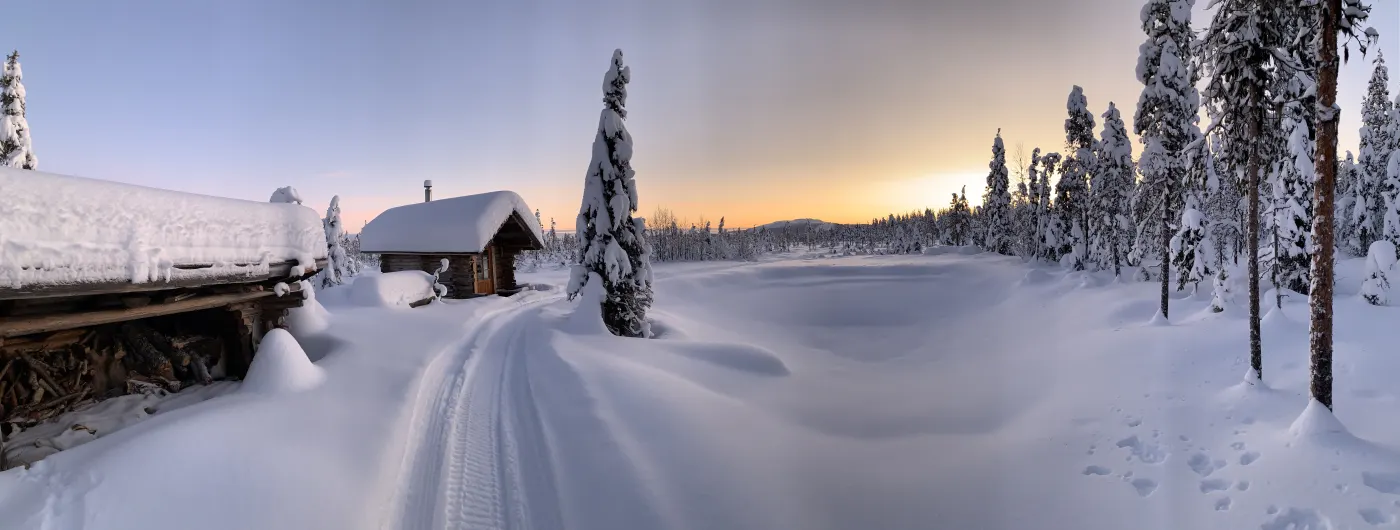
The challenge today is to rethink how mountain hotels operate, building in a year round vision and diversifying the experiences on offer.
Is It Acceptable to Grow Rich at the Expense of the Environment and Its People?
If luxury means rarity and exclusivity, we might well question the luxury status claimed by ski resorts that have lost all their charm and damaged their environment along the way. Some resorts have overdeveloped even as snowfall levels drop every year. They install snow cannon systems that draw water reserves straight from the ground. These resorts keep expanding while denying the harmful impact on the environment.
This paradox highlights a major contradiction between luxury positioning and environmental reality. Once again, I keep coming back to the same question. What is the meaning of all this at a time when even these regions are starting to suffer summer droughts? Creating financial value at the expense of our mountain environment and its precious resources? That is a sadly short sighted vision, unfortunately.
Perhaps the worst example among ski resorts is the hotel that boasts about flying its guests by helicopter to the foot of the slopes in a neighboring resort, because where it is actually located, it cannot guarantee enough snow to ski on. This kind of practice illustrates a complete disconnect between guest experience and environmental responsibility.
Instead of adapting to this situation and creating a place that is in tune with its surroundings and open to other mountain activities, the hotel prefers to organize repeated helicopter shuttles for its guests, which undoubtedly harm the environment. What is the meaning of all this?
Yet adaptation and creativity should lie at the heart of hotel strategy in these territories.
Toward a Hospitality of Meaning
To conclude, this period tied to the coronavirus should lead us to reflect on all these questions and to find more lasting solutions for future generations, ones more respectful of the environment. We can learn to live with nature rather than arrive as its conquerors. Luxury hospitality is entering a new era, one where performance will be measured as much by environmental impact as by the quality of the guest experience. Luxury hospitality must make naturalité, or naturalness, its own, a concept I have been developing for several years now, notably in 2016 at the EQUIPHOTEL trade show, where I presented the ORIGINE room.
This concept of naturalité fits within a broader vision of generous hospitality: creating places that take care of guests, teams, and their environment.
A hotel is a nerve center, radiating joy, sorrow, fatigue, or energy, depending on your emotional state. Every guest and every team member leaves behind some trace of positive or negative energy as they pass through, energy that will need to be cleared away one way or another. Who has never felt a certain unease upon walking into a hotel room? Or, conversely, a sense of well being and familiarity?
It is about rediscovering the very essence of hospitality: creating a place to recharge in harmony and authenticity with its surroundings, so as to offer a unique experience that provides the energy we need every day, on a physical, emotional, and spiritual level alike.
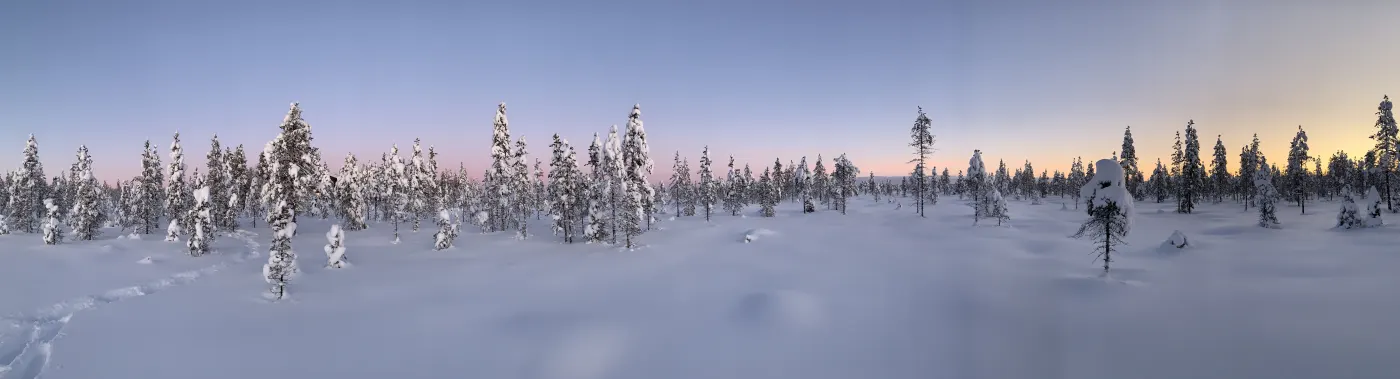
For investors and project developers, the stakes are now clear: designing hotels aligned with these values not only meets guest expectations, but also ensures lasting, differentiated performance.
Share this article with a colleague, a client or a partner.
That is often how an idea enters a house, and then its habits.
What you say about it matters more than what I say.
A keynote, a mission, an article in the magazine: if my work has been useful to you, a few lines on Google are worth more than any argument.
Leave a review on Google →