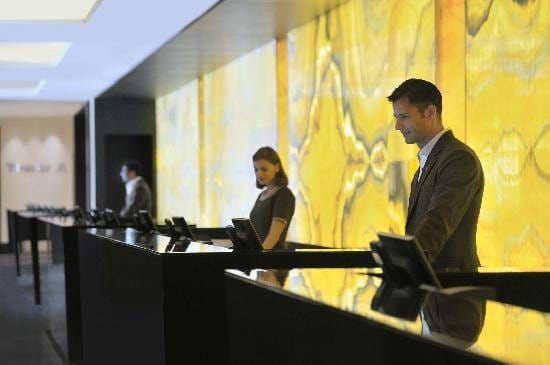
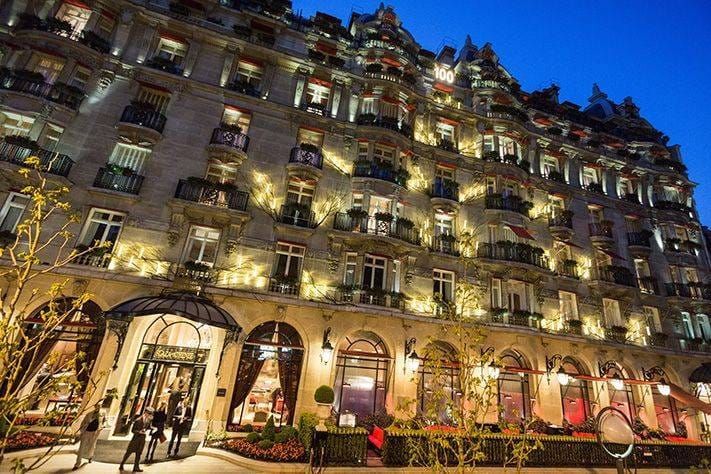
The staff: the heart of a palace hotel's experience
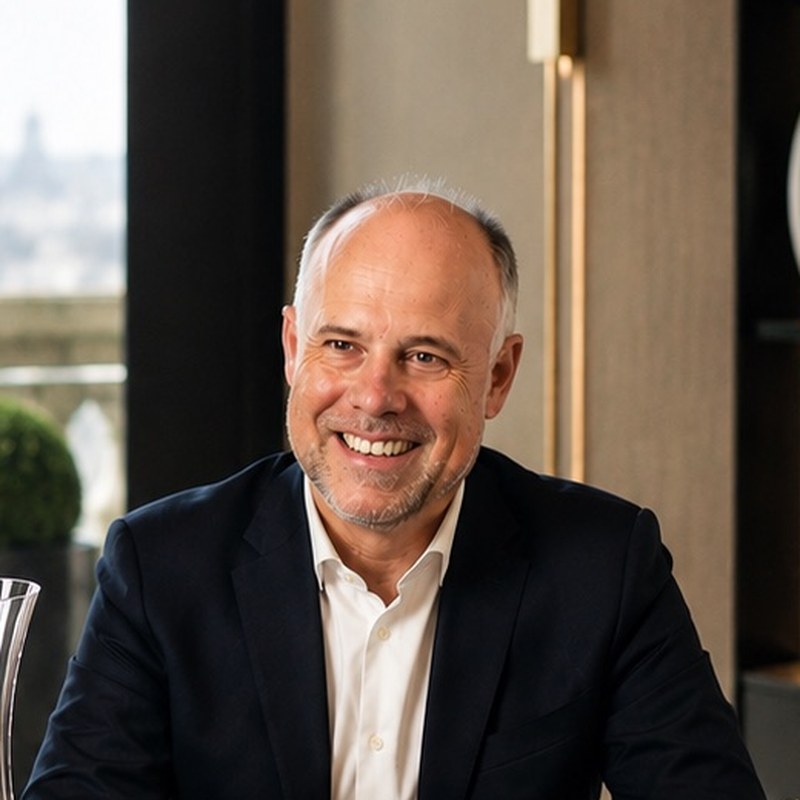
I met François Delahaye, CEO of Dorchester Collection. A conductor of excellence, he oversees the Collection's hotels: Plaza Athénée, Le Meurice in Paris, The Dorchester in London, The Beverly Hills Hotel and Hotel Bel-Air in Los Angeles, Hotel Principe di Savoia in Milan, Coworth Park in Ascot, 45 Park Lane in London, as well as Le Richemond in Geneva and the Eden in Rome.
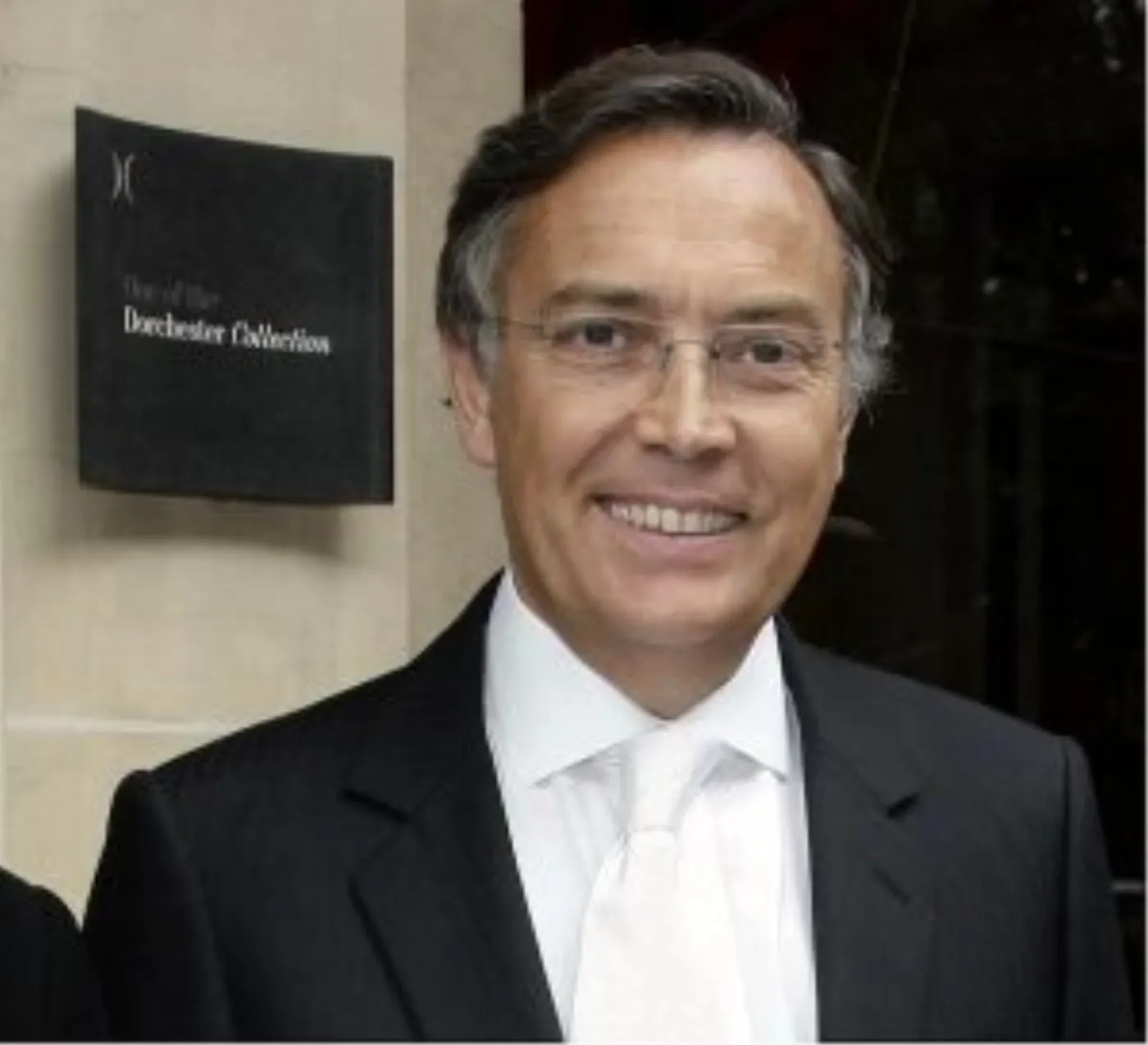
How do you involve your staff in the success of your hotels, and how do you stay competitive while maintaining the service level a palace hotel requires?
Human resources are, first of all, a major challenge. We spend a lot of money on training. At Dorchester Collection, we're a small company, but developing talent is essential to us. We do this at the local level, to train newcomers and educate them on the prerequisites of luxury hospitality. Increasingly, we supplement their soft skills and technical skills according to the education they've received. They need to very quickly learn how to carry themselves, how to speak, how to act with guests, and so fully play their part in the guest experience. Then, we shouldn't overlook the real impatience among younger generations: we need to help them grow, develop quickly, and support them in doing a placement abroad to improve their English.
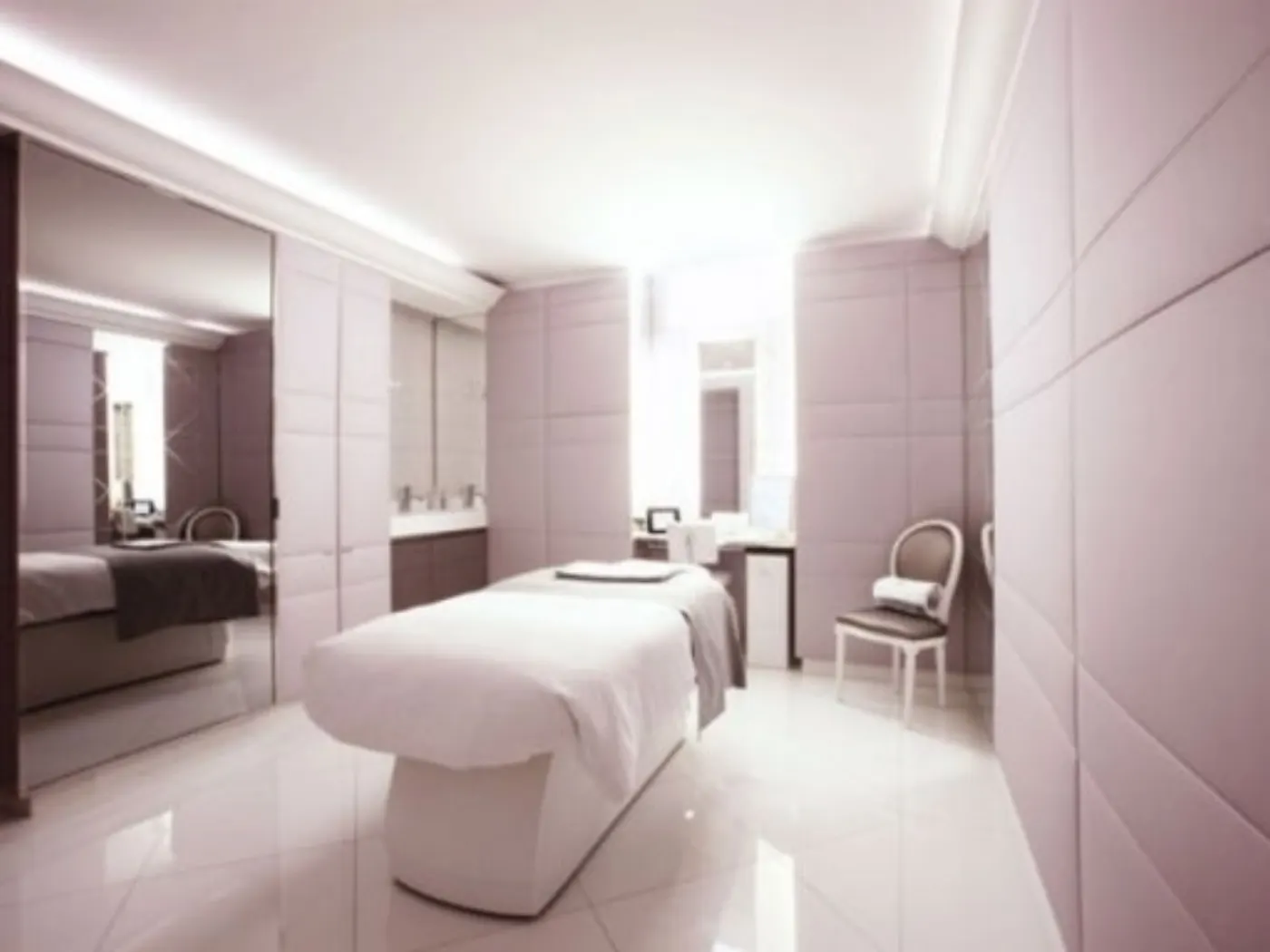
We can also work with Christian Dior, for the spa for example. This helps us enormously in training our teams in an area outside our own field of expertise.
Of course, despite the significant budget we allocate to training, some people leave for the competition, and that comes at a cost. But some come back, having grown. They discovered something else, saw that it wasn't necessarily better elsewhere, and most often remain loyal to our hotels afterwards.
Dorchester Collection is one of the very few companies that owns its hotels. We don't need to constantly convince owners to invest. I believe this is essential: we need to look after our employees' wellbeing. They will only make guests happy if they are happy themselves. We're also fortunate to have an owner who gives us the time to build this brand intelligently.
How do you build a sense of camaraderie, of a large family, within your teams?
I'd say it all starts with leading by example. I regularly meet my teams on the ground to talk with them, and having exemplary behavior is essential. I place great importance on personalizing the relationship I have with each of my staff and employees. That's essential: I like there to be no doubt that the pleasure of working together is shared. A sense of camaraderie comes from bringing your teams together. That's why I regularly share information and our house's successes. Everyone needs a sense of what our house accomplishes day to day, and everyone needs to share common values and goals. Finally, I personally run training sessions to present the vision for Plaza Athénée in the years to come.
Beyond that, a sense of camaraderie can only be achieved by surrounding yourself with trustworthy people, to whom I can delegate. You have to find the right balance between guidance and autonomy, to let people live the experiences that will help them grow. That's why I surround myself with staff who have potential, and I never make decisions in an authoritarian way. My department heads have freedom in managing their departments. That way, they don't feel constrained, and each brings their own human touch.
Share this article with a colleague, a client or a partner.
That is often how an idea enters a house, and then its habits.
What you say about it matters more than what I say.
A keynote, a mission, an article in the magazine: if my work has been useful to you, a few lines on Google are worth more than any argument.
Leave a review on Google →