
A hotel stay is a multi-sensory experience that engages all five senses: from the visual aesthetics of the architecture to the awakening of the palate in the restaurant, through the sounds of the music, the texture of an armchair, or the scent of a bouquet of flowers. In a contemporary approach to hospitality, these sensory elements can no longer be thought of in isolation: they must be orchestrated together to create an experience that is coherent, memorable and meaningful for the guest.
All sensory elements must work in harmony to produce a coherent, memorable experience that carries real meaning for the guest. Yet the sense most often neglected in hotels is the one that stays with us the longest in our memories. This is what I also call the authenticity of a successful hotel experience. It is important to build harmony around all five senses within a hotel.
Smell acts immediately, emotionally and lastingly. It is a powerful lever for memory and attachment to a place. The art of scenting a hotel finds its full place within French-style hospitality. We come from the country of Proust, who poeticized the importance of a scent and its ability to crystallize a moment of our lives.
This reference perfectly illustrates the power of scent as a vehicle for storytelling and emotion within the guest experience.
Whatever your hotel's philosophy, you will always find an aromatic palette that suits it, depending on its territory, its history, its guests and its style. A signature scent should never be chosen at random: it must express the DNA of the place, its positioning and the experience you want guests to live.
It is not necessarily useful to create a single scent for the entire hotel. It is possible to create subtly differentiated scents that evolve along the guest's journey through the hotel, and according to the time of day or the season. This approach makes it possible to build a genuine sensory scenography, where every space and every moment contributes to the overall experience.
A strategic approach to scent in hospitality
In the projects I support, scent always fits within a broader strategic reflection: that of generous hospitality. It is not about adding an olfactory signature, but about revealing the soul of the place and creating coherence between the space, the teams and the guest experience.
Recently, I supported one of the most prestigious ultra-luxury properties in this exact process. The goal was not simply to diffuse a scent, but to find the right olfactory expression, one able to bring harmony, cohesion and depth to the experience.
For this, I worked alongside a true "nose", a perfume-creation expert already working for palace hotels, capable of translating the identity of the place into an olfactory signature.
In-depth work was carried out beforehand: understanding the place, its history, its architecture, its positioning and the emotions being sought. This brief is essential. Without it, the scent stays superficial. With it, it becomes structuring.
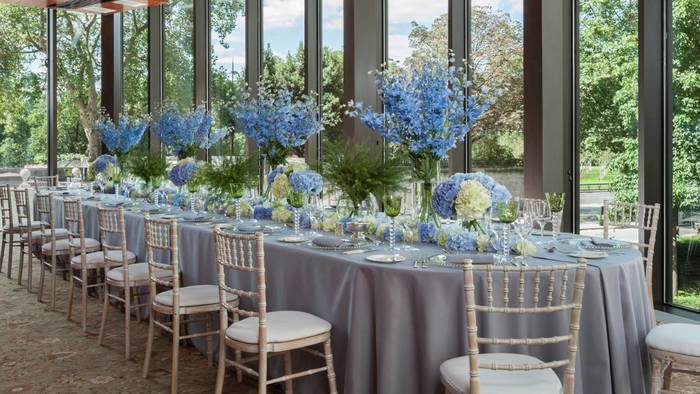
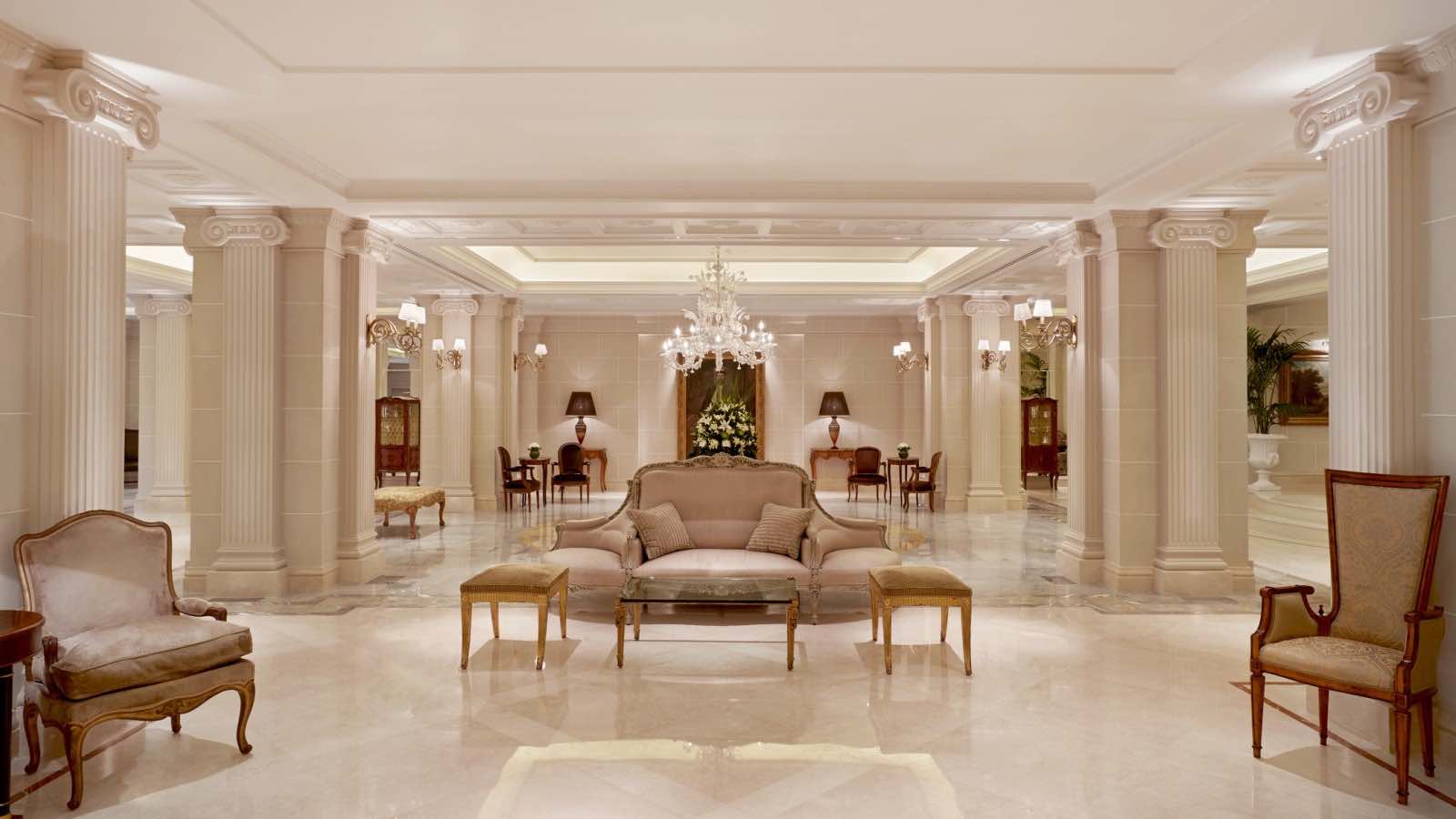
And then came that particular moment. The place was ready. The spaces, finished. The floral decoration, in place. The furniture, set. Everything was there, and yet something was missing.
The day the scent was diffused for the first time, the impact was immediate. The atmosphere transformed. The place found its balance. Suddenly, there was a coherence, an obviousness.
The scent brought that extra soul, that sense of precision and stability that takes a place from "very beautiful" to truly "lived in".
It is precisely at that moment that you understand smell is not a detail. It is a pillar of the experience.
Tools in the service of a vision
Several tools can help you diffuse a signature scent: diffusers, candles, sprayers. But the choice of these tools must always be guided by an overall vision, not by a simple technical or budgetary logic.
There are several solutions that can fit your property.
Candles also offer an excellent opportunity for guests to bring a memory of their stay home with them. They extend the experience beyond the stay itself and let the hotel live on within the guest's own space.
Pay attention to quality, even though I know budget is always a consideration. Care must be taken with the ingredients used in candles, and natural fragrances should be favoured. The quality of raw materials is essential to preserve a property's image and guarantee an experience true to its positioning.
A candle is the concrete expression of a hotel's wish to leave guests with a lasting impression. Once home, the candle becomes a lovely conversation piece and gives guests the chance to share their experience with loved ones, and to think back on the hotel. It becomes a genuine tool of sensory and emotional communication, a way for the hotel to promote its art of welcome beyond its own walls.
What to remember: thinking of scent as a lever of generous hospitality
A signature scent should never be treated as a simple decorative element. It is a strategic lever in the service of the guest experience and of differentiation.
In an approach of generous hospitality, every detail matters, provided it is thought through with precision and coherence.
Thanks to my experience in hospitality, I can support you in your project and help you select your signature scents and candles. I get involved early on to structure the reflection, define a precise brief, and surround myself with the best experts, able to translate the identity of a place into a sensory experience.

I have surrounded myself with the best experts for this. Please do not hesitate to contact me.
Share this article with a colleague, a client or a partner.
That is often how an idea enters a house, and then its habits.
What you say about it matters more than what I say.
A keynote, a mission, an article in the magazine: if my work has been useful to you, a few lines on Google are worth more than any argument.
Leave a review on Google →