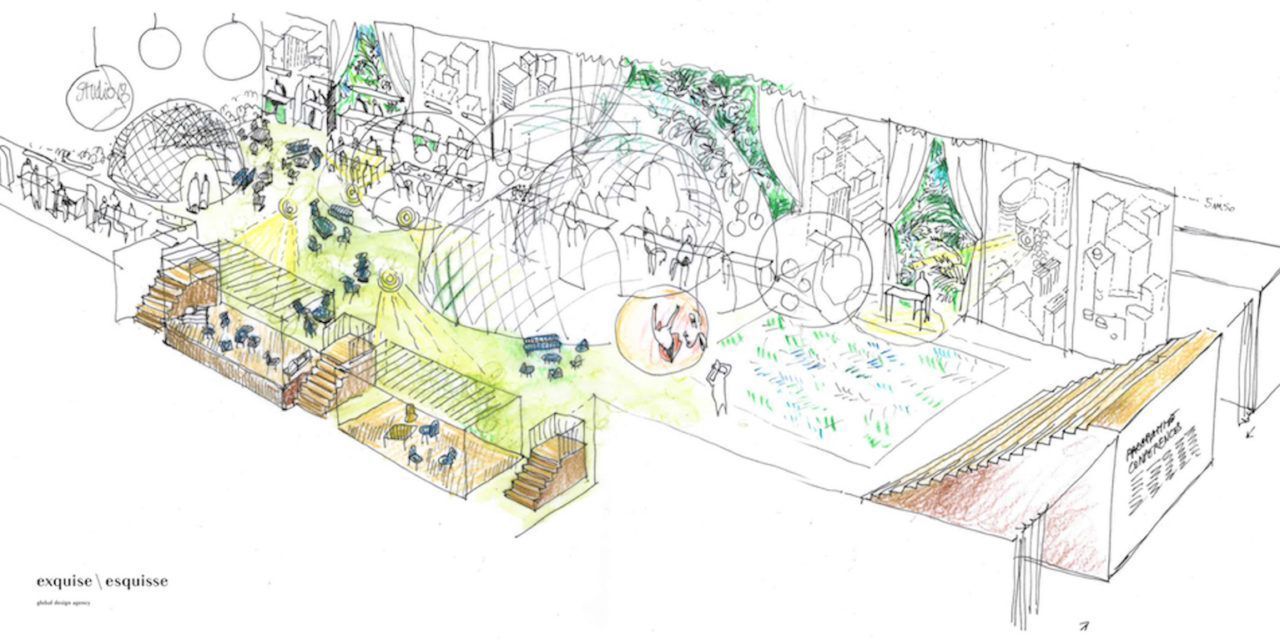
Coworking, a lifestyle space within the hotel
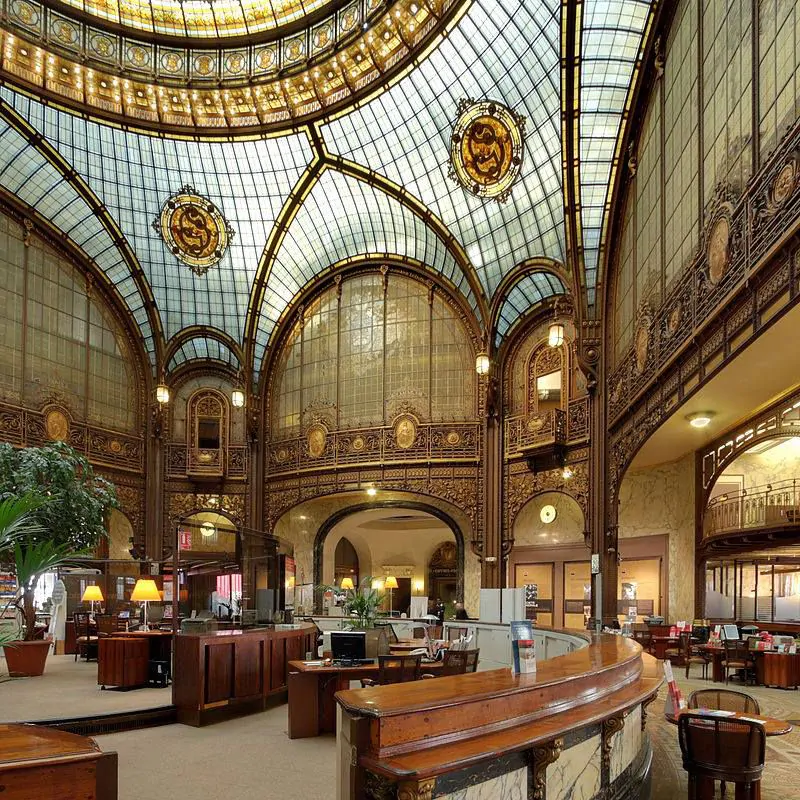
The creation of 'lifestyle spaces' and shared areas, coworking spaces in particular, has become essential for the hotel industry if it wants to compete with other forms of accommodation such as Airbnb. As different spaces merge their services and original functions, circulation within the establishment needs to be rethought. Hotels must differentiate themselves and reinvent the way they deliver service. The hotel becomes a place where guests can gather in a single, versatile space that meets their needs at different times of day and for different purposes of their stay. It is also a way for the hotel to stop leaving spaces empty during the day and to grow its revenue as a result. The hotel becomes a lifestyle destination where guests can find a certain buzz of activity, or, if they prefer, simply stay in their room. These spaces also attract a new, non-resident clientele who go on to use the hotel's other services.
The hotel industry must be able to capture the new markets opening up to it, coworking among them. Guests' needs here are real, which makes for genuine added value. In upscale hotels, there is a real opportunity to create coworking spaces for an older clientele looking for something less industrial and less 'communal' than the spaces already designed for a younger audience. Luxury hotels can differentiate themselves from, and compete with, other platforms by creating lifestyle spaces, services and cross-functional areas.
The challenge with outdoor spaces is to extend the hotel's indoor experience outward, through creativity, intuition and innovation. Outdoor spaces are not the main event, but they hold real value, and with an innovative, creative layout, they can extend all of a hotel's services. Over recent years, this has almost become a trend in its own right. As landscapes evolve, so do outdoor spaces: they can add rooms, expand existing ones, or improve comfort, as is the case, for example, with the terraces of luxury hotel suites that extend everything a guest finds inside their room to the outdoors, with an extreme level of personalization in furniture, comfort and decor.
A major, forward-looking trend among landscape designers is to bring nature into the hotel project itself. Bringing greenery into rooms, onto rooftops or into swimming pools is a real challenge. There is a genuine desire for lush, exuberant vegetation, like an urban jungle. It is an effective way to convey emotion, to share an experience, and perhaps to demonstrate, and communicate to guests, an establishment's commitment to sustainable development. It feeds into the broader societal push to improve air quality and quality of life for guests, and to commit to protecting the planet. That said, integrating nature into an architectural project is ambitious and challenging: it takes time, nature can be unpredictable, and you have to be able to anticipate and plan for how plants will grow. Despite these obstacles, outdoor spaces should become increasingly fundamental and strategic within the architectural and hotel complexes of tomorrow.
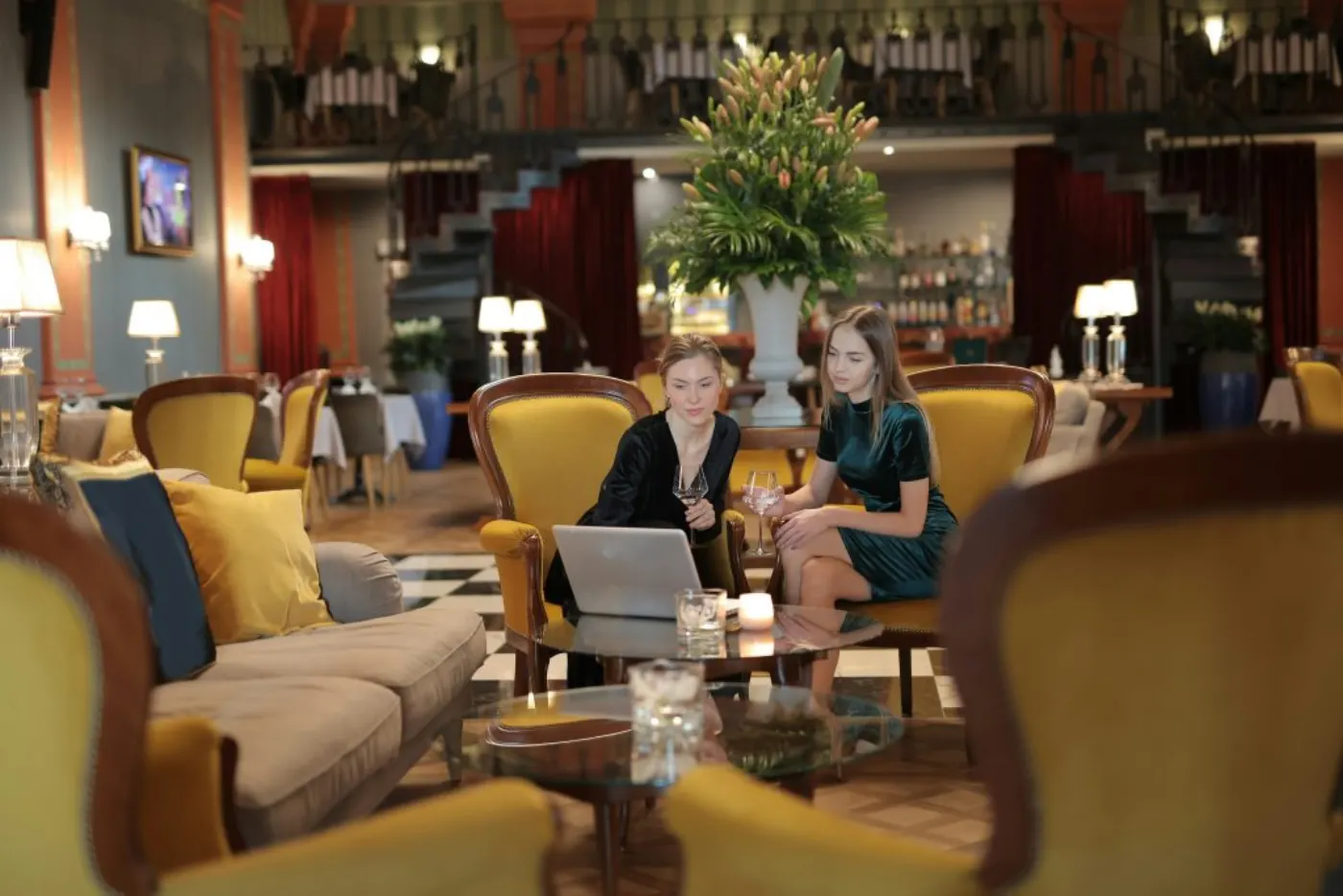
In contemporary hospitality, a hotel can no longer be conceived solely as a place to sleep. It becomes a true experiential ecosystem, capable of bringing together work, wellbeing, dining, socializing and inspiration within a single space. This shift is profoundly transforming the way hotels are designed, from their architecture to their services and their role within the city.
These new hybrid lifestyle spaces, blending coworking, outdoor areas, wellness hospitality and immersive experiences, respond to a major shift in the habits and expectations of international travelers. Guests now look for flexibility, human connection, emotion and a personalized experience that can extend their own way of life, even while traveling.
At Delporte Hospitality, we believe the hotel is becoming a place capable of going far beyond simple service to build a lasting emotional connection with its guests. Hospitality is no longer just about welcoming people: it is about designing spaces where travelers feel inspired, restored and deeply connected to the place they are discovering.
The hotels that succeed tomorrow will likely be the ones capable of building this cross-disciplinary dialogue between architecture, design, guest experience, nature, technology and the human dimension. Hotel coworking, green spaces and new places to socialize are therefore no longer secondary trends: they are becoming major strategic levers for luxury hospitality and for hospitality as a whole.
Share this article with a colleague, a client or a partner.
That is often how an idea enters a house, and then its habits.
What you say about it matters more than what I say.
A keynote, a mission, an article in the magazine: if my work has been useful to you, a few lines on Google are worth more than any argument.
Leave a review on Google →