What if the future of luxury hospitality lay in doing away with receptionists? In London, 45 Park Lane has removed the traditional borders between front-of-house roles to make every employee a genuine host. Forty-five rooms and suites, a penthouse, a restaurant by Wolfgang Puck, a private spa reserved for residents alone, and a management philosophy worth examining. Met at ILTM in Cannes in December 2025, General Manager Lee Kelly shares his vision of a generous hospitality built on coherence, personalisation and team commitment.
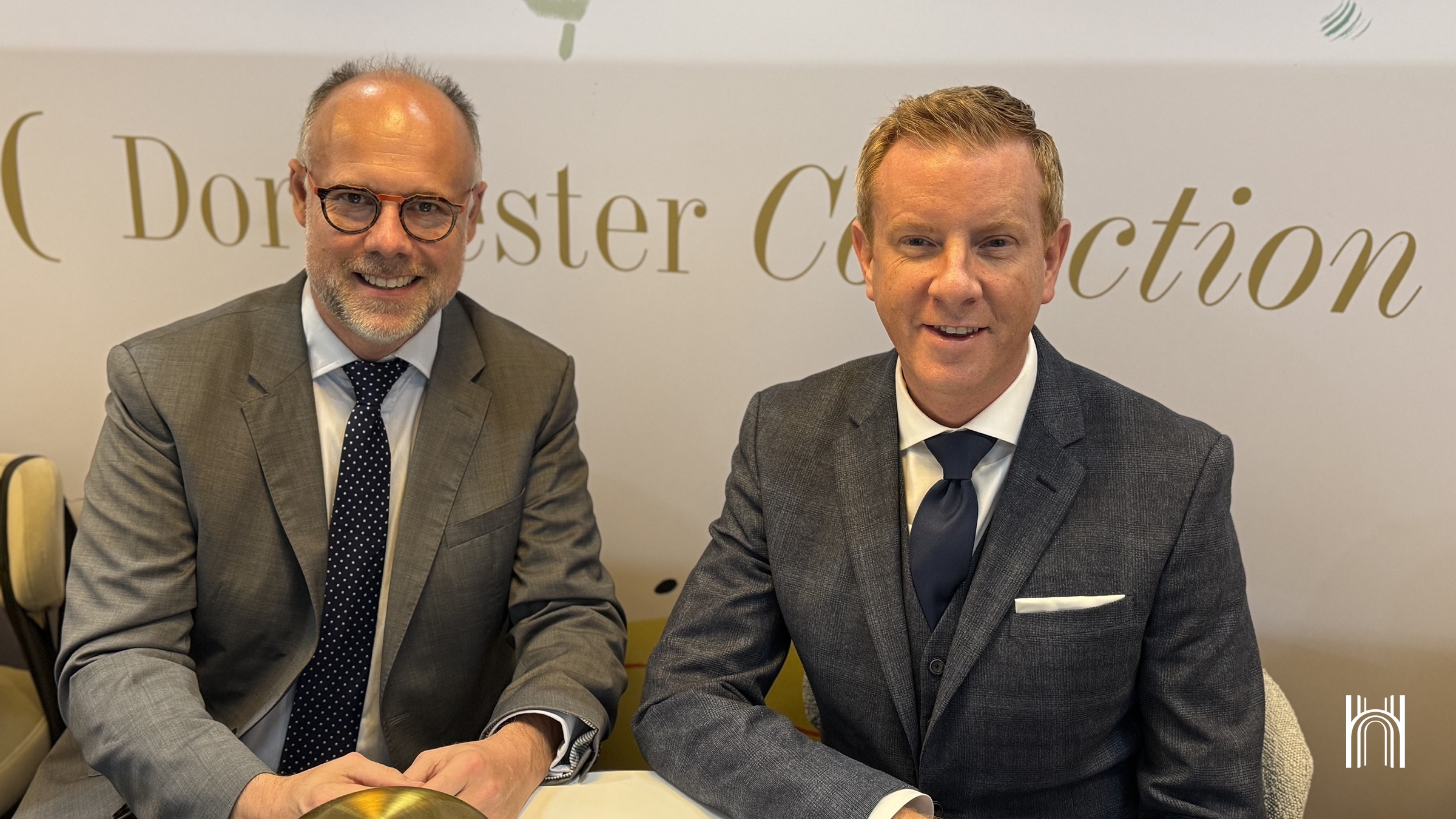
I had discovered 45 Park Lane several years ago, on a visit to London. The impression was immediate and lasting: a precious atmosphere, an intimacy that the grandest addresses cannot always create despite their means. It was not at the hotel that I met Lee Kelly, but in Cannes, at ILTM, the annual gathering of luxury travel. That is often how the most interesting conversations in our industry take shape: far from the walls of the property, in a neutral setting where general managers speak freely.
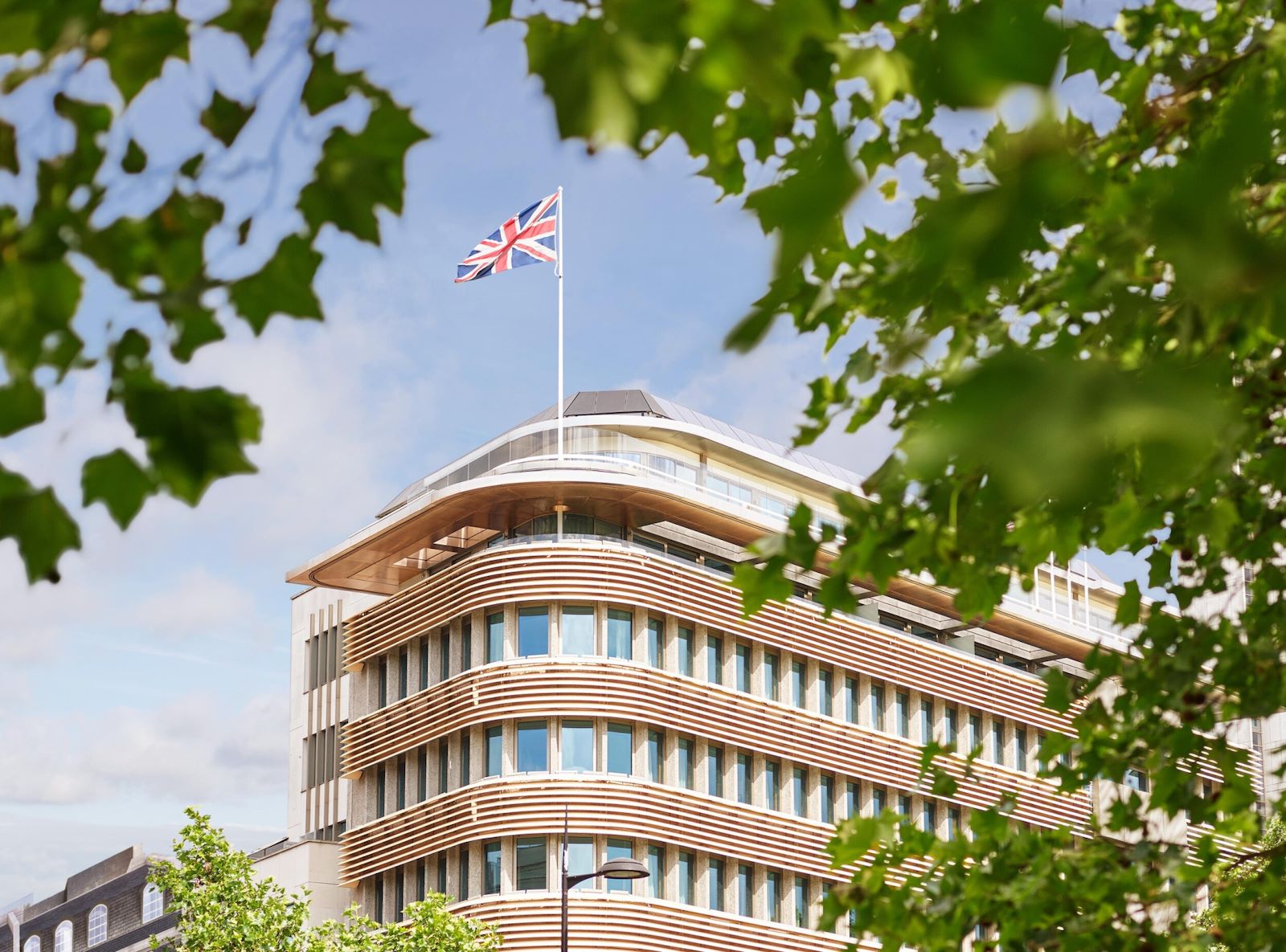
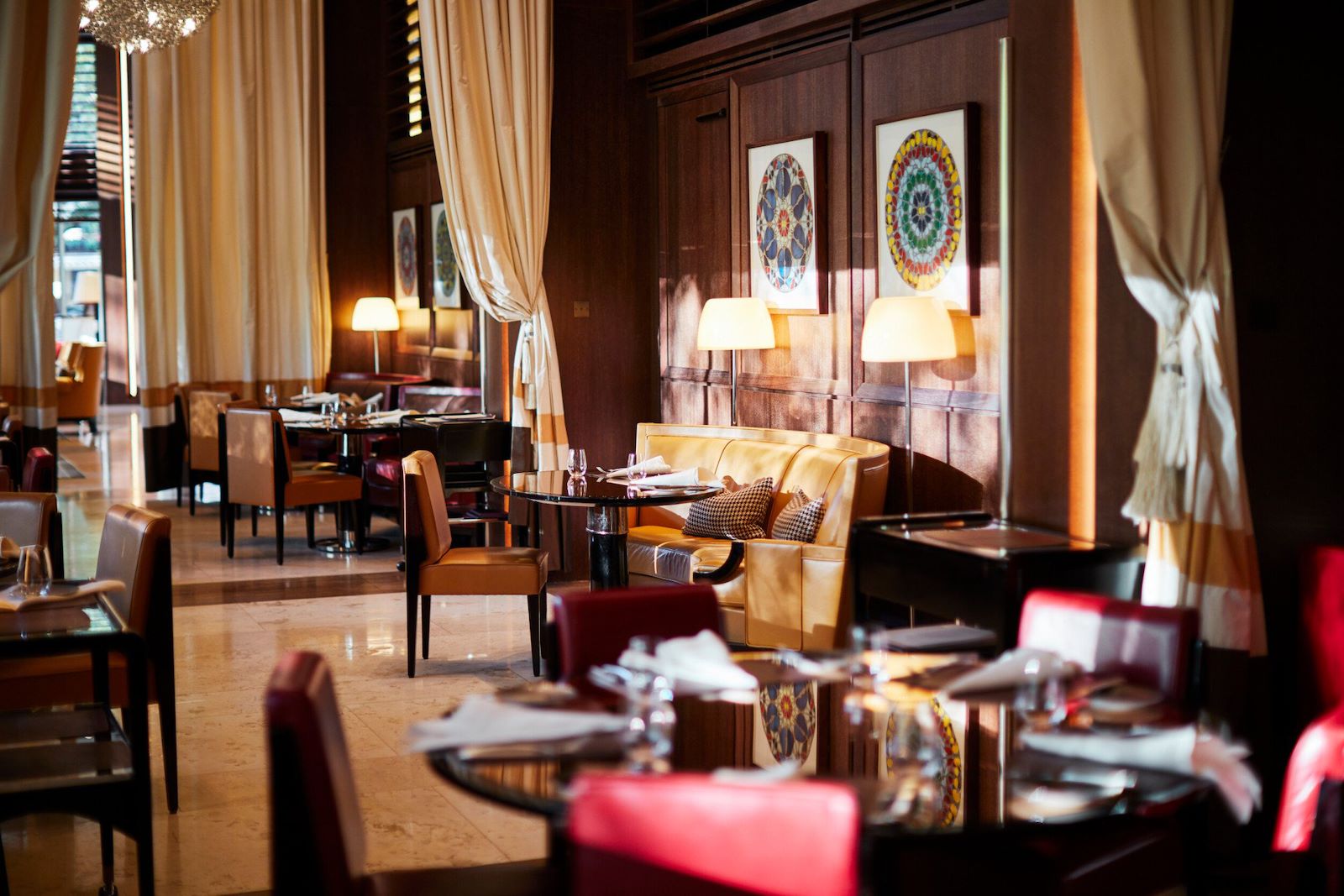
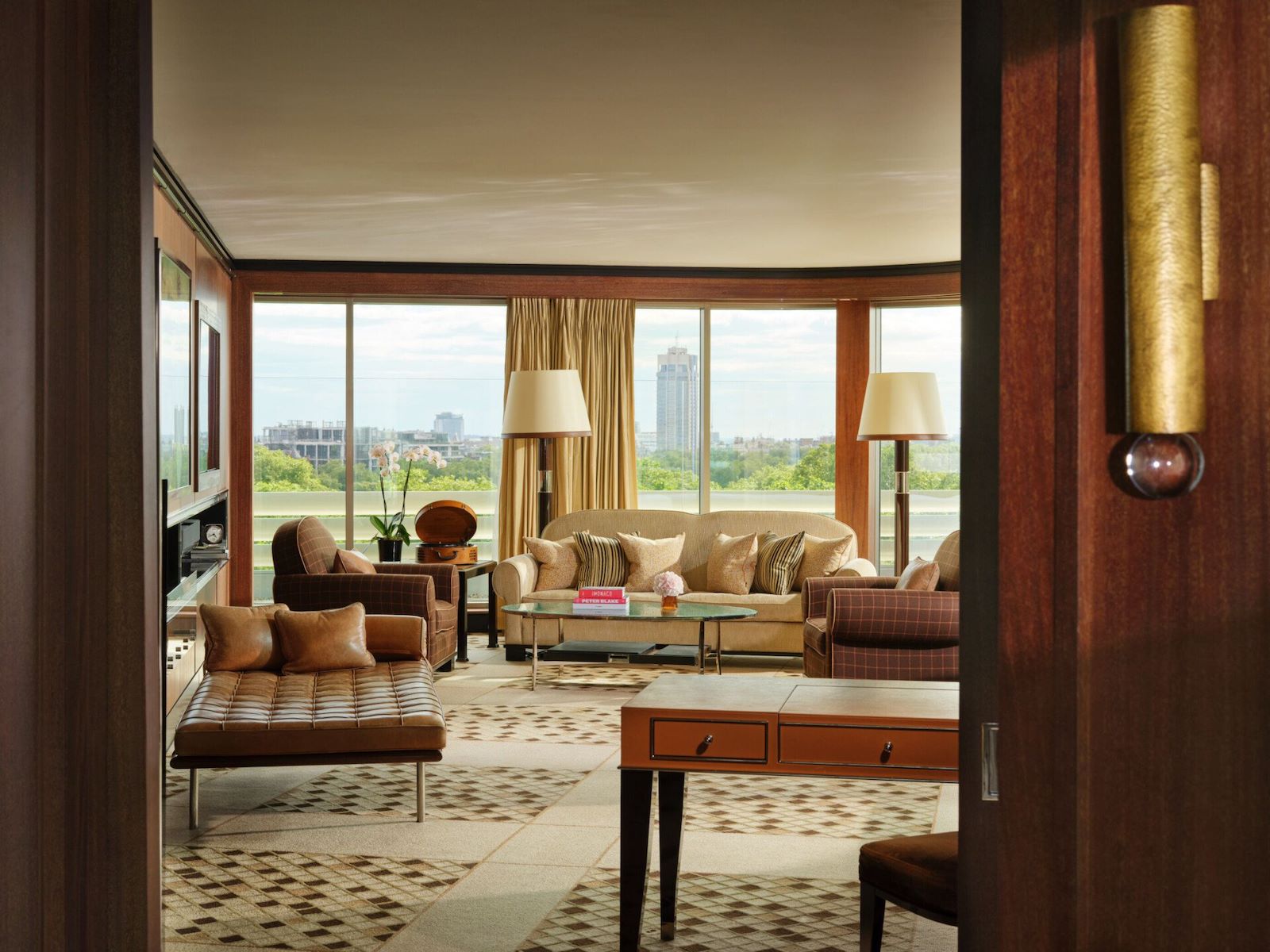
What Lee Kelly described to me that evening matched exactly what I had felt during my stay, without yet being able to put it into words. 45 Park Lane does not try to compete with The Dorchester, its neighbour on Park Lane. The two hotels are complementary, but profoundly different in what they offer. On one side, the grandeur of a century-old palace. On the other, the calculated intimacy of a 45-key house where every employee is trained to be, above all, a generous host.
Why abolish receptionists in a luxury hotel?
Because luxury guests no longer want to be greeted by job titles, but received by people: at 45 Park Lane there is no front desk and no siloed departments, only hosts.
The question of organisational structure sits at the heart of contemporary luxury hospitality. Large groups long operated on a vertical model, compartmentalised by department: front desk, concierge, housekeeping, food and beverage. That model guaranteed managerial clarity, but sometimes created a fragmented guest experience, noticeable in the transitions between services.
At 45 Park Lane, Lee Kelly made a radical choice: remove that border. There is no receptionist in the classic sense. There are hosts, butlers, and a shared conviction that every member of the team is responsible for the guest's overall experience. This is not simply a matter of job titles. It is a deep transformation of the internal culture, grounded in generous hospitality: giving without counting, welcoming without reserve.
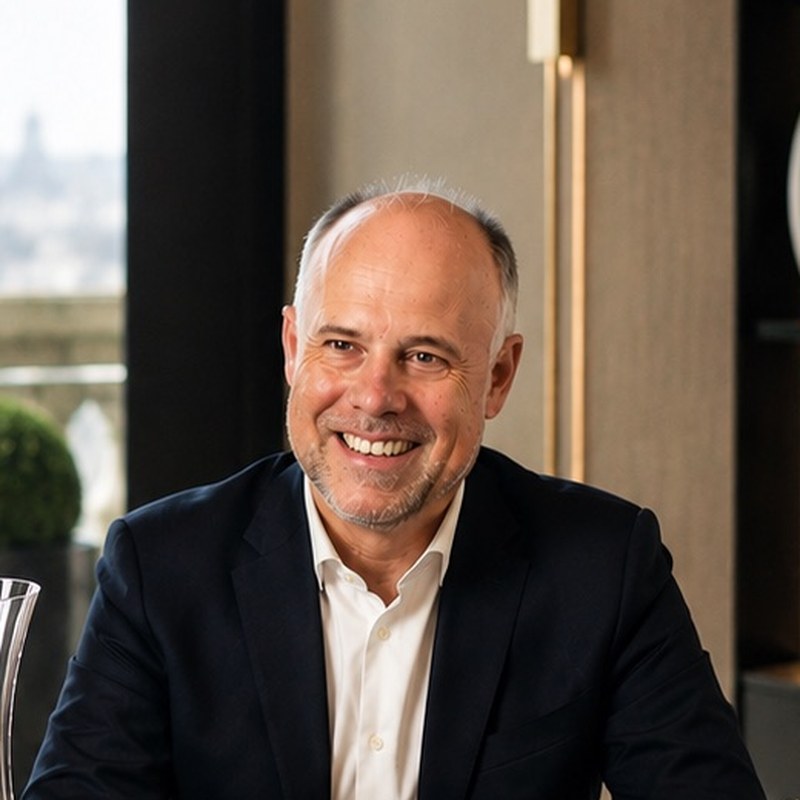
Lee Kelly, General Manager of 45 Park Lane
This model chimes with what I have observed for years in the evolution of luxury hospitality. The host culture is not a communications slogan: it is a complete reorganisation of the promise made to the guest and of the environment offered to the employee. It demands more rigorous selection, deeper training, and trust placed in each individual to embody, alone and at every moment, the identity of the house.
The result is measurable. Loyal guests of 45 Park Lane speak of their room as their London home. That is not a turn of phrase. It is the most reliable indicator of generous hospitality done well.
How do you truly personalise a luxury stay?
By preparing every arrival in advance, collectively, so the guest never has to repeat themselves: personalisation is an operational discipline before it is a marketing argument.
Personalisation has become the most spoken word at industry conferences. Almost every luxury hotel general manager lists it as a priority. Yet the gap between promise and reality often remains immense. Personalising is not printing a first name on a welcome note. It is anticipating, knowing, remembering, adapting, without ever forcing the guest to repeat themselves.
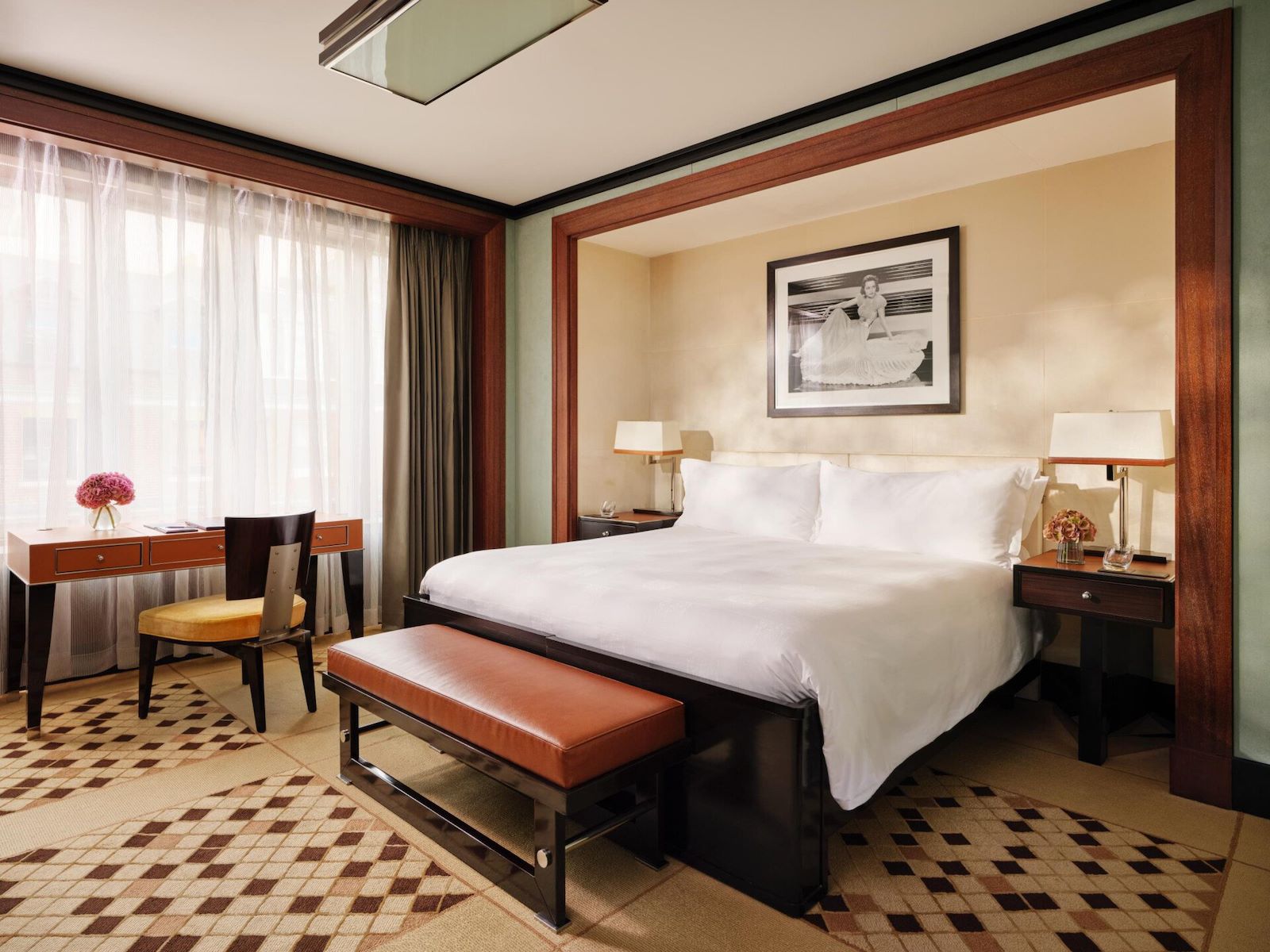
Lee Kelly describes a concrete process, prepared ahead of every arrival, anchored in collective discipline. That groundwork, invisible to the guest, is what produces the impression of effortlessness.
Lee Kelly
What Lee Kelly describes is in fact an operational discipline disguised as natural attention. And that is precisely the challenge of personalisation in luxury: it must appear spontaneous, when it is the fruit of a meticulously organised process. The real skill of a great hotel is not knowing that a guest prefers firm pillows. It is having recorded it, shared it across the team, and acted on it, before the room is even allocated.
In a 45-key boutique hotel, this becomes structurally more achievable than in a 250-room palace. But it is also a higher demand: with so few guests at a time, every missed interaction shows all the more.
How do you retain your teams in luxury hospitality?
By treating the employee experience with the same care as the guest experience: at 45 Park Lane, four recruitment stages including an interview with the general manager, and no use of agency staff.
The post-COVID recruitment crisis laid bare a truth that luxury hospitality preferred to ignore: the appeal of front-of-house careers can no longer be taken for granted. New generations demand meaning, recognition, an environment consistent with their values. The hotels that came through that period unscathed are those that had invested in their internal culture before the crisis forced them to.
45 Park Lane is firmly in that camp today. Minimal turnover, no recourse to agency labour, stable and committed teams. Lee Kelly attributes this result to sustained work on culture and working environment.
Lee Kelly
What Lee Kelly describes is not classic human resources management. It is a management philosophy that recognises that service quality cannot be separated from quality of working life. An employee who does not feel recognised, heard and valued cannot offer a guest sincere hospitality. They can imitate its codes, never its intention.
The recruitment process itself reveals this priority. Four stages mark every application, up to an interview with the general manager in person. In a group of the Dorchester Collection's standing, that is a powerful signal.
Lee Kelly
This is where the size of the property becomes a competitive advantage. In a boutique hotel, the relationship between management and teams can stay direct, human, legible. Hierarchy is not an obstacle to proximity. It is one of the most underestimated arguments of the boutique model against the palaces: not only a more intimate experience for the guest, but a more engaging environment for the employee.
Does the employee experience determine the guest experience?
Yes, and the Dorchester Collection has turned it into a programme: the guest experience cannot durably exceed the employee experience.
The Dorchester Collection has developed a cross-cutting internal culture framework, We Care, deployed across all its properties worldwide. The programme starts from a simple but demanding premise: the guest experience cannot durably exceed the employee experience.
Lee Kelly
What We Care illustrates is the maturity of a group that has understood that excellence cannot be imposed from above. It is built through coherence: coherence between what the brand promises the guest and what it actually offers the employee, between the standards on display and the real conditions of work. Hotels that advertise values of welcome without embodying them internally inevitably produce a performative service, never a true one.
It is a lesson I have often observed in my work with hotel teams: the properties where the guest experience is strongest are almost always those where the employee experience is most carefully tended. That is not a coincidence. It is a causality.
What place for artificial intelligence in luxury?
The place of a tool, not a substitute. AI can analyse and anticipate, it cannot reproduce the affective memory of an employee who recognises a guest returning after two years.
Lee Kelly belongs to a generation of hotel managers who did not grow up in the traditional operational world alone. They read the data, understand the platforms, measure the impact of every touchpoint. But they have not sacrificed the essential on the altar of digital efficiency.
Generous hospitality cannot be decreed. It is recognised in the way a general manager gives his time, shares his vision without reserve, and treats every person he meets as a guest, whether client, colleague or passing visitor. Lee Kelly is a natural illustration of this: at ILTM as in his hotel, the generosity of the welcome starts at the top of the house and travels down to every floor.
Lee Kelly
This obsession with touchpoints sits at the heart of contemporary luxury management. Getting the arrival and the departure right is no longer enough. It is the whole trajectory of the guest, from before the booking to long after the departure, that builds loyalty. The hotels that have understood this invest in post-stay follow-up, in personalised communication, in the long-term relationship.
On artificial intelligence, Lee Kelly takes a position I share: neither blind enthusiasm nor defensive rejection. A clear-eyed curiosity.
Lee Kelly
This is probably the right stance for luxury hospitality. AI can analyse a guest's preferences, anticipate their needs, optimise room allocation or revenue management. It cannot replace the warmth of a glance, the precision of a gesture, the affective memory of an employee who recognises a guest returning after two years. The risk is not that AI replaces people in luxury hospitality. The risk is that some properties use it as a pretext to cut headcount, believing technology will compensate. It will not. Not in this segment.
Laurent Delporte's reading
Leaving ILTM that evening, I took away from the conversation a strengthened conviction: the hotels that perform durably in luxury are not necessarily the largest, nor the most talked about. They are the ones that have chosen a line and hold it with rigour, whether in organisational structure, internal culture or their relationship with technology. 45 Park Lane has made that choice. The choice of a generous hospitality® built on coherence rather than on the accumulation of amenities. The more hotels invest in technology, the more the quality of the human relationship will become their true competitive advantage.
This logic is not limited to hotels. A clinic, a corporate headquarters, a boutique or an airport lounge also receive people, not job functions: as soon as a place removes the borders between its roles, every employee becomes the host of whoever walks in.
Key takeaways
Generous hospitality is recognised in the way a general manager gives his time, shares his vision and treats every person he meets as a guest. A host who gives without counting inspires teams who welcome without reserve.
Removing the silos between roles in favour of a host culture unifies the guest experience and makes every employee accountable for the identity of the house.
True personalisation is an operational discipline before it is a marketing argument: it is prepared, shared across the team and executed before the guest arrives.
Retaining teams is a direct investment in service quality. Low turnover builds the relational memory of the hotel, an invisible but decisive asset in luxury.
The employee experience and the guest experience are not two separate subjects. In a luxury boutique hotel, one is the condition of the other.
The boutique model offers an often underestimated competitive advantage: proximity between management and teams, the guarantee of a clearer and more embodied internal culture, and this holds for any place that receives people, from a clinic to a corporate headquarters.
Share this article with a colleague, a client or a partner.
That is often how an idea enters a house, and then its habits.
What you say about it matters more than what I say.
A keynote, a mission, an article in the magazine: if my work has been useful to you, a few lines on Google are worth more than any argument.
Leave a review on Google →