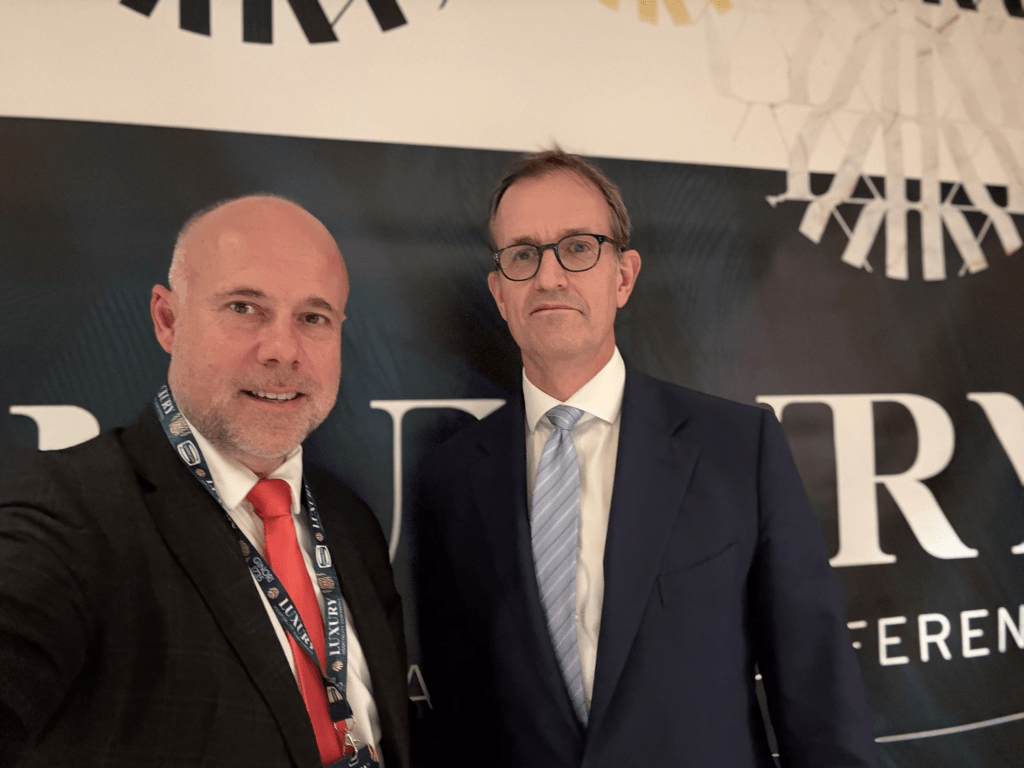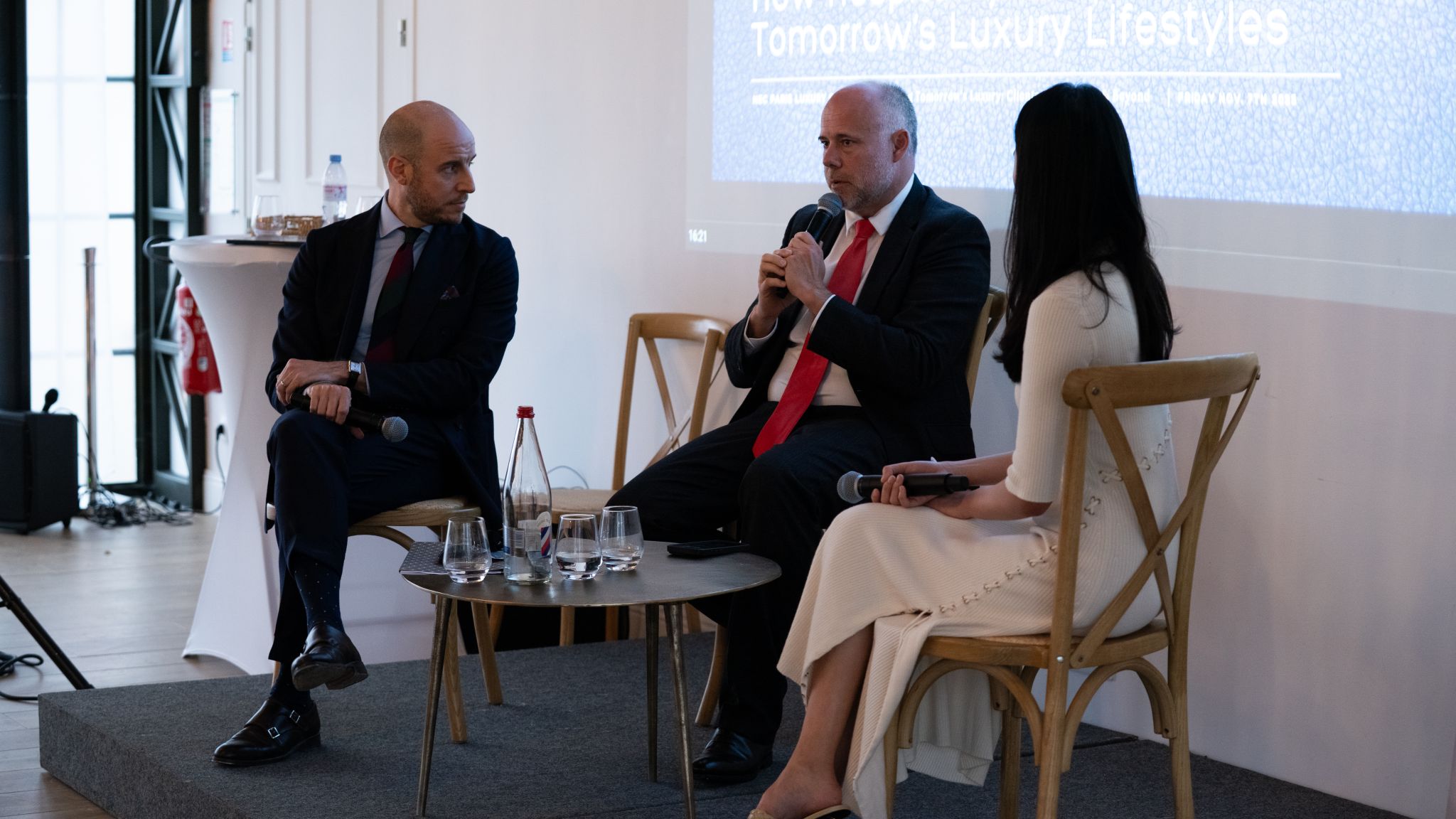
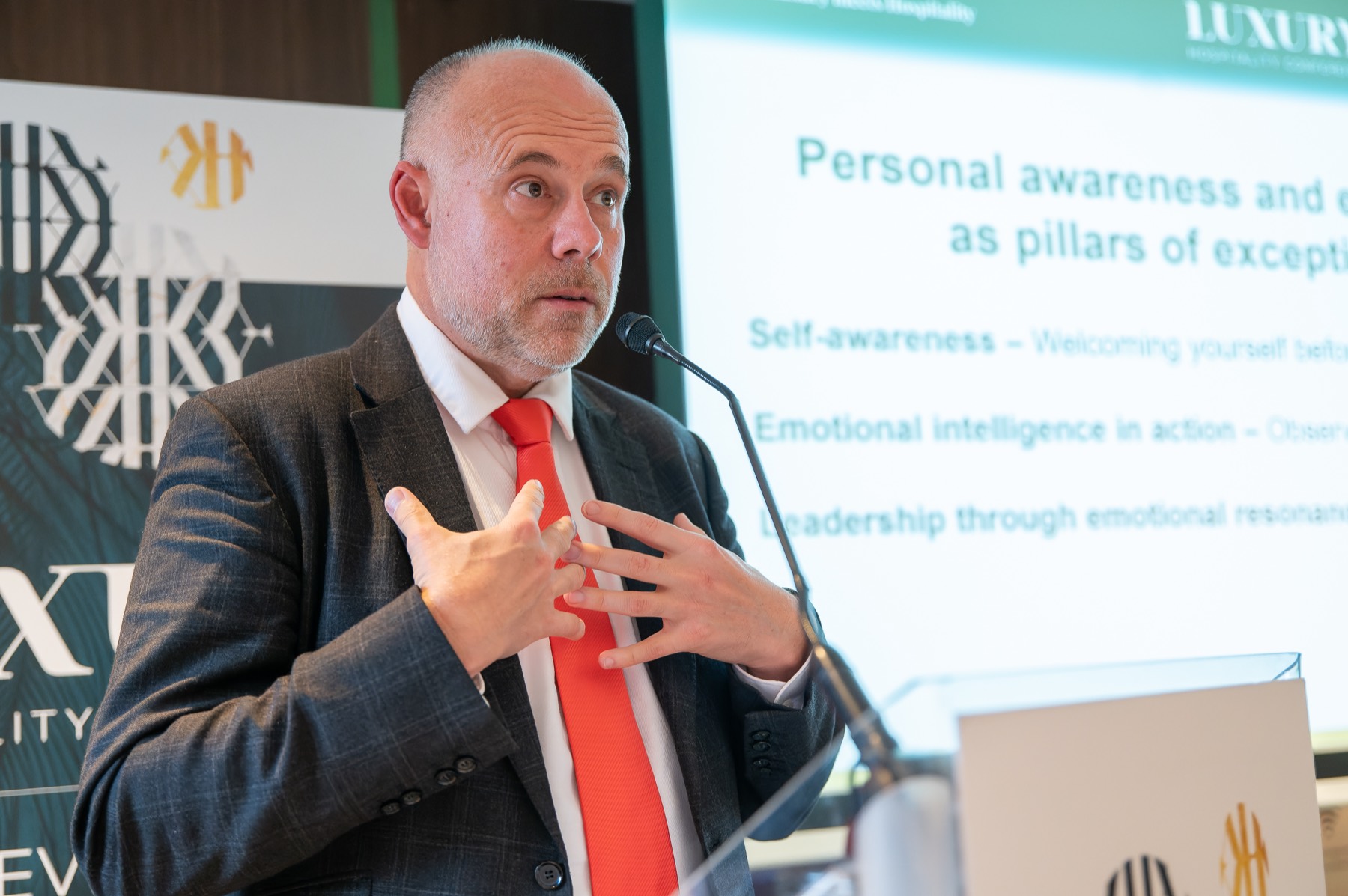
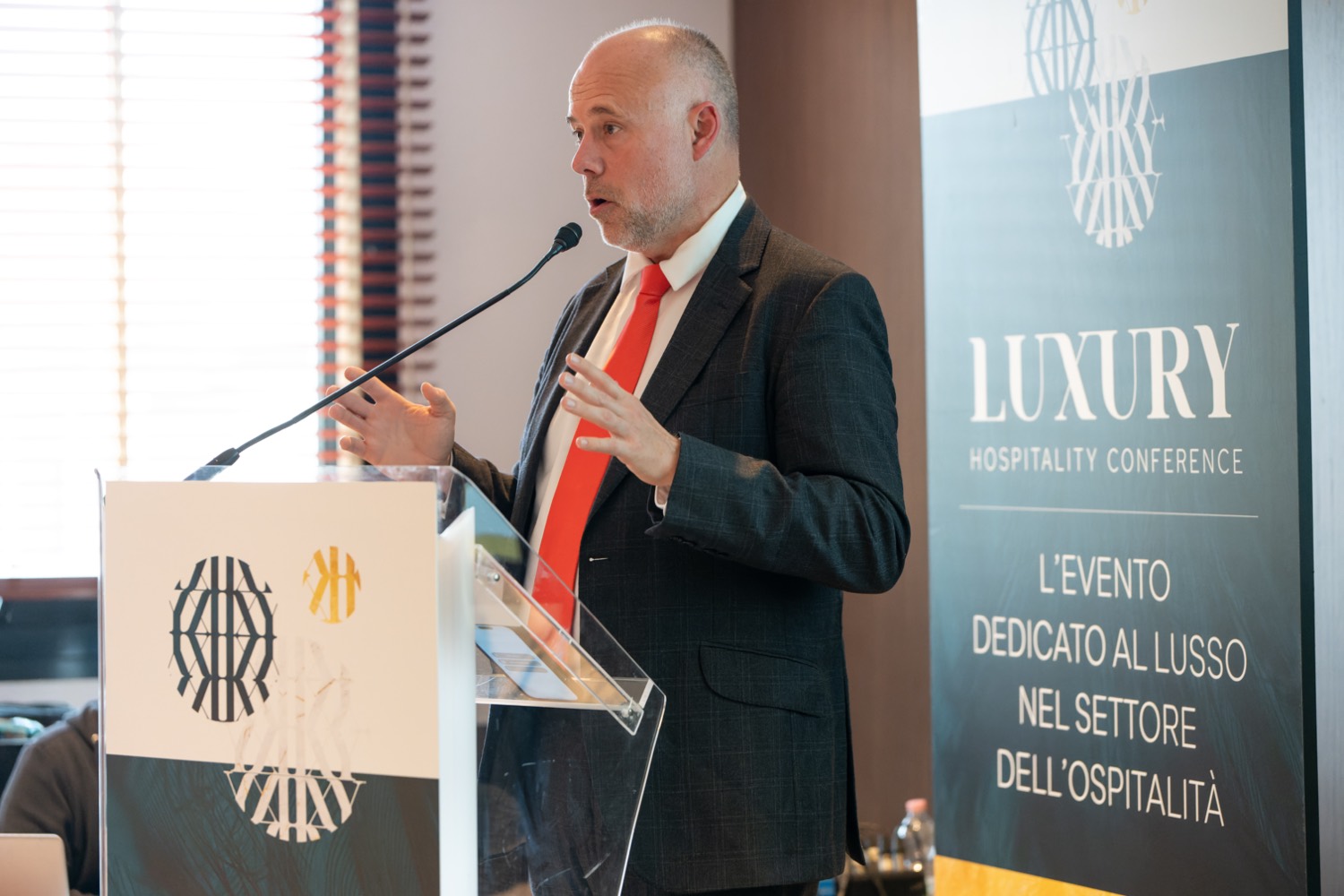
Every year, the Luxury Hospitality Conference brings together in Milan the leaders, hoteliers and professionals who shape luxury hospitality in Europe. They did me the honour of inviting me to lead a workshop, « The Art of Emotional Hospitality ». In front of the participants, I opened with a question that seemed to have nothing to do with hotels: when did you last feel that you were truly welcomed? Not simply greeted. Seen, understood, recognised for who you are. The silence that followed already held half the answer.
I regularly lead conferences and workshops, in France and abroad, in French and in English. I never come to deliver a lesson. I come to share what the field has taught me over these past 25 years and more, and to test my vision of tomorrow's hospitality against that of professionals who are building it differently. Milan is one of those gatherings where this exchange is the most fruitful, because the room there is demanding.
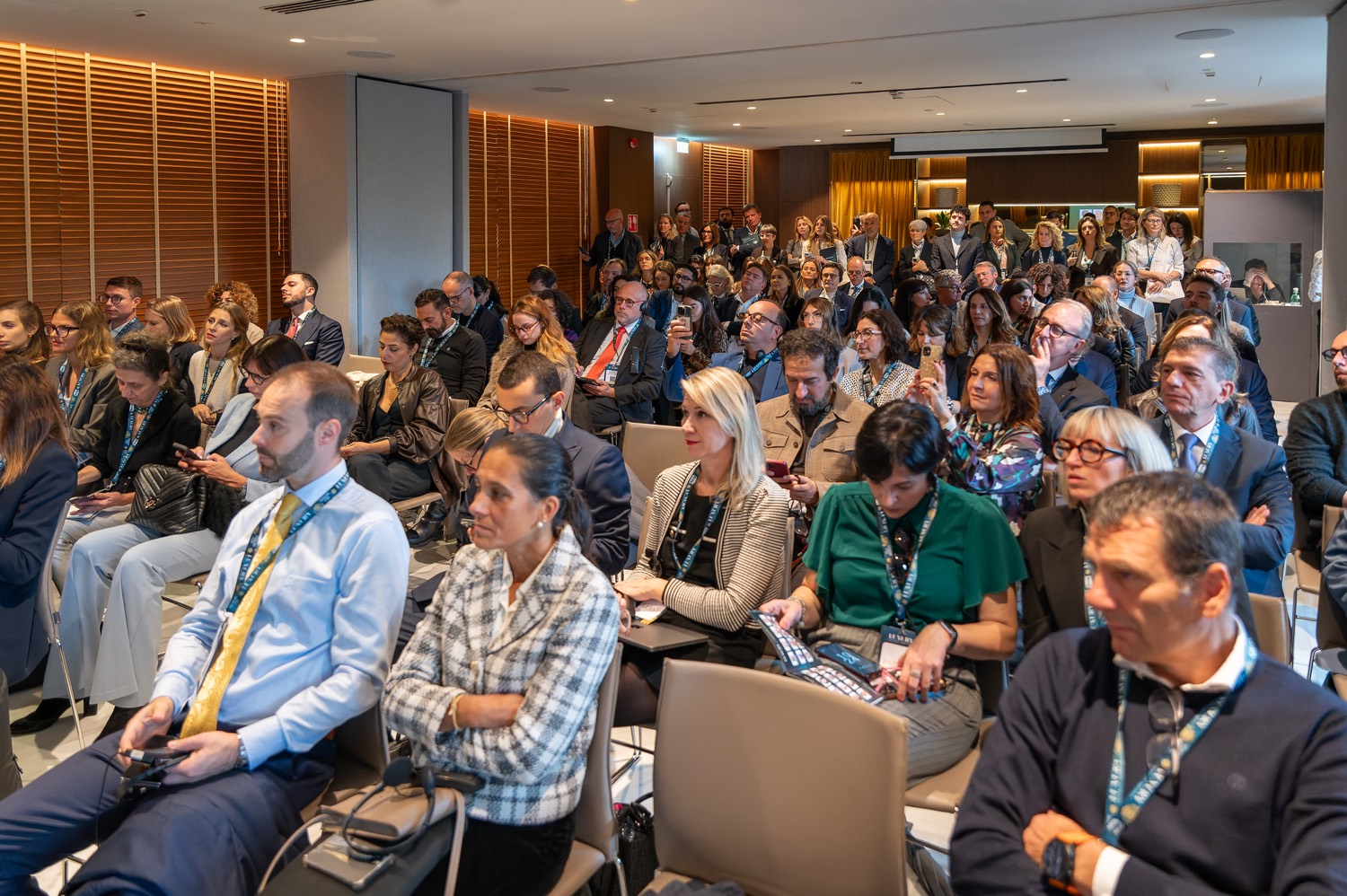
Every house has a welcome charter. Every house has its vocabulary, its standards, a carefully written welcome sequence. And yet, in the same establishment, at the same hour, two guests will experience radically different arrivals depending on the person standing in front of them.
The reason is simple and rarely addressed. What reaches the guest first is not the procedure. It is the inner state of the person applying it.
The workshop I lead on this subject is called « The Art of Emotional Hospitality ». It rests on three ideas and three tools, and here they are in full.
Why does an employee's mood reach the guest?
Because emotions are contagious. Stress, calm, joy and irritation are passed on without a word, and this invisible energy shapes the atmosphere of a place.
Hospitality begins inside oneself.
Before offering warmth to someone, a person must be able to connect with themselves, with their emotions, their energy, their state of mind. Yet most days begin without this step. An employee moves from the locker room to the briefing to the first guest without once asking how they feel.
Every emotion carried that morning will walk into the lobby with them.
This is the first thing I ask a team to admit, and it always meets some resistance. A professional would like to believe that the job consists precisely of setting personal moods aside. Experience says otherwise: a state set aside does not disappear, it is passed on in silence, and the guest senses it without ever being able to name it.
This is why a house cannot decree the warmth of its welcome. It can only create the conditions that make it possible.
The first tool: the thirty-second emotional check-in
Before starting the day, each employee takes thirty seconds to ask two questions: how do I feel right now, and what do I want to pass on today?
Thirty seconds. No seminar, no software, no budget.
The first question brings honesty. The second brings intention. Together, they turn a state that is endured into a state that is chosen. An employee who has identified their fatigue or their frustration does not make it disappear, but they stop letting it drive in their place.
This ritual produces a second, less expected effect. A person who welcomes themselves with honesty and kindness becomes able to sense what the other truly needs. Someone who ignores their own tension will not see their guest's tension either.
Personalisation then stops being a suggestion drawn from a stay history. It becomes an act of attention again.
The second tool: the three-second pause
Before answering someone, especially in a tense moment, take three seconds. Breathe. Observe. Choose your tone.
It is the tool teams adopt fastest, because its effects are immediate.
Emotional intelligence does not consist of staying perfect or permanently calm. It consists of staying aware, of observing, and of choosing a response rather than reacting automatically.
Three seconds are enough to turn a reaction into presence. They leave time to understand what the person opposite may be going through, and to adjust the tone accordingly. A complaint handled after three seconds of silence bears no resemblance to the same complaint handled instantly.
At a hotel front desk, those three seconds make the difference between a guest who is soothed and a guest who will write a review. The gesture is tiny, its return is considerable.
The third tool: the weekly emotional feedback
Once a week, a manager asks the team three questions. How did we feel this week? Which moments carried us? Which ones drained us?
Real leaders do not settle for managing tasks. They create emotional coherence.
They know that teams do not remember what they are told, but what they are made to feel. The weekly meeting gives this reality a frame and a rhythm. It turns a diffuse feeling into usable information.
The third question is the most useful, and the most rarely asked. Identifying the moments that drain a team amounts to mapping an establishment's breaking points: a badly built schedule, an absurd procedure, a department that systematically receives everyone else's complaints. These points cost money, and they appear on no dashboard.
This kind of exchange builds trust, empathy and resilience. It costs twenty minutes a week.
Does this method really work?
Yes, and I can document it. I supported the teams of the reception lounges at Paris airport on exactly this work. The quality of the welcome was transformed without a single new tool being introduced.
The reception lounges of a major airport are an ideal place to observe, because everything there is extreme: the level of expectation of the passengers, the pressure of time, and the brevity of the contact.
We worked on the way the teams welcomed passengers, not through the procedures, which already existed and were respected, but through presence, emotion and connection.
What I observed deserves to be reported precisely. As the team members learned to recognise and express their own emotions, they became more open, more confident and more united. The quality of the welcome changed. No tool had been added. No procedure had been rewritten. The energy of the place, however, was no longer the same.
That is the power of emotional coaching. An aligned team does not simply do its job well: it radiates, and the guest notices before setting down their luggage.
This ground was not a hotel, and that is precisely what makes the demonstration useful. These three tools work anywhere people receive other people: a hospital department, a care home, a corporate headquarters, an agency, a shop. The profession changes, the emotion passed on does not.
Laurent Delporte's reading keys
This workshop exists because one observation comes back in almost every company I support.
Management invests massively in the decor, in the tools and in the standards, and very little in the state of the people who apply them. The result is an establishment that is impeccable on paper and uneven in the real experience, with gaps that management attributes to the personality of its employees when they in fact come down to their availability.
My way of working comes down to a few things. I begin by observing a full service without intervening, from the briefing to the last departure. I note the moments when presence breaks: an arrival with three guests at once, a badly prepared shift change, a technical incident that contaminates the following two hours. Then I give these moments back to the team itself, which recognises them immediately, and together we build the gestures that absorb them.
The three tools described above are not conference concepts. They are delivered as they are, with their duration, their exact wording and the moment of the day to place them. A team must be able to apply them the next morning without supervision.
I intervene in three forms depending on the need: a conference to plant the idea in front of a room, a workshop to let teams experience it, and long-term support to check that it holds when staff change and when the hotel is full. In French or in English, in France and abroad, in front of thirty people as well as five hundred.
None of these interventions is off-the-shelf content. Each one is built with the house that welcomes me, from its guests, its teams and what it seeks to become. That is the condition for a room to recognise itself, and for the gestures offered to survive the next morning.
Hospitality is not a technique. It is an energy, a way of being. When a team learns to welcome itself and to welcome others sincerely, everything shifts: internal relationships, the way of leading, and the quality of every experience produced.
This is also the definition of hospitalité généreuse®, the concept I have formalised and that I pass on: the sense of place, the human connection and the wellbeing of the person being welcomed. A team that feels welcomed at home produces the third pillar effortlessly. A team that does not will never produce it, whatever the decor.
And the question asked in Milan remains the best way in for any management team. When did your employees last feel truly welcomed in your house?
If that question crossed your mind while reading these lines, it deserves better than a solitary thought. A conference in front of your teams, a workshop with your managers, or simply a conversation to check that the subject is the right one: my office answers, and the first exchange costs nothing more than twenty minutes.
What to remember
Emotions are contagious. An employee's inner state reaches the guest before any procedure.
Truly welcoming another person requires having learned to welcome oneself.
The emotional check-in: thirty seconds at the start of the day, two questions. How do I feel? What do I want to pass on today?
The three-second pause: before answering, breathe, observe, choose your tone. It turns a reaction into presence.
The emotional feedback: once a week, twenty minutes. How did we feel? Which moments carried us? Which ones drained us?
The moments that drain a team are an establishment's breaking points. They cost money and appear on no dashboard.
At the reception lounge of Paris airport, the quality of the welcome was transformed without any new tool, through work on presence and emotion alone.
Further reading
- Welcoming ourselves before welcoming others, September 2025
- Emotional hospitality at the heart of the customer experience, January 2026
Share this article with a colleague, a client or a partner.
That is often how an idea enters a house, and then its habits.
What you say about it matters more than what I say.
A keynote, a mission, an article in the magazine: if my work has been useful to you, a few lines on Google are worth more than any argument.
Leave a review on Google →