
When I worked at Sofitel and the Accor group, I had the chance to accompany many hotel renovation and creation projects, alongside renowned architects. I intervened at a key moment: when we started giving life to a place, thinking not only about aesthetics but also about the organization of spaces, guest comfort, and efficiency for staff. I particularly appreciated this mission, as it blended strategy, creativity, and attention to detail.
Designing or renovating a hotel is not just about choosing a color palette or changing furniture. It is about imagining a place of life, welcome, and emotion, capable of making an impression, seducing sustainably, and offering true hospitality. It is also about thinking about daily use, the well-being of the staff, and anticipating the evolution of needs in 10, 15, or even 30 years.
Today, with DELPORTE HOSPITALITY, I support hotel project developers in all phases of their transformation: from strategic thinking to operational support, including the selection of architects and hospitality consulting. In this article, I give you some concrete tips to improve the decoration of a hotel, enhance spaces, surprise your guests, and build a strong and sustainable concept.
How to make a hotel more attractive?
It all starts with a clear vision. Making a hotel attractive means knowing who you want to welcome, with what promise, in what environment. Decoration is a strategic tool that must reveal a strong identity.
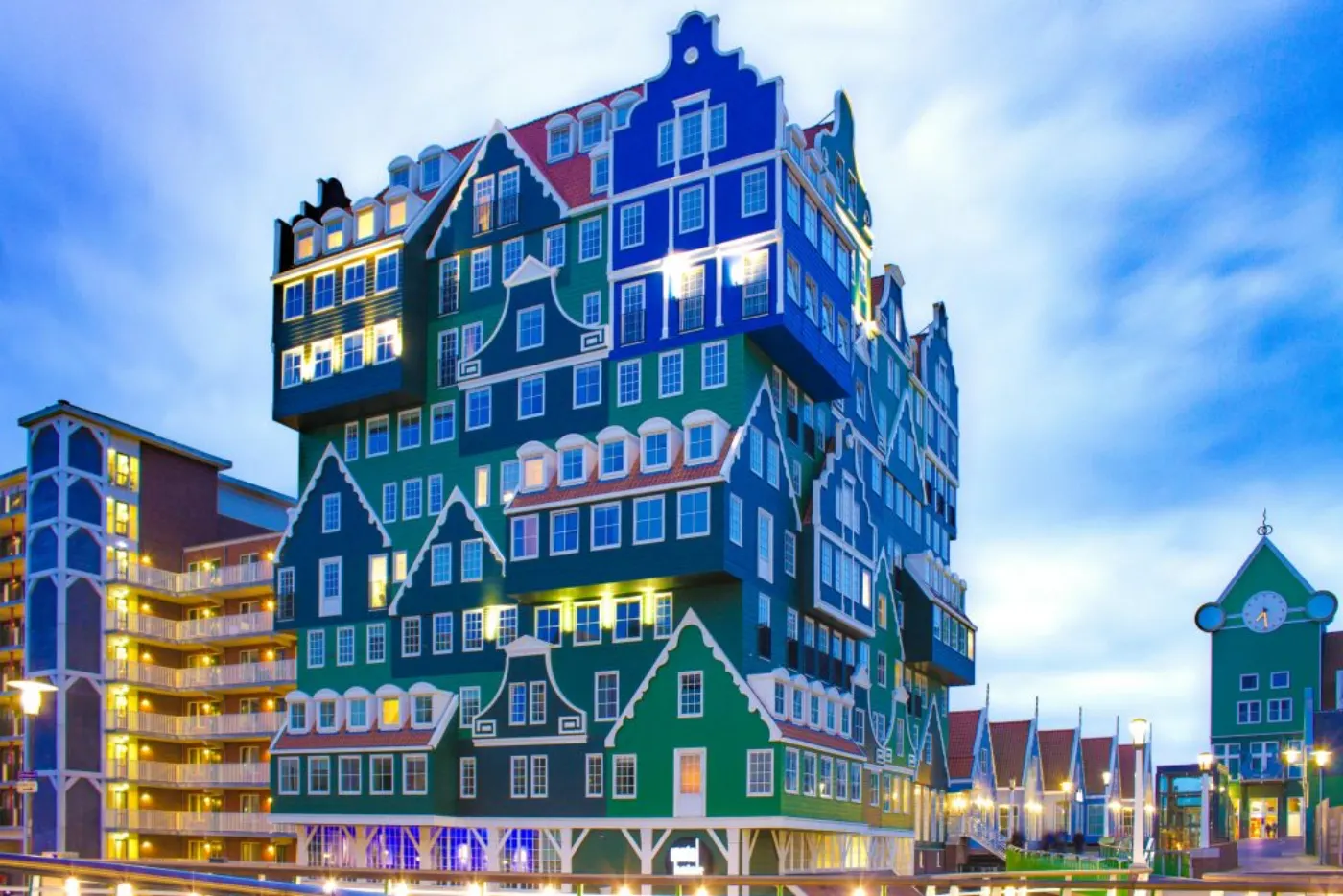
For example, a beach hotel can play on naturalness, raw materials, and soft colors, while a city hotel might prefer a bold, contemporary design, and cultural nods. The important thing is to avoid copy-pasting. Each project must tell a story.
What are the 7 components of the hotel concept?
1. Strategic vision (target market, positioning, objectives)
2. Location and its environment
3. Customer experience (sensory, functional, relational)
4. Design and decoration
5. Operational organization
6. Services offered (dining, wellness, digital...)
7. Company culture and hospitality embodied by the teams
Each component is interdependent. For example, the design must facilitate the work of the staff while creating an immersive atmosphere for the guest.
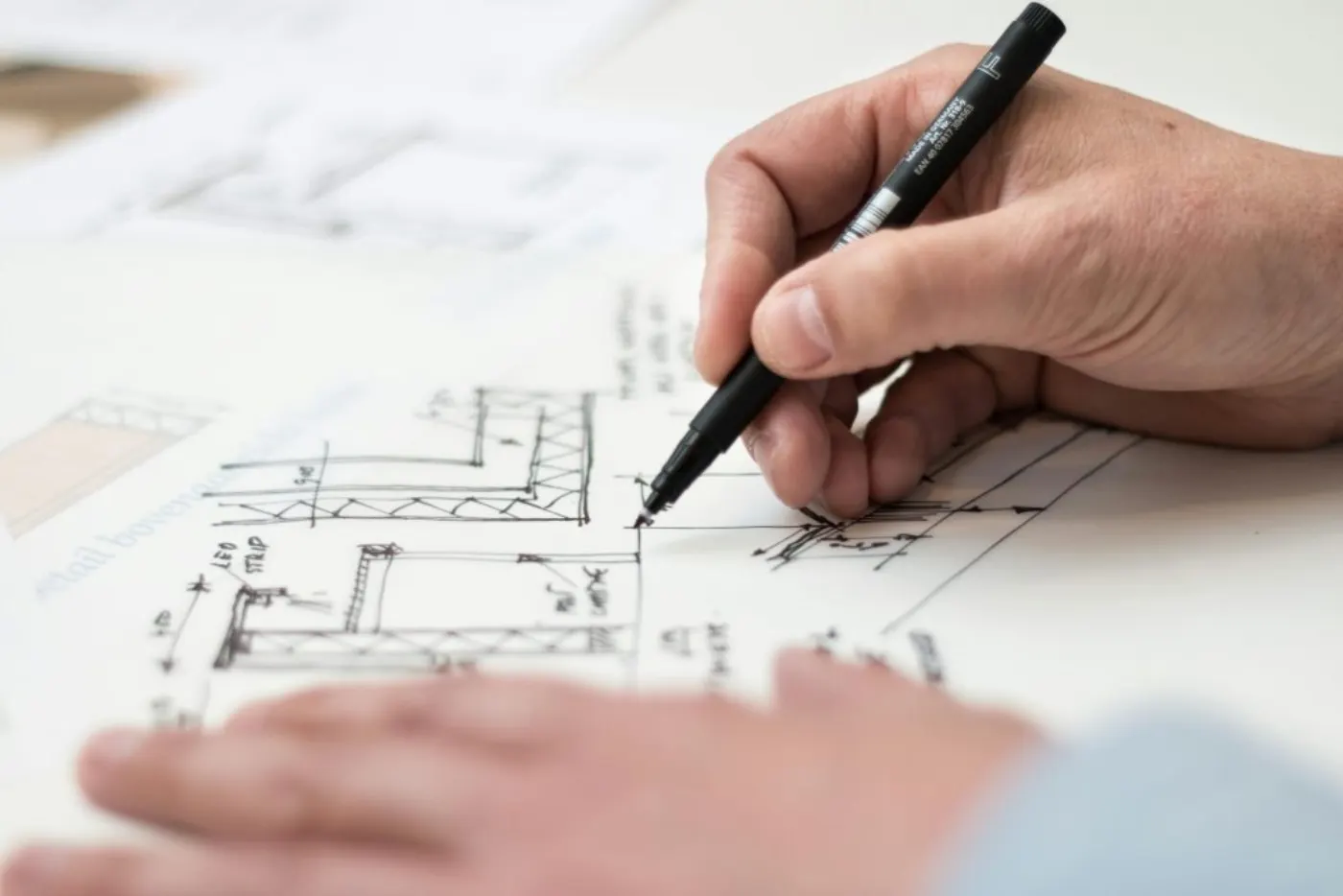
How to prepare a brief for an architect?
The brief is a decisive step. It must express:
• Hotel positioning (luxury, lifestyle, business...)
• Types of customers (international tourists, families, young professionals, local guests)
• Brand DNA and values to be translated
• Technical constraints (safety regulations, surface areas, standards)
• Functional expectations (logistics, customer journey, accessibility)
• Local inspiration (anchoring in the territory, use of local materials, highlighting craftsmen)
At DELPORTE HOSPITALITY, we support hoteliers or owners of businesses or reception venues in developing this brief strategically, and then selecting an architect in line with the project.
How do we think about a hotel room?
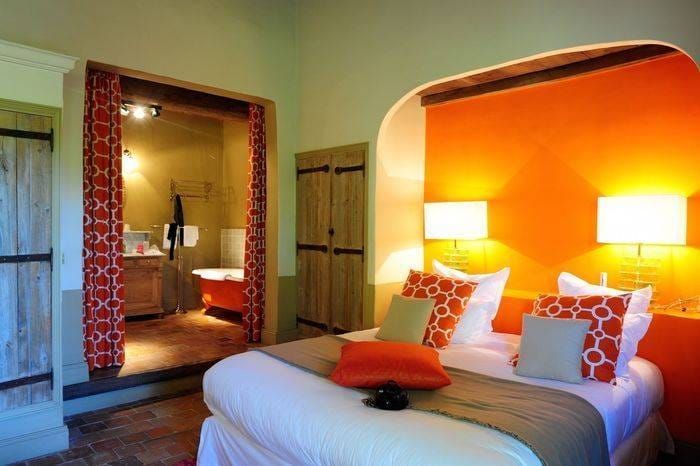
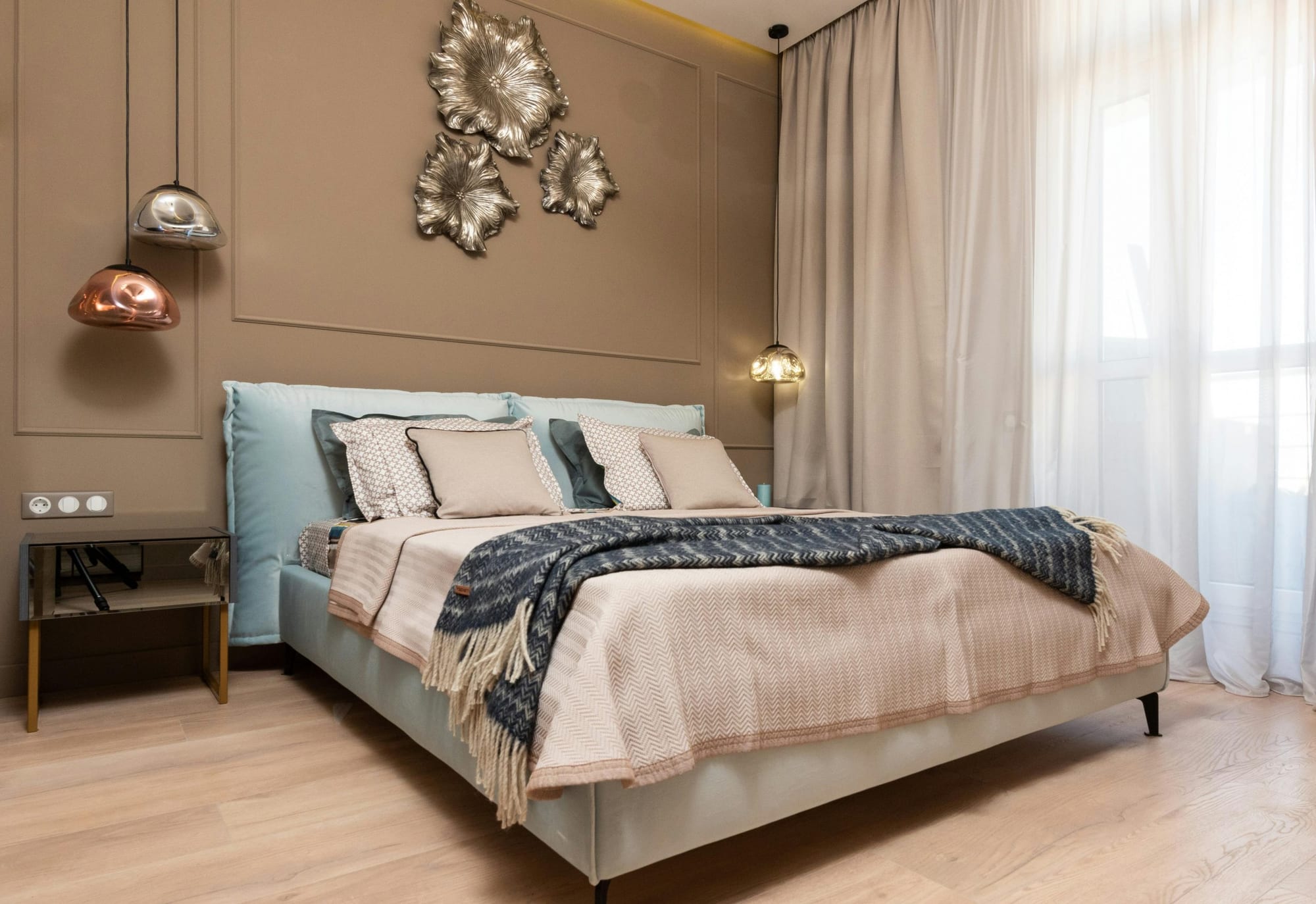
The room is a cocoon. It must be functional, soothing, and inspiring. We think of it around several axes:
• Sleep (bedding, darkness, acoustics)
• Comfort (temperature, seating, fluid circulation)
• Storage (practical and intuitive)
• Digital (discrete connectivity, simple home automation)
• Visual and sensory experience (materials, lights, textures, scents)
• Personalization (welcome products, local atmosphere)
A room must evolve with its time. It is necessary to project at 10 or 20 years. Today, attention to the environment, health (non-toxic materials), and flexibility of uses (telecommuting, blended family) is paramount.
How to enhance the walls of a hotel?
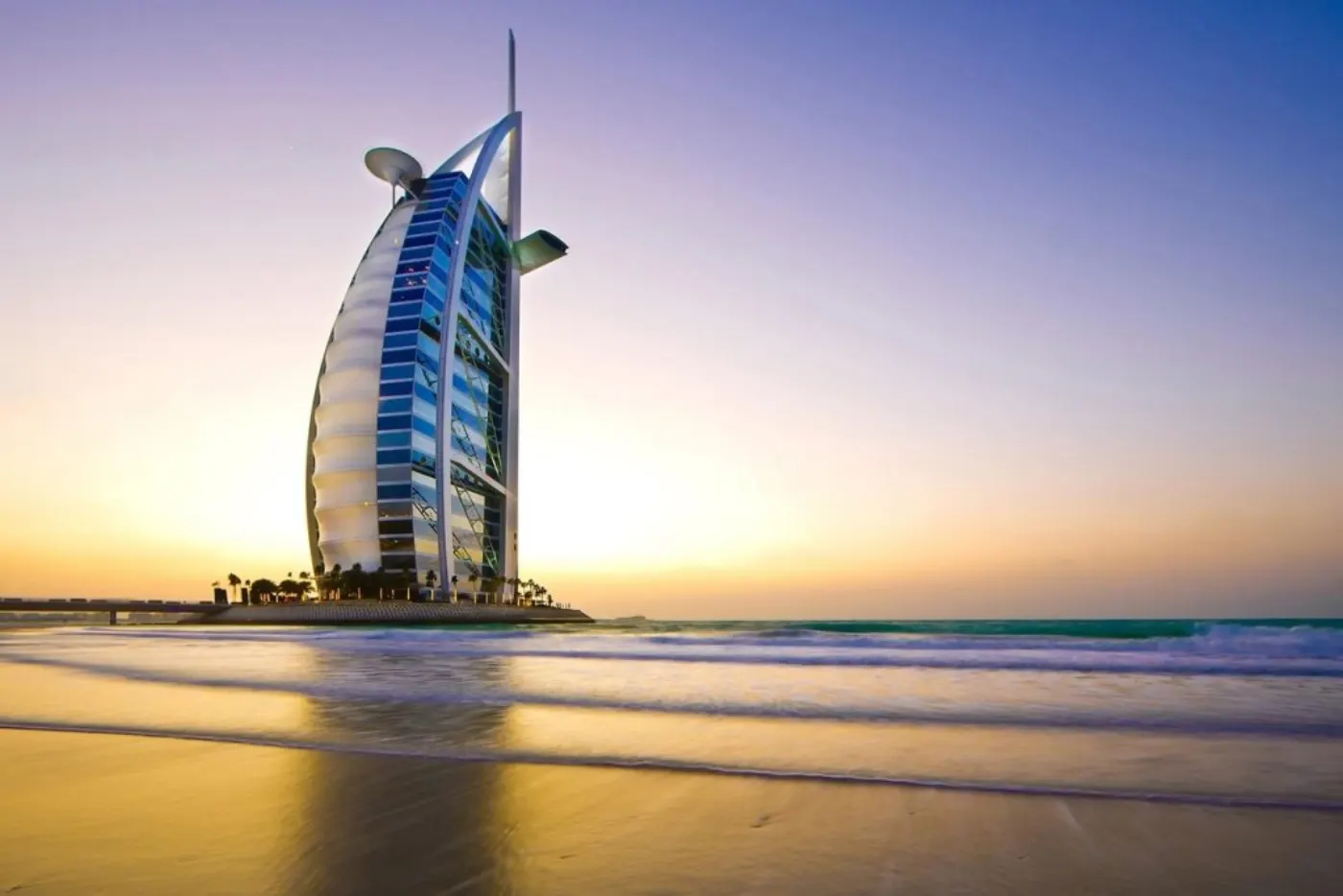
The walls of a hotel are an essential strategic element that impacts both the aesthetics and the profitability of the establishment. To enhance them effectively, it is crucial to adopt a coherent approach that links brand strategy, finances, and design.
1. Differentiation strategy: Walls can serve as vectors of the hotel's identity, telling a story through local artworks or materials reflecting the authenticity of the region. These choices create a unique immersive experience, resulting in differentiation in the market.
2. Long-term profitability: Investing in quality materials (wood, stone, noble textiles) and suitable lighting is not just a question of design, but also a financial lever. These choices enhance the real estate, increase the perception of luxury, and justify higher rates, directly impacting the average daily rate.
3. Return and maintenance: Enhancing walls with durable elements like resistant wallcoverings reduces long-term maintenance costs, optimizing the hotel's budget. An initial investment in high-end materials can significantly reduce maintenance costs over several years.
At DELPORTE HOSPITALITY, we support you in creating a coherent and profitable concept, taking into account financial issues while ensuring a quality customer experience that supports the long-term profitability of the hotel.
How to surprise in a hotel room?
Surprise in a hotel room can manifest in multiple ways, playing on the senses, emotions, or the visual aspect. Here are some ideas to surprise guests and offer a memorable experience:
1. Unexpected view: Offering a surprising view, for example by creating a strategic opening overlooking a secret garden or an iconic monument, can transform a simple stay into a unique experience.
2. Singular artwork or artisanal object: A carefully chosen local art piece or artisanal object can bring a touch of authenticity and character to the room, creating a link with the environment.
3. Personalized welcome ritual: Personalizing the welcome is a key element in luxury hospitality. Offering an evening herbal tea or a hand-written note can pleasantly surprise guests and give them the feeling of being expected and pampered. A personalized gift to guests...
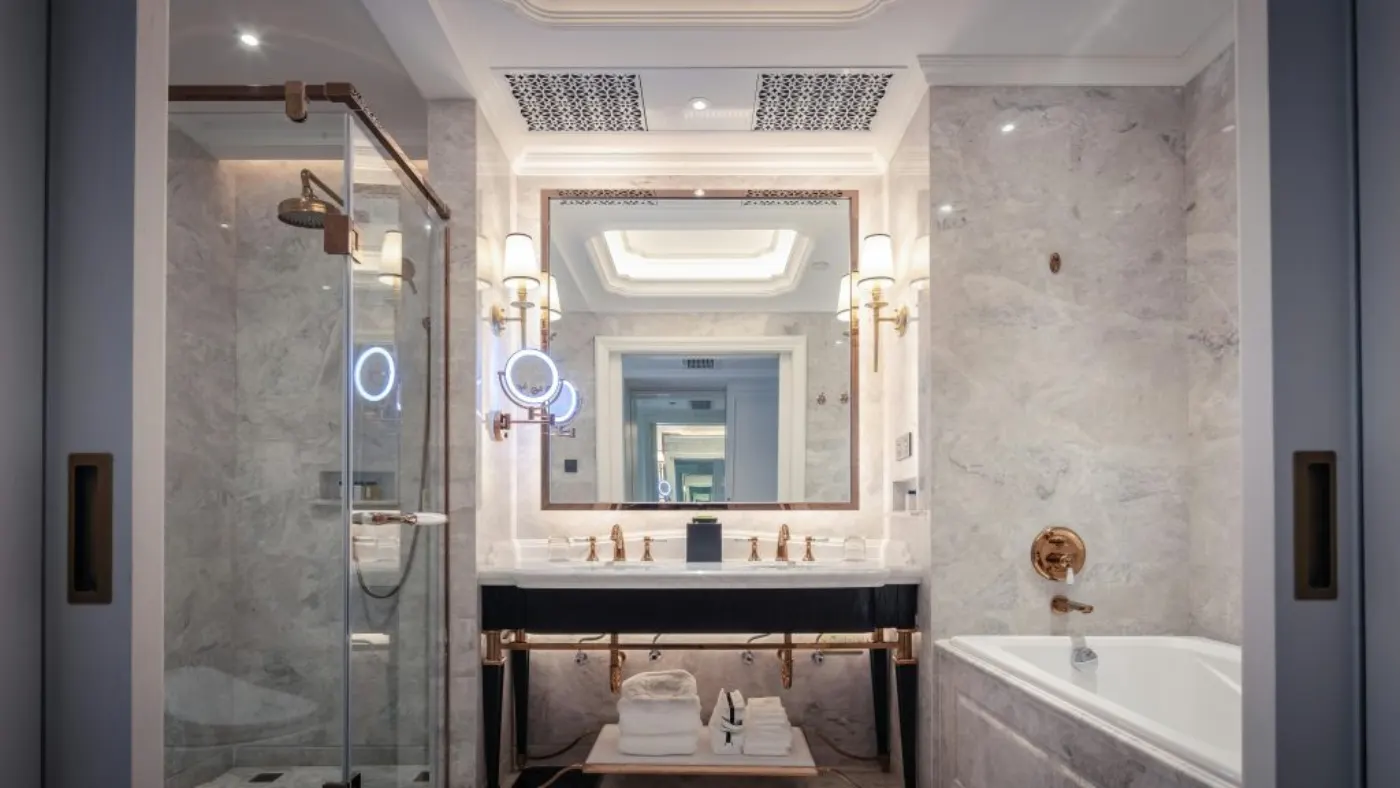
4. Multi-functional space: Modern rooms must adapt to the varied needs of guests. A space that allows for relaxation, work, and preparation, like a vanity that also serves as a desk, or an open bathroom that embodies luxury and comfort, can transform the experience significantly.
The financial and strategic challenges behind these surprises
The financial and strategic challenges behind these surprises are multiple. Attracting the guest's attention and creating positive memories are loyalty drivers. Furthermore, offering a sensory and emotional experience makes it possible to stand out from the competition and justify high rates. A room that surprises is not just a place of passage; it becomes an immersive experience that translates into additional revenue through an enhanced brand image.
It is essential not to sacrifice functionality for decoration. Surprises must meet the guest's needs while respecting comfort and ergonomic standards. Additionally, this approach contributes to a continuous improvement of the customer experience quality, creating a virtuous circle of positive reviews, referrals, and recommendations that strengthen the establishment's reputation and its overall return.
The stages of a hotel renovation project
1. Diagnosis (audit of the current experience, strengths and weaknesses)
2. Vision definition (positioning, budget, objectives)
3. Strategic brief drafting
4. Choice of partners (architect, consulting engineers, landscapers)
5. Preliminary design phase
6. Construction phase (coordination, respect for the project's spirit)
7. Staff training for the new experience
At DELPORTE HOSPITALITY, we go beyond mere supervision of the renovation project. As a hospitality expert, our role is to ensure that each step is thought out strategically and operationally, to prevent design errors that could lead to additional costs or rebuilding in the future. We work closely with architects and design teams from the outset, reviewing every plan, every detail of the brief, and ensuring that all elements are aligned with the customer experience we want to offer. This vigilance ensures that the hotel's architecture and layout are not only aesthetic but also practical and optimized for long-term operation. My job is also to anticipate the needs of the teams who will manage the hotel after its renovation, to minimize operating costs and ensure that every decision respects the spirit of the project while bringing genuine added value to the customer experience. A successful renovation project is one that does not require redesign in a few years, but integrates sustainably into the operational functioning and atmosphere of the hotel.
Also think about staff members
A hotel designed well for guests must also be designed well for the teams. It is essential to anticipate:
• Efficient circulations (between laundry, kitchens, storage...)
• Break rooms worthy of the name
• A fluid organization of housekeeping
• Clear signage and ergonomic furniture
• Doing everything to facilitate the work of the teams
Quality hospitality also requires internal hospitality.
Projecting 15 or 30 years ahead
A hotel project often takes 2 to 3 years from idea to completion. It is therefore crucial to design sustainable, adaptable, and timeless spaces. Trends pass, uses evolve. A hotel room must be able to be refreshed after a few years without destroying everything.
At DELPORTE HOSPITALITY, we help our clients build a long-term vision, aligned with their values, their clientele, and their territory. Because welcoming well also means anticipating tomorrow's needs.
Share this article with a colleague, a client or a partner.
That is often how an idea enters a house, and then its habits.
What you say about it matters more than what I say.
A keynote, a mission, an article in the magazine: if my work has been useful to you, a few lines on Google are worth more than any argument.
Leave a review on Google →