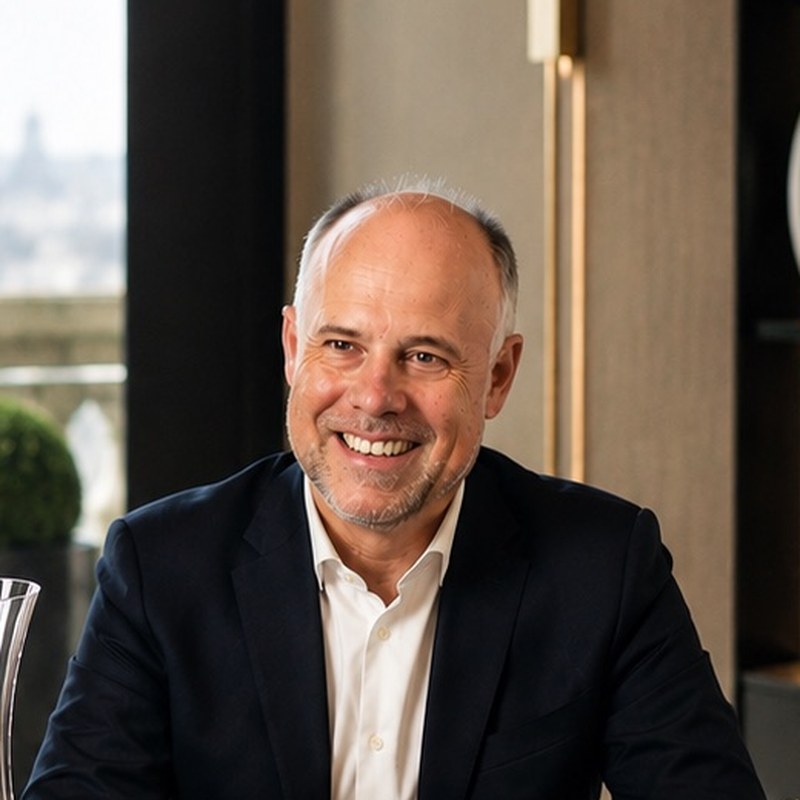
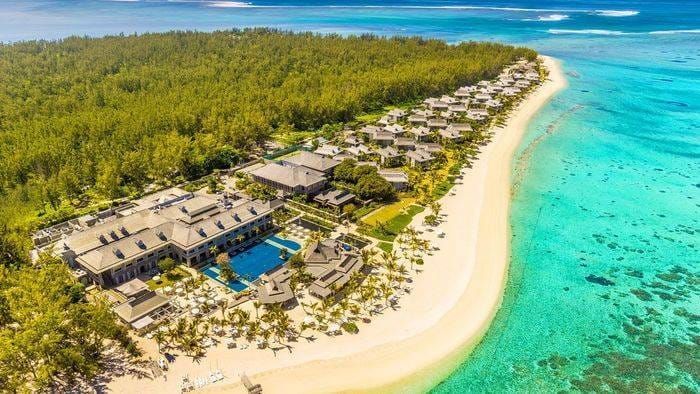
Rocco Bova is the General Manager of the St. Regis hotel in Mauritius, which belongs to the Starwood Group. This beautiful hotel had just opened its doors, and two years later, it was the perfect opportunity to talk with Rocco Bova about this key stage in the hotel's life, during my visit in 2016.
What makes this hotel unique?
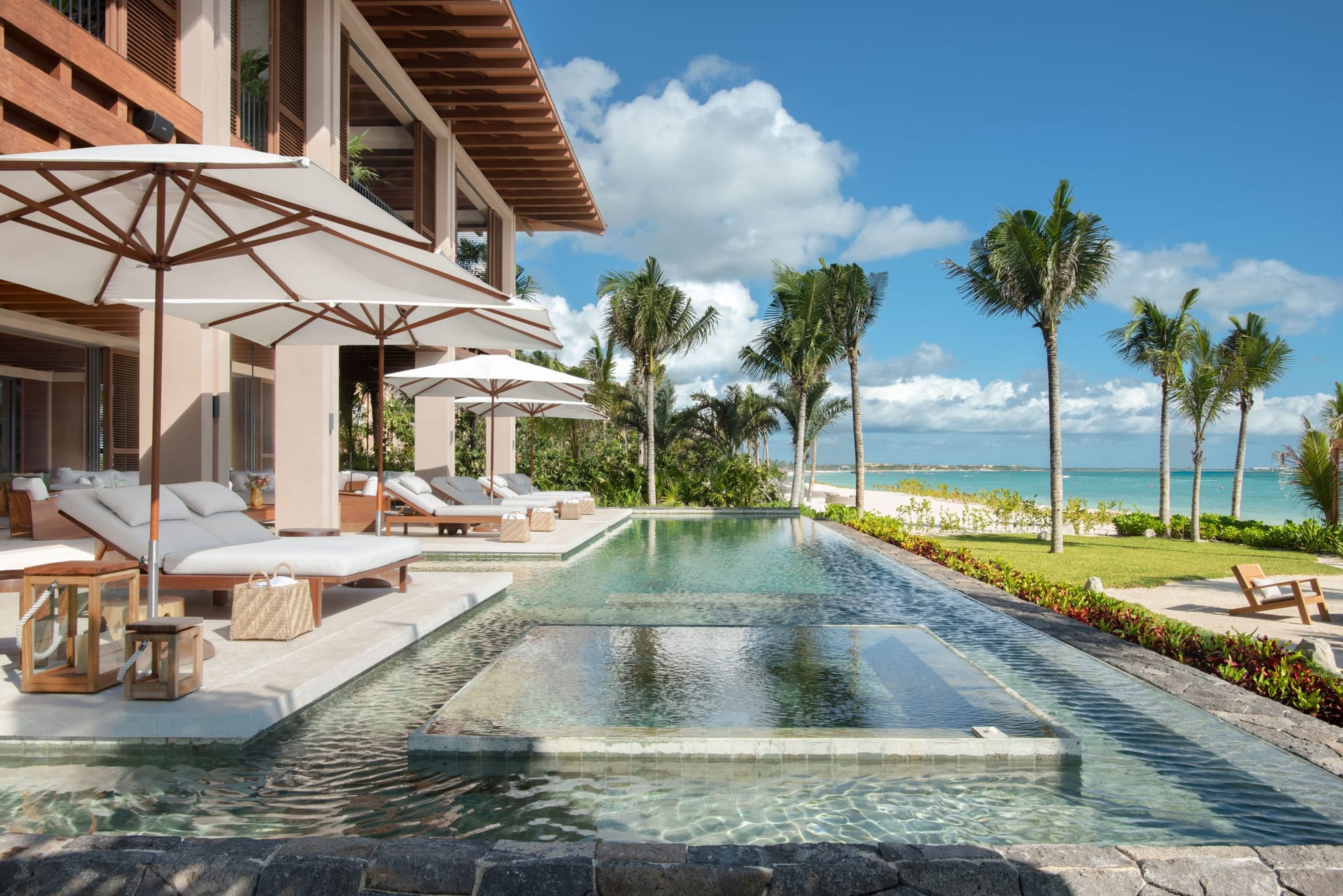
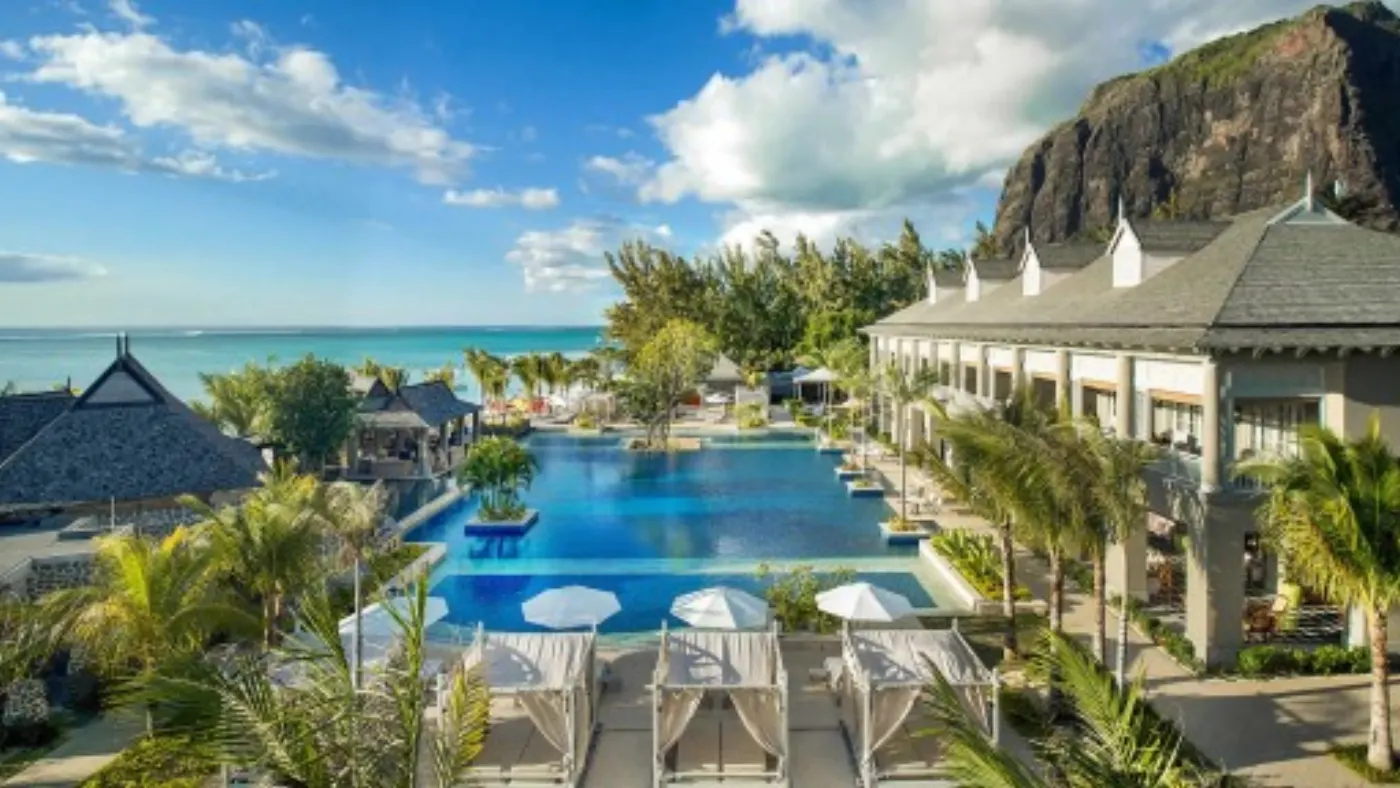
The location, first of all. Le Morne Brabant has a very particular beauty. This part of the island feels more genuine, sincere and welcoming. There is no other place like it in Mauritius. Here you have the beach, the lagoon, authenticity and the mountain, we have a truly unique opportunity.
There are very few hotel schools in Mauritius. How do you manage the young members of your teams? In terms of management, what difficulties do you face?
Generation Y is very different from mine, but when managers understand them, they can achieve very good results by working with them. In New Delhi, for example, I once employed young people with no experience, and eight years later, they still write to me, they have never forgotten what we were able to teach them, and they remain grateful. You have to understand them. Here, we train on site. Every year, there are 150 to 200 graduates on the island. That is roughly one person per hotel in Mauritius, which is not enough. There are difficulties, as everywhere, on the human resources side, but apart from that, running a hotel here is actually fairly easy. We hoteliers need to motivate young people to stay and work in Mauritius. It matters for developing the very notion of service on the island. But as I said, beyond that, there are no more challenges here than anywhere else.
What difficulties did you face when you took over this hotel a year after it opened?
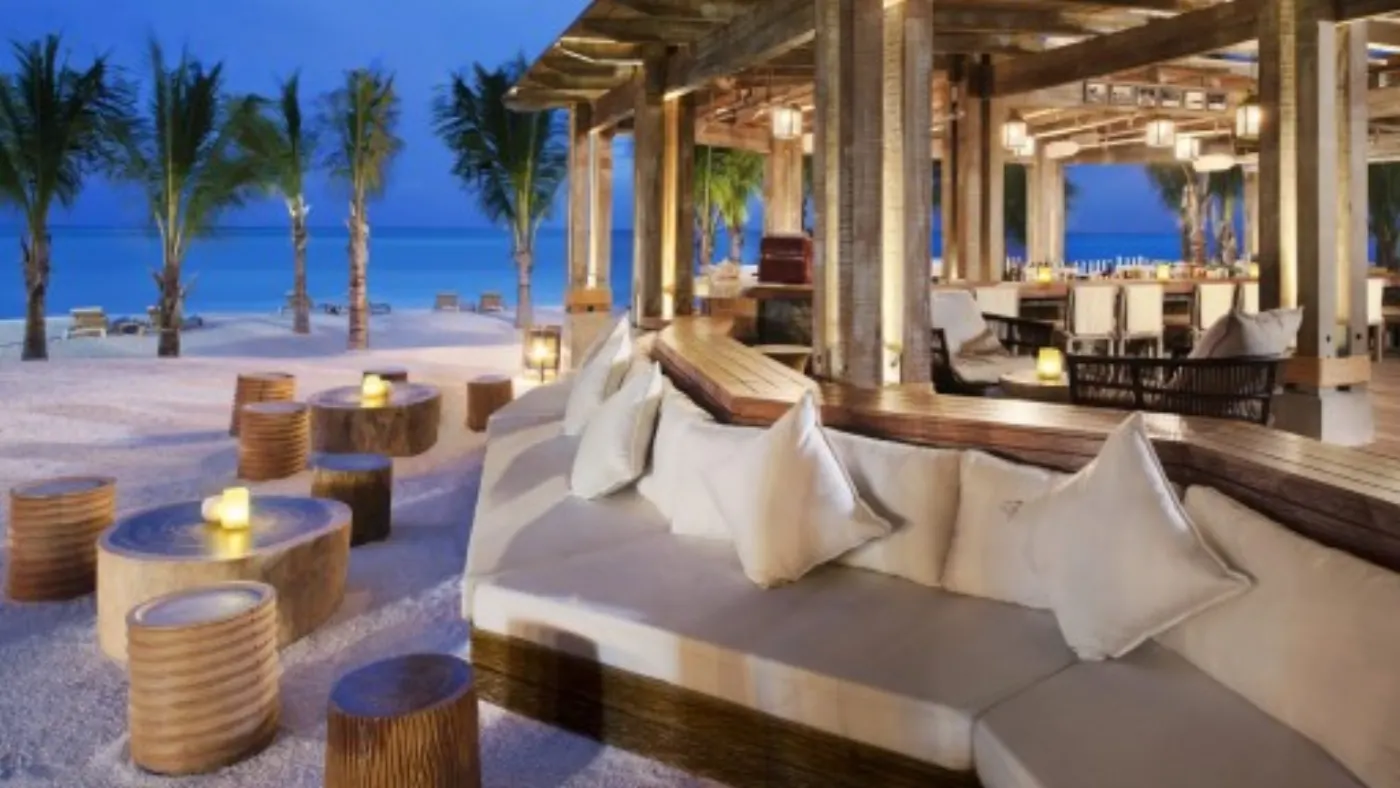
The difficulty lies in reconciling what had been designed on paper when the hotel was conceived and set up at opening, with the reality on the ground a year later. Perspectives at opening and a year on are no longer the same. A great many things happen, and evolve, in a single year. I believe a hotel needs to shift direction after it opens. The opening team often launches with ideas that, however good on paper, turn out to be unrealistic and utopian. I do the same thing myself whenever I am in charge of an opening. Here, I had to change the marketing strategy and the sales tactics: which product, for which market, at which price? Step by step, we adjust and improve how the hotel runs, for the wellbeing of our guests.
In terms of the product, what has changed?
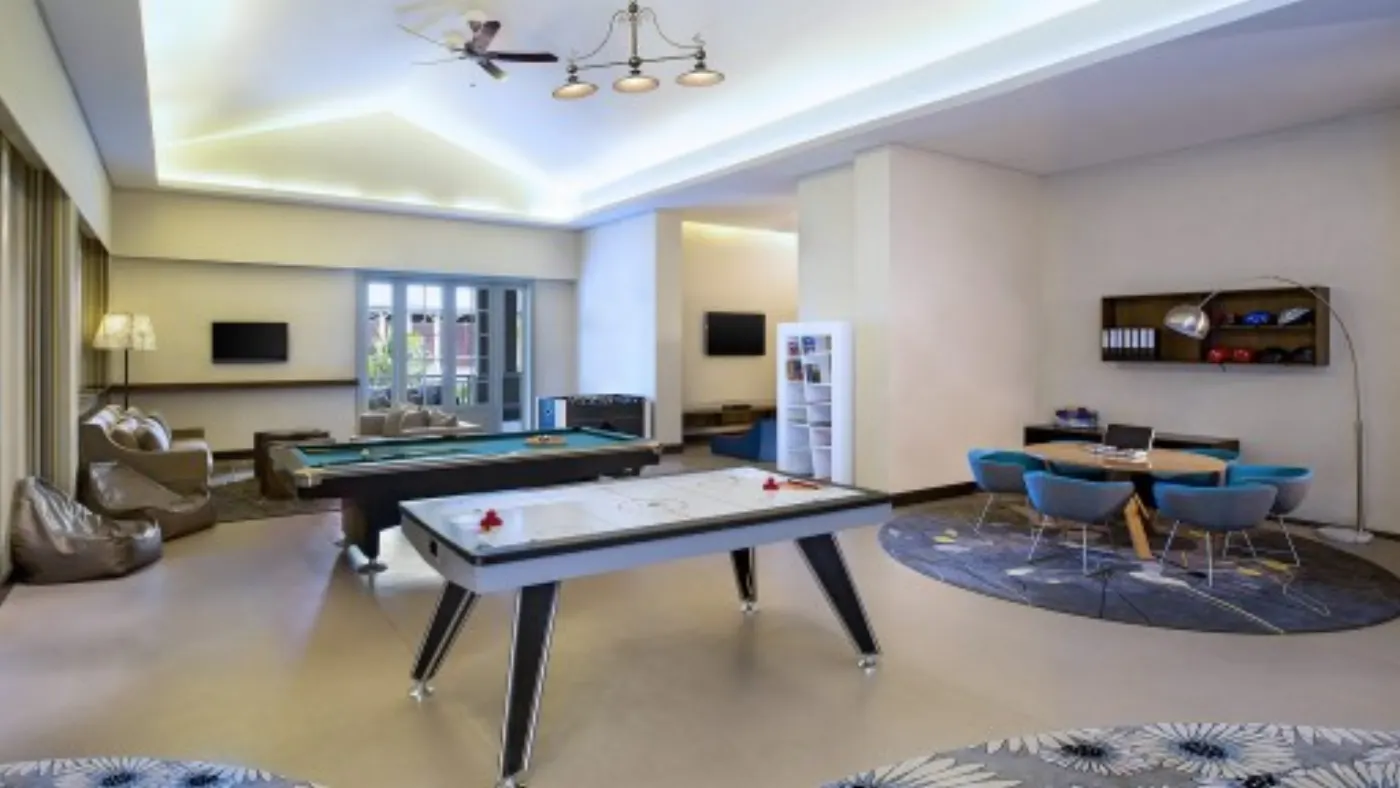
The way the restaurant runs, for instance, has changed. From a fixed, repetitive menu, we moved to a buffet. There was also an Indian restaurant under an outside management contract, which we eventually decided to take over ourselves. We are currently finalizing that restaurant's concept. For now, we still operate with four out of five restaurants, but that is enough to satisfy all our guests. They have a choice, and the hotel also has two other rooms where they can dine, including one where the executive chef cooks right in front of them. We try to offer different concepts, here guests can even step inside the kitchen. We want them to live a unique experience.
Is the history of Mauritius present in your hotel?
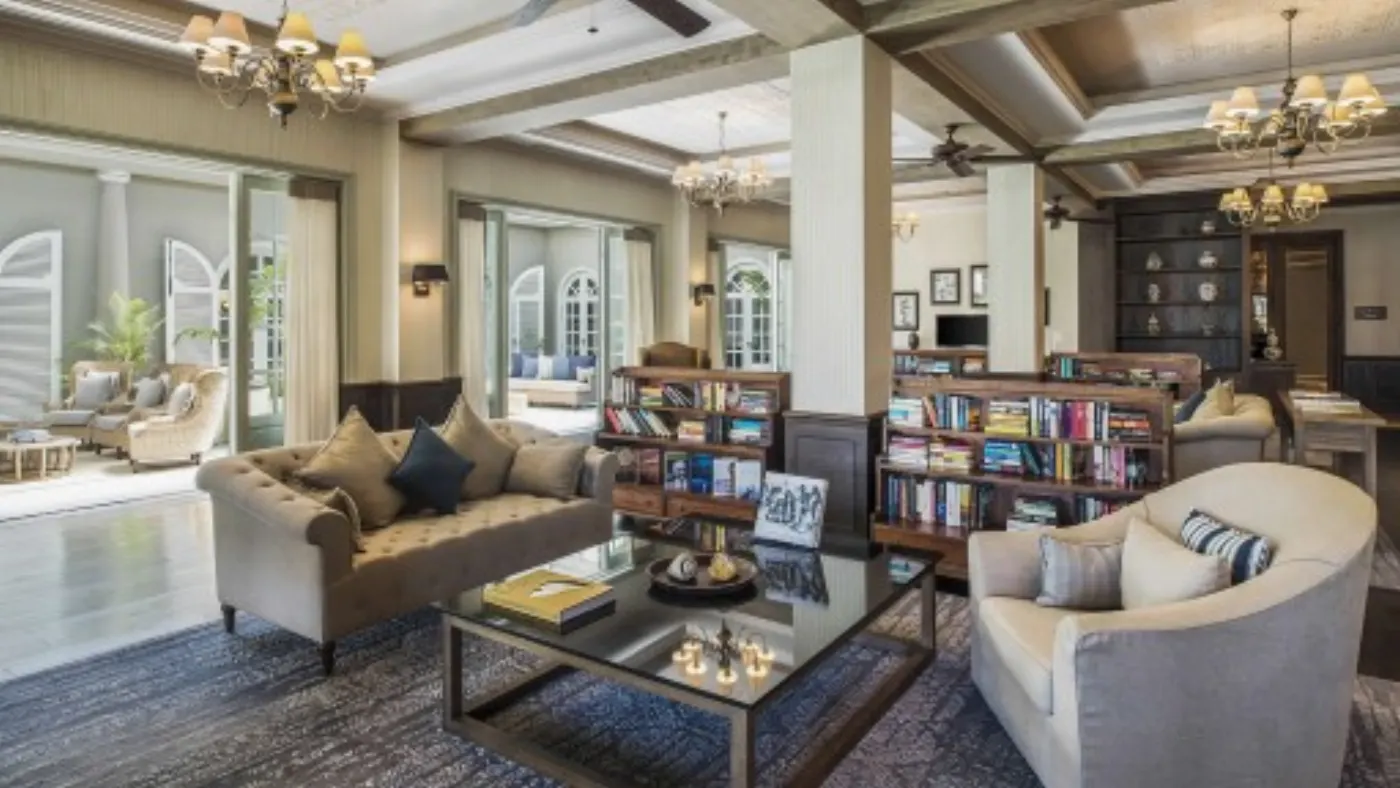
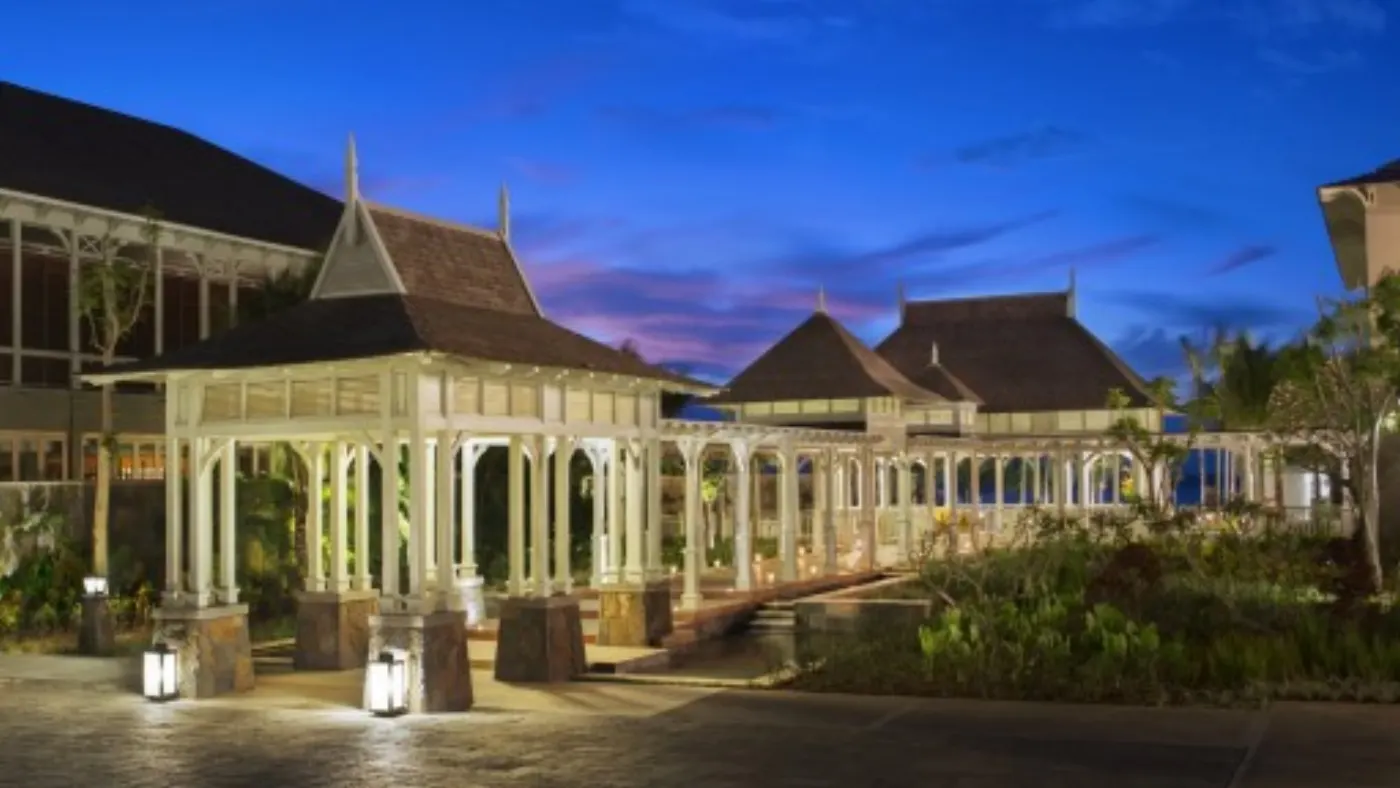
Of course, our architecture, to begin with, is colonial. From floor to ceiling, you get a glimpse of the history of Mauritius. The St. Regis brand is meant to settle into, to be invited into, the best destinations in the world. There are only a little over thirty hotels worldwide. Our location is always very carefully considered. In the rooms, there will be portraits reflecting the island's history. Mauritians come from diverse origins, and that is also why foreigners adapt so well to Mauritius. This diversity brings a great deal to our culture. We carry a considerable heritage when it comes to welcoming and hosting. Here, the cuisine is constantly being reinvented. When you eat Chinese food here, you eat Mauritian Chinese food!
Share this article with a colleague, a client or a partner.
That is often how an idea enters a house, and then its habits.
What you say about it matters more than what I say.
A keynote, a mission, an article in the magazine: if my work has been useful to you, a few lines on Google are worth more than any argument.
Leave a review on Google →