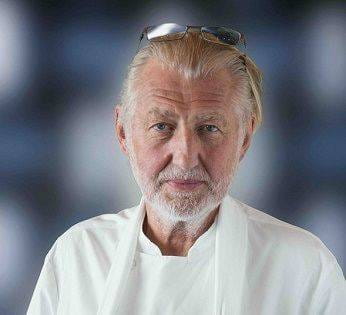
In a context where the guest experience tends to become standardized on an international scale, the question of French-style hospitality is coming back with force in luxury hotels and restaurants. Through a meeting with Pierre Gagnaire, an emblematic chef of the world gastronomic scene, one conviction stands out: sincerity in the relationship remains the foundation of a lasting, differentiating hospitality.
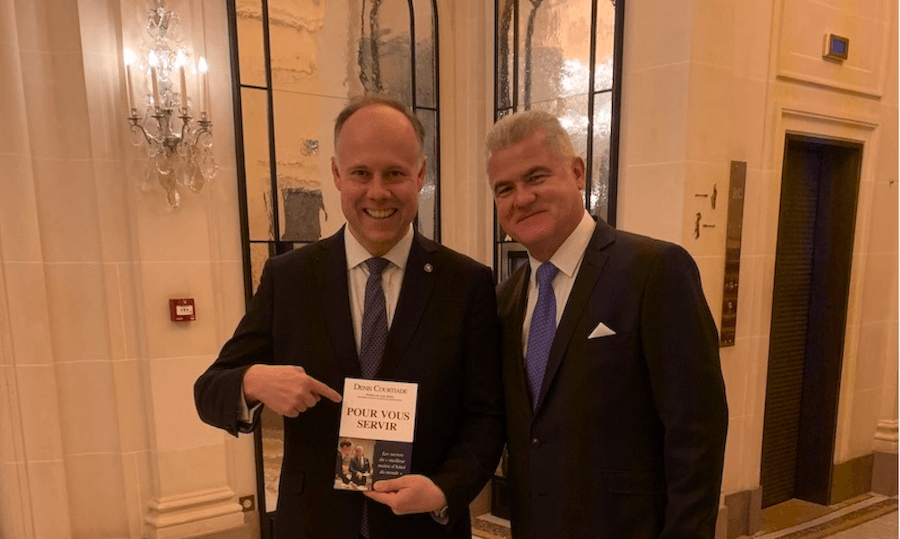
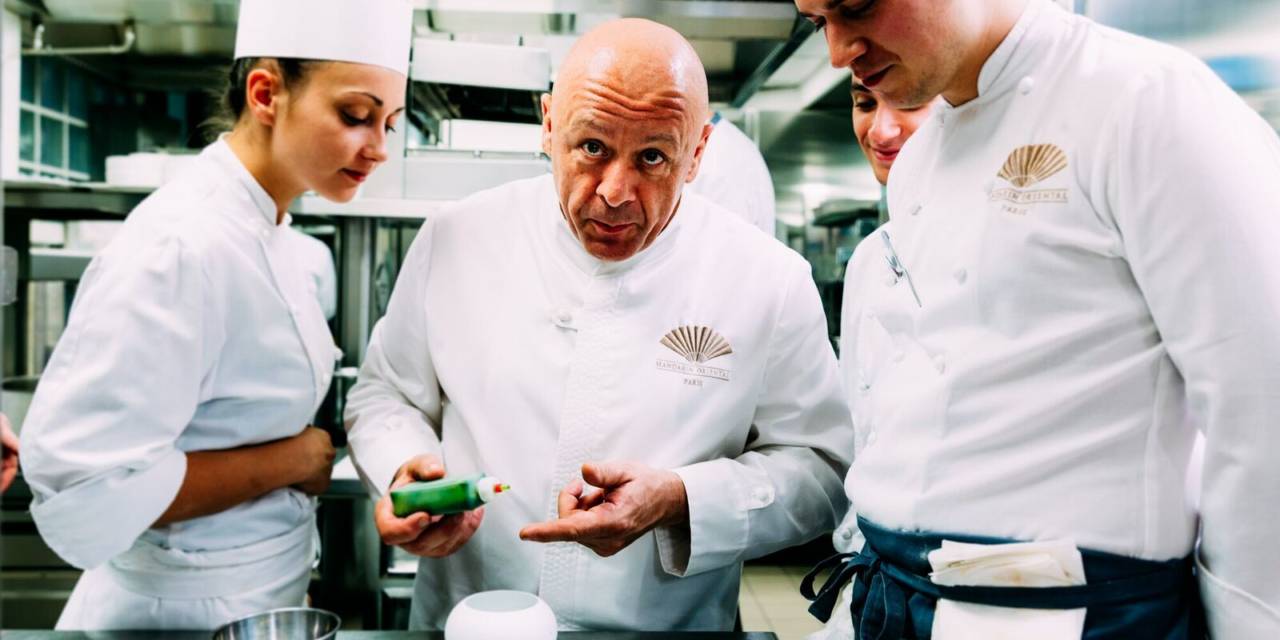
Pierre Gagnaire is one of the great French chefs. He now runs about ten restaurants around the world, including Restaurant Pierre Gagnaire, on rue Balzac in Paris. I had the opportunity to meet him at the announcement of his partnership with Groupe Barrière. He now signs the menu at the Fouquet's Cannes restaurant, a sign of his wish to pass on a certain French art of living.
Through this conversation, a strong idea emerges: in a world where service standards tend to become standardized, sincerity becomes a genuine lever of differentiation in the guest experience.
What does French hospitality mean to you?
It is sincerity, the sincerity of the relationship we have with our guests.
I travel enormously, and I still cannot get used to meeting someone I have never seen before who asks me, "How are you today?" I am sorry, but we do not know each other… In reality, it is a kind of formula endlessly repeated in Anglo-Saxon countries. French hospitality does not follow that mindset. We are not in that "familiar" relationship within two minutes with our guests. We need time to adapt.
In a restaurant, even when the relationship is brief, this profession should never be done mechanically. Today, we know we are living in a difficult period, where service professions are far less valued. That is why I make sure the people in direct contact with guests live up to my intentions.
I always tell my teams that, of course, we do not know the guest, but we are going to give them pleasure, because that guest will spend three hours with us. They chose to come to our establishment, so we owe them a great deal of pleasure. Here, we are at the bar of the Brasserie du Fouquet's in Paris. To me, a place like this one embodies France. We feel good here. We are not in a high-tech place, but rather somewhere with patina. Today, that is somewhat what I stand for, because patina is what gives things their excellence.
This notion of "patina" goes beyond aesthetics: it refers to a memory of the place, to an ability to create a lasting emotion, well beyond a standardized, contemporary design.
When you open a restaurant abroad, do you bring a French touch to the building? What codes do you carry over?
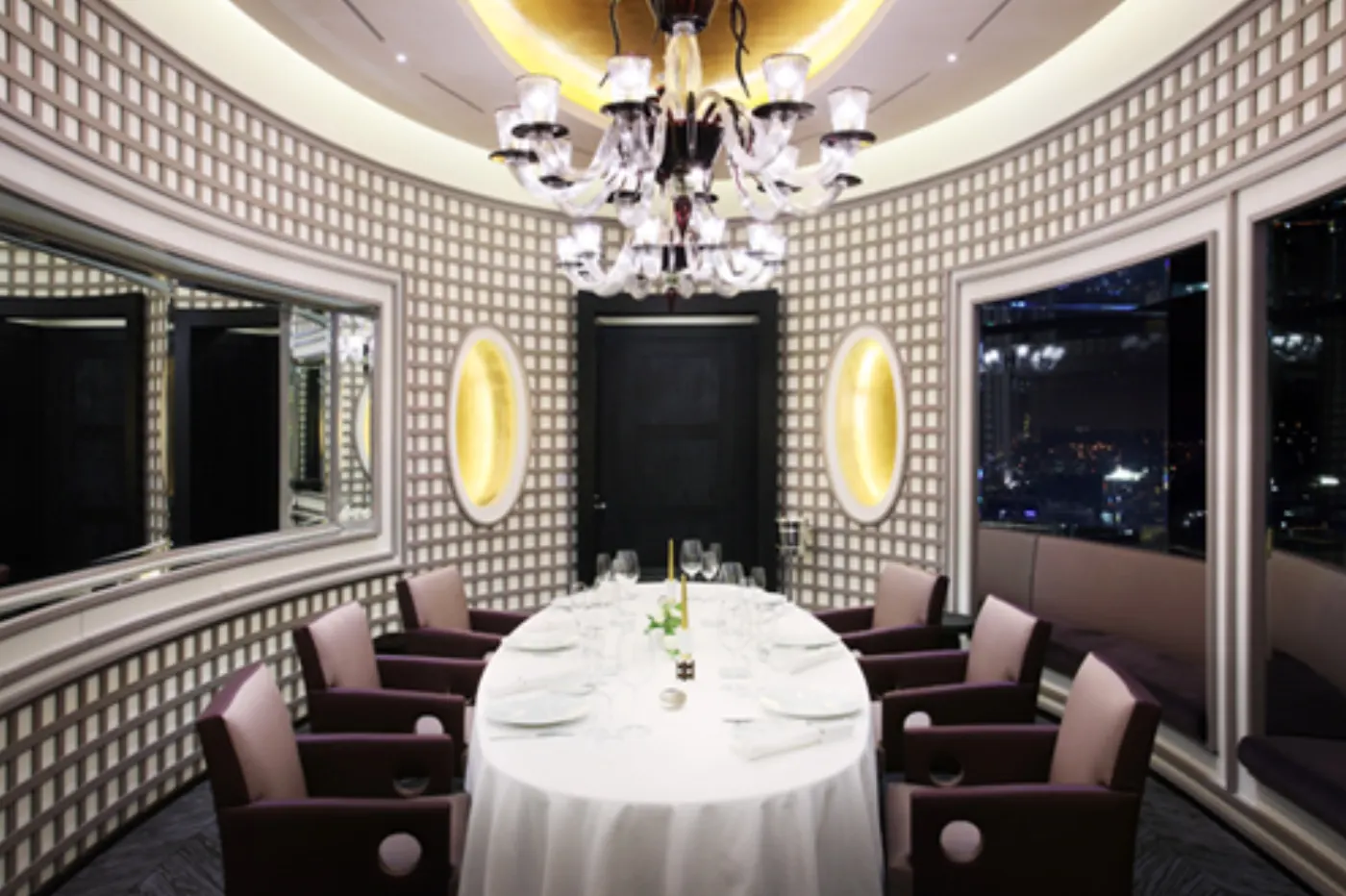
As much as possible, I try to give my point of view in designing my restaurants. In Seoul, for instance, we built a restaurant where I fully oversaw the project alongside Olivier Gagnaire, who designed the decor. And that place is truly a very, very French place, which still responds very well to Asian codes.
Olivier Gagnaire has genuine references in French culture, because he knows the history of the materials that give places their authenticity. We try to create spaces that are comfortable, elegant, with a bit of humour, a bit grumpy, with a touch of cheekiness, quite like the French really are.
What is your vision for the brasserie you are bringing to the Groupe Barrière restaurants?
A guest makes the effort to choose us, and they spend three hours with us. It is an important moment. A lot happens over lunch. A meal is a chance to spend a good time and to exchange with the people around the table. That is what we try to offer in our restaurants, with a cuisine built on the fundamentals of a brasserie: a veal blanquette, good hand-sliced smoked salmon, a beautiful cut of beef, sole meunière, street-corner style potatoes, for instance.
What to remember
Through Pierre Gagnaire's words, one conviction clearly emerges: French hospitality does not rest on fixed standards or automatic gestures, but on a demanding, relational sincerity.
In a context where the guest experience tends to become standardized, this approach is a genuine lever of differentiation for players in hospitality and dining.
It connects directly to the principles of generous hospitality: welcoming with precision, creating connection, and offering an experience that goes beyond mere service to become a lived moment.
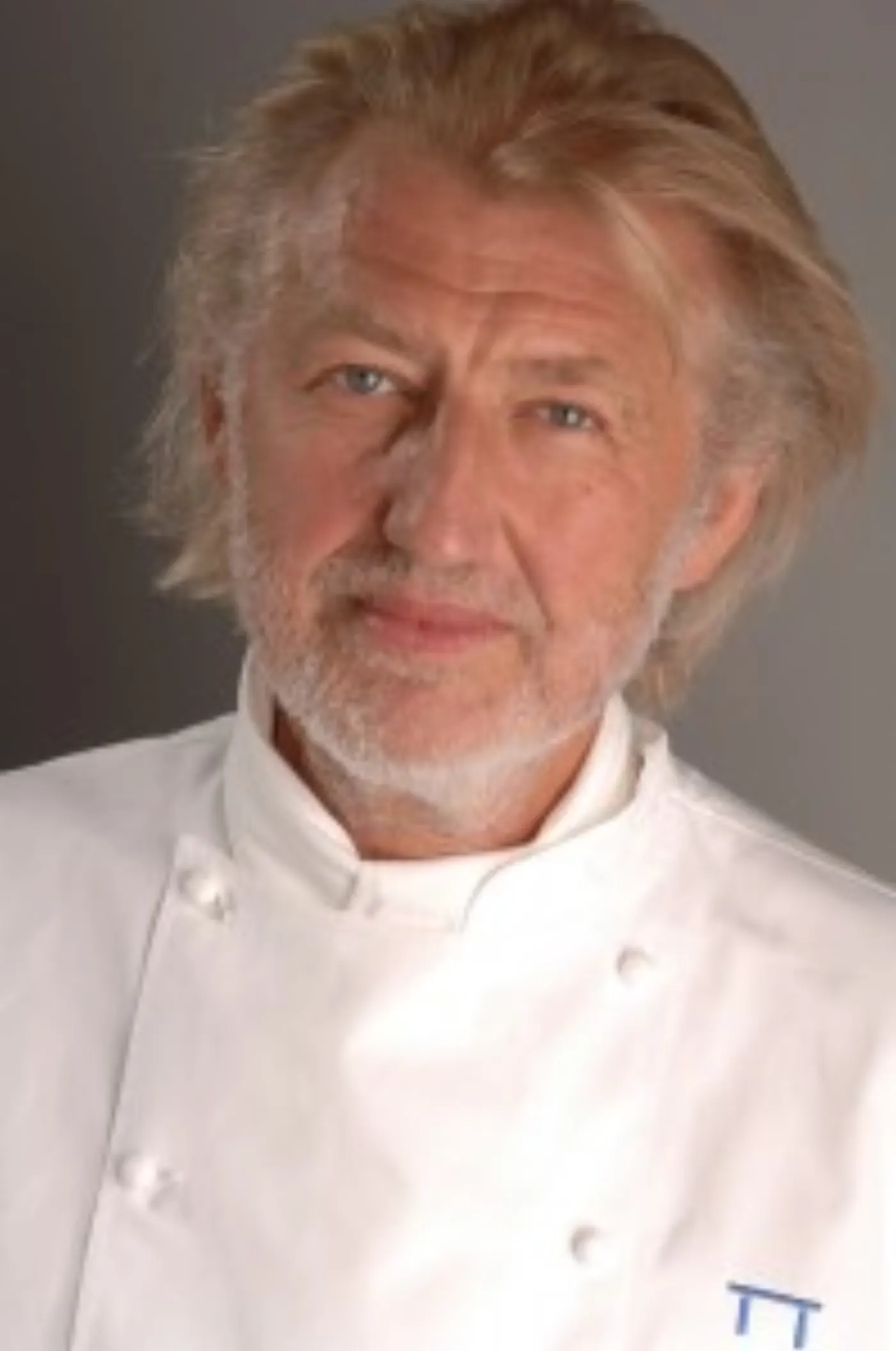
Pierre Gagnaire's biography
Pierre Gagnaire was born on April 9, 1950, in Apinac, in the Loire region of France. His father, chef and owner of the restaurant Le Clos Fleuri in Saint-Priest-en-Jarez, passed on his passion for the profession. After training as a pastry chef, Pierre Gagnaire worked in one of Paul Bocuse's restaurants and decided to become a chef. He would later take over his father's restaurant. After six years at Le Clos Fleuri, Pierre Gagnaire opened his first restaurant in Saint-Étienne at the age of 31. In an avant-garde setting, he offered the people of Saint-Étienne a cuisine that matched the place: creative, aesthetic, masterful. The Michelin Guide awarded him the three stars so coveted in the profession.
In 1995, following financial difficulties, Pierre Gagnaire left the Saint-Étienne region to open a restaurant in Paris, taking over the table at the Hôtel Balzac. He very quickly won back his three stars.
During the 2000s, many restaurants bearing his name opened around the world: in Tokyo, Dubai, Seoul, Las Vegas, Moscow, Berlin and London.
Share this article with a colleague, a client or a partner.
That is often how an idea enters a house, and then its habits.
What you say about it matters more than what I say.
A keynote, a mission, an article in the magazine: if my work has been useful to you, a few lines on Google are worth more than any argument.
Leave a review on Google →