In the world of luxury, craftsmanship is a precious wealth, often silent, yet essential. It reveals itself both tangibly, in the hand that shapes, the precision of a gesture, the attention to detail, and intangibly, in the mind that observes, feels and passes on. This expertise goes far beyond technical skill. It embodies a memory, a culture, a standard of excellence, and it is often the result of several generations of practices passed down with care, sometimes even with love.
A living heritage to keep alive
Within houses labelled EPV (Entreprise du Patrimoine Vivant, France's Living Heritage Company label), transmission is woven into daily life while also standing as a contemporary challenge. These companies, often centuries old, hold an exceptional heritage. They embody French excellence in fine craftsmanship, whether artisanal, industrial or artistic. Yet this transmission is never a given: it needs to be thought through, structured and formalized so it does not dilute over time. A perfect gesture only endures through the caring eye of the one who learned it, and the sincere commitment of the one who receives it.
Take the example of an exceptional tailor, a glassblower or a gilder: every stage of their craft holds subtleties that only experience can grasp. It takes years to understand the tension of a fabric, the melting point of a material, or the intuition behind an aesthetic balance. Passing on this finesse without diluting it demands far more than simple instructions.
Luxury hospitality: Le Meurice, a theatre of time
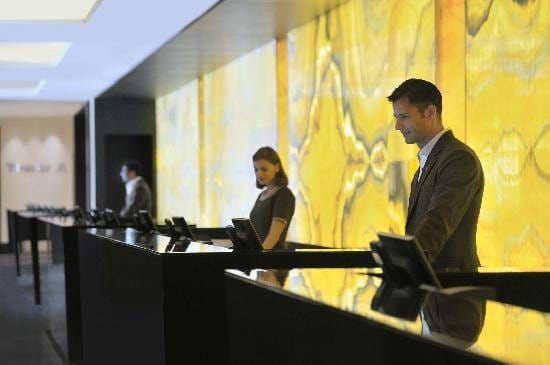
In the world of luxury hospitality, passing on know-how carries the same importance, in different forms. The Meurice hotel, founded in 1835, is a perfect example. Its walls have seen the eras go by, from guests arriving by horse-drawn carriage to those stepping out of electric cars today. But beyond the technical changes, it is the staff, women and men alike, who embody the continuity of service, welcome and the delicacy of the gesture.
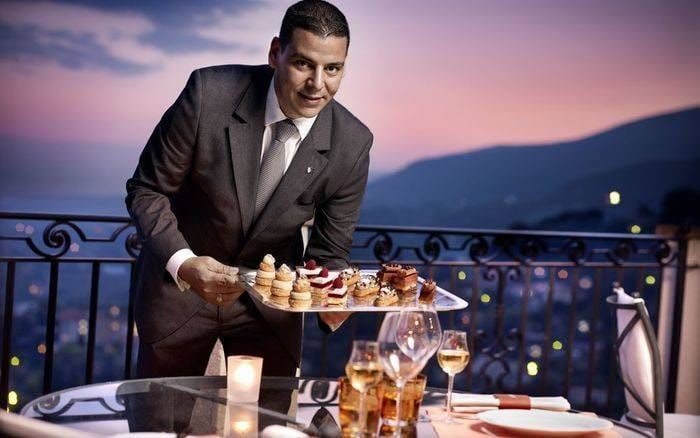
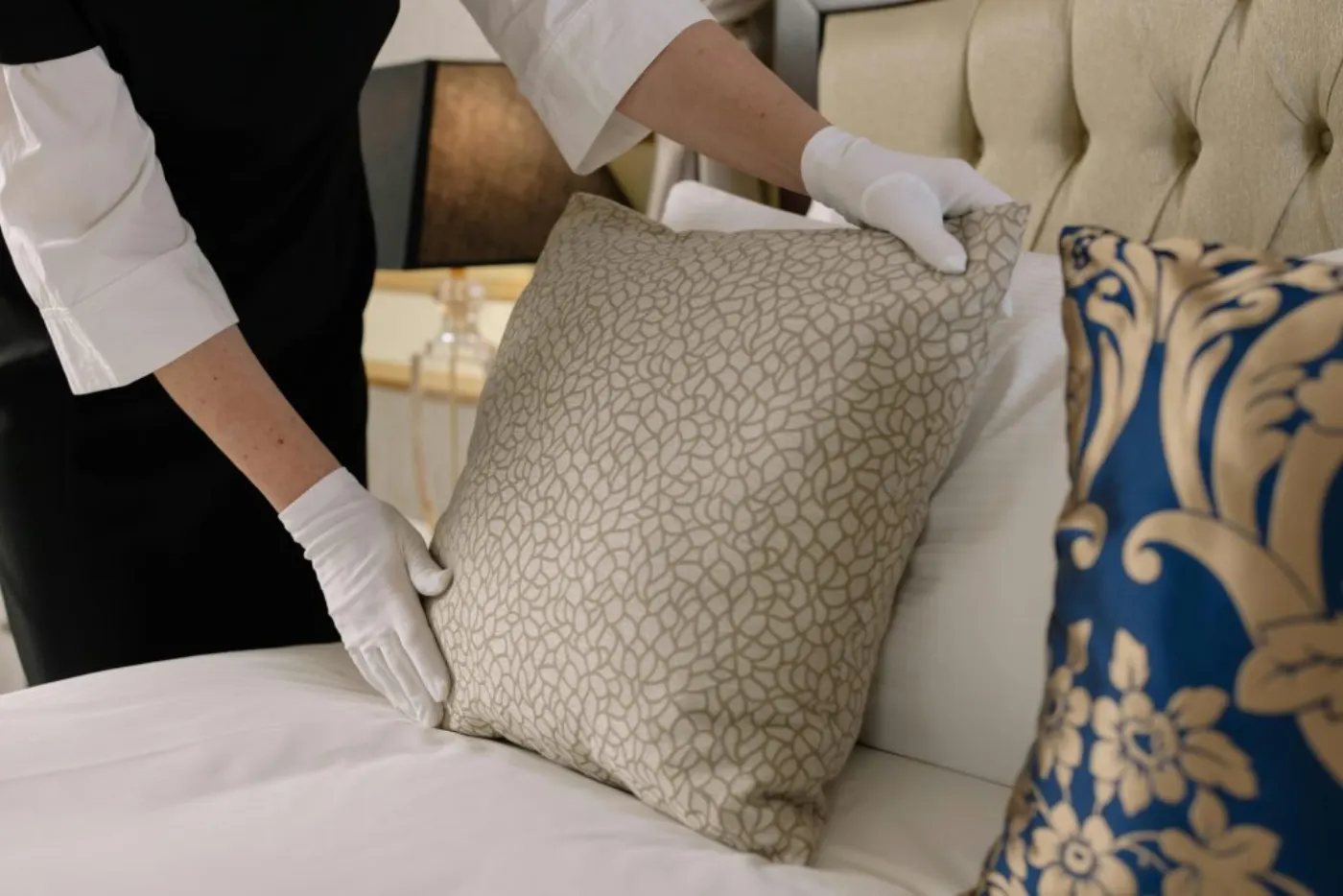
In these exceptional places, a culture of detail cannot be improvised. It is passed on. The fold of a sheet, the discreet silence of tableside service, the attentive yet unobtrusive gaze of the concierge: every interaction reflects a precise body of knowledge. As in artisan workshops, this intangible knowledge remains fragile. It rests on spoken word, example and practice. The role of the more experienced staff is essential: as custodians of a tradition, they are also its first messengers and its first adapters.
Adapting without betraying the essence
Luxury is not about standing still, it is about excellence. And excellence evolves. Passing something on does not mean freezing it, it means knowing how to let it evolve without betraying it. Certain EPV labelled houses, and companies such as Saint-Gobain, born in the 17th century as the Manufacture royale des glaces (the Royal Mirror Glass Manufactory), illustrate this brilliantly. Their longevity rests on a collective intelligence: preserving the soul of the gesture while welcoming innovation.
Saint-Gobain moved from supplying mirrors to royal palaces to becoming a world leader in construction materials, integrating digital tools and advanced technology while maintaining a culture of rigor inherited from its origins. The Manufacture de Sèvres, founded in 1740, still trains exceptional artisans while collaborating with contemporary artists and designers. This ability to pass on knowledge while remaining open to the world is a genuinely inspiring model.
Formalizing: a vital challenge for tomorrow
Many houses of excellence, artisanal, hospitality driven or industrial, are asking themselves the same question today: how do we pass on know-how effectively? And above all, how do we formalize that transmission?
Too often, know-how rests on oral tradition, intuition and observation. Written materials, videos, diagrams or procedure sheets can support this transfer, but they remain insufficient on their own. It becomes essential to design formats suited to the nature of the gesture and to the human relationship behind it. Intergenerational pairings, transmission workshops, hands-on training, immersion days or illustrated notebooks of know-how can all help structure a living, shared memory.
Some companies also choose to bring in historians, anthropologists or specialized coaches to map their know-how, understand the interactions essential to its transmission, and design tailor-made training programmes. This strategic approach aims as much to preserve this exceptional heritage as to help it grow.
An invisible yet essential wealth
At a time fascinated by technological innovation and immediate profitability, the intangible wealth that know-how represents is often pushed into the background. Yet it is precisely what secures differentiation, loyalty and reputation. It is not only the finished product that sets a luxury house apart, but the way it was designed, thought through and shaped. And clients can feel it.
It therefore becomes crucial to give value to this invisible wealth, not only by formalizing it, but also by making it legible: for younger generations in search of meaning, for clients seeking authenticity, and for employees who want to root themselves in a strong culture of values.
Conclusion: keeping an active memory alive
Passing on know-how in the world of luxury is not simply about reproducing a gesture. It means passing on a way of being, of doing and of thinking. It means inscribing a gesture within a history, a culture, a vision of the world.
Today's challenge is no longer only to preserve this heritage, but to enrich it and adapt it to contemporary issues without losing its soul. It is a shared responsibility. And a promise: to keep doing things well, doing them better, doing them true, while drawing on everything our era has to offer.
Does this message speak to you? Do not hesitate to share it with your colleagues, your clients, young people in search of a calling, or anyone who might be inspired by these questions of transmission and excellence. Together, we can spread these ideas, give new meaning to manual and hospitality trades, and help genuine vocations take shape.
If you have ideas, needs, or simply wish to explore this further, I am glad to listen. I offer hospitality audits, hospitality strategy, inspiring keynotes, tailor made training, and coaching for leaders and teams in the hospitality, luxury and exceptional venues sectors.
To stay informed, you can subscribe to my newsletter and receive, every month, reflections, resources and concrete initiatives around generous hospitality and French craftsmanship.
Introducing the Réseau Excellence Contract
It is a collaborative circle of excellence bringing together companies holding the Entreprise du Patrimoine Vivant (EPV) label, focused specifically on the contract, hospitality and luxury sectors. This network aims to promote French standards of excellence by offering structured support so its members can not only strengthen their position but also thrive in a globalized market. Its purpose is to showcase and pass on the exceptional know-how that defines its members, while fostering a collaborative and innovative approach. The network is committed to keeping excellence, authenticity and passion as the pillars of everything it does, built around three priorities: bringing members together, supporting them, and shining a light on their work.
Share this article with a colleague, a client or a partner.
That is often how an idea enters a house, and then its habits.
What you say about it matters more than what I say.
A keynote, a mission, an article in the magazine: if my work has been useful to you, a few lines on Google are worth more than any argument.
Leave a review on Google →