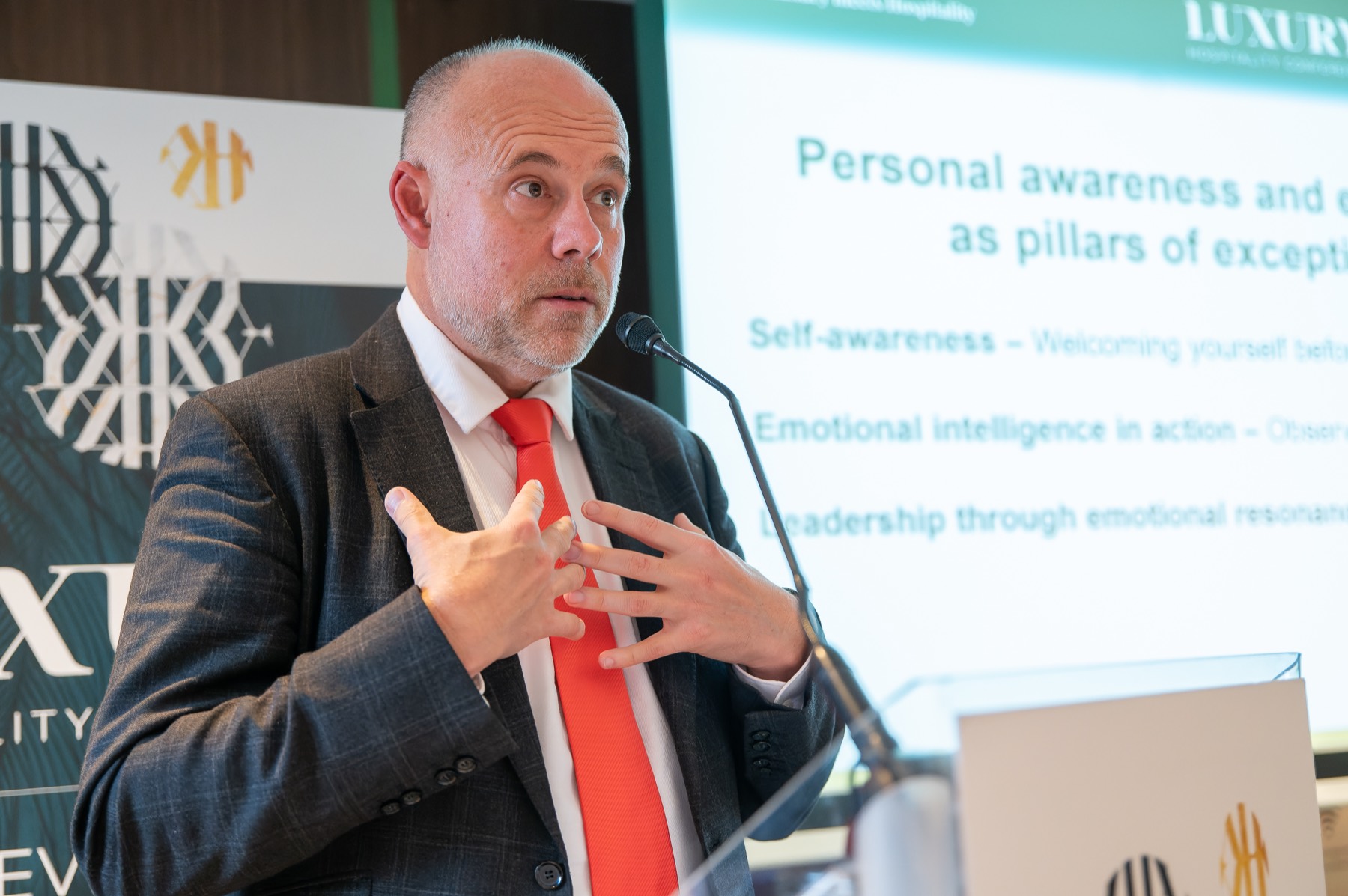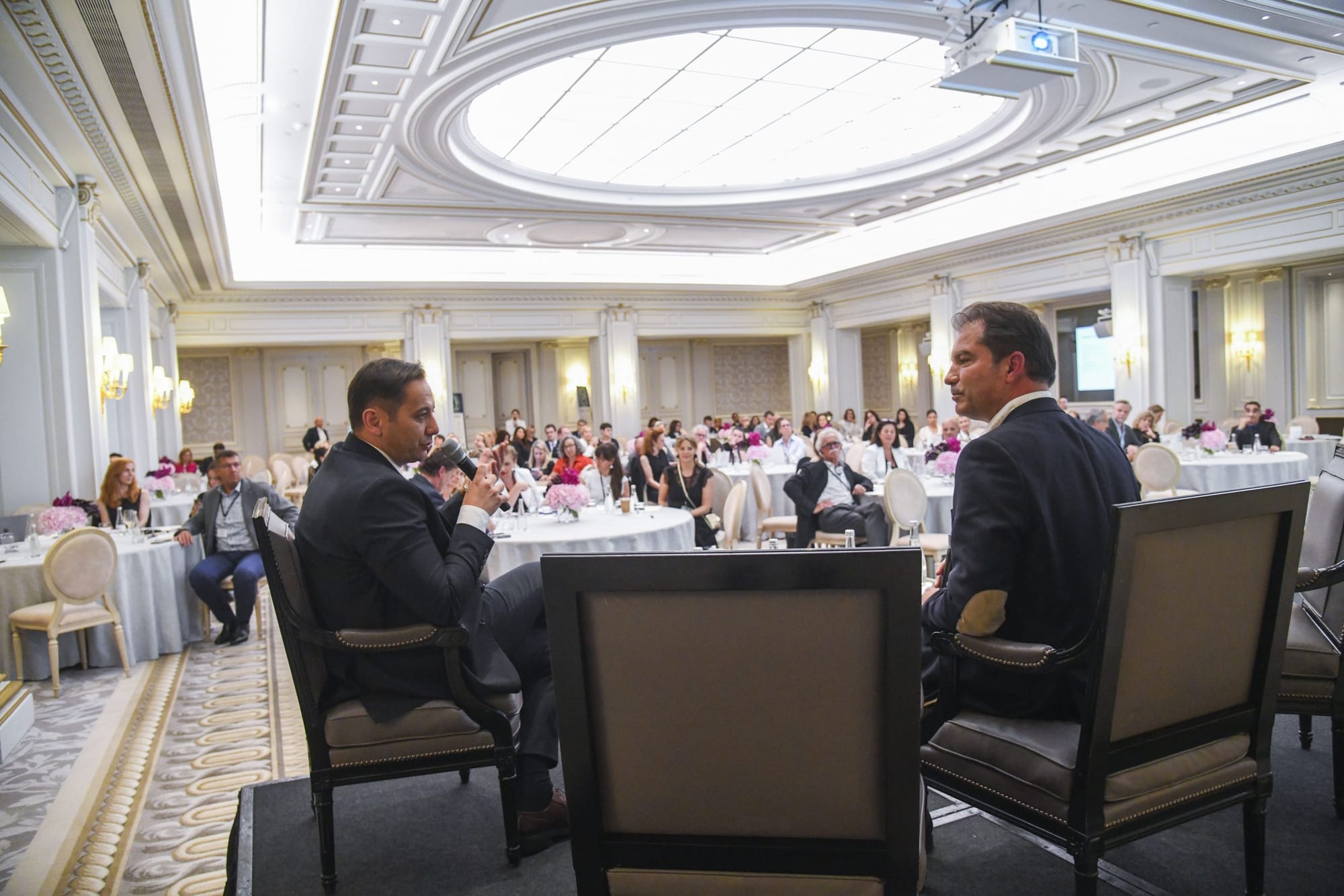
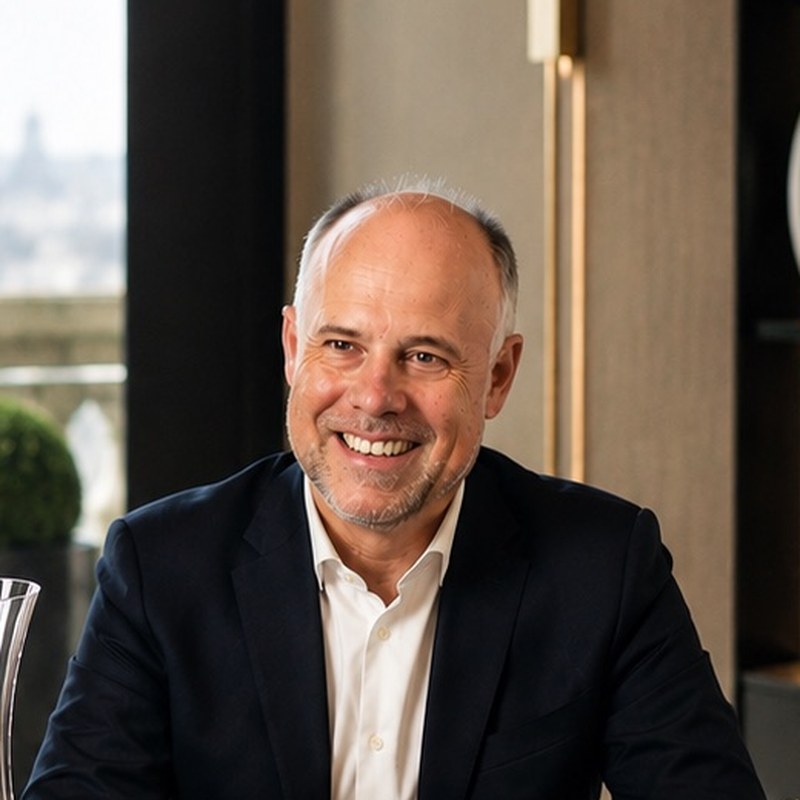
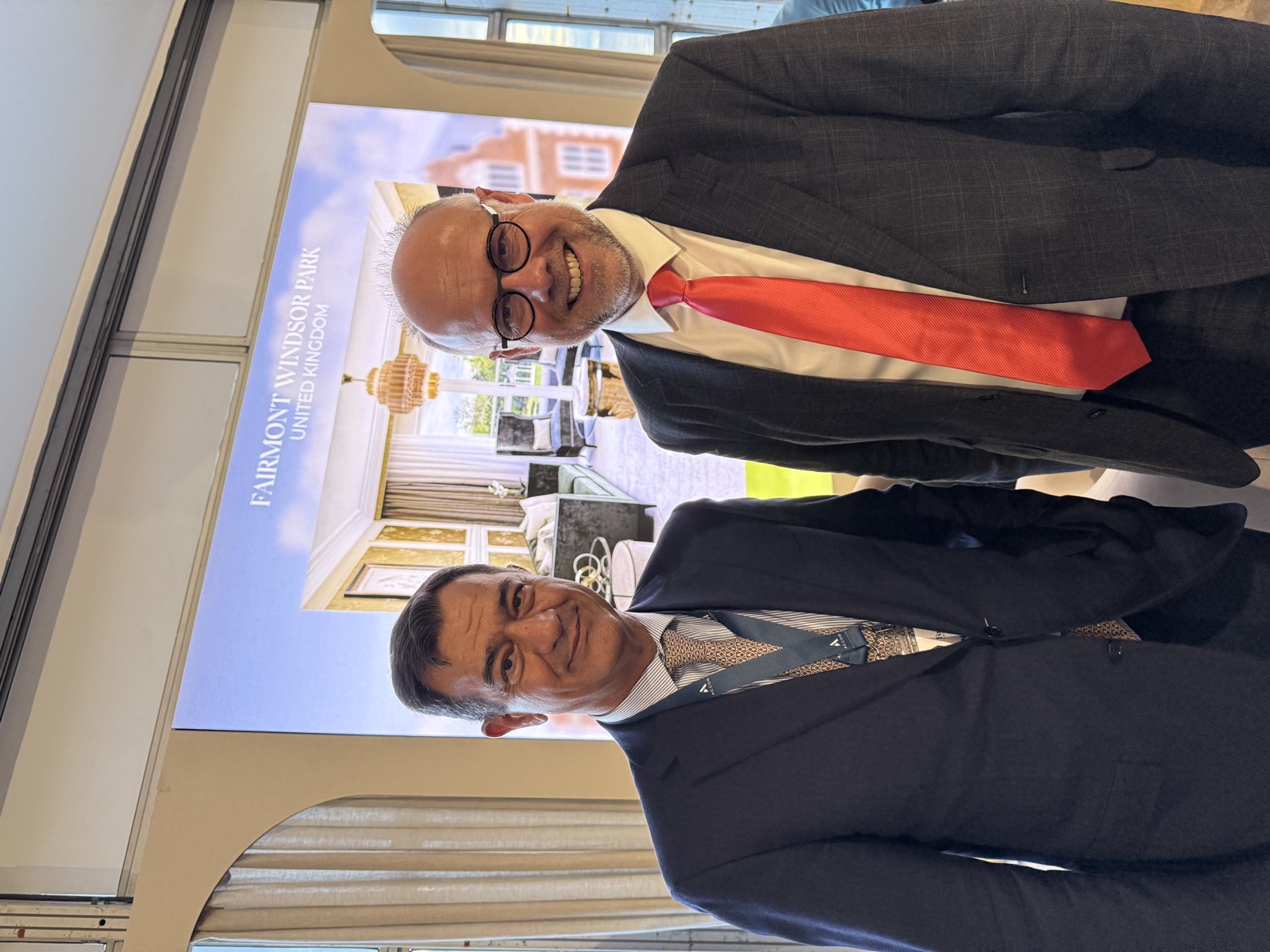
I had the pleasure of sharing this interview with Sami Nasser, someone I first knew while working at the Accor Group for the SOFITEL brand, and whom I met again at the International Luxury Travel Market in Cannes, an event where luxury hospitality brands present their vision and meet their clients.
I thank Sami Nasser for agreeing to answer a few questions about the challenges facing the Fairmont brand. Leading development and operations for Fairmont across several key regions, he is guiding the expansion of a brand historically rooted in North America toward a genuinely global presence. This transformation is not only about opening new properties: it questions the ability of a heritage brand to stay true to its identity while adapting to new habits, new markets and new expectations.
Behind questions of development, positioning or transformation, a more fundamental one gradually takes over: what hospitality itself actually means today.
At Fairmont Hotels & Resorts, founded in 1907 with the opening of The Fairmont San Francisco and now present in more than 80 properties worldwide, that question takes on particular weight. The brand, historically associated with landmark addresses such as Fairmont Le Château Frontenac or the Savoy in London, is evolving in a context where heritage alone no longer defines an experience.
Today, Fairmont Hotels & Resorts counts more than 97 hotels worldwide, spread across North America, Europe, the Middle East and Asia, with a clear ambition for international growth while keeping its identity intact.
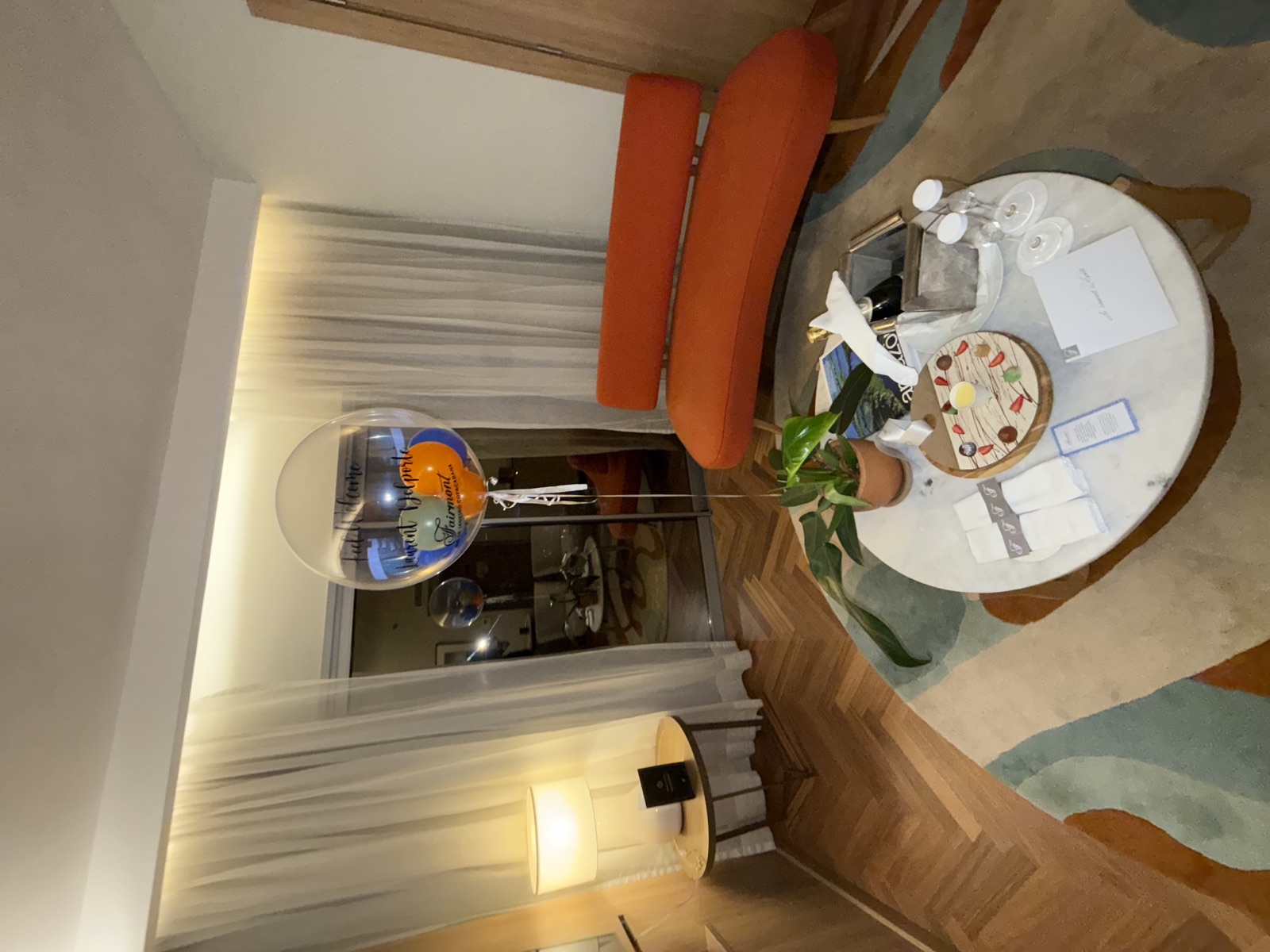
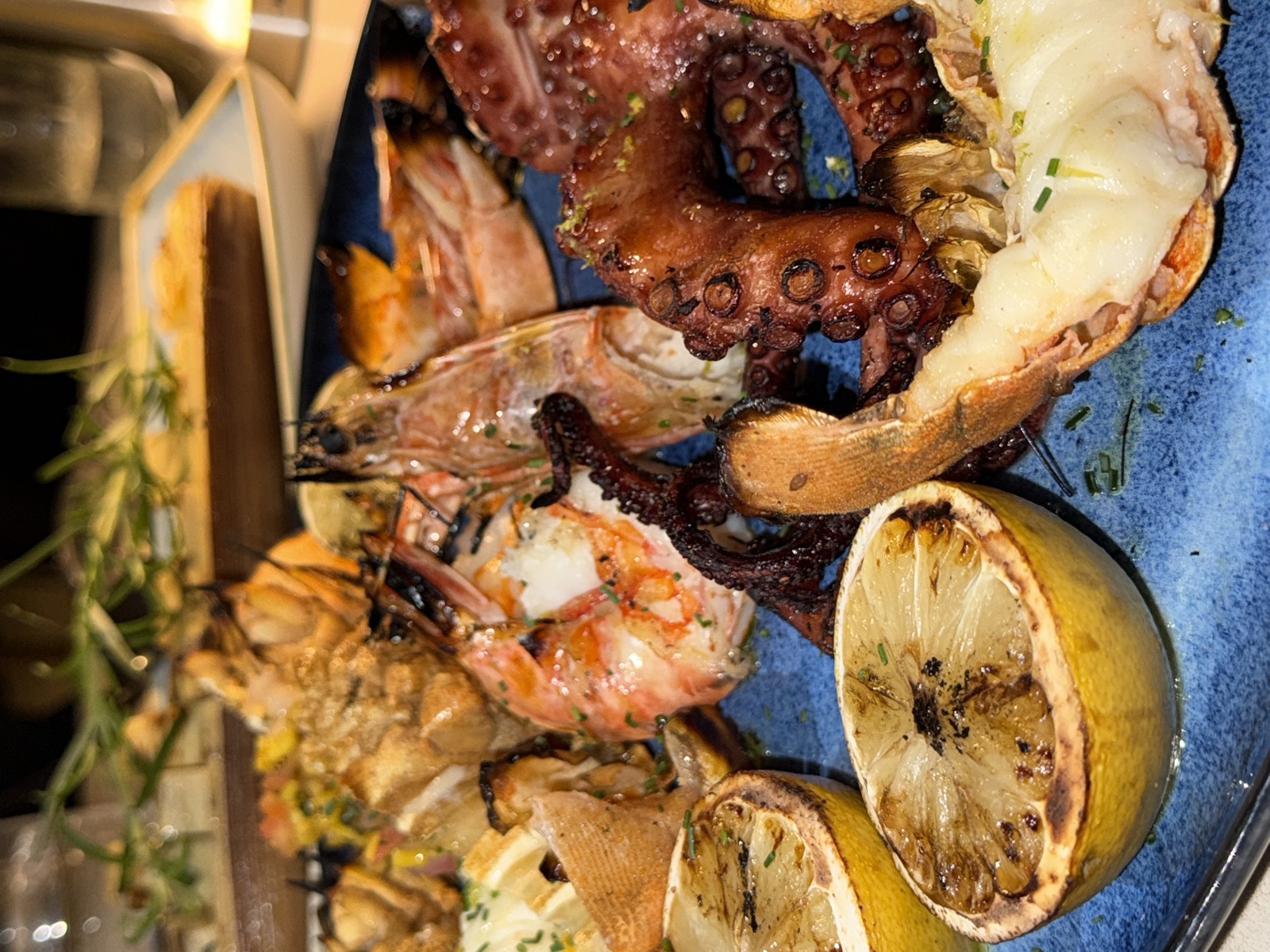
A few images from the Fairmont Rio de Janeiro Copacabana, where a personalised welcome was waiting from the moment I arrived.
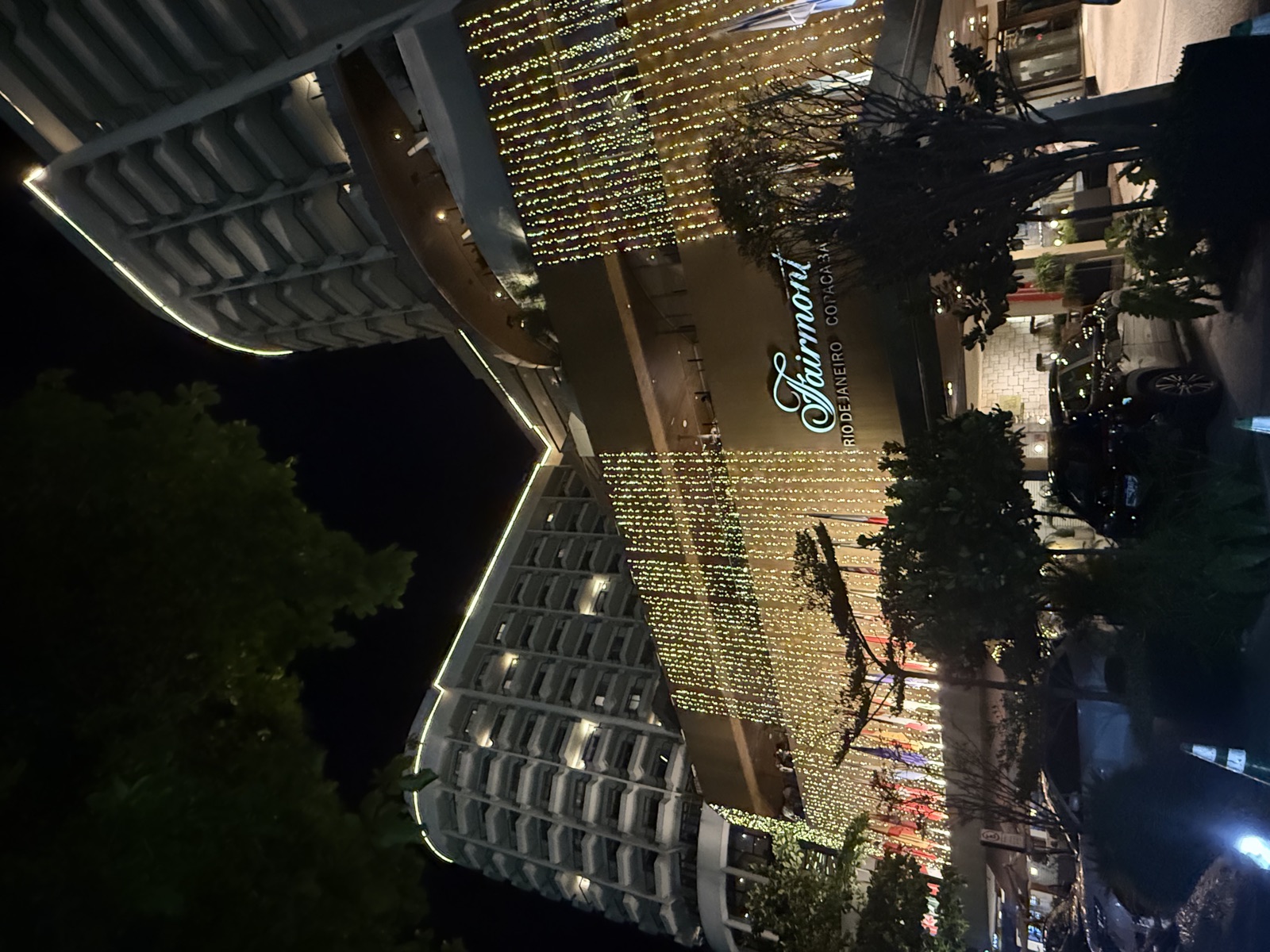
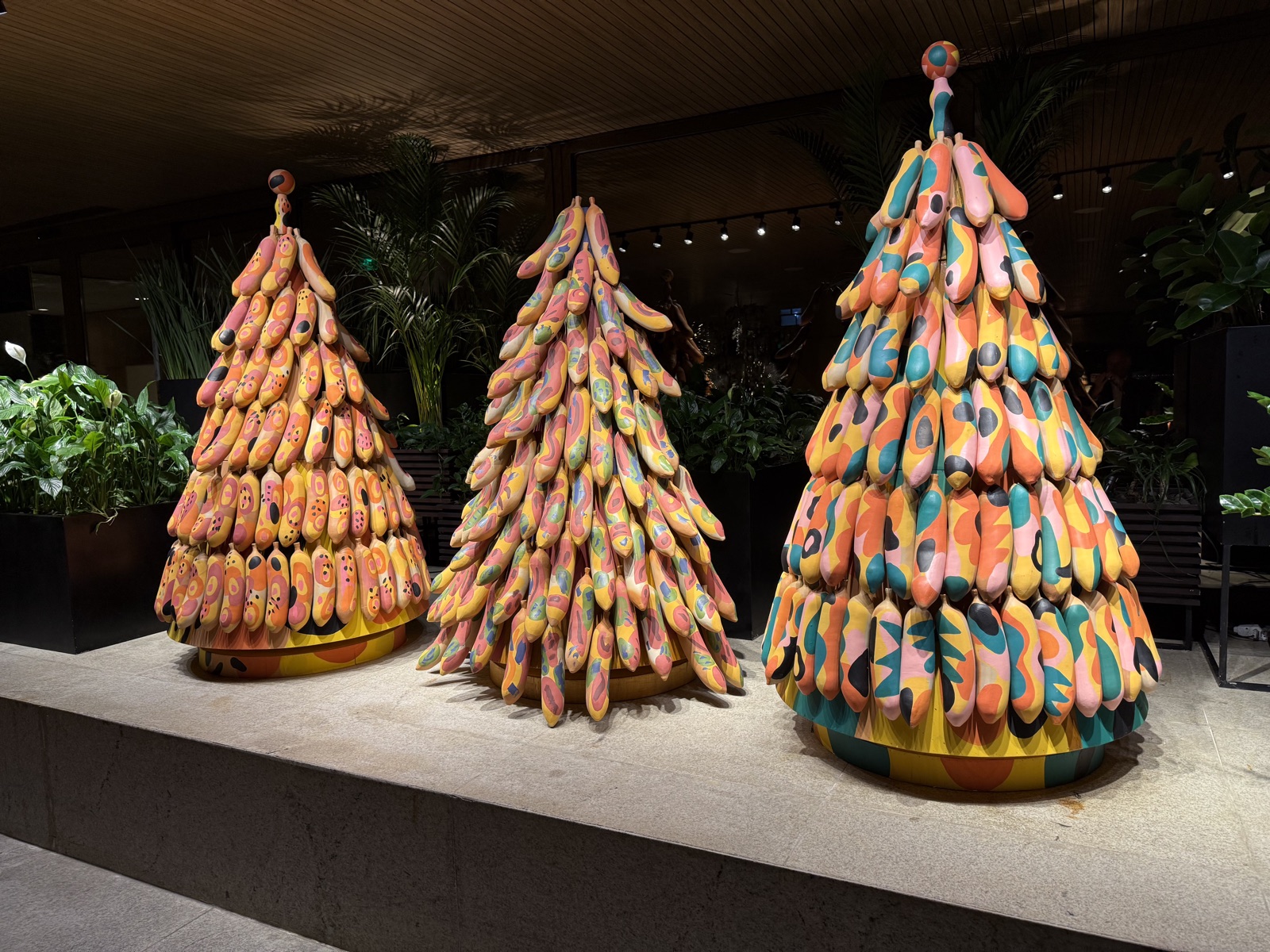
In that context, one question naturally arises: how should the art of welcoming be defined today within a brand like Fairmont, and what does it actually rest on? That is where this conversation begins.
How do you define the art of welcoming at Fairmont?
This promise rests on a central pillar: people.
At Fairmont, luxury is not a material display. It is not an accumulation of outward signs, marble or gilding. Luxury is an emotion. And that emotion can only be created by people.
When I joined the brand, what struck me immediately was this almost family-like culture. A culture where relationships are genuine, where teams take the time to get to know one another, where attention is paid to people.
It starts with recruitment. Fairmont does not recruit first on a résumé or on technical skills. The brand recruits on attitude: a way of being, an ability to connect, to look at the other person, to understand a situation.
That is where the difference lies. Teams are not trained only to carry out tasks. They are trained to become hosts, capable of anticipating, of sensing unspoken needs, of understanding a guest beyond what they actually say.
Because skills can be taught. Attitude is far harder to change.
How do you reconcile that heritage with sustainability and technology?
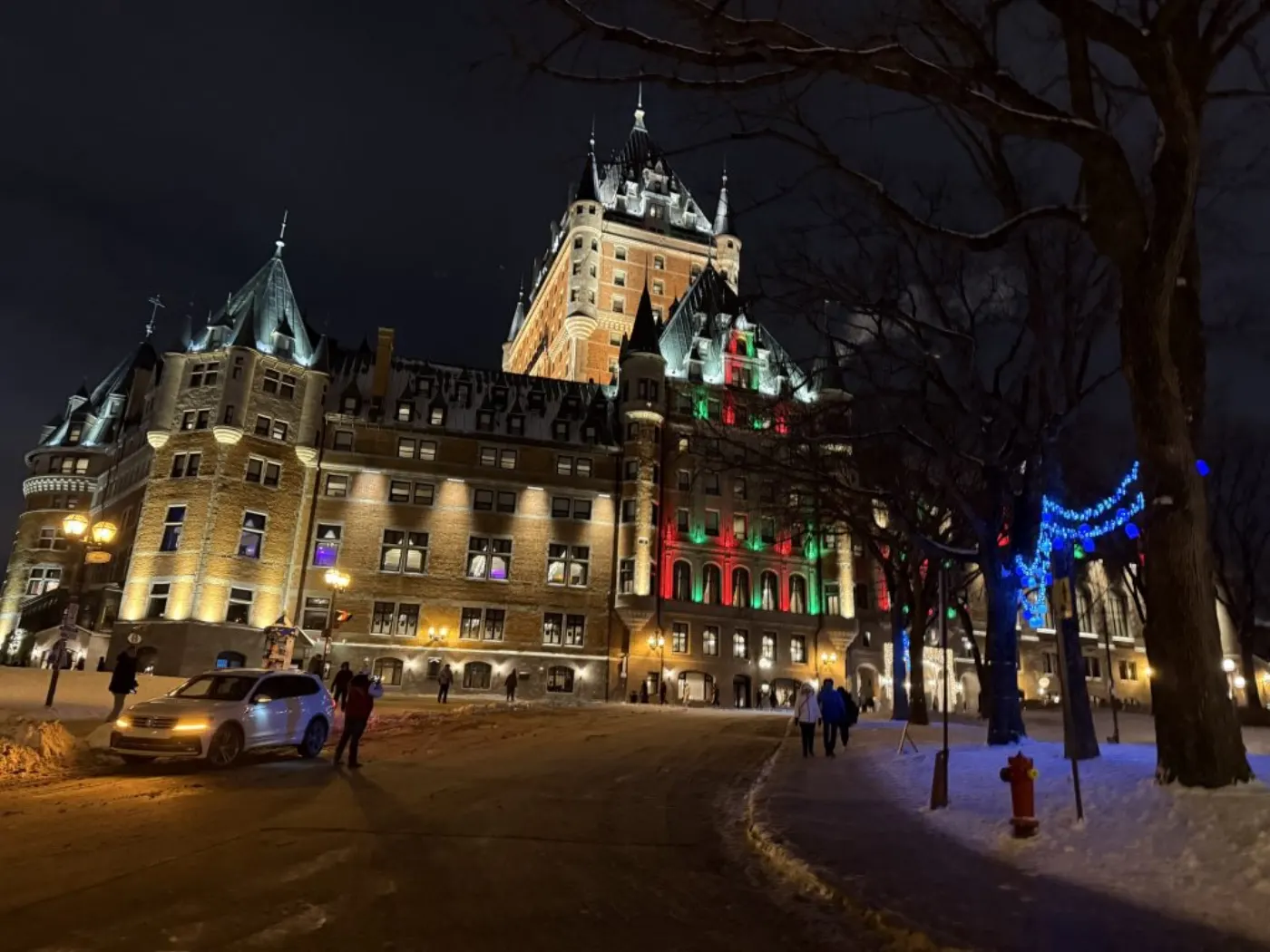
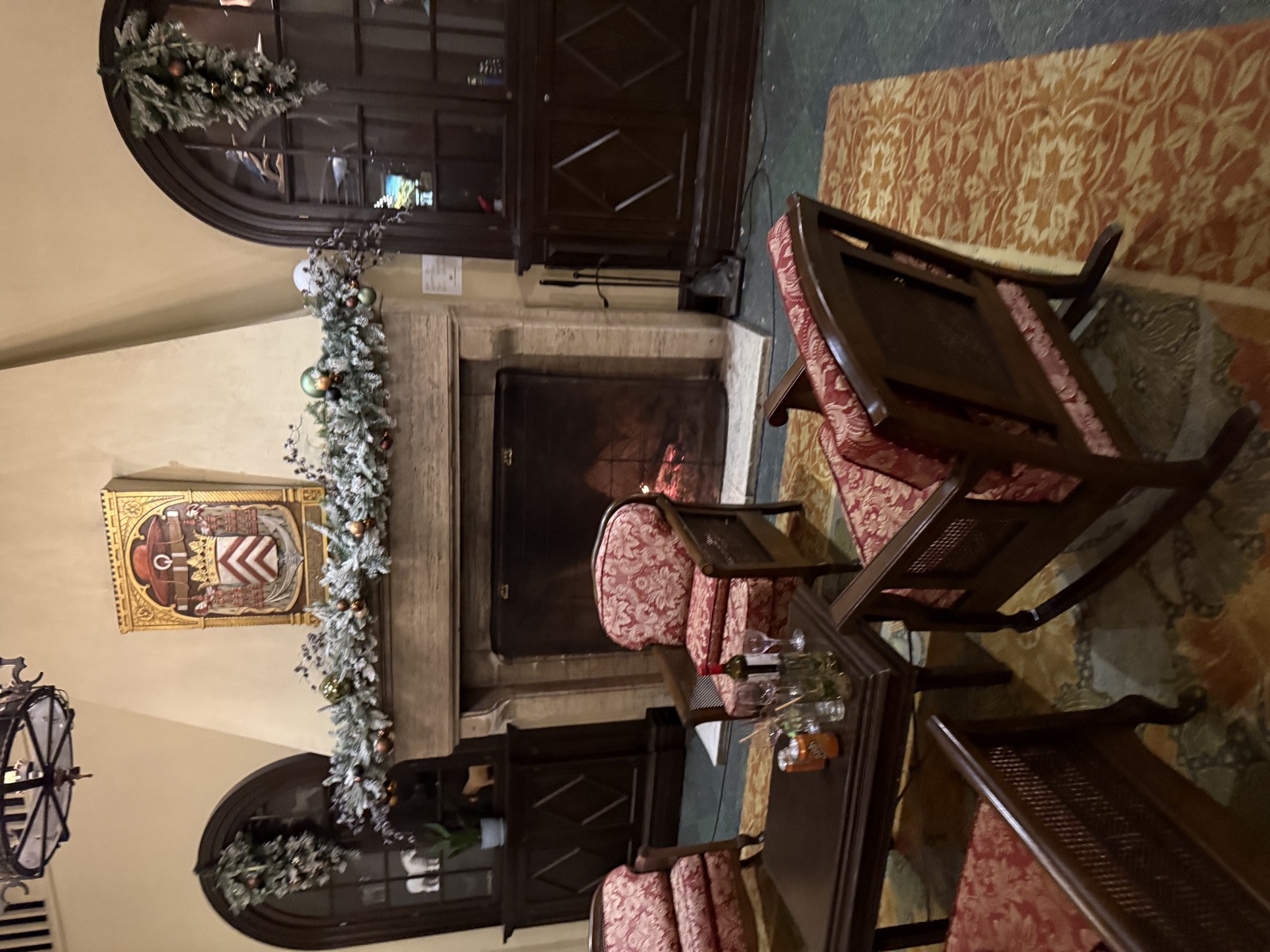
It is a delicate balance, because Fairmont often operates in places steeped in history. Hotels like Fairmont Le Château Frontenac or the Savoy are landmarks. These properties carry a memory, a strong identity. But that history must never become a brake on progress. The challenge is to respect that heritage while staying relevant in a world that changes very fast.
Sustainability is not a new subject at Fairmont. The brand was among the first in the industry to build a structured environmental approach, notably through its historic sustainable management programme launched back in the 1990s. That approach has steadily strengthened over time and now sits within Accor's global strategy.
Concretely, this approach translates into three structuring pillars woven into the daily running of the hotels. The first concerns natural resource management: in sometimes constrained environments, particularly for resorts and golf courses, special attention goes to water use and to adapting to local ecosystems, through more precise irrigation systems, the use of recycled water where possible, and planting species better suited to local climate conditions. The goal is to reduce impact without diminishing the quality of the experience.
The second pillar concerns reducing the properties' overall environmental footprint: deep work on energy, materials and daily operations, including the progressive reduction of single-use plastics, improved building energy efficiency, and the use of more sustainable materials during renovations. In often historic hotels, this transformation calls for a measured approach, one that modernises without altering what makes the place itself.
The third pillar centres on local roots and the relationship to place. Several properties run initiatives that reconnect the guest experience with their immediate surroundings: beehives, vegetable gardens, partnerships with local producers. Beyond their environmental dimension, these initiatives help restore meaning to the experience by anchoring it in a place and a culture.
Technology, and artificial intelligence in particular, follows a different logic. It is not seen as a break with the past, but as a tool in service of a more fundamental goal: giving teams back time and availability.
In hospitality, a significant share of the work still rests on repetitive, administrative or analytical tasks. Gradually introducing systems capable of automating these functions, whether guest data management, revenue management or certain simple interactions, helps lighten that load. This shift does not only transform operations: it redefines how much time team members can devote to their core role, the relationship itself.
This shift matters. Where some industries look to replace people, luxury hospitality has every reason to reposition them. Technology then becomes a lever for amplification: it allows for more anticipation, finer personalisation, smoother journeys, while leaving people the capacity to interpret, adjust and build connection.
The challenge, for a brand like Fairmont Hotels & Resorts, is therefore not to move fast at any cost, but to choose with discernment: adopting what genuinely improves the experience, without ever weakening what lies at its heart, the quality of human presence.
Why is golf becoming a strategic pillar for the brand?
Golf has been part of Fairmont's DNA since its North American origins. Historically, many of its hotels were built in exceptional natural settings, where golf naturally became part of the experience.
But for a long time it was treated as a simple amenity, one service among others. What is changing today is the decision to turn it into a genuine strategic pillar.
Why? Because the context has shifted. Since Covid, guest expectations have changed profoundly. There is a search for nature, for open space, for freedom and well-being. And golf answers exactly that. It is no longer just a sport, it is a way of life, a way of reconnecting.
Fairmont starts from a very strong base, with several landmark courses around the world: Fairmont St Andrews Golf Courses in Scotland, with its two courses, Torrance and Kittocks, on one of the most symbolic grounds in world golf; Carton House Golf Courses in Ireland, with internationally recognised courses; Fairmont Banff Springs Golf Course, often ranked among the most beautiful courses in North America; Fairmont Jasper Park Lodge Golf Course, regularly listed among Canada's best; Fairmont Scottsdale Princess Golf in the United States, in a highly structured golf market; and Fairmont Royal Palm Marrakech Golf & Country Club, which illustrates the brand's growth in resort destinations.
In Europe, recent projects reinforce this strategy, notably Fairmont La Hacienda near Marbella, combining golf and residences, and the Vilamoura project in Portugal, developed with international investors.
What is changing today is the ambition. The goal is no longer simply to have golf courses, but to become the only luxury operator able to offer complete expertise in this field: building dedicated teams, aligning management standards, training golf specialists, creating consistent experiences across every property. Fairmont has, for instance, appointed a vice president dedicated to golf, which shows the strategic weight the brand now gives it.
The real challenge is not the course itself. It is everything around it. When a guest arrives at a Fairmont golf course, the experience must match that of the hotel: a personalised welcome, exemplary service quality, attention to detail (caddies, equipment, clubhouse) and a smooth guest journey.
How do you keep hospitality deeply human?
People remain at the heart of this industry, and that will not change. Hospitality is, above all, an industry of relationships. Tools evolve, processes get optimised, new technologies get integrated, but in the end, what a guest remembers is an interaction, a moment of attention, a way of being welcomed. That is what builds an experience, and that is what creates the memory.
In this context, training takes on a different meaning. It is no longer only about learning technical gestures or service standards. It is about training individuals able to read a situation, sense an emotion, adjust their behaviour. That calls for deeper work, touching on posture, listening and self-awareness. A team member who does not understand their own reactions will struggle to adjust their attitude in front of a guest. Conversely, someone who develops that capacity can build a more genuine, more natural, more authentic relationship.
It is with this in mind that certain training approaches are evolving. They are not limited to procedures, but incorporate more human dimensions, sometimes drawing on theatre or personal development, to help teams be fully present in their role. The goal is not to play a character, but to find the right posture, at the right time, with the right intention.
A hotel may have certain physical limitations, but if the welcome is sincere, attentive and engaged, the guest will remember the overall experience. Conversely, a flawless product paired with cold or mechanical service does not build attachment. Emotion never comes from decor alone.
That is why attention to detail matters so much. An experience is not built only on visible elements, but on an accumulation of sometimes very subtle signals. A personalised touch, a gesture at the right moment, the ability to anticipate an unspoken need can transform how a stay is perceived. Conversely, one neglected detail can have a disproportionate impact. A guest does not average things out: they remember what they felt.
In this context, the role of management is decisive. A manager cannot simply oversee metrics. They must create the conditions in which teams can commit, grow and take initiative. That means being present, accessible, able to listen and understand. It also means being willing to surround oneself with talent, sometimes more experienced or more skilled on certain matters. Success cannot be individual in a profession built on coordination and collective execution.
This is the logic behind the idea of “deciding with the head and executing with the heart”. Management decisions must be made with clarity, sometimes with rigour, particularly in complex economic conditions. But how they are carried out remains essential. Hospitality is a human industry, where every decision affects careers, paths, personal balance. The way people are supported, informed and respected in those moments defines leadership far more than the decision itself.
In the end, the transformation of the industry does not challenge the place of people: it makes it even more central.
Share this article with a colleague, a client or a partner.
That is often how an idea enters a house, and then its habits.
What you say about it matters more than what I say.
A keynote, a mission, an article in the magazine: if my work has been useful to you, a few lines on Google are worth more than any argument.
Leave a review on Google →