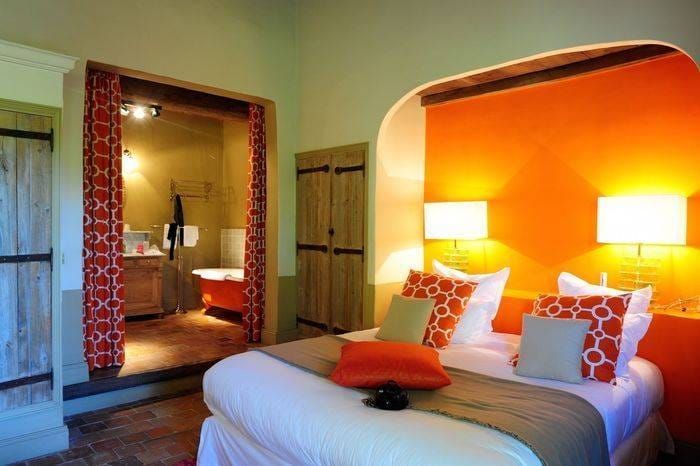
There are also plenty of people who say about their property: “it's not a hotel, it's a concept, it's not a boutique hotel, it's something different.”
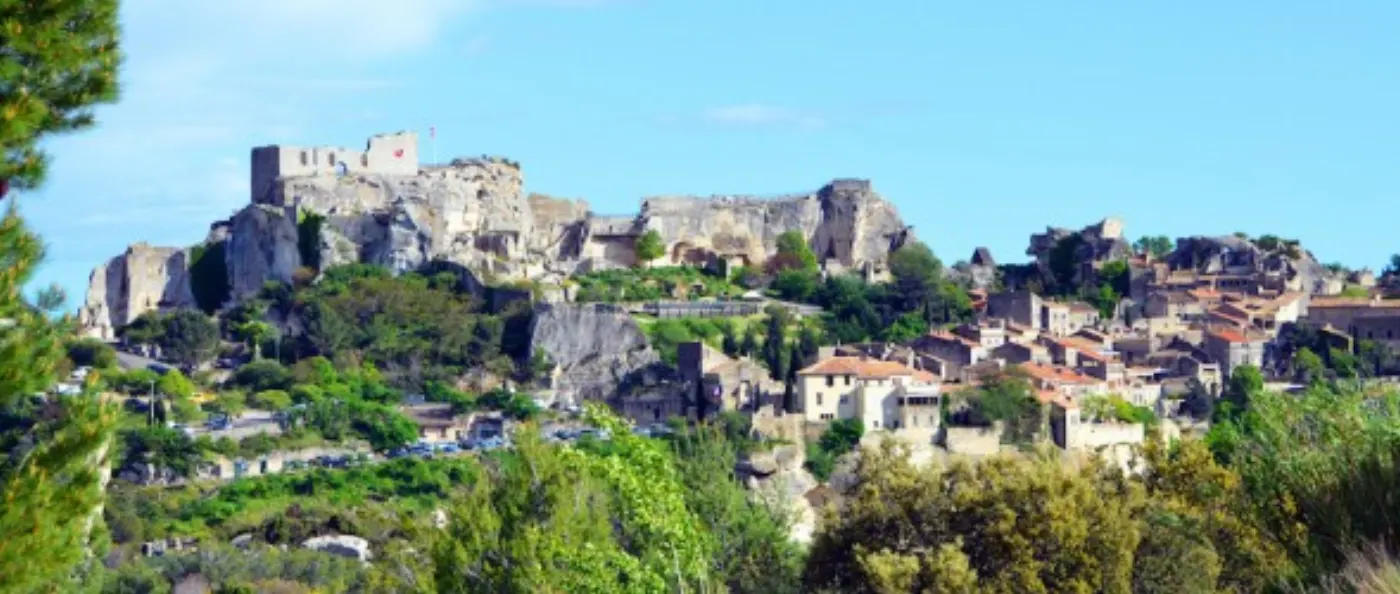
Nowadays, a good number of people choose Airbnb, but there are always differences. What don't I find at Airbnb? There is indeed authenticity, because the accommodation is immersed in the city, but it lacks that social dimension inherent to a hotel. And I believe a hotel is a crossroads, which implies that it's open to its locality, to its surroundings. A guest recently told me that “the Hameau des Baux had nothing to do with other hotels.” From a geographic standpoint, we do have an isolation we're attached to, to guarantee our guests' privacy, but we do everything we can to build bridges with the surrounding area. That dynamic brings life to both the area and the hotel. We've built relationships with nearby cultural players. I chose Arles, because it's the closest major city, and because the Hameau des Baux sits across three territories: Provence, the Alpilles and the Pays d'Arles. Today we have contacts with the École Nationale Supérieure de la Photographie, and, I hope, soon with Actes Sud. These are the cultural players that interest me, because art is part of the Hameau des Baux concept.
What's interesting about your background is that you weren't originally trained as a hotelier. What's your vision of hospitality? How have you brought a different perspective to the field?
How do you intend to revisit the codes of luxury hospitality?
How was the idea for this hotel born? How did you wake up one day and think, “I'm going to invest in a hotel”?
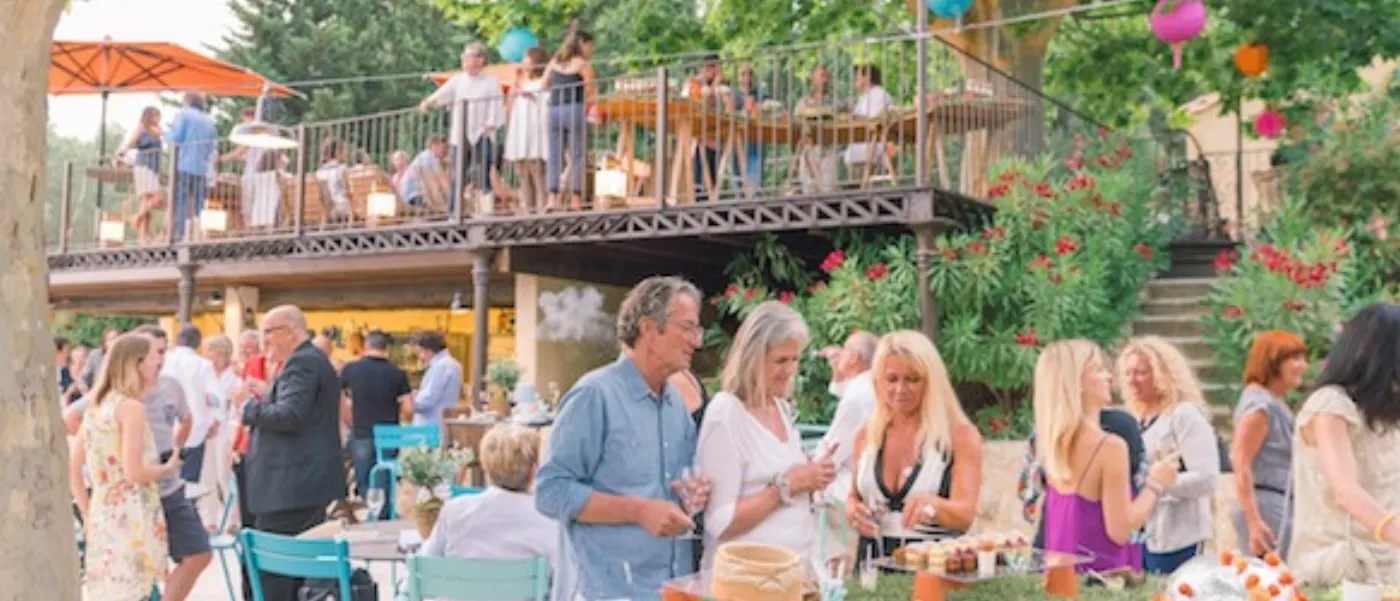
The hotel is the crystallization of all the activities I was interested in: interior architecture, cooking, how to make people happy, sharing and conviviality. Sharing is what interests me most, and it's also the goal we set for welcoming our guests: sharing this experience. That's very important. The hotel then emerged as a place with many possible points of entry.
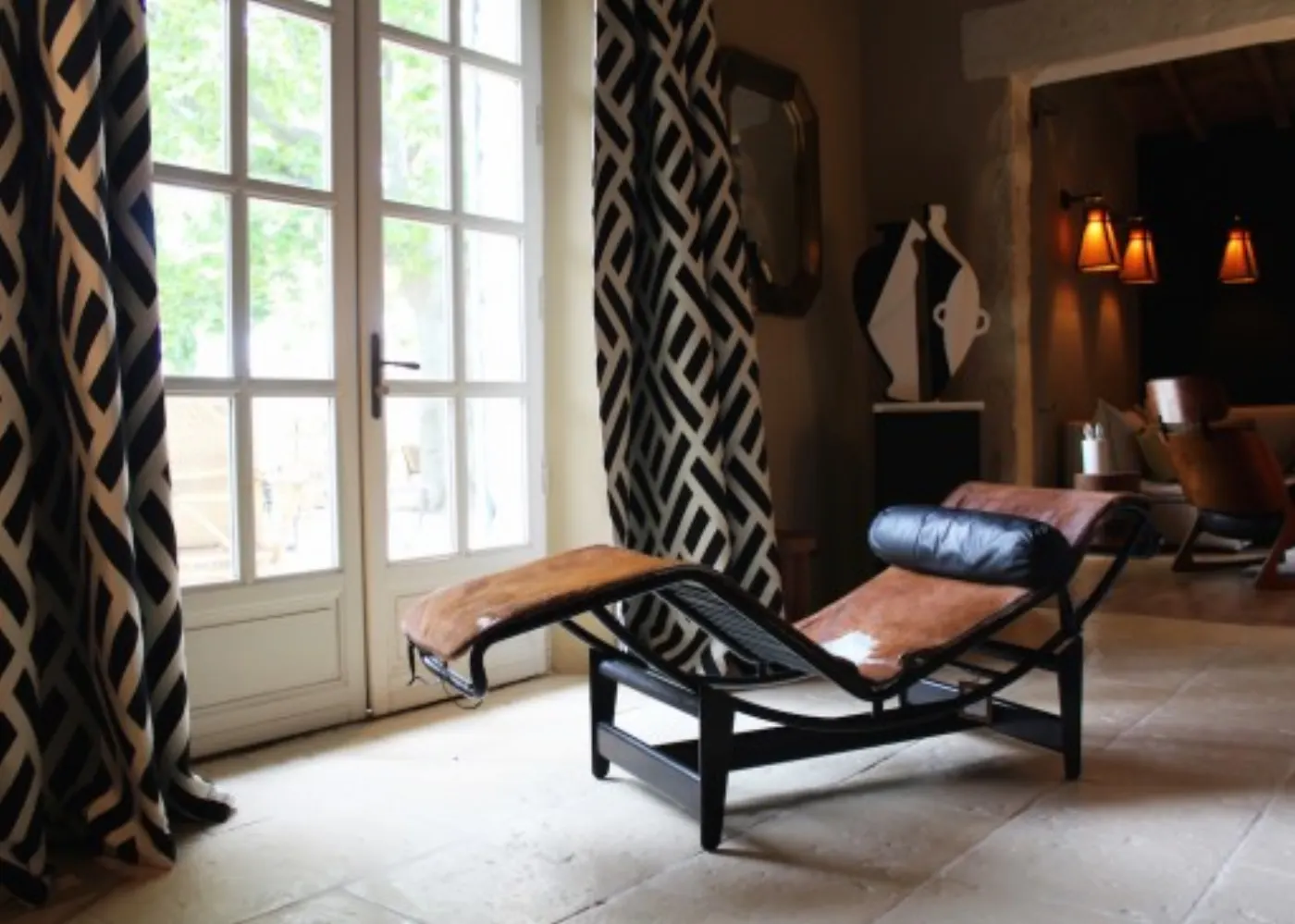
I also run an antiques business specializing in the second half of the twentieth century (E&E Esprit XXe). The connection to the hotel was immediate. We told ourselves it could become a kind of showroom: furnish all our rooms, all our spaces, with furniture for sale. Guests can buy the armchair from the room they booked, after seeing it in place and using it themselves. That keeps the hotel fresh. We do need to keep a certain coherence, but a room won't be quite the same from one year to the next. It's the “surprise hotel” effect! And it's a boutique hotel in the sense that all this furniture is for sale. And it works wonderfully well.
In the past, people wanted a hotel that felt “like home.” Now it's the opposite: people want what's at the hotel.
For me, that's my vision of a hotel: like home, but definitely not like home. I don't go to a hotel to feel like I'm at home, otherwise there's no emotional interest in it. That said, I need to be able to wander around in a very relaxed way if I feel like it. Coming back to the freedom we were talking about, it matters a great deal to me to offer guests a setting where they feel free to walk around in a bathrobe or in Louboutins. The challenge is guaranteeing all these possibilities at once. The “middle ground” has become completely stereotyped, and we need to be careful not to lock luxury guests into one typology or another. We're seeing a real blending of genres, and I claim that spirit. Today, we are multiple: multiple within a single day, multiple because we're the boss during the day, with family or friends in the evening, and so on. And a luxury hotel is a concentrate of all that: being able to live through all these points of entry, hosting an executive committee in style, and, just as easily, a family gathering in equal style.
Is the boutique a genuine part of the hotel? Can people come just to shop?
Exactly. There's the Hameau des Baux guest who falls in love with a painting on display in the gallery, who wants to leave with a piece of furniture they've seen lived in, or who treats themselves by taking home a perfume or a candle from our counter. But there's also the collector of rare furniture. And that, too, is a form of sharing: I find it interesting to bring someone from outside into the hotel. Furniture creates wonderful encounters. A piece from E&E Esprit XXe, a high-end piece from the 1950s to the 1980s, is a bit of shared heritage.
Will you produce your own furniture?
Not for the moment. But I'd like to open up further to contemporary creation, giving designers the chance to express their talent at the Hameau des Baux. I'm currently working on prototypes with young designers. Soon there will be lighting and furniture created specifically for the Hameau des Baux, to live with at the hotel and to buy.
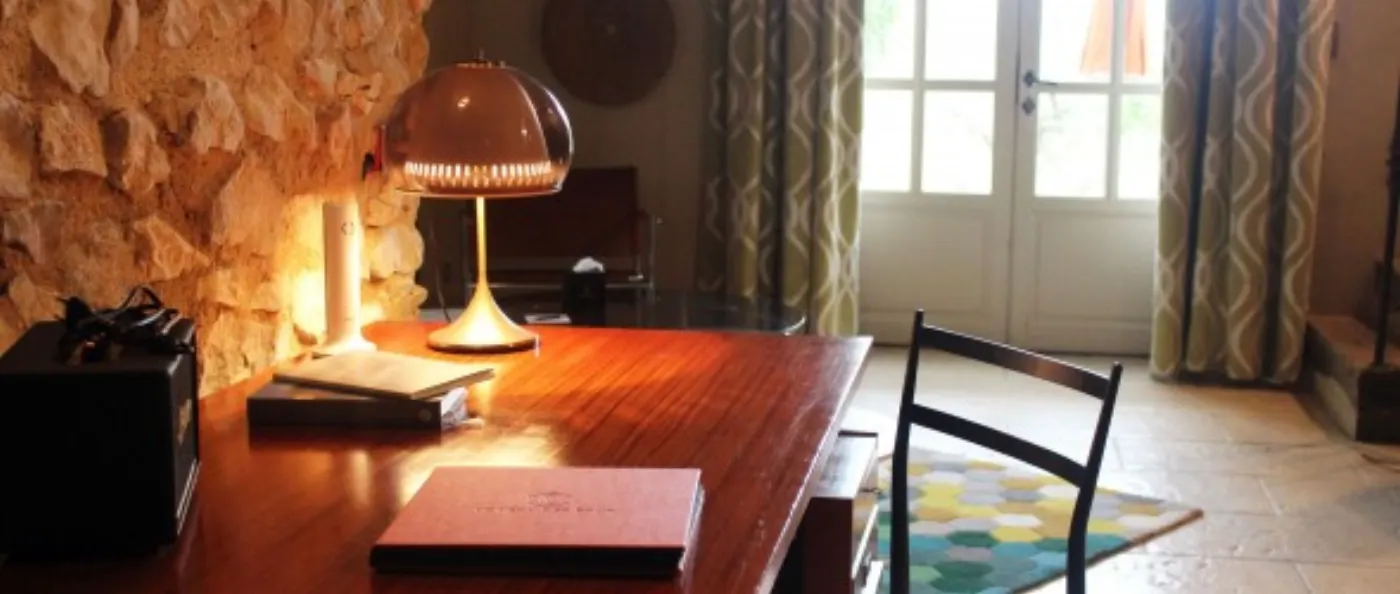
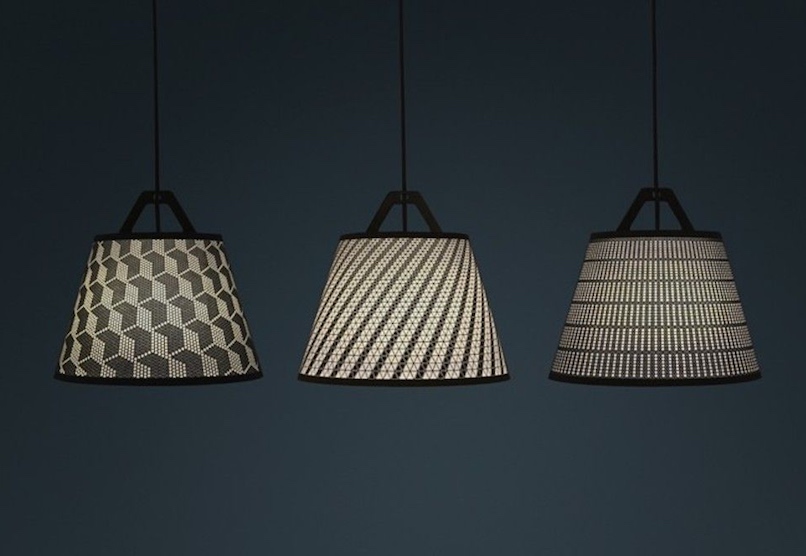
That will bring a kind of complementarity that feeds into the true life of the Hameau des Baux and its place in modernity: there's the myth of Provence, its timelessness, its calm, all this vintage furniture that, to me, is part of what I call “collective memory,” reminding us of something from our culture. That's what brings warmth, emotion. And then there's the shock of contemporary creation, whether through artworks or, soon, through the furniture we'll produce. For now we've only introduced the lighting, because I didn't want to freeze the rooms in place: everything utilitarian, everything guests actually use, we bought while trying to bend the idea slightly. The bedside tables, for instance, aren't designer pieces, because I didn't want the Hameau des Baux to become a museum. But it's true that the rooms are staged. One idea that mattered a lot to me was being urban: we're located in the South, in the countryside, but in the end we still have a very urban clientele. It was interesting to draw on that.
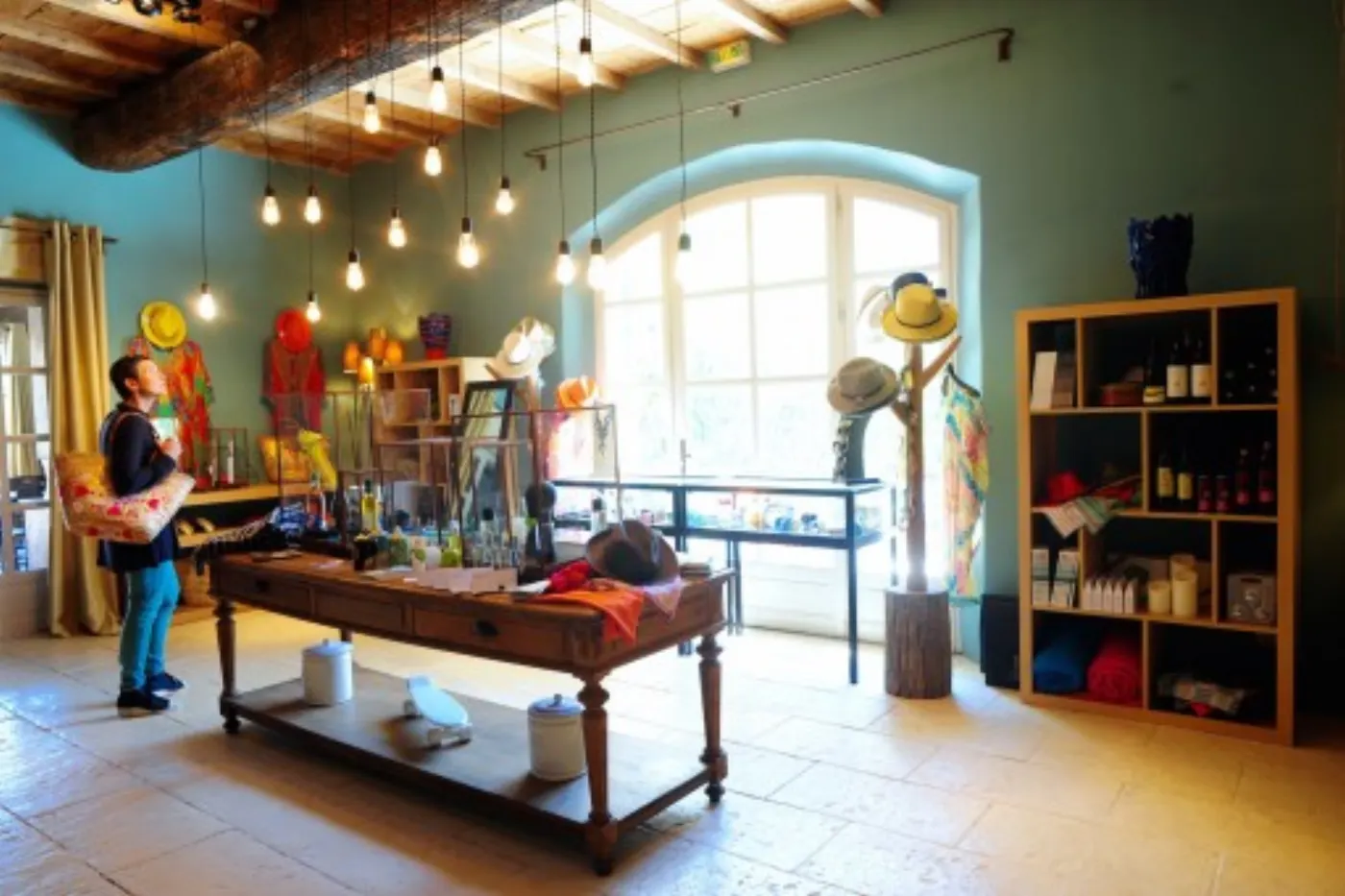
How did you renovate these buildings? To what extent did you bring modernity into a traditional setting?
As things stand, fourteen rooms have been renovated; last year there were six. Fourteen renovated and decorated, and six still remain in their Provençal tradition. Next year there will be twenty. Within three years, all our rooms will have been renovated; we've also changed the plumbing fixtures. The infrastructure has stayed Provençal: the bathrooms, rather well done, often have terracotta tile floors, and the shower is separate, also tiled in terracotta. We decided not to change that. The extension project, on the other hand, will be radically more contemporary, with a wish to reuse certain material codes. A large extension project is coming.
The approach is really urbanistic: there's a village, and the idea is to stretch that village with an extension, the way old towns extend into new ones. In any case, the goal is definitely not to copy, but really to build something contemporary while staying an extension of what already exists. There's also a wish to operate the hotel in winter, since it's currently very hard to run during the winter months, because it's designed to be lived outdoors. And, of course, to develop a spa area.
I read that you have an app for the Hameau. What does digital technology mean to you in hospitality?
I'm a complete paradox, because I missed the digital wave, and yet I know we can't do without it! That was a real, deliberate choice. Another paradox: claiming our Provençal roots, the timelessness of Provence, the village of Marcel Pagnol, Alphonse Daudet's windmill, while at the same time installing fiber optics to guarantee free, high-performance wifi. It's essential in everyday life, for the whole family, but also professionally, when running seminars, for example.
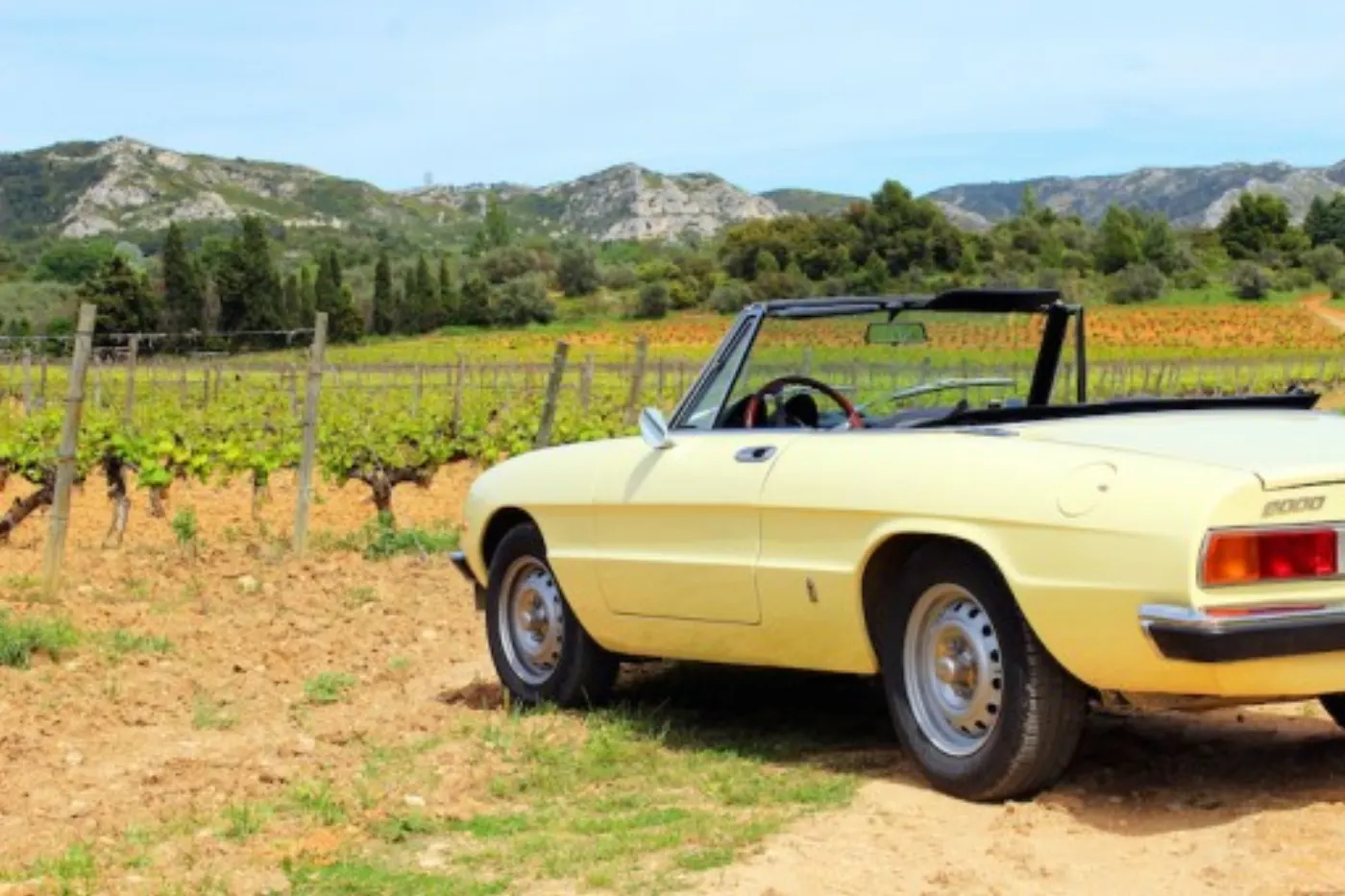
We've also developed an app whose usefulness is absolutely magical. You can plan your trip in advance, get organized, discover upcoming events, spot furniture, book massages, or reserve one of our vintage convertibles for a drive through the Alpilles!
What's your vision of the art of welcoming, the French way?
It's like home, but definitely not like home. Meaning, guests need to feel warmly welcomed and perfectly at ease. That's where I'm most authentic, both in the service and, above all, on the guest's side. And at the same time, you need to produce the “wow” effect! Surprise, move, touch. The secret is to speak to people's hearts, whether through decor, service, a gesture or a dish. Beyond that, there are certain reference points people need, because people need landmarks: breakfast is relaxed, served as a buffet, but the cutlery is silverware, recovered from old hotel services. We salvaged, for instance, a set of plates from the Hôtel de Paris in Monaco, which I found interesting.
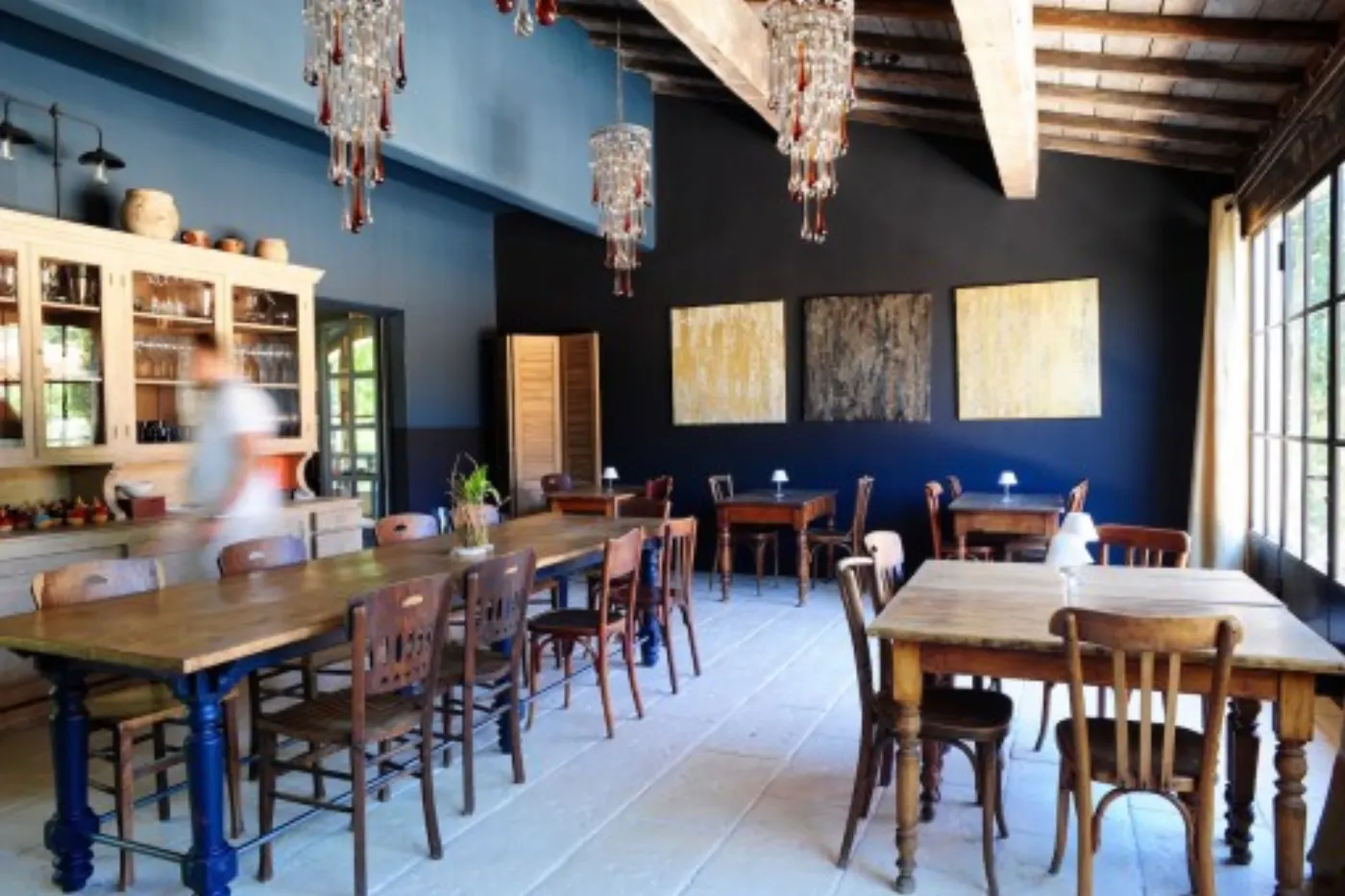
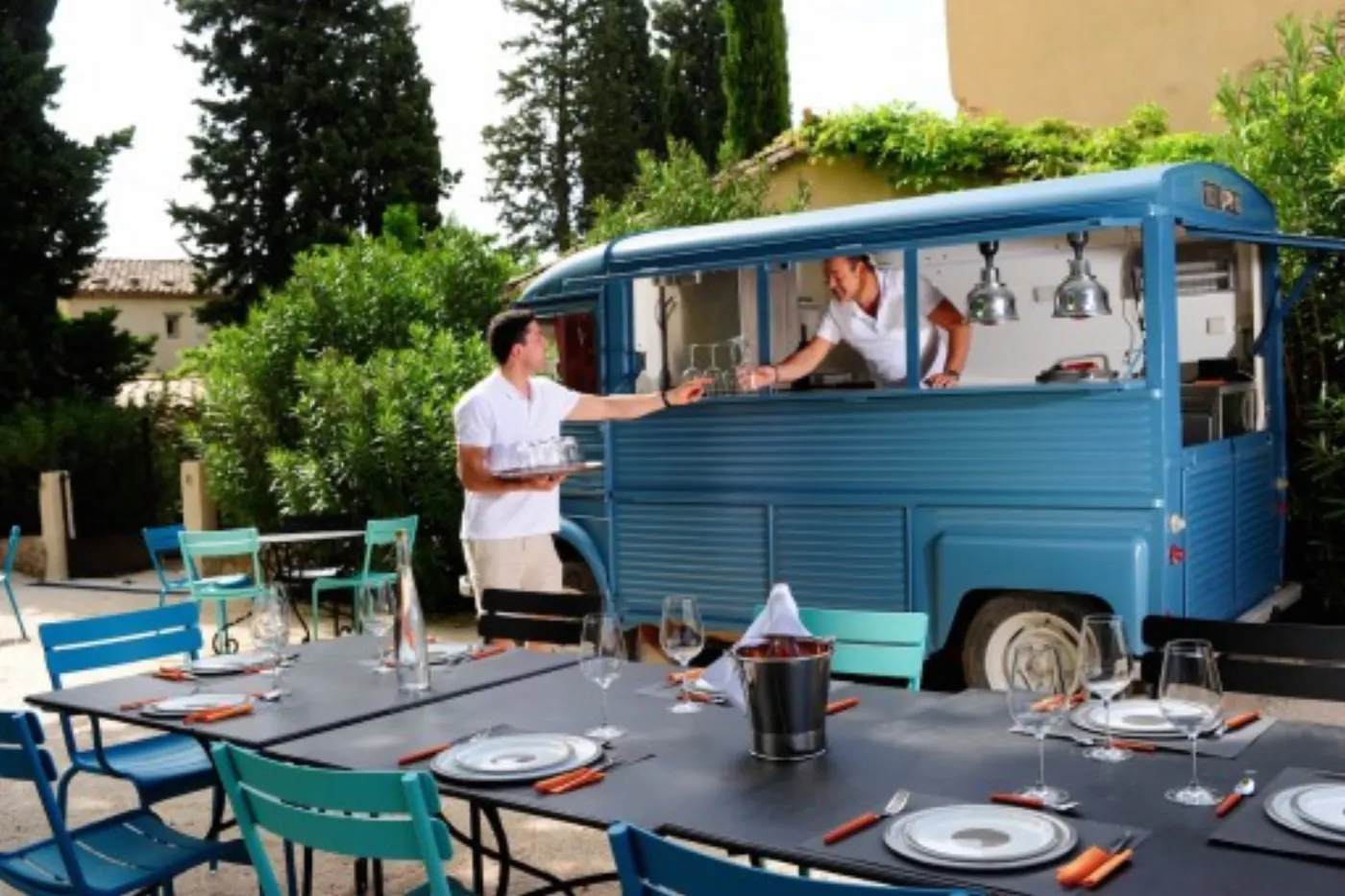
But I made sure to create different moments, different worlds, always with the idea of creating surprise and avoiding a single model. Our breakfast world is very different from our evening dining. For the evening service, we chose to play on a double code, a double reference: one that recalls the village square with its market, the truck that would open up to sell produce; the other that references food trucks, with their ultra-modern urban origins. There was that ancestral code, combined with today's food-truck trend.
And the Provençal touch in the art of welcoming?
You'll find Provence at the counter, which offers a condensed selection of carefully chosen regional products. I wanted Provençal references, but above all not to be confined by them. For now we don't have our own oil, so we work with a mill. That mill has also developed a range of cosmetic products (shower gel, soap) called Une Olive en Provence. So we're in territorial marketing, and at the same time we offer the Nuxe brand, because we needed to bring in certain codes and references of luxury. Both brands are present in the rooms. We offer something rarely found in hospitality today: skincare.
And then I'm partnered with Jean-Christophe Legrèves, the creator of Thirdman, a fragrance that sits between perfume and eau de toilette. It's a concentrate you won't find anywhere else in perfumery. Jean-Christophe calls them “third-kind waters.” They're very fresh scents, with a bit more staying power than eau de Cologne. Thirdman is sold in France exclusively in Paris, at Colette, and at the Hameau des Baux.
For VIP arrivals, we prepare something from the chef and include some well-chilled champagne. In the rooms, there's a free minibar with nothing but water in it. The hotel's size plays a role, but managing a minibar is fairly complicated, and I always find it a bit petty to charge for a drink when the guest has already spent a certain amount on their room. So we decided to offer water, still and sparkling, free of charge. In the suites, there's also an organic orangeade, since we've built this dimension into our sustainability project. That's true in the kitchen, but above all across the whole logistics chain, water treatment and so on.
Share this article with a colleague, a client or a partner.
That is often how an idea enters a house, and then its habits.
What you say about it matters more than what I say.
A keynote, a mission, an article in the magazine: if my work has been useful to you, a few lines on Google are worth more than any argument.
Leave a review on Google →