The Peninsula: Why the First 60 Seconds Define the Guest Experience
In luxury hospitality, everything begins long before a guest walks into their room. The experience takes shape from the very first moments, sometimes even before arrival at the hotel. This encounter between a brand and a guest is often underestimated, even though it is one of the most powerful levers of the overall experience.
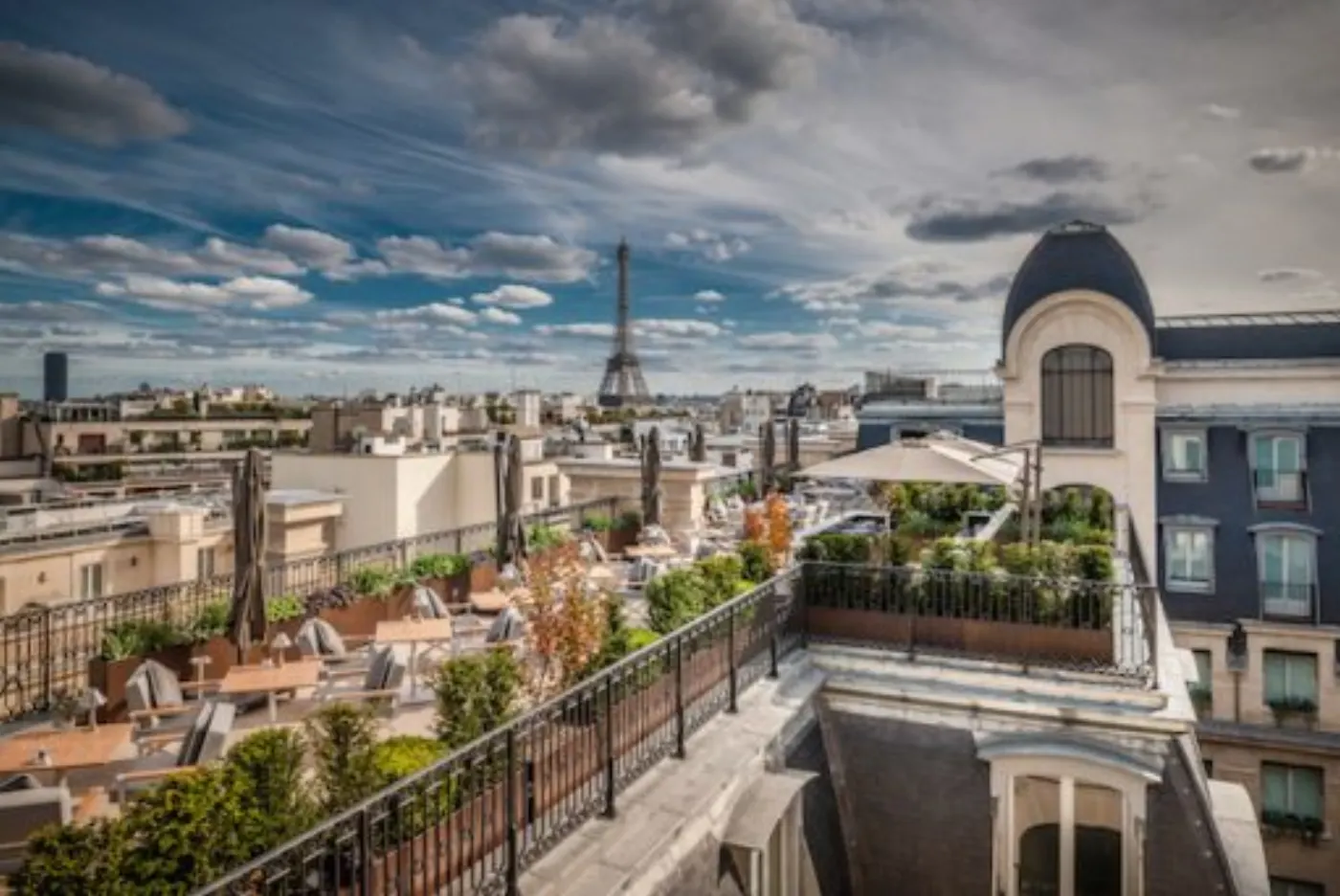
During my meeting with Peter C. Borer at The Peninsula Paris, one idea became obvious: the first 60 seconds are not a minor detail, they are foundational. They shape the perception of the place, the relationship with the teams and, more broadly, the memory of the stay.
Through this conversation, a demanding vision of hospitality emerges, one where every element, architecture, atmosphere, service, human attention, works together to create a coherent mood. An approach that speaks directly to the current challenges of luxury hospitality: creating a seamless, global experience, thought through down to the smallest detail.
This reading echoes what I define as generous hospitality: a hospitality that does not settle for simply delivering a service, but seeks to anticipate, understand and build a sincere relationship with the guest. A hospitality resting on three essential pillars: the place (sense of place), the teams, and the guest's well-being.
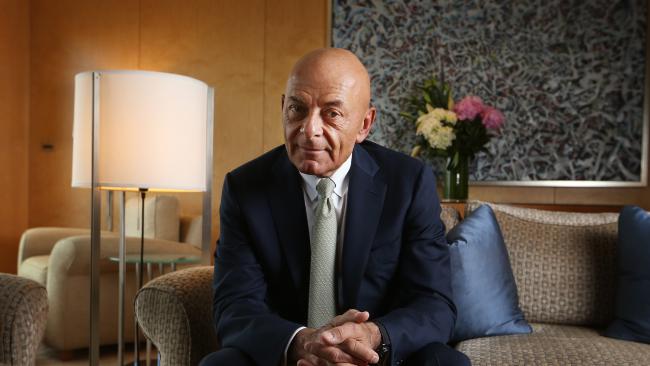
Peter C. Borer is Chief Operating Officer of the Peninsula Hotels and Executive Director of The Hongkong and Shanghai Hotels, Limited. Above all, he is a man passionate about hospitality, and a truly humble one.
We spoke about the art of welcome during our meeting at The Peninsula Paris.
What is your vision of the art of welcome?
What matters to me is the first 60 seconds of the encounter between the brand and the guest. If you have spent 12 hours on a plane and you arrive in Paris ready to pay a premium price for a room, you have certain expectations; so your first encounter with the hotel will be positive or it will not, and every detail matters: the person who picks you up at the airport, the beauty of the building, the surroundings, the atmosphere inside, and so on. Do you like the music? Is the room temperature right for you? Is the staff attentive to your needs? Everything matters during those first 60 seconds. And you have to work hard with architects, designers and engineers, on light, music, decoration, so they understand how to bring that importance to life.
The hardest thing in a hotel is creating an atmosphere where everyone feels good, whether they are a hundred years old or a baby, whatever their origin or religion. Of course, it is impossible to satisfy 100% of your guests, but if you reach a little over 80%, that is already good.
So is the art of welcome tied to both the building and the service put in place by the teams?
Yes, it is all one whole. A hotel is like an opera in permanent performance. Every time I open a new hotel, I tell myself: this door must never close again.
What has evolved since the brand was created? What has changed since the first hotel?
The principle of luxury will never change. But some details do. When I was young, our hotels had a pool; then, over time, we added a gym, a spa, and so on. Cuisine used to be far less international.
Things have also changed from a communications standpoint. But the spirit of luxury itself has stayed exactly the same. As a brand, we have to stay attentive and innovative before our guests even ask us to.
You always have to stay one step ahead, and for that, you need to give yourself time to think. I currently have three hotels under construction that should open at the end of September. What will happen in the next five years? There may be holograms that force us to rethink how rooms are organized. That is the kind of question that occupies my thoughts at night.
What is your vision of hospitality in 10 years?
Within our group, our DNA will remain unchanged. We will still have a great deal of staff and we will still offer very luxurious spaces. Today, many people, especially the younger generations, are looking for exactly that. I recently held a roundtable with young people from wealthy families and asked them what they would expect from luxury hotels in the future.
The hotel experience: an orchestration of place, service and emotion
Through Peter C. Borer's words, one strong conviction emerges: hospitality cannot be reduced to a sum of standards. It is a global orchestration, where every detail helps create a coherent, memorable experience.
The image of a hotel as an opera in permanent performance rings especially true. It highlights the importance of coordination between teams, precision in execution, but also the ability to create emotion at every moment. Nothing is left to chance, yet everything must feel natural.
This level of demand speaks directly to the contemporary challenges of luxury hospitality. Guests no longer look for a high standard of service alone, but for an experience that is seamless, personalized and aligned with their deepest expectations. They expect to be recognized, understood and accompanied from the very first seconds.
This is where sense of place takes on its full meaning. Architecture, volumes, light, sound, but also the attitude of the teams, all come together to create a unique atmosphere: one that must be immediately felt and consistent with the brand's promise.
In my view, this ability to align the place, the teams and the guest experience lies at the heart of generous hospitality. It calls for upstream work with architects, designers and operators, but also for constant rigor in day to day execution.
Ultimately, what this interview reminds us is that the guest experience is not decided only in the big moments, but in a multitude of invisible details. And that those famous first 60 seconds can, on their own, define whether a stay succeeds.
Share this article with a colleague, a client or a partner.
That is often how an idea enters a house, and then its habits.
What you say about it matters more than what I say.
A keynote, a mission, an article in the magazine: if my work has been useful to you, a few lines on Google are worth more than any argument.
Leave a review on Google →