Why Does Guest Experience Depend First on the Team?
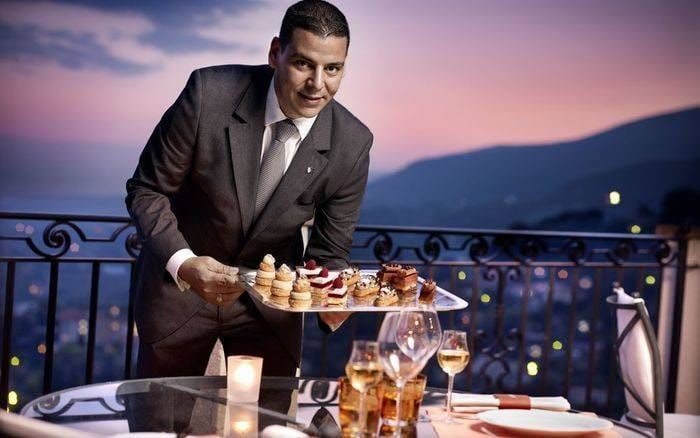
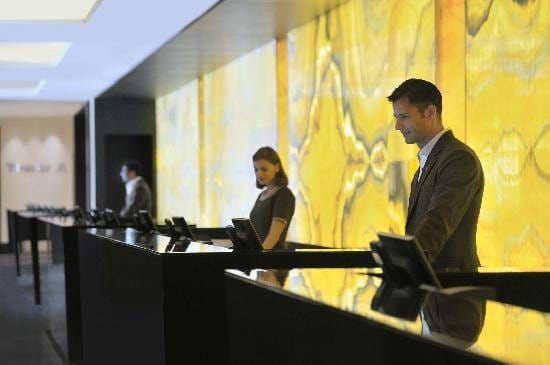
In the world of luxury hospitality, hotels invest considerable budgets in architecture, design, spas, restaurants and immersive experiences. Yet behind every memorable experience lies one fundamental element without which no palace hotel can truly stand apart: its people. In hospitality, the quality of service rests above all on the human factor. A hotel can have the most beautiful suites, an exceptional view or a spectacular decor, but if the human interactions fall short, the guest experience instantly loses its emotional value.
Palace and upscale hotels today are engaged in a real war for talent, competing to attract the best profiles and deliver the highest possible standard of service. This has become a strategic issue, at a time when the hotel industry faces major challenges in recruitment and retention. The service delivered by teams has therefore become one of the main levers of differentiation in contemporary hospitality.
New Generations Are Reshaping Hotel Management
Most leaders and managers see it clearly today: our relationship to work is changing profoundly. Younger generations, notably Gen Y and Gen Z, embody this shift. Often seen as more mobile, more demanding and less attached to a single employer, these new profiles are challenging traditional hotel management models. Unlike previous generations, who could imagine spending their whole career in the same establishment, more and more employees today are looking for meaning, balance and genuine personal fulfillment in their work.
Salary still matters, but it is no longer enough on its own to retain teams over time. In luxury hospitality, this shift represents a major challenge. Hotels now need to build work environments that genuinely make employees want to engage, humanly, in the guest experience. Hospitality cannot be sincere if the teams themselves do not feel respected, heard or valued.
Motivation No Longer Rests on Bonuses Alone
For a long time, many companies believed that team motivation depended mainly on financial bonuses or material perks. Today, this approach clearly shows its limits. The real challenge of contemporary management lies far more in the ability to let each person fully realize their potential at work.
Employees need to understand their purpose, to feel considered, and to be able to express their talents day to day. Contemporary hospitality therefore calls for a new vision of management, one that is more human, more collaborative and more emotionally intelligent. I am personally convinced that we are all sitting on a real gold mine, a vast potential we still underuse, both individually and collectively.
In many hotels, employees' talents remain underused, when they could become powerful levers of innovation, creativity and operational excellence. Some employees have naturally exceptional relational skills. Others excel at organization, at anticipating guest needs, or at managing emotions. Yet these skills often stay invisible in environments that are too standardized.
One of the major roles of the modern manager is precisely to identify these talents and to let teams use them fully in their day-to-day work. An employee who feels recognized for who they really are will naturally develop more engagement, more motivation, and more loyalty to their company.
Listening and Feedback: The New Pillars of Hotel Management
Another fundamental factor in team motivation is the quality of internal listening and the presence of effective feedback systems. Today's managers have every interest in understanding that their teams often already hold the solutions to many of the operational issues found on the ground.
In luxury hotels, the employees in direct contact with guests hold an extremely valuable view of expectations, frustrations and the small details that truly shape how the guest experience is perceived. They are often the first to notice the friction points in the guest journey, the emerging expectations, the operational issues, or the opportunities for improvement.
Yet in many organizations, this information still struggles to reach decision-makers. One of the great challenges of modern hotel management is therefore to build a genuine culture of listening and of surfacing ideas. Employees are generally capable of proposing far more innovation than they actually do. It becomes essential to stop assuming that managers must have an answer for everything.
The leader's role is gradually shifting toward a management style built on support, inspiration and knowledge-sharing. A good manager is no longer simply someone who controls or gives instructions. It is someone who knows how to listen, to value ideas coming from the field, and to help put them into practice.
Employee Experience Is Now Inseparable From Guest Experience
In the demanding world of palace hotels, where hospitality rests on service excellence and attention to detail, the major challenge remains motivating and retaining teams over the long term. Today, employee experience has become inseparable from guest experience.
A hotel where teams feel respected, heard and valued will naturally develop a more sincere, more fluid and more generous hospitality. Conversely, an establishment where teams are exhausted, disengaged or under pressure will always end up affecting the quality of service.
This reality forces hotel groups to rethink their management culture in depth. Hospitality can no longer be solely a marketing promise made to guests. It must also be lived from within the company itself.
Training, Coaching and Audits: Strategic Tools for Transforming Teams

To support these transformations, many establishments are now putting in place more structured approaches around service quality and employee experience. Hotel consulting missions, guest experience audits and mystery guest visits help identify the strengths and the areas for improvement, across teams, guest journeys and operations.
These tools also help measure the gap between the experience intended by management and the one actually perceived by guests. Hotel training and coaching programs also play an essential role. Training employees is no longer just about passing on operational procedures.
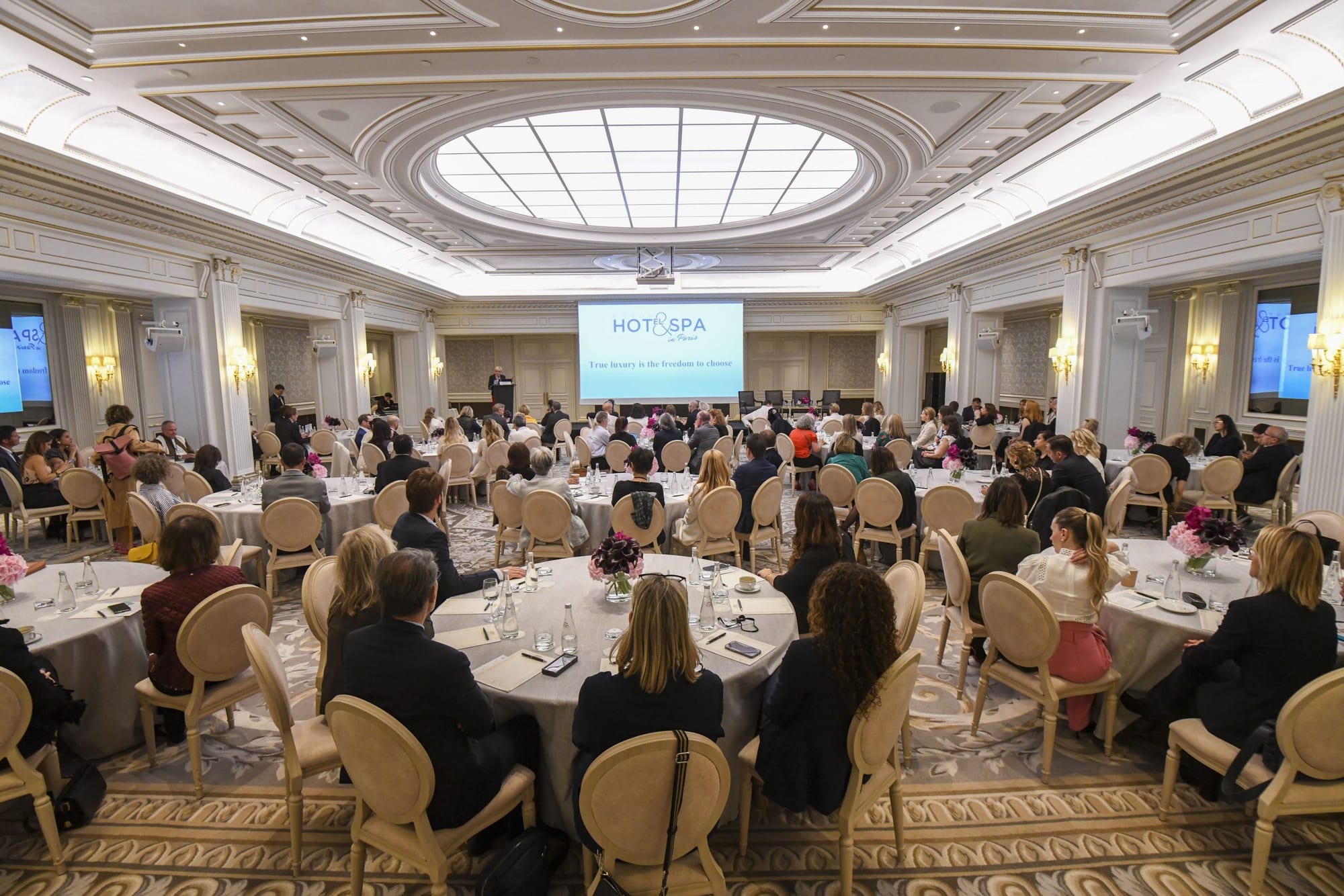
It is now about developing relational posture, emotional intelligence, self-confidence, listening skills, emotional management and quality of presence with the guest. Conferences on hospitality, leadership and guest experience also open new avenues of reflection for hotels and service companies.
As part of my consulting work, I help hotels and service companies improve the quality of their welcome, strengthen team engagement and develop a more human and differentiating hospitality. This support focuses in particular on employees' posture, the guest experience, the service culture, hotel management, and the way talent is recognized within teams.
Hospitality is gradually becoming a genuine management philosophy, one capable of shaping company culture, quality of life at work, and the overall performance of organizations.
Workspace Design Also Shapes Team Motivation
The design and layout of spaces also play a fundamental role in employee wellbeing. For a long time, hotel architecture was thought about primarily around the guest. Today, establishments are beginning to understand that the spaces reserved for teams also influence the overall quality of the experience.
Poorly designed spaces can generate stress, fatigue and operational tension. Conversely, smooth, pleasant environments encourage collaboration, communication and service quality. Working with a hotel project management architect (AMO) helps create spaces that improve both the guest experience and the employee experience.
Hospitality, in all its complexity, ultimately represents an ongoing search for balance between performance, emotion, operational excellence and human fulfillment.
What to Remember
Guest experience in luxury hospitality depends first and foremost on the human quality of the teams. New generations are profoundly transforming hotel management and are looking for more meaning, more listening and more recognition in their work. Motivation no longer rests solely on financial bonuses, but on employees' ability to express their talents and to feel valued.
Internal listening and feedback systems are becoming essential levers for improving guest experience and driving innovation. Employee experience is now inseparable from guest experience. Audits, training, coaching and conferences all help support this cultural transformation within hotels. Finally, the design of spaces and the quality of work environments directly shape team wellbeing and the quality of the hospitality delivered to guests.
Share this article with a colleague, a client or a partner.
That is often how an idea enters a house, and then its habits.
What you say about it matters more than what I say.
A keynote, a mission, an article in the magazine: if my work has been useful to you, a few lines on Google are worth more than any argument.
Leave a review on Google →