The project

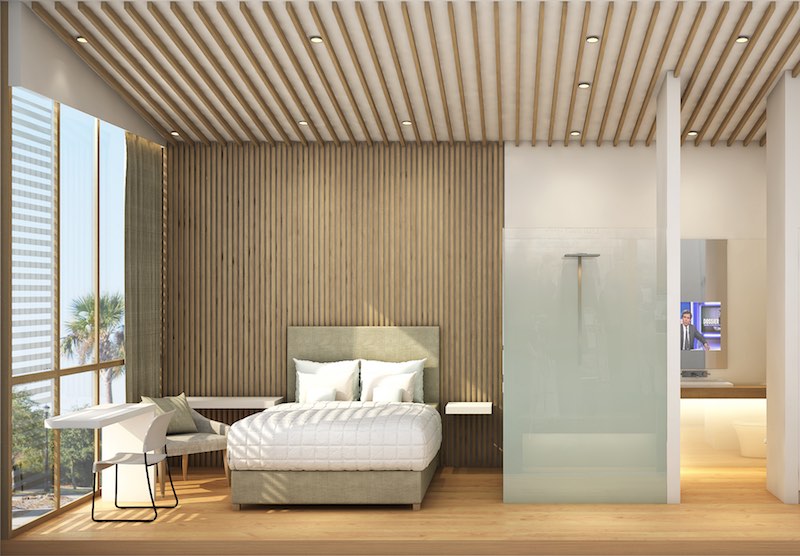
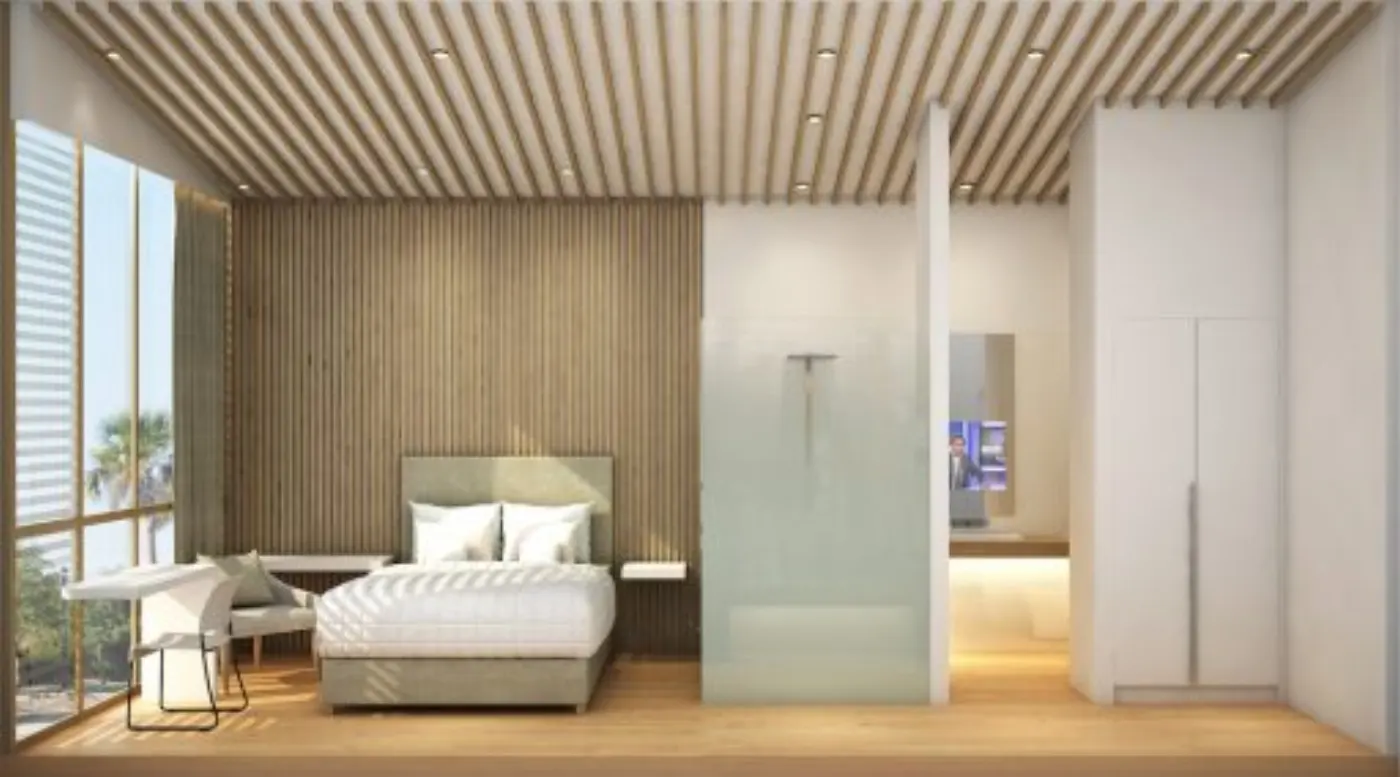
The ambition of this project was to design a prototype hotel room and bathroom as they might look by 2020, meaning one that integrates sustainability criteria and technological innovation.
But in reality, this project goes far beyond a simple short-term projection. As early as 2016, my intention was to anticipate the deep transformations of hospitality toward 2025-2035: changing lifestyles, new guest expectations, our relationship to time, sleep, nature and technology. The ORIGINE room was born from this strategic reflection.
The goal is to show industry professionals that every element in the room's design genuinely belongs to an integrated approach to sustainability, both through the choice of materials and through how the spaces function and are managed.
This integrated approach has always been at the heart of my method: a room is not conceived as an addition of technical or decorative elements, but as a whole system in which every decision affects the guest experience, the work of the teams, and the economic performance of the property.
The ORIGINE room returns to the fundamentals of a hotel room and reinvents the codes of hospitality, combining sustainability, wellbeing and innovation.
This return to fundamentals is a key point. Hospitality sometimes tends to overcomplicate the experience. Through this project, I wanted to show that a high-performing room is, above all, a room that fully answers human beings' vital needs: sleeping, breathing, recharging, reconnecting with oneself.
An approach born of field experience
This project did not come out of nowhere. It is part of a path built over many years, notably through my experience within the Accor group. I had the opportunity to take part in reflections around concept rooms, contribute to renovation projects, and attend strategic meetings with architects, investors and hotel directors.
These experiences taught me an essential truth: too many hotel projects are built without integrating the guest and operational experience early enough. The architecture moves forward, choices become fixed, and the experience is adapted afterward. Yet the logic should be reversed.
With the ORIGINE room, I wanted to demonstrate, concretely, that it is possible to start from the guest experience, anticipate future uses, and then build a coherent architectural project.
A collaboration at the heart of the project
AW², the international architecture and interior design agency led by partner architects Réda Amalou and Stéphanie Ledoux, brought to life this room designed by DELPORTE Hospitality.
This collaboration perfectly illustrates the way I work: a constant dialogue between strategic vision and architectural translation. My role is to think through the experience, structure how spaces are used, and anticipate behaviours. The architect, in turn, gives that vision form, material and coherence.
This four-handed work is essential. It helps avoid classic mistakes: magnificent spaces that are ill-suited to the teams, spectacular rooms that are uncomfortable to live in, or appealing concepts that prove impossible to operate.
A real room, not a theoretical concept
The ORIGINE room has drawn strong interest from hoteliers, showing the appeal of placing naturalness at the heart of hotel rooms, while offering guests real comfort and generating genuine energy savings.
This project was presented under real conditions at the EquipHotel trade show. It was not an abstract concept or a 3D rendering, but a room that was actually built, tangible, and could be experienced first-hand.
It is precisely this dimension that struck industry professionals: the ability to move from idea to realization. Bringing partners together, aligning visions, integrating innovations, managing technical and budgetary constraints: all of this is part of the reality of a hotel project.
Saving money is good. Bringing guests a genuinely new wellbeing experience is even better.
Energy performance only makes sense if it comes with emotional performance. A sustainable but uncomfortable room has no value. Conversely, a room that delivers deep wellbeing while reducing its environmental impact becomes a genuine lever of differentiation.
The concept, around a few key words
Here I worked on the notion of biological rhythm. Light, often underestimated, becomes a strategic tool to accompany guests through their natural cycles: waking, energy, relaxation, falling asleep. This lets us act directly on sleep quality, and therefore on overall satisfaction with the stay.
Modularity answers a major shift: the room becomes a hybrid living space. Working, resting, eating, relaxing: these uses now overlap. Furniture must adapt to these transitions without cluttering the space.
Behind this notion lies in-depth work on the room's systems: ventilation, water management, electricity consumption. The goal is not only to cut costs, but to design smart systems that are invisible to guests and simple for the teams.
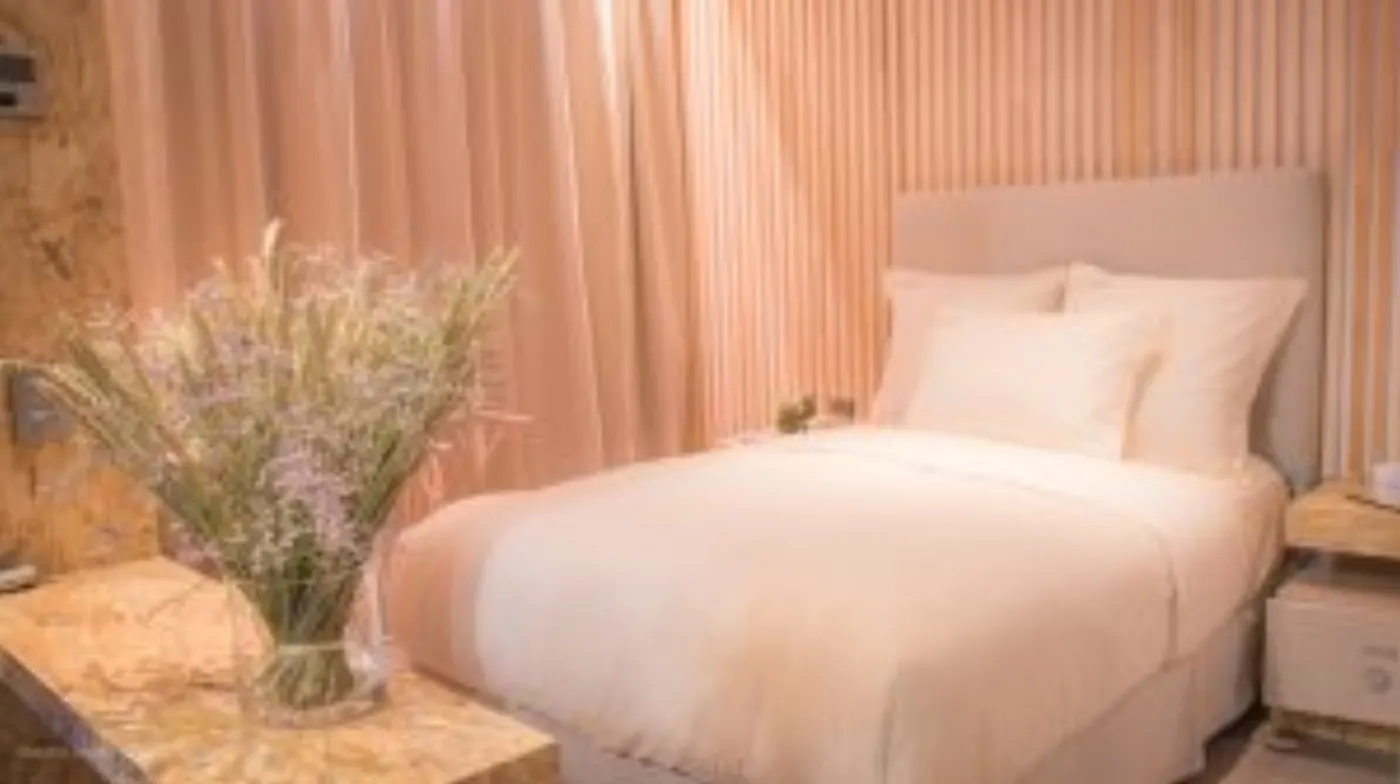
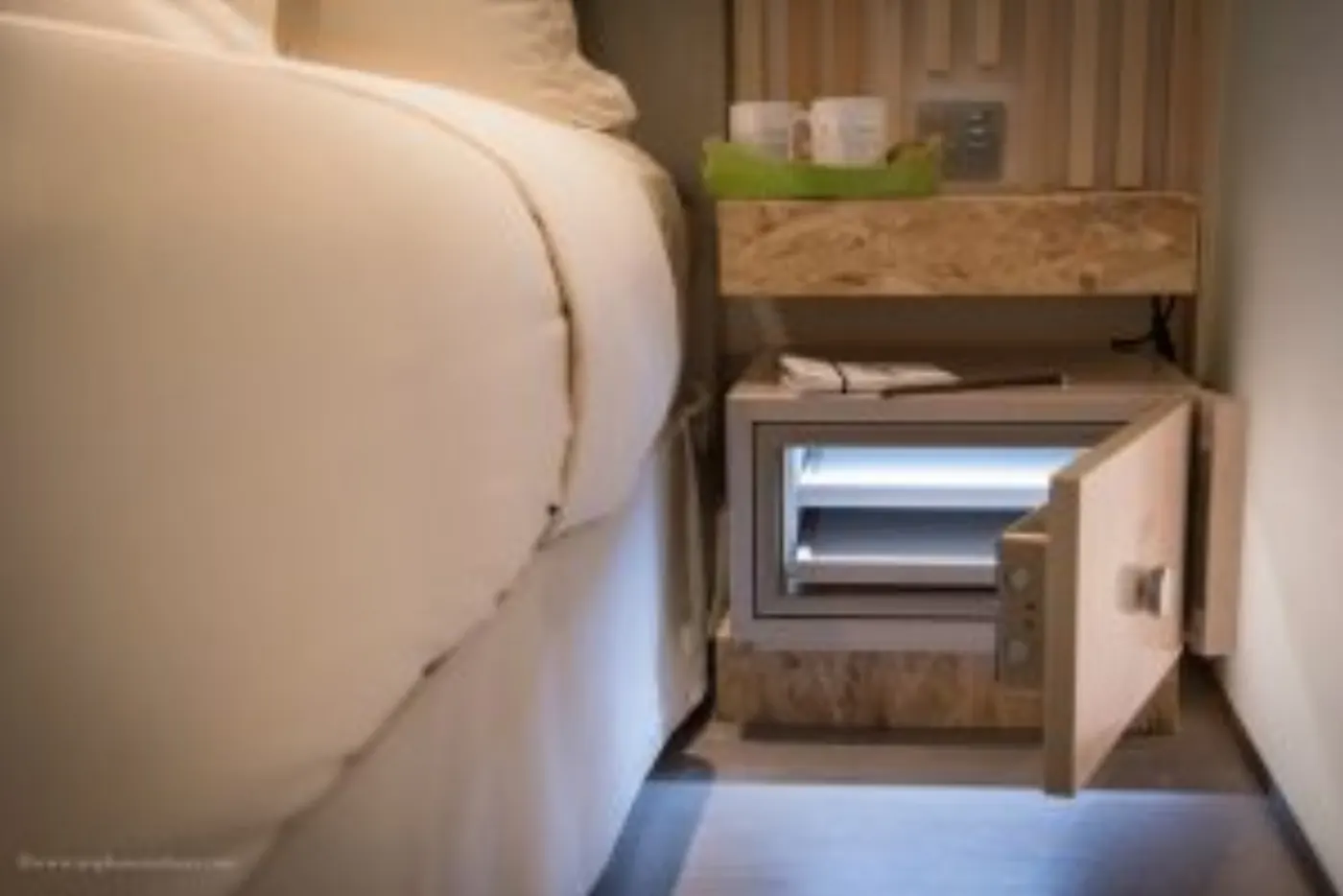
This point is central to my vision of generous hospitality. Before seeking to impress, you must guarantee the essentials: quality bedding, healthy air, controlled silence, the right temperature. These are the elements that build a memorable experience.
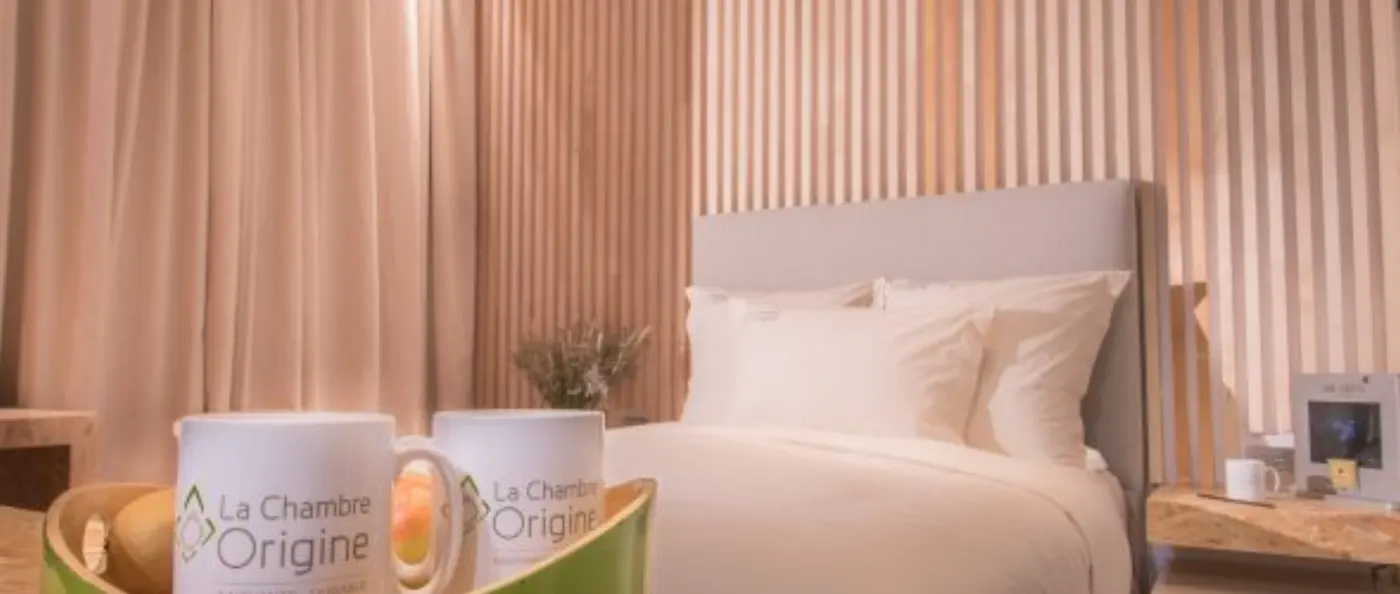
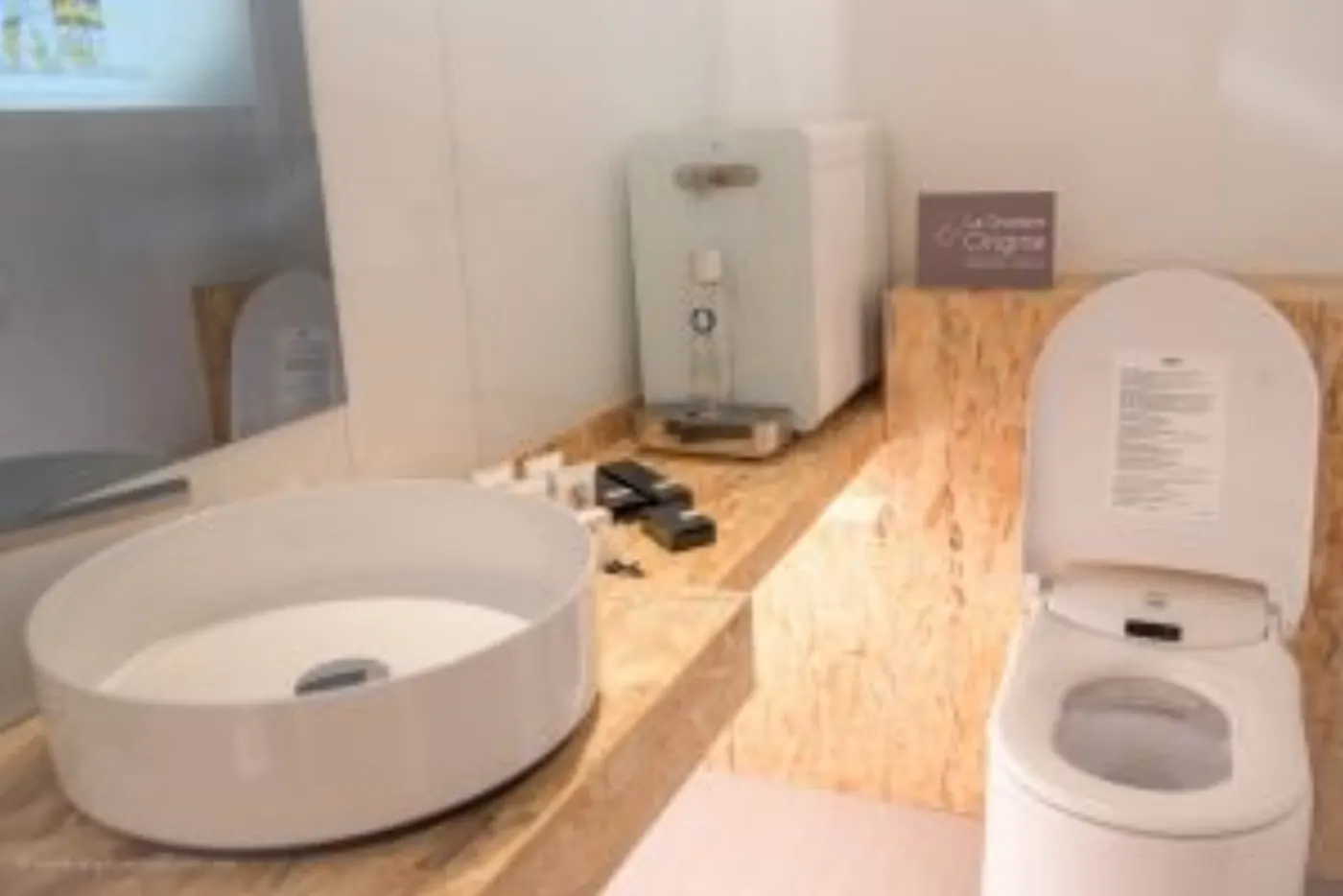
Discover the photos of the ORIGINE room, taken by hotel photographer Stéphane Michaux, a partner of the ORIGINE room.
The choice of materials is not purely aesthetic. It shapes sensory perception, thermal comfort, acoustics, and even a guest's emotional state. Returning to natural materials helps recreate a link with the environment and brings a sense of calm to the experience.
A vision: hospitality as a system
Through the ORIGINE room, I sought to demonstrate a deep conviction: the guest experience cannot simply be declared, it must be built. It results from a balance between architecture, operations, design, technology and people.
This systemic approach is essential today for any ambitious hotel project. It helps avoid inconsistencies, smooth out the guest journey, and align every stakeholder around a shared vision.
Anticipating tomorrow's uses
Imagining a room in 2016 for 2025-2035 meant asking fundamental questions about future uses, lifestyles and guest expectations. These questions remain, today, at the heart of every hotel project. The ORIGINE room offers concrete, tested, experienced answers to them.
A role: supporting hotel projects
This project perfectly illustrates my role in supporting hotels: getting involved early, structuring the thinking, challenging choices, and guaranteeing coherence between vision, design and operations.
In a construction or renovation project, every decision matters. A design mistake can cost years of inefficient operation. Conversely, a project well thought through from the start becomes a lever of lasting performance.
What to remember
The ORIGINE room is not simply a prototype. It is a demonstration: that it is possible to think about hospitality differently, starting from people, integrating environmental issues, and anticipating future uses.
It also reflects the way I work: observe, analyse, anticipate, structure and support. Every project is an opportunity to create meaning, improve the experience, and generate value.

Today, the hotels that succeed will be those able to go beyond aesthetics to build a genuine experience. That requires a vision, a method, and a fine understanding of human behaviour.
It is precisely in this spirit that I support investors, architects and hotel management teams: turning an idea into an experience, and an experience into performance.

Share this article with a colleague, a client or a partner.
That is often how an idea enters a house, and then its habits.
What you say about it matters more than what I say.
A keynote, a mission, an article in the magazine: if my work has been useful to you, a few lines on Google are worth more than any argument.
Leave a review on Google →