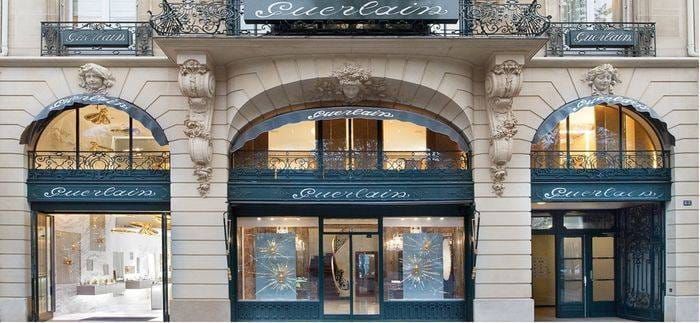
In the world of luxury, certain houses outgrow their original trade to become true cultural references. Guerlain is one of those institutions able to cross the eras without ever losing its identity. Founded in 1828, the House has established itself as a symbol of French craftsmanship, where an obsession with detail meets a global vision of the guest experience.
But at a time when luxury is reinventing itself under the pressure of globalization and new client expectations, an essential question arises: how does a historic house evolve its art of welcome without distorting it? How do you translate a heritage into a contemporary experience, especially in a setting as sensitive as a hotel spa?
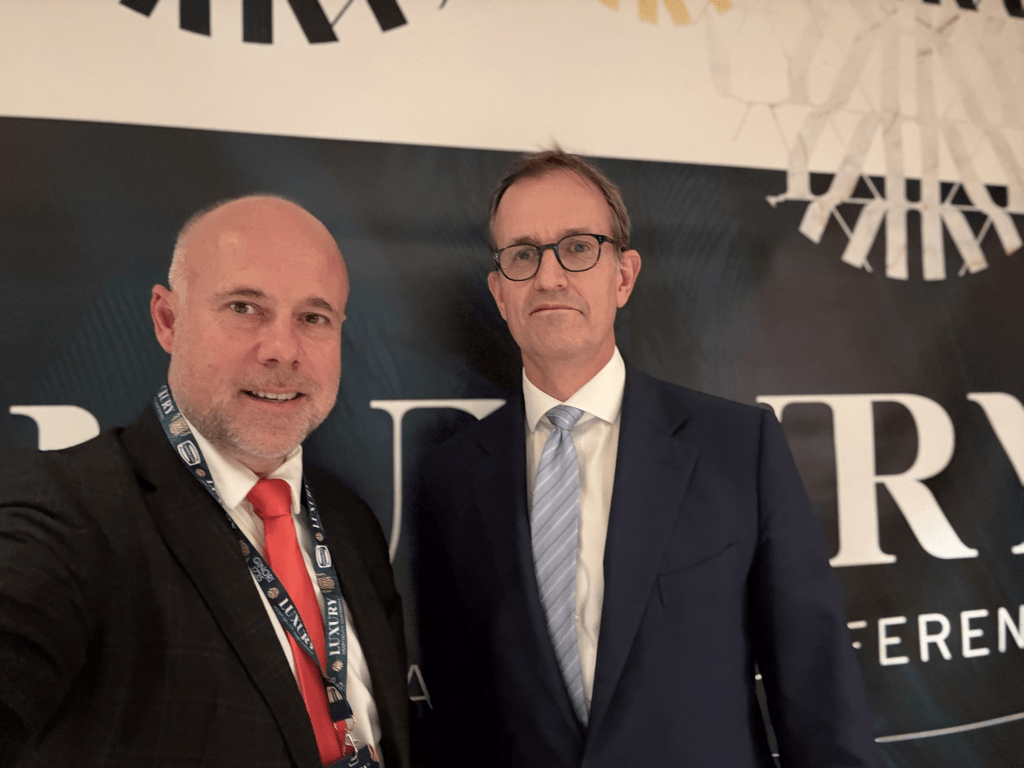
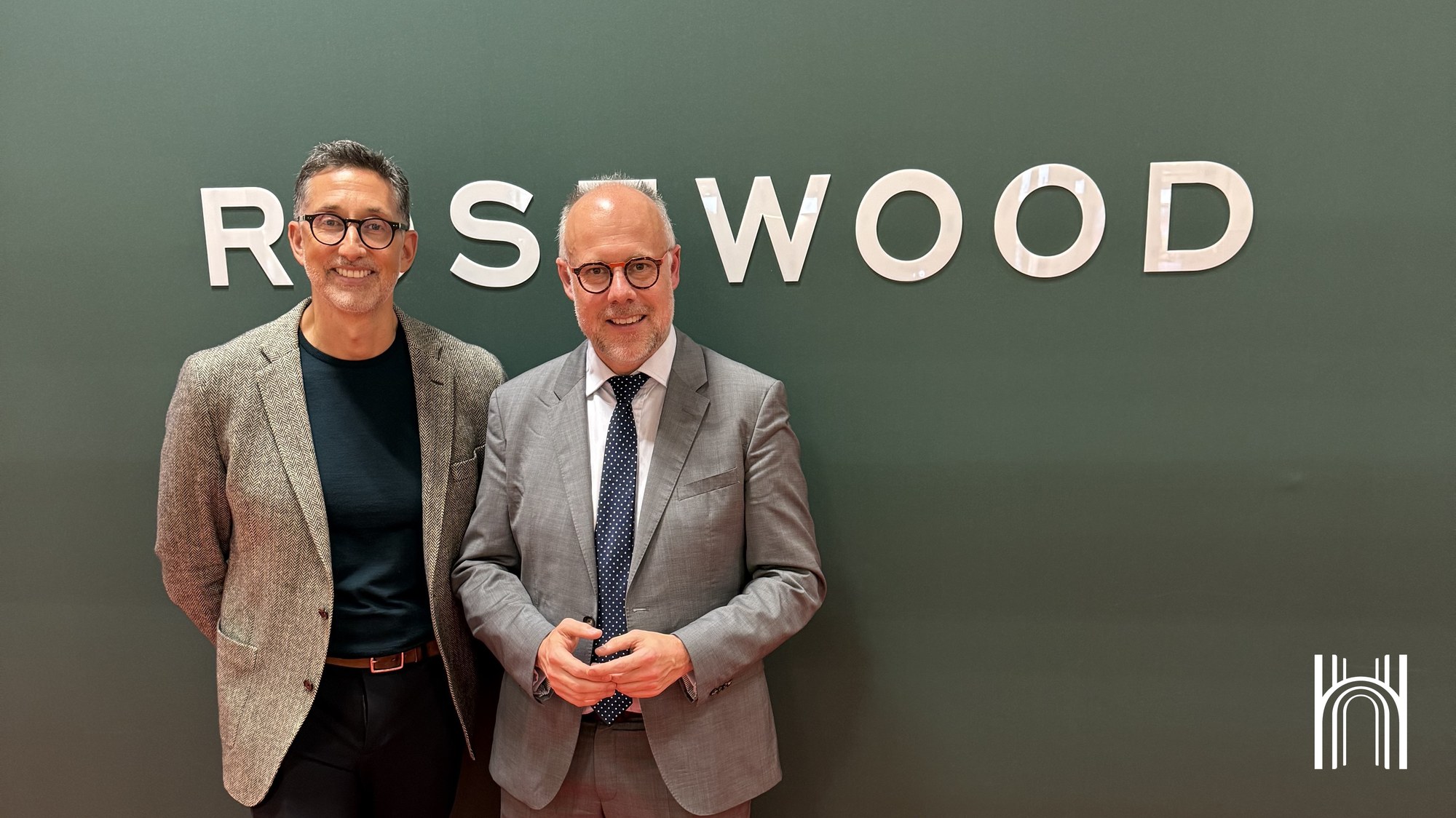
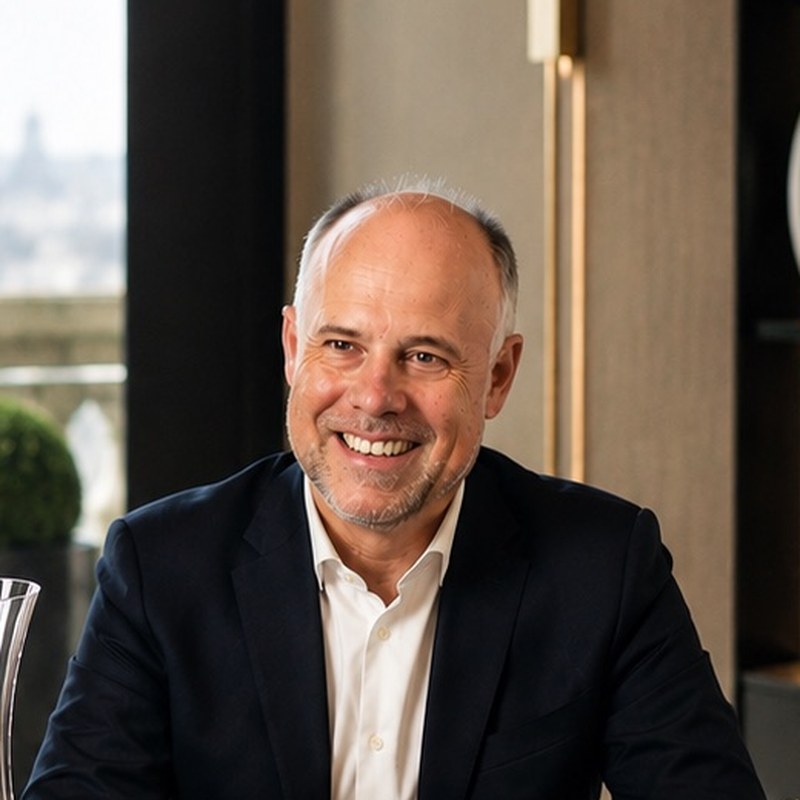
It was in this context that I met Louis de Vilmorin, International Director of Institutes & Spas for Maison Guerlain, at the Forum Hotel&Spa held at the Four Seasons Hotel George V in Paris. What emerges from our conversation is a precise vision: one where gesture, place and meaning must remain perfectly aligned.
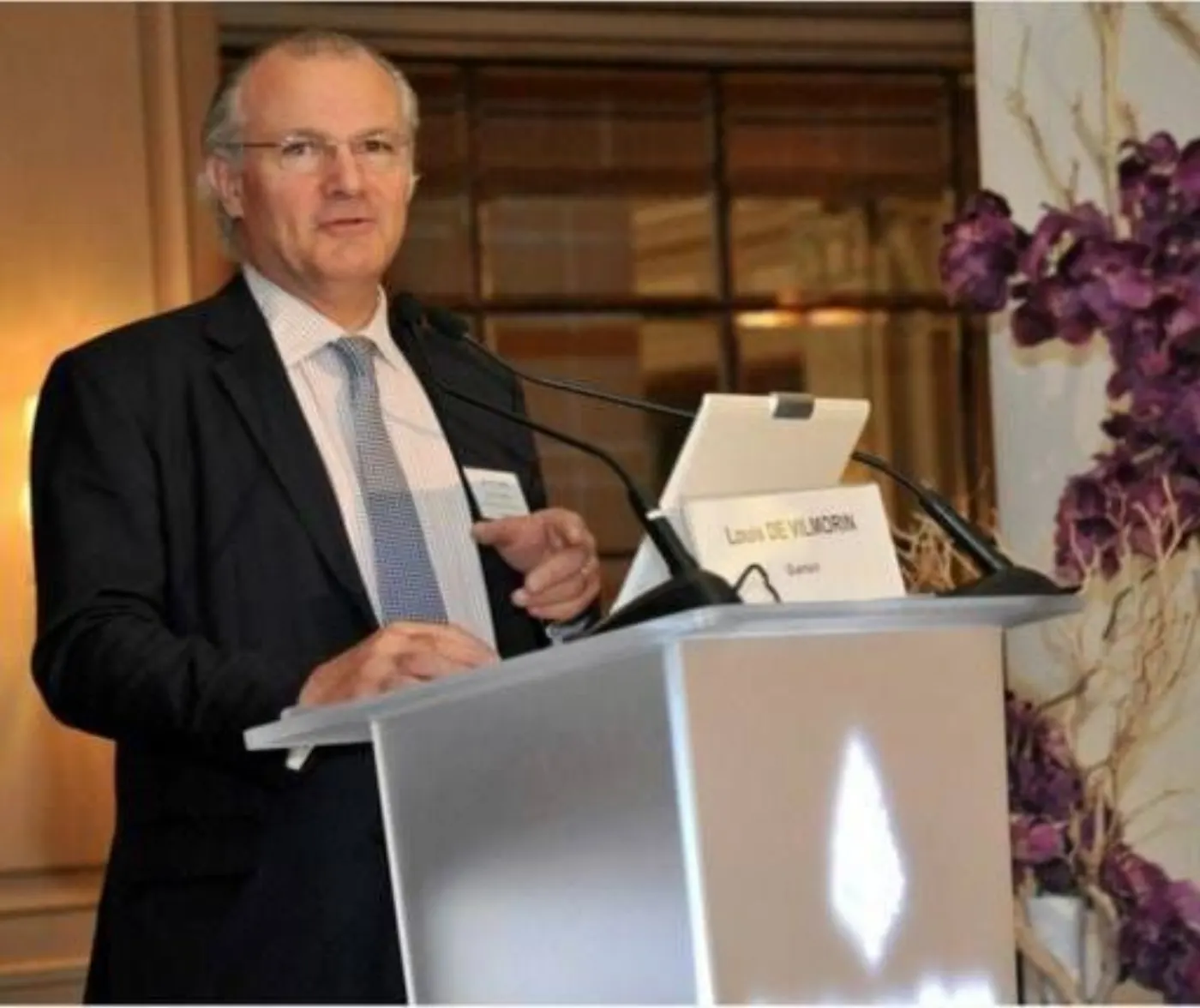
I met Louis de Vilmorin, International Director of Institutes & Spas at Guerlain, at the Hotel and Spa forum held on June 19 at the George V Four Seasons hotel in Paris. It is a fascinating forum where professionals from across Europe come to hear international experts share their know-how and unique experience. I had the chance to visit Maison Guerlain's iconic address on Avenue des Champs-Élysées. It is a magnificent space, steeped in history, waiting to be discovered. I encourage you to see it for yourself and to talk to one of the hostesses, who will happily tell you about Guerlain. It is truly fascinating.
How is the French art of welcome adapting to the 21st century in an international luxury market? How have you developed it across your different spas? What ancestral Guerlain know-how have you reinterpreted in your spas?
The art of welcome is woven into the client's entire experience, from the first phone call to being shown out of the Institute's door. That is exactly the case at our Maison Guerlain institute at 68 Avenue des Champs-Élysées, entirely renovated by architect Peter Marino and reopened last December after eight months of work.
Architecturally, we recreated a stunning reception salon, which allows us to truly showcase this very French art.
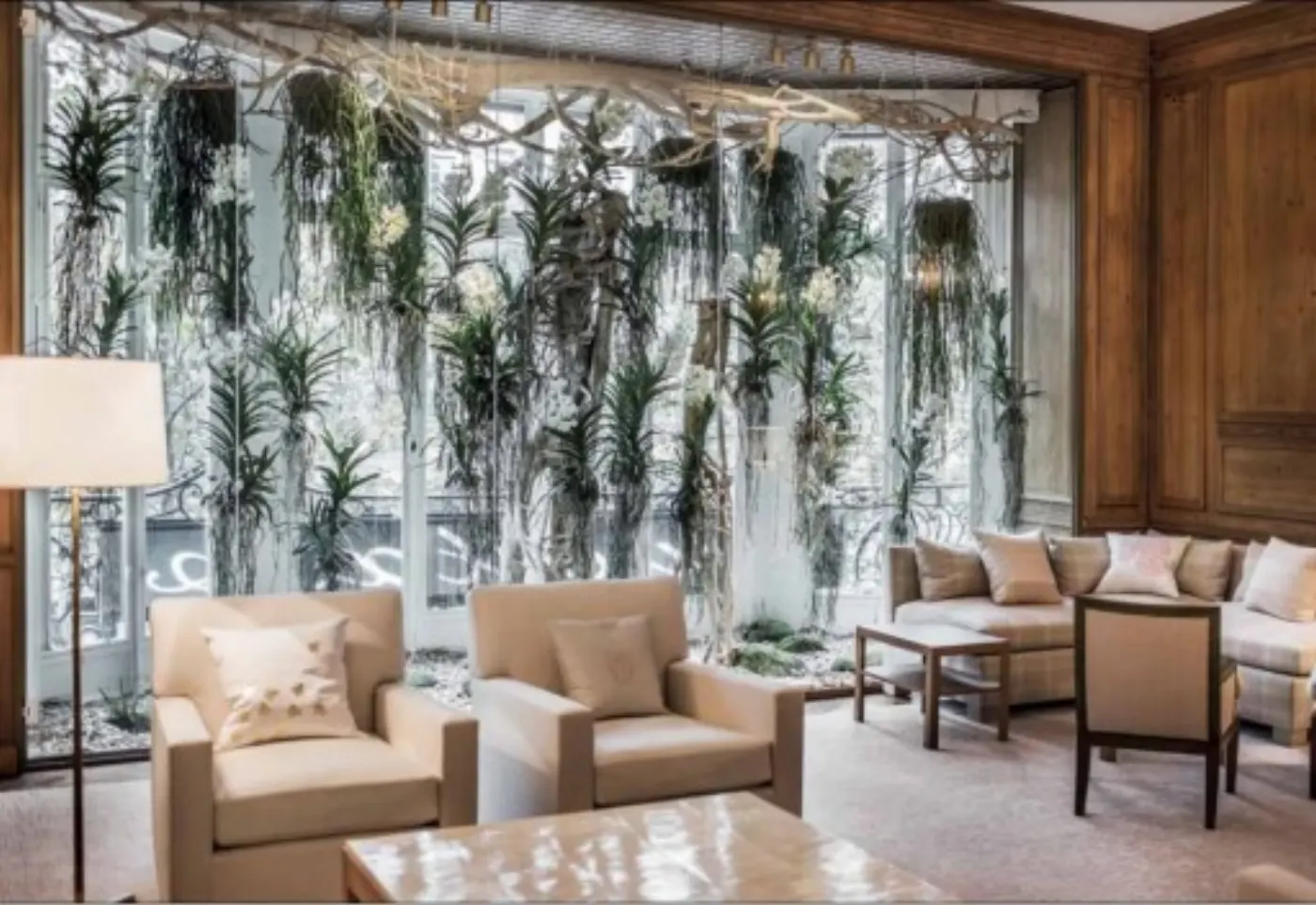
But rather than reinterpreting an ancestral know-how, we chose to create a magnificent orchid wall to express Guerlain's commitment to sustainability and to our nature preservation programmes: protecting orchids in Yunnan, protecting the black bee on the island of Ouessant.
What defines your spas in terms of construction and design? How do you select the architects who design them? How do they embody the spirit of your brand?
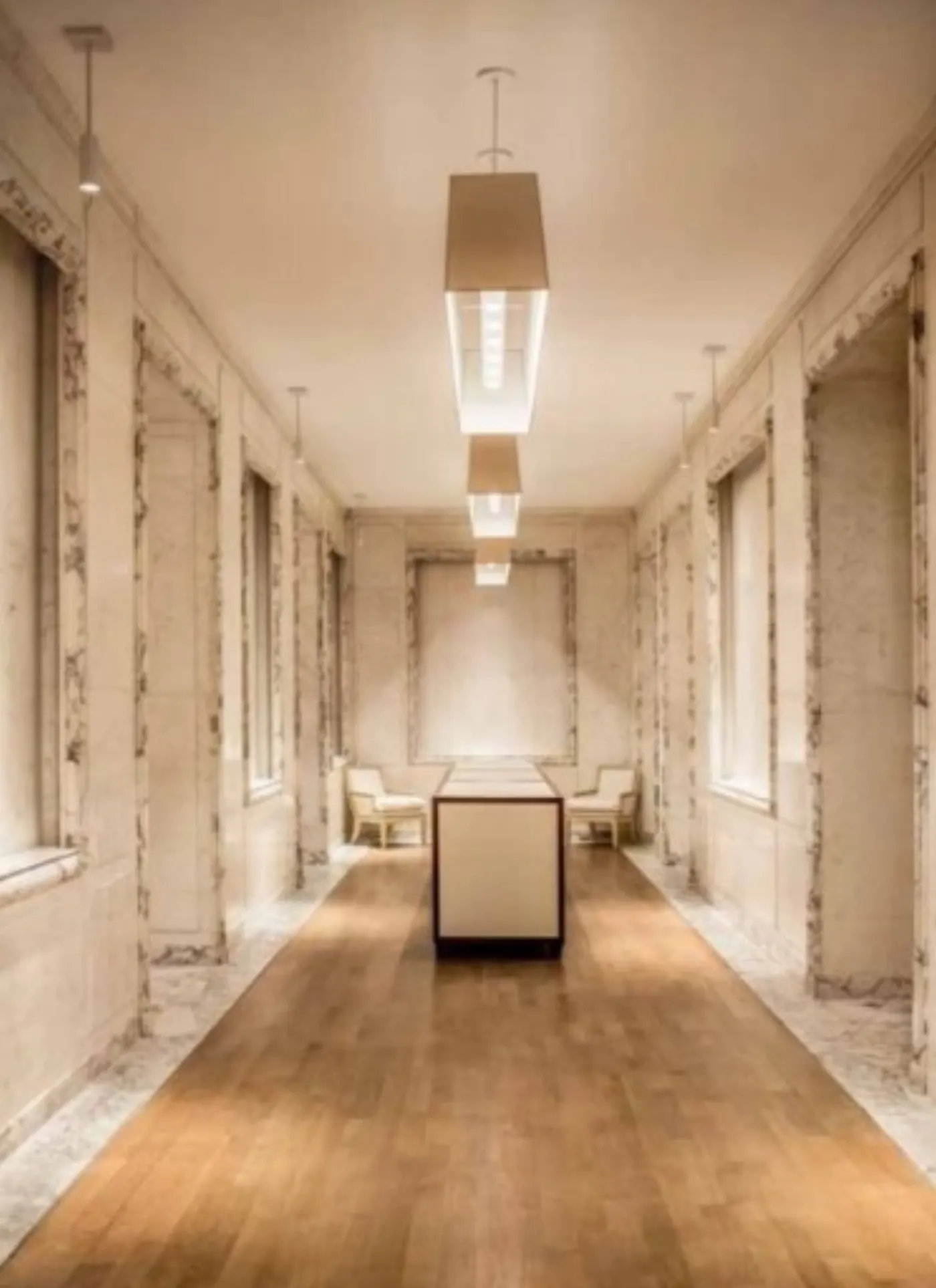
The design of the Institute is signed by Peter Marino. He used very noble materials combined with very delicate finishes. The tones are warm yet remain very light and bright, avoiding the desperately clinical white of so many institutes or spas.
Each of our spas is different, and we absolutely wanted each one to be architecturally coherent with the hotel itself and its environment. Our New York spa is stunning in the eyes of Americans, but looks nothing like the one we developed at Randheli, in the Maldives. It is the hotel owners who choose their architect, and they generally call on local talent. They often set them a single goal: to create the most beautiful hotel, or the most beautiful spa, in their city.
You have several spas in luxury hotels (Hôtel du Palais, Cheval Blanc Courchevel, Trianon Palace, Saint James). Do you have plans to open in hotels in France or internationally? How are such partnerships put in place (timelines, how it works, and so on)?
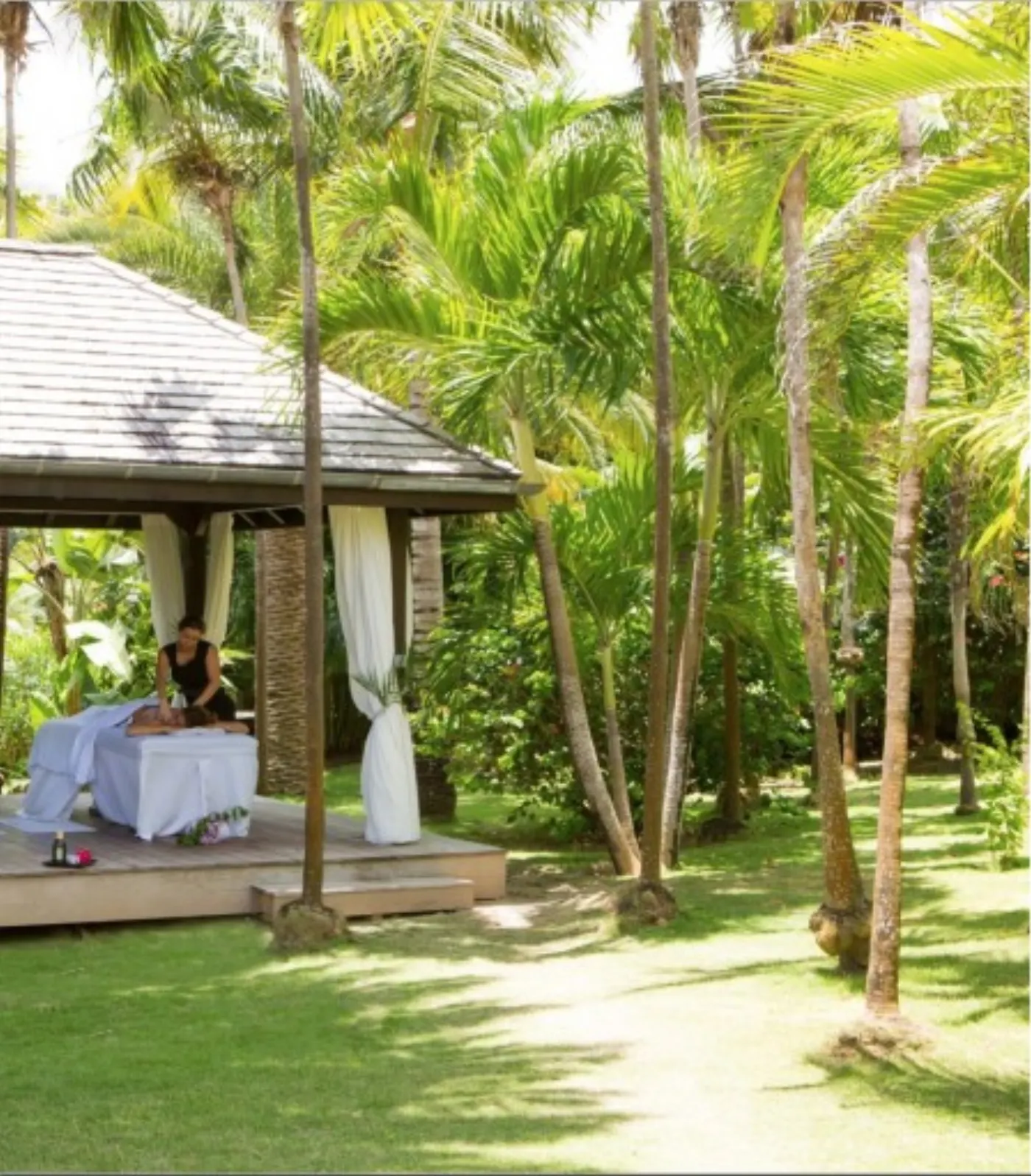
Guerlain only wants to open exclusive partnerships, for spas located exclusively in world capitals and in iconic hotels or extraordinary palaces. We reserve our resort openings for Cheval Blanc, which continues to grow: our next opening, this month, is with Guerlain, at Cheval Blanc St-Barth.
What to remember
Through this vision carried by Maison Guerlain, one reality stands out: hospitality in luxury can no longer be thought of as a simple accumulation of standards. It becomes a subtle construction, where every element, from design to welcome, from treatment to environment, contributes to one coherent, global experience.
What is striking here is the ability not to freeze a heritage in place. Guerlain does not try to reproduce the past; it interprets it with precision, adapting to places, cultures and contemporary expectations. This approach is especially visible in spa development, where every project becomes a unique response to a given context.
In my reading of hospitality, this capacity to adapt is essential. It allows for the creation of sincere experiences, aligned with the place and meaningful for the guest. It is precisely in this balance between heritage and reinvention that the hospitality of tomorrow is being built today.
More than a know-how, it is a posture. And undoubtedly one of the keys to enduring in an increasingly demanding luxury market.
Share this article with a colleague, a client or a partner.
That is often how an idea enters a house, and then its habits.
What you say about it matters more than what I say.
A keynote, a mission, an article in the magazine: if my work has been useful to you, a few lines on Google are worth more than any argument.
Leave a review on Google →