
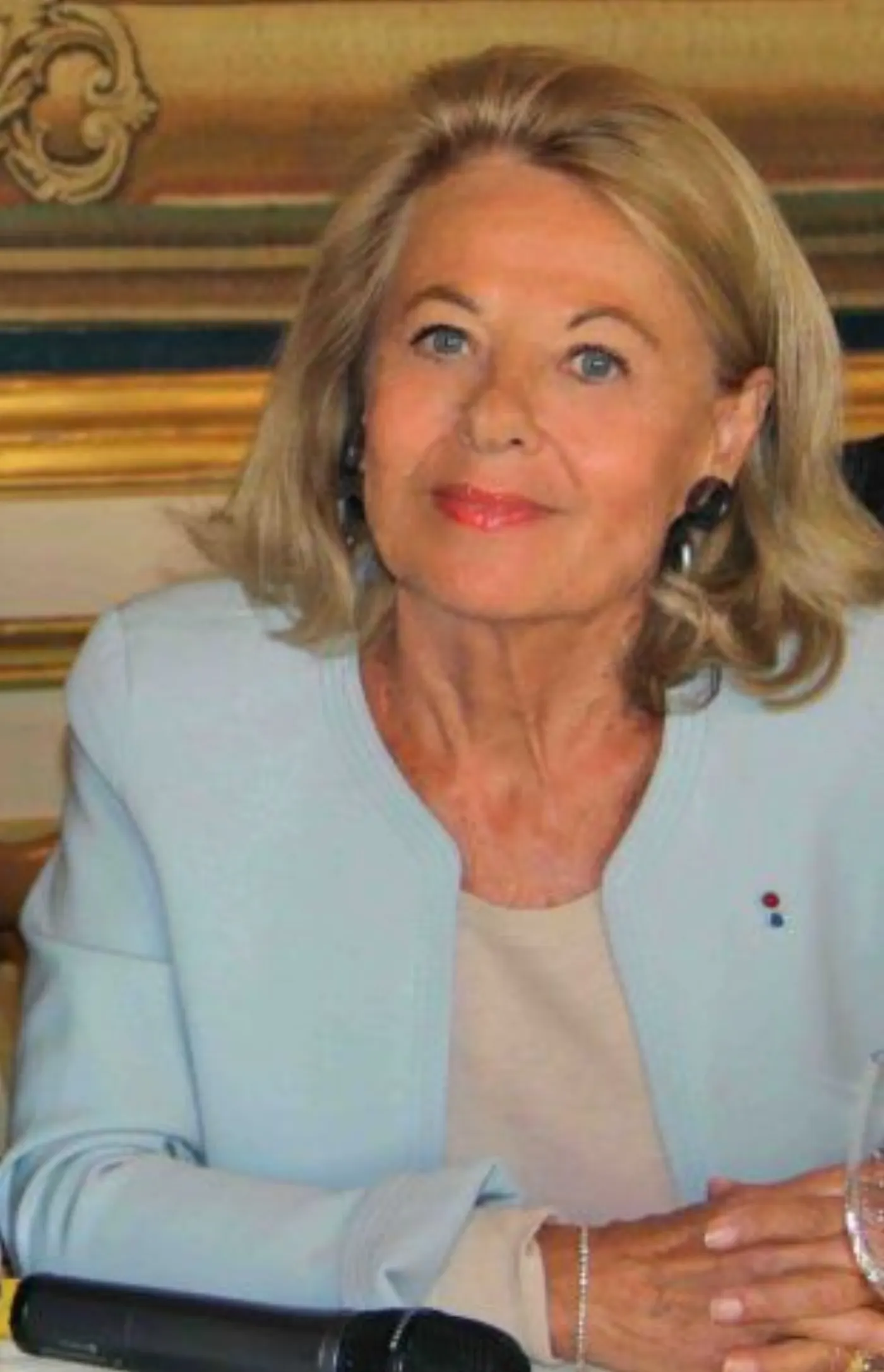
Sophie de Menthon, president of the Mouvement ETHIC (Entreprises de taille humaine, indépendantes et de croissance), is a leading expert on the essential subject of savoir-vivre and savoir-être, notably through the lens of customer relations, as explored in several of her best-selling books.
It is therefore with ease and genuine passion that she speaks about the French art of welcoming. A myth, a promise, a fragile heritage, but one that is well worth defending.
'Luxury lies in the most insignificant details, not in the display of a rich, vulgar abundance.'
Sophie de Menthon
What makes this art of welcoming so special?
First of all, it is a radiant culture, that of literature, where the reader learns courtesy and elegance. It is also a triumph of tradition and transmission, notably through table etiquette, where every sense is elevated: taste, smell, sight and texture. The beauty of crystal or porcelain tableware matters just as much as the decoration of the room or the content of the plate, for example. Yet this strength of French heritage also relies on a certain rigour and savoir-être, to which Madame de Menthon is particularly attentive.
The decline in dress standards, which she has observed in luxury hotels and especially in their restaurants, is for her a threat to the survival of hospitality in France. Culinary art and French refinement in architecture, wellbeing and customer relations are all part of a discipline that must be preserved to keep alive this precious myth of the French art of welcoming, and this discipline lives in every detail.
The promise of the French art of living: a myth that still captivates
France is historically a country with strong relational skills, open and welcoming, qualities that must be cultivated, since they are never guaranteed forever. Today, the welcome given to tourists in our country is no longer perceived as well as it once was, and the French are sometimes seen abroad as haughty and unwelcoming. For Sophie de Menthon, it is up to each of us to help change this image and take care to uphold savoir-vivre. Speaking English, taking care of one's guest with simplicity and authenticity, is the foundation for French hospitality, whatever the standing of the clientele. Social contempt is the greatest rudeness of all and is never justified, especially not in luxury. The customer, whatever their social class, remains king and must be served accordingly.
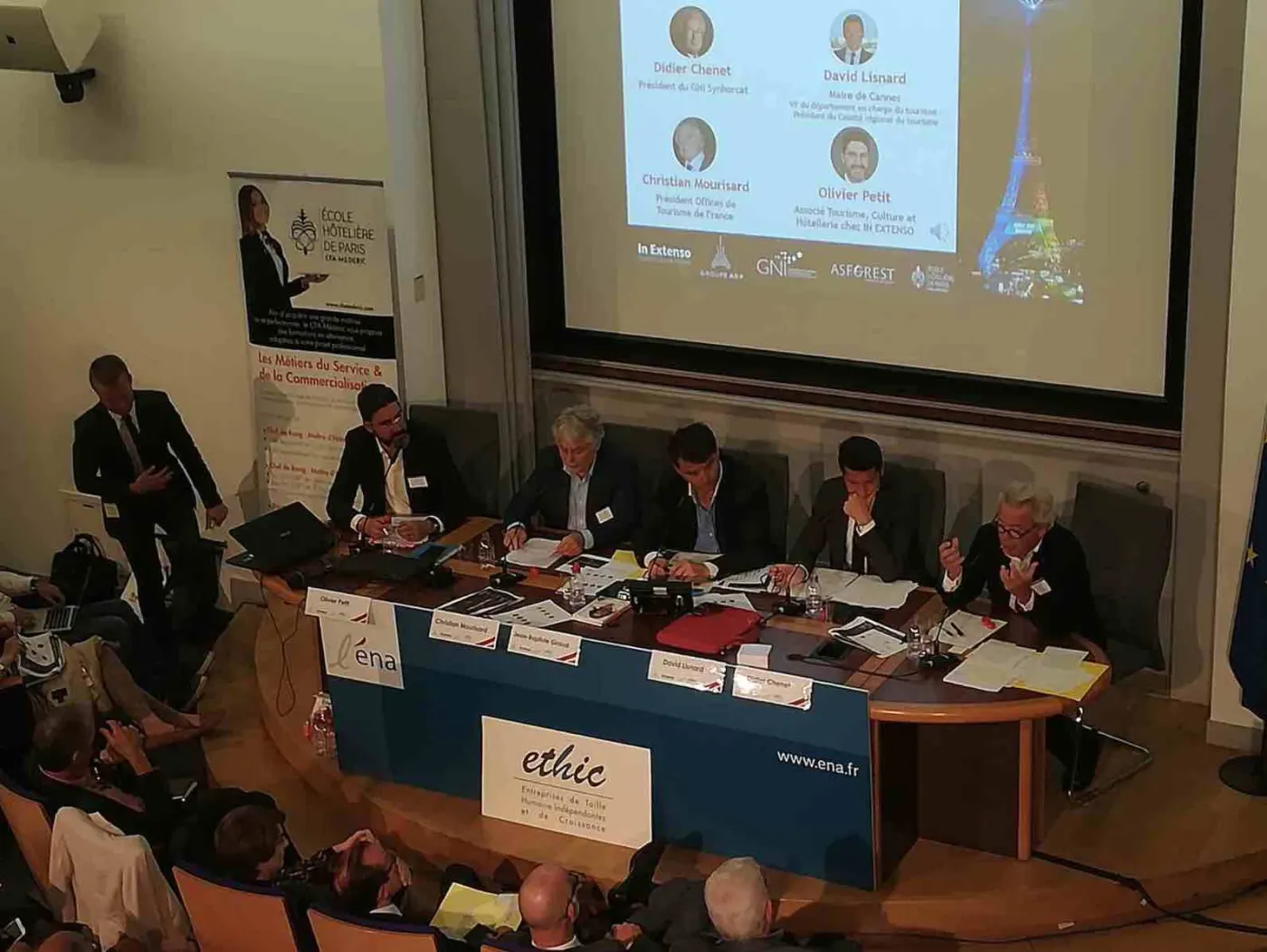
The promise of our art of living also depends on our cities and infrastructure, which must be kept clean, easy to access and modern in order to keep attracting tourists and encourage them to spend more in our regions, notably by extending their stays in our hotels, since our main visitors are our European neighbours. Despite missteps and criticism, the promise of the French art of living remains very much alive and is a considerable strength for our country. To make the most of it, we still need to improve our service and listen to customer expectations while preserving our heritage. This year again, France remains the world's leading tourist destination, with 83 million visitors.
What can France still export?
We are fortunate to still have a very strong 'France' brand that continues to attract tourists from around the world. This is a great opportunity to strengthen our image of refinement, culture and gastronomy, and to justify it to our visitors through customer service. Tourism is, and must remain, a supply-driven economy, and our tourism offer comes from the heritage we already have. This is the heritage France can export, because it is rich and diverse. Indeed, our country must sell itself through the full diversity of its heritage: there is no single 'destination France', but a destination Provence, a destination the Alps, a destination Normandy, and so on.
France can also export its excellence and discipline, which is why they must be preserved. Elegance, refinement and quality of service also depend on internal rigour, notably through an appropriate dress code, for staff and guests alike.
What examples of refinement and savoir-être can inspire us?
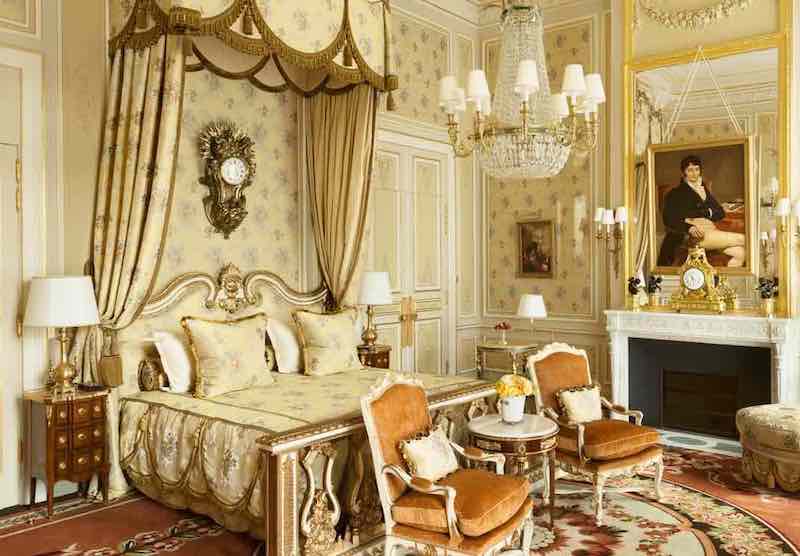
Refinement lies in small things. For example, the dignity and joy of service with a smile, as the people of Mauritius know how to deliver. It inspires incredible respect, and guests remember the Mauritians: they ennoble themselves through service. There is also the courtesy of the Ritz's chambermaids, always so genuinely pleased to see you. Or the Hôtel du Cap-Eden-Roc in Antibes, a beautiful place where your suitcase is unpacked, your clothes put away in the wardrobe before you even enter your room, and your suitcase repacked with tissue paper on the day of departure. These are the small touches that shape the guest experience and make the art of welcoming unique and unforgettable.
This is what the French art of welcoming is also about: a shared desire to surprise, to astonish, to delight, to please, and to make the moment of an encounter unforgettable, with excellence, tradition, lightness and this unique savoir-être, which is not entirely lost.
Share this article with a colleague, a client or a partner.
That is often how an idea enters a house, and then its habits.
What you say about it matters more than what I say.
A keynote, a mission, an article in the magazine: if my work has been useful to you, a few lines on Google are worth more than any argument.
Leave a review on Google →