
The Art of Welcome in a Restaurant: When Gastronomy Becomes an Emotional Experience
In fine dining, the art of welcome can no longer be reduced to the quality of what is on the plate alone. Today it belongs to a global approach to the experience, where every detail, from service to design, from culinary storytelling to the emotion it stirs, helps create value.
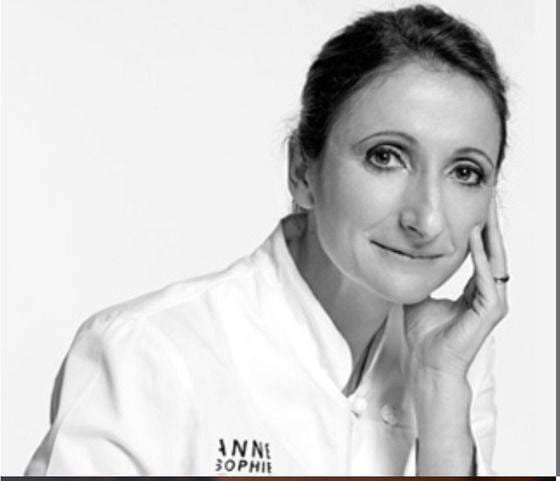
In this interview conducted during the Fête de la Gastronomie, Anne-Sophie Pic shares a demanding, deeply human vision of French hospitality. A vision that sheds light on the contemporary challenges of dining out: how do you turn a meal into a memorable moment, one that truly stays with the guest?
This reflection fits fully within a strategic reading of hospitality, where the experience becomes a lever for performance, differentiation and loyalty.
How do you define the French art of welcome? How is French gastronomy connected to this art of welcome?
I associate the word gastronomy with pleasure and taste. I was lucky enough to be born into a family where we ate for pleasure. I have many moving memories of family meals, where everything was an excuse to discover new sensations and flavours. That is the emotion I try to translate into my cooking and to give to my guests. A meal in my restaurant has to be a unique, magical moment, outside of time. I find it wonderful that a meal is fleeting, in a society that is sometimes a little too focused on possession. Of that moment at the restaurant, the guest keeps nothing but memories. My job is to make sure those memories are unforgettable, that they become a moment of eternity. That responsibility is both magnificent and terrifying!
But it is a responsibility carried by a whole team, and that is what is so wonderful about my job: first and foremost, the complementarity between the kitchen team and the dining room team. In the dining room, the team is in direct contact with guests, true ambassadors for the chef working behind the scenes. The quality of the relationship built from the very first welcome is part of the experience itself. The guest truly has to feel unique. Beyond these human qualities, the dining room staff also need a very good knowledge of the produce and of the chef's cuisine, so they can speak about it intelligently. That effort to explain matters enormously to me, because it helps guests understand my culinary intention. Beyond the emotion I am trying to create, I am, in a way, showing my own vision of the world. That is why I introduced, in my gastronomic restaurant, a menu built around explanatory cards. Each card tells the story of a dish, from the idea to its realization, explains why I paired one flavour with another, and what I wanted to express through that dish. Guests are, of course, free to read these cards or not, when choosing their menu, while tasting their dishes, or at the end of the meal. It is up to them to make of it what they will.
The art of welcome also comes through the coherence between container and content. Tableware design is a key element of the experience. The tableware I use in my gastronomic restaurant was created by C+B Lefèbvre and Raynaud. They created, for example, a slightly raised plate to enhance the role of smell in tasting.

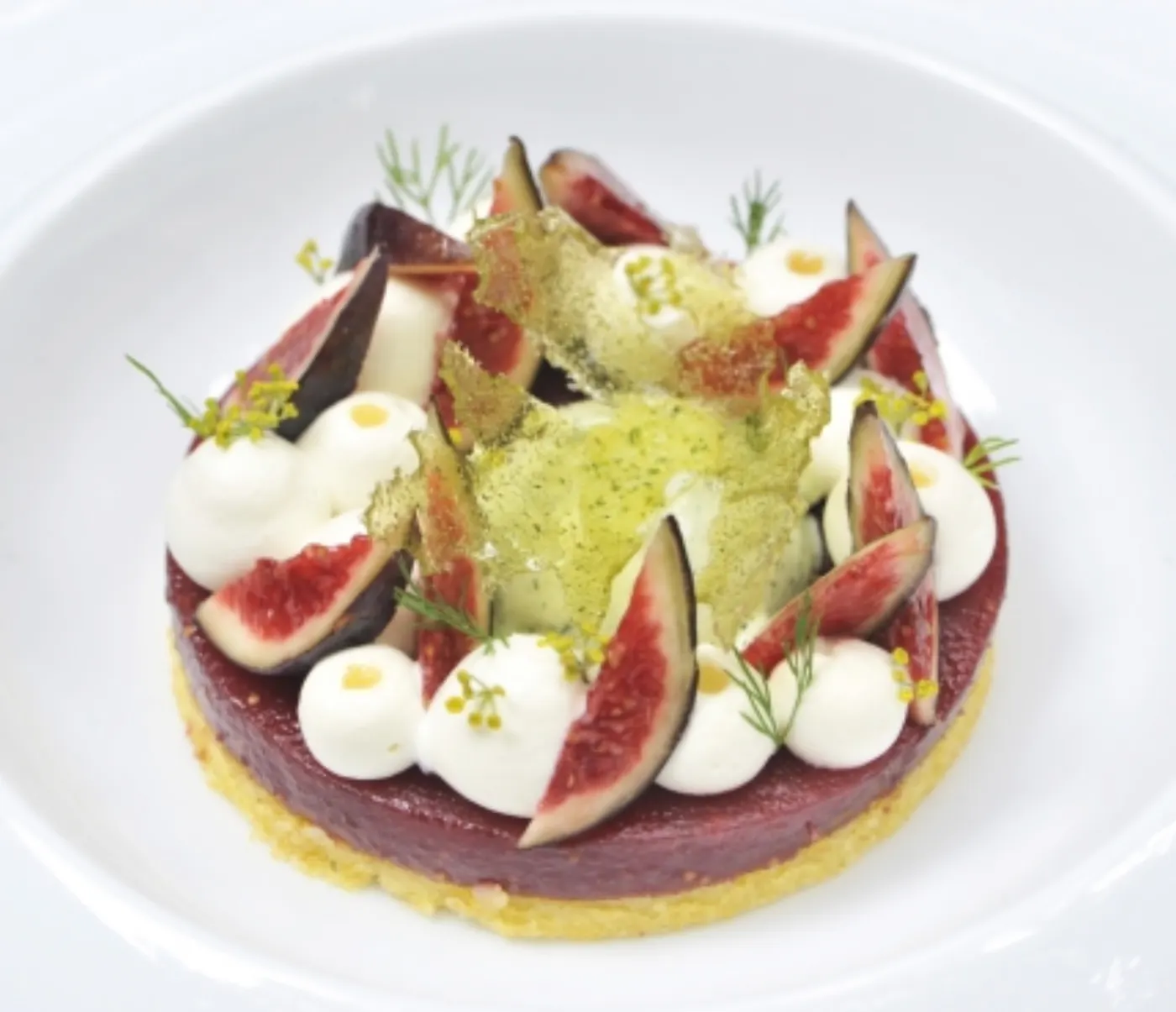
What are the keys to success for a restaurant that wants to give its guests the finest possible experience?
I do not have a magic recipe! I would say that, first and foremost, you have to be sincere in your approach. That is what guarantees the coherence of the experience.
Living an experience, that is my promise to the guests of my restaurants. A culinary experience, certainly, but not only that, because how a meal is appreciated depends enormously on the place and the context in which it happens, and on the people with whom it is shared. There is, of course, the culinary experience itself, which is multisensory and calls on all five senses, starting with taste, since taste is the synthetic, global sensation, the sense through which we perceive the flavour of a dish. But to work fully, it needs to be joined by the other four, especially sight and smell, which play an essential role in anticipating flavour.
This culinary experience takes shape within the restaurant itself. That inevitably shapes how it is felt and remembered. My dining room is built around a magnificent Baccarat crystal chandelier, which defines three spaces lit by large bay windows overlooking the gardens. Three atmospheres, but a single common thread: very feminine colour codes, grey and powder pink, details recalling the house's history, Japan, a country I am deeply attached to, the presence of plants, a hushed and understated take on refinement. Beyond the decor, I care deeply about service. While the days when the maître d' would carve meat and fish in front of the guest may be behind us, I still believe there is room for a certain kind of life in the dining room. For instance, I finish the sauce for one of my dishes (the Tarbouriech oyster) at the table, using a Chemex. I realized that demonstrating the Chemex in the dining room helped guests understand this dish, which is quite a radical one, far better.
In the same way, the culinary experience takes shape alongside the people you share the table with, friends, family, colleagues, and they, too, shape how the moment is appreciated.
In other words, the sense of pleasure depends on social, emotional and cultural context. Hence the importance, for a restaurant, of creating the conditions in which emotion can emerge. Because a chef's job, first and foremost, is to create emotion, to spark desire and curiosity, and above all, pleasure!
What to remember
Through this vision, Anne-Sophie Pic points to an essential truth: the art of welcome in a restaurant rests on a subtle alchemy of sincerity, technical mastery and intelligence about the experience itself.
Gastronomy is not limited to culinary know-how. It becomes a language, a staging, a dialogue between the chef, the team and the guest. The emotion sought does not come from the plate alone, but from the overall coherence of the place, the service and the shared moment.
In a context where guest expectations are evolving fast, this approach offers a valuable lens for professionals: think of the experience as a system, a system where every element, human, sensory, spatial, helps create meaning and value.
That is undoubtedly where the true modernity of the art of welcome lies today: in its ability to remain deeply human while answering the contemporary challenges of performance and differentiation.
Share this article with a colleague, a client or a partner.
That is often how an idea enters a house, and then its habits.
What you say about it matters more than what I say.
A keynote, a mission, an article in the magazine: if my work has been useful to you, a few lines on Google are worth more than any argument.
Leave a review on Google →