Long relegated to the status of an expected amenity, the spa is undergoing a profound transformation. It has become a strategic tool capable of influencing revenue per available room, brand image and internal culture.
When a hotelier invests in a spa without ever deciding what he really wants from it, the result is predictable: an under-utilized space, mounting fixed costs and a missed opportunity for differentiation.
At a time when hotel business models are becoming more complex, pressure on margins is intensifying and differentiation is becoming fragile, spas deserve to be looked at with the same rigor as an accommodation department or a signature restaurant. A hotel that invests in a genuine spa strategy sends out a clear message: it takes care of its guests beyond their stay.
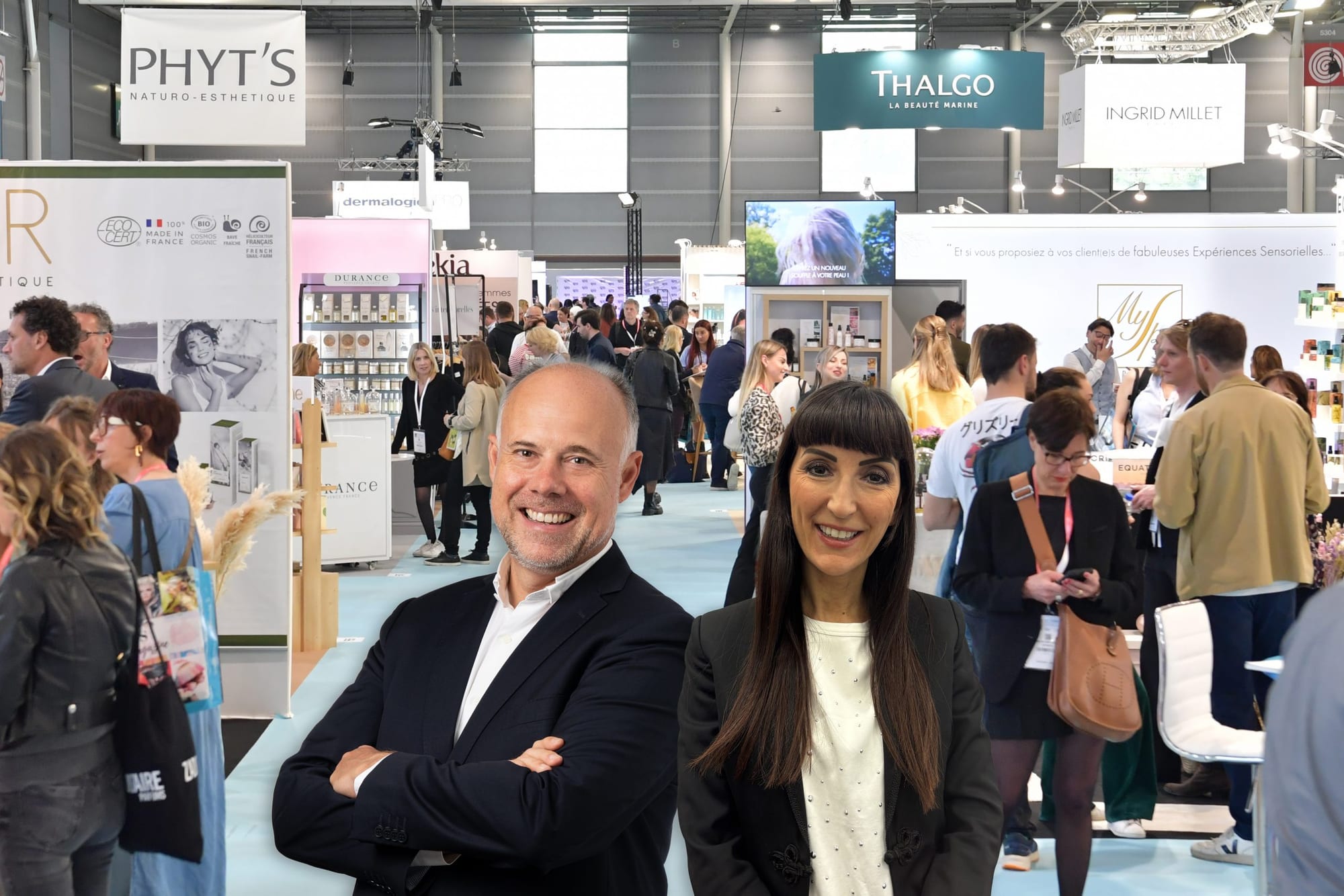
It’s this transformation that will be highlighted by the Spa Village, which will take place at the International Esthetics & Spa Congress at Paris Expo from April 11 to 13, 2026. This event, organized by Spa de Beauté (the benchmark media for spa decision-makers), will provide a forum for reflection on how to transform the spa into a performance lever for hotels.
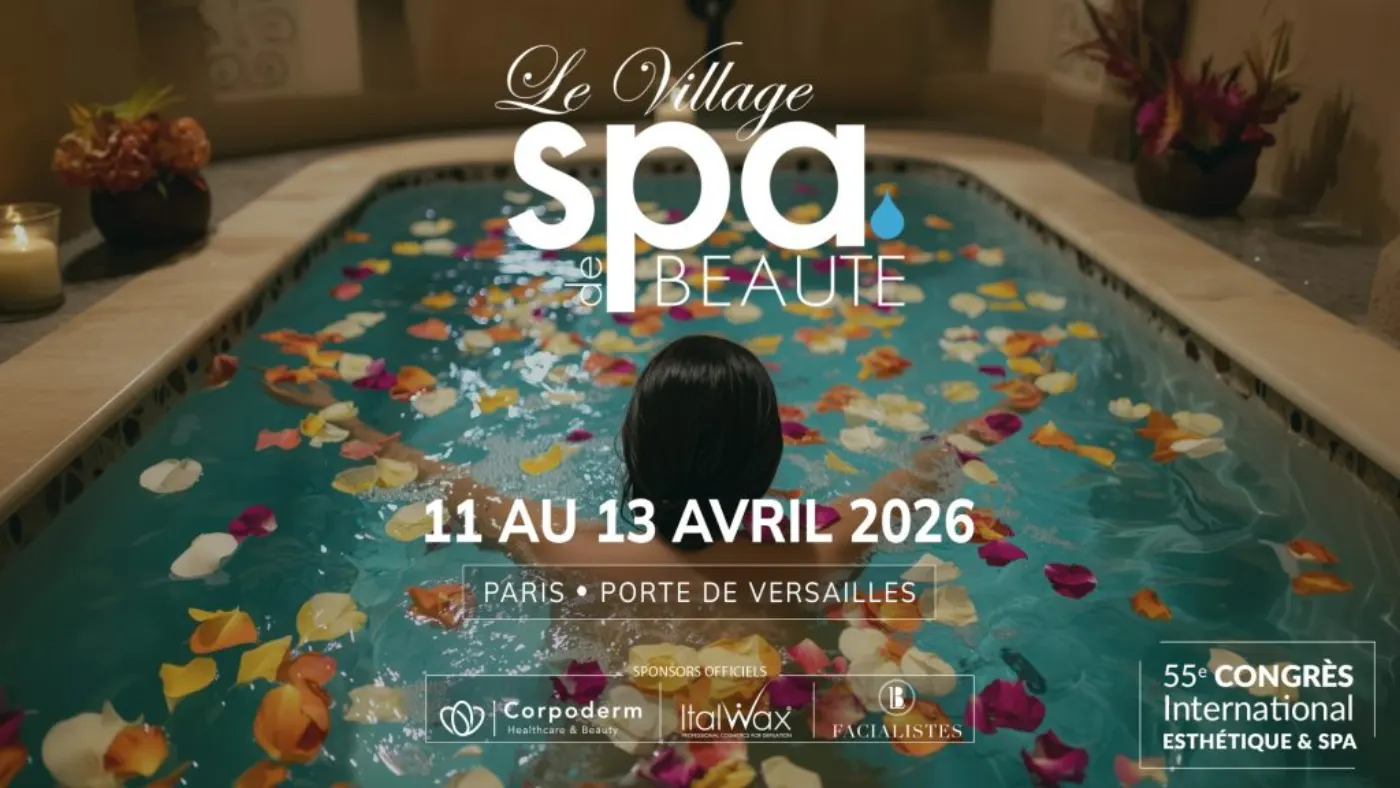
A paradigm shift
For years, the presence of a spa was an implicit market expectation: a five-star hotel had to have one. The question of its real contribution to operating income or asset valuation was rarely asked in depth. The spa operated in parallel with the hotel, without being fully integrated into its strategic positioning.
In an increasingly competitive hotel market, where differentiation can no longer be based on design or location alone, the spa becomes a territory of identity. It tells of a vision of care, time, body aesthetics and relationships. It structures the emotional experience of the stay. This intangible dimension, when thought through coherently, has a direct impact on the perceived value of the establishment.
A stay in a hotel should be synonymous with rejuvenation, and whatever the star rating, spas are becoming increasingly popular and are no longer just the preserve of luxury hotels.
Hotel managers, investors and operators are beginning to approach the spa with the same analytical rigor they apply to catering and accommodation. From now on, the spa must be economically justified, fit in with the establishment’s positioning and contribute to its economic influence.

What your high-value customers really want from a spa
The clientele of high-end and luxury hotels, executives, decision-makers and frequent travelers with tight schedules, no longer select a hotel solely on the basis of its number of stars and its location. She’s looking for establishments that can give her back something precious: energy, mental clarity, the ability to recharge her batteries and perform the next morning.
Jet lag, the pressure of decisions, the fatigue of repeated trips, physical recovery after a long-haul flight, optimizing sleep: these are daily realities for this clientele. A spa designed specifically for her, with a range of dedicated treatment protocols, in an environment conducive to silence, becomes a direct argument of choice. Not just another accreditation, but a tangible reason to choose and return to a particular establishment.
In concrete terms, this perceived value justifies a higher average rate per night, reinforces brand preference and encourages repeat business. The hotel is no longer simply a stopping-off point; it becomes a partner in performance and rejuvenation.

” Customers travel, they know what’s going on elsewhere, they have less time, they’re well-informed about products and new products …
In short, they have become experts and particularly demanding.
Hoteliers can no longer simply have “a massage table in a basement” and call the space a spa. This is no longer possible.
Today, to stand out from the crowd, to attract customers, to increase occupancy rates, to extend length of stay, to remain attractive all year round, whatever the weather, whatever the destination, and to improve overall hotel profitability… The spa is indispensable, whatever the size or category of the hotel. ”
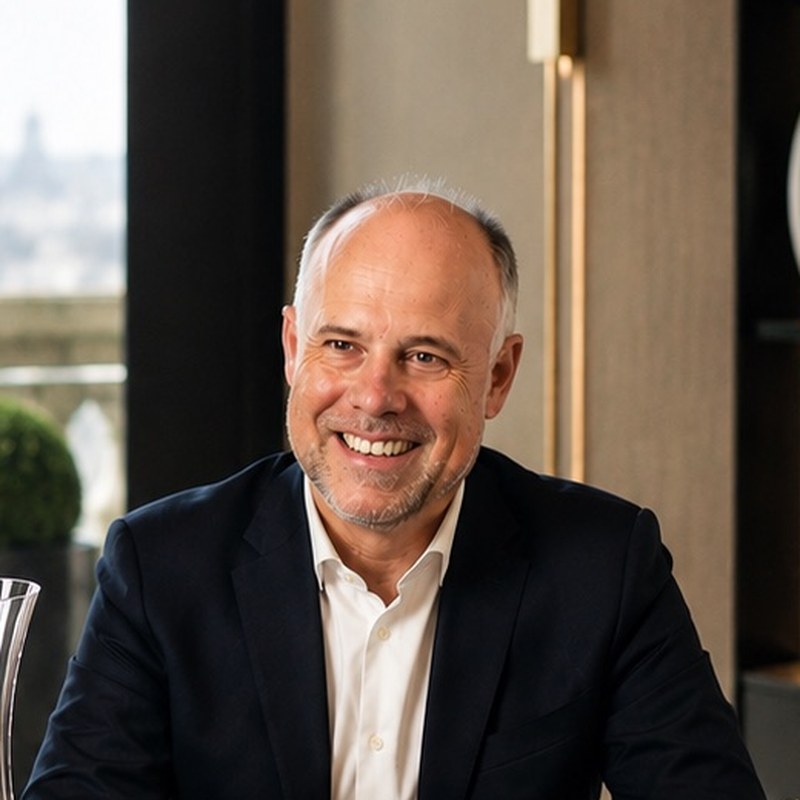
Laure JEANDEMANGE
Organizer of the Spa Village and the International Aesthetics & Spa Congress
The spa as a lever for revenue and appeal
From a financial point of view, models are evolving. The most successful establishments no longer see their spa solely as a stand-alone center that needs to break even. They integrate it into an overall revenue optimization strategy.
The financial analysis of a spa cannot be limited to the sales generated by the treatment cabins and the spa products boutique. Its influence on revenue per room is real, but often underestimated because it is indirect.
A well-designed spa increases revenue per room (REVPAR), attracts a specific clientele (wellness travelers, business, staycation …), develops high value-added packages and opens up the hotel to outside customers. It becomes a sales promotion and loyalty-building tool. In some cases, it even turns seasonality into an opportunity, by attracting customers in the off-season with targeted offers.
Conversely, a spa that is poorly sized or disconnected from the establishment’s positioning generates fixed costs without creating proportional value. Payroll costs are high, cabins remain under-occupied, and the offer does not stand up to local comparison.
Economic discipline is based on simple but demanding fundamentals: a realistic business plan, cost control, precise management of performance indicators, and consistency between the care offering and the target market. Profitability is not antithetical to the quality of the experience; it guarantees its continuity.
The Spa Village, from April 11 to 13, at the heart of the International Aesthetics & Spa Congress, is the place to go to find the answers to your questions about the profitability of a hotel spa. You can attend conferences dedicated to this theme:
• 10 questions to find out if you really need a spa in your hotel in 2026,
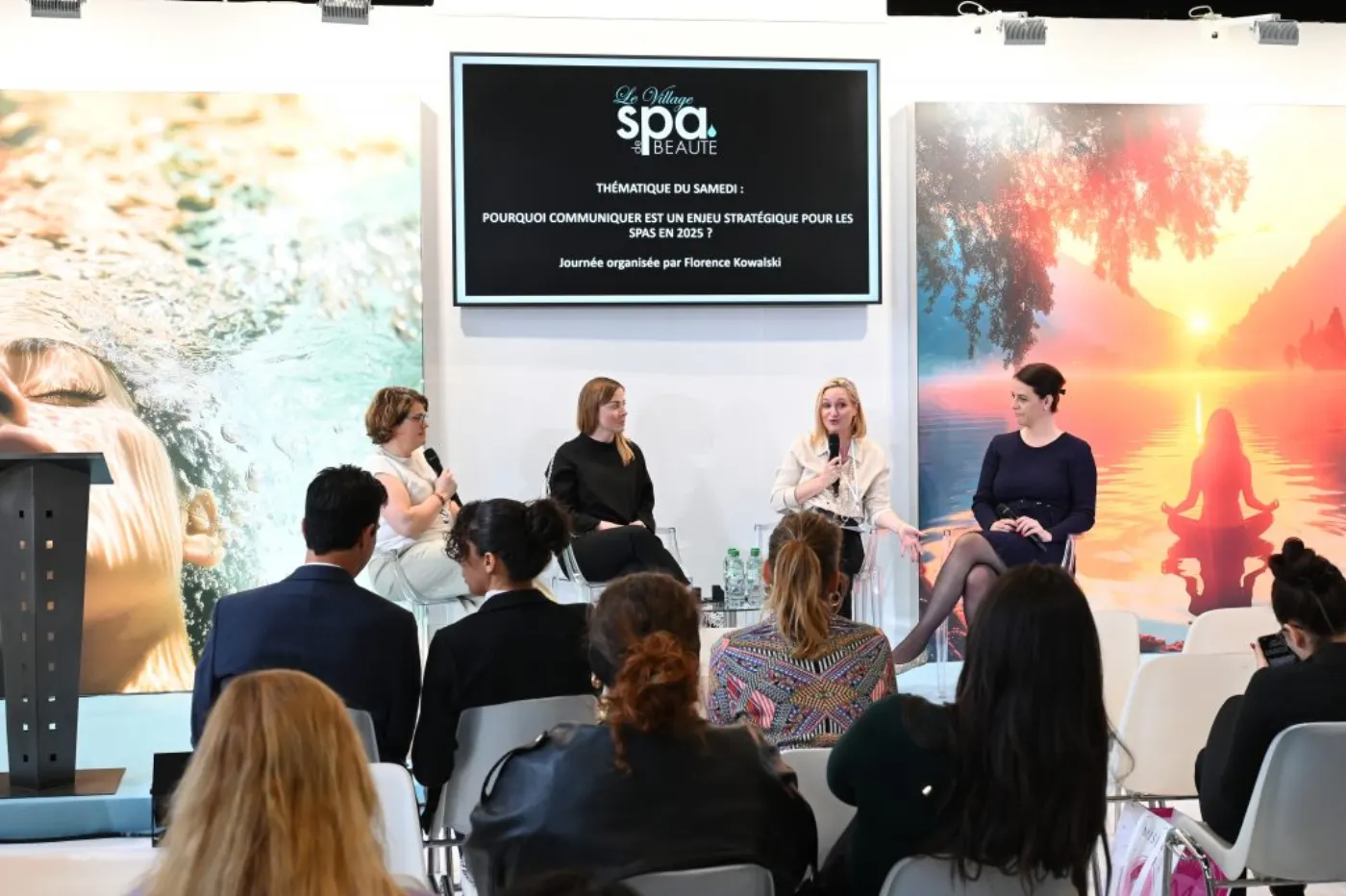
• How to make your spa a key element of your RevPar?
• 10 questions to optimize your spa’s cost control, etc …
You’ll be able to compare ideas, study benchmark practices and meet operators who have already solved the problems you may be facing today. Find out more about the program for hoteliers on Saturday, April 11 here: https: //www.congres-esthetique-spa.com/programme-spa/#samedi
Signature care: identity, differentiation, meaning
In a market where the spa offer has become increasingly standardized, with the same protocols, the same partner brands and the same decorative universes, signature treatments represent a differentiating lever in their own right. It’s not a question of renaming an existing care product, but of building a genuine identity.
On this subject, Laure Jeandemange, organizer of the Village Spa and the International Esthetics & Spa Congress, forcefully reminds us:
“What happens in the cabin won’t be very different from one spa to the next. It’s the details that make all the difference. The customer journey begins as soon as the appointment is made.An inspiring email before the treatment, a personalized welcome, a drink that matches the experience… These are the elements that make the experience memorable.Customers travel and know what’s going on elsewhere. We need to surprise them and offer a coherent package that tells a story. Mental wellness is a global issue, and hotel spas have a real place to play, including from a business point of view.
This stance is decisive: differentiation is no longer a question of protocol alone, but of the overall scenario. Before, during and after: everything contributes to perceived value.
This anchoring can be based on local traditions, the history of the site, a strong sensory theme or a narrative specific to the establishment. Structured with coherence, it becomes a communication argument, a driver of destination attractiveness and a vector for moving upmarket. It also offers customers a clear point of entry into the range: faced with an extensive menu of treatments, the signature experience is a natural choice, even at a high price.
This internal dimension deserves attention. Signature care engages teams in a process of co-construction, giving them a sense of belonging and professional pride. Employees become the first ambassadors of an experience they have helped to build. In a sector where retaining spa talent remains a constant challenge, this identity anchoring has a direct managerial value and is a motivating and meaningful factor. Its effectiveness then hinges on a coherent identity, customer clarity, practitioner training and an appropriate pricing strategy.
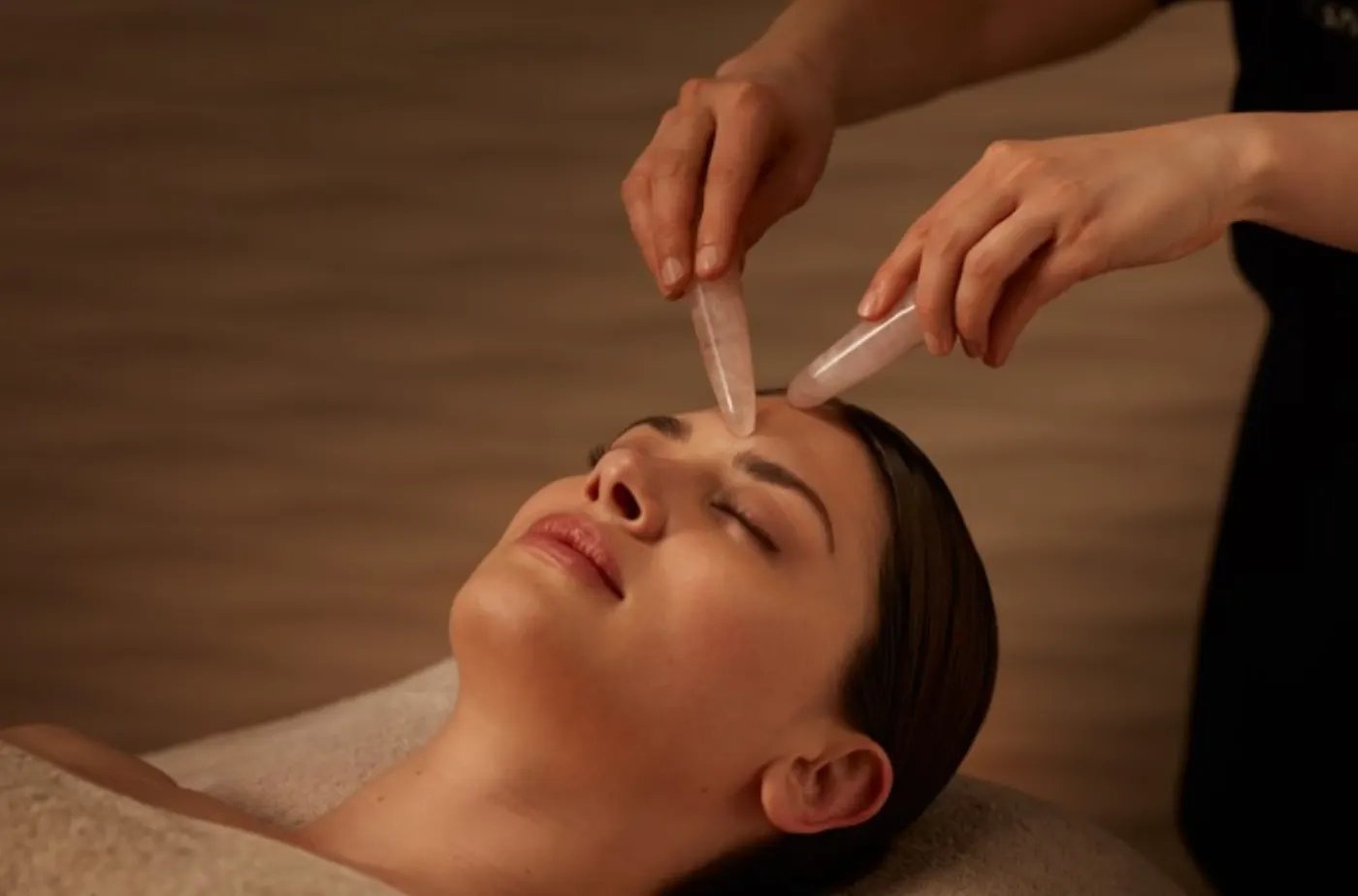
I invite you to discover the master class on the theme of signature treatments, between inspired creation and mastered strategy, on Sunday April 12, from 10am to 11:30am, at the Village Spa. To find out more, click here: program
The spa manager: beyond operational management
The transformation of the spa into a strategic lever profoundly redefines the role of those who manage it. Spa managers can no longer confine themselves to organizing schedules, monitoring inventory and managing reservations. He becomes the guarantor of the customer experience, the business manager responsible for profitability, the strategic recruiter and the day-to-day trainer. Like the chef de cuisine, the head bartender or the head pastry chef, he or she must create and embody exceptional care, and be recognized for it.
Today, the spa manager is a cultural player in the establishment, a guarantor of the coherence between the hotel’s promise and the experience. Entrusting him with this task, and giving him the means to carry it out, is one of the most structuring decisions a hotel manager can make. Spa professionals naturally cultivate an attentiveness to others, a quality of presence and a sense of service that can permeate all teams, from reception to catering.
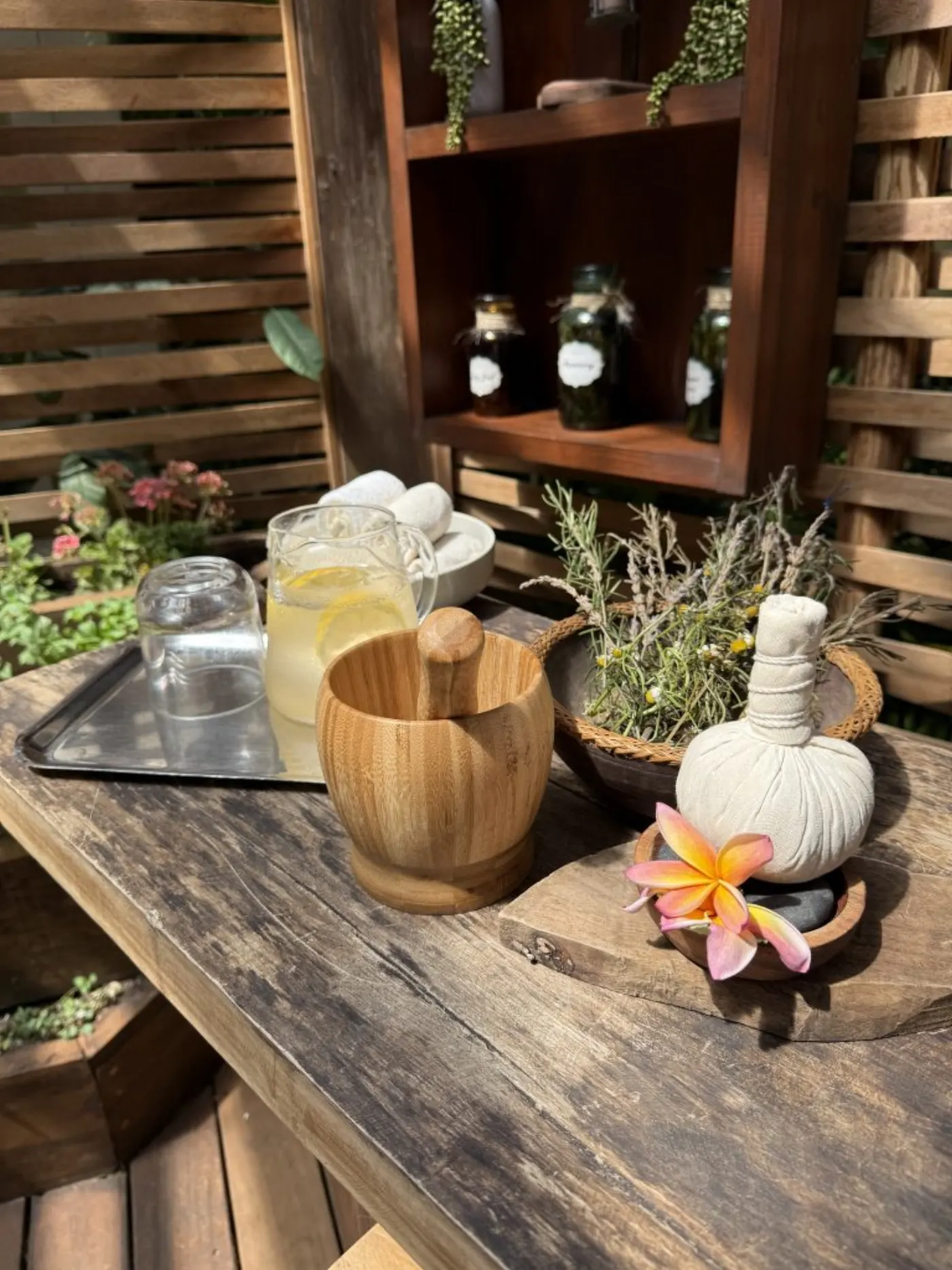
This evolution of the profession will be the focus of a Spa master class at villa Spa, on Saturday April 11, from 10am to 11:30am: “Spa manager: how is a strategic profession evolving?
Technological innovation: integration without distortion
A major evolution is taking place with the convergence of spa, health and technology. The spa world is changing as customer expectations evolve towards more personalization, greater scientific credibility and measurable effectiveness. Artificial intelligence, diagnostic devices, LED therapy, longevity, biohacking technologies and sports recovery tools are redrawing the contours of the offering. The line between wellness and preventive health is gradually blurring.
The challenge for investors and hotel owners is not to adopt every available innovation, but to understand its practical implications, compare solutions and anticipate market trends. The opposite risk is real: technological sophistication disconnected from the site’s identity can distort the experience and weaken positioning. Hotel directors and their managers need to understand what’s at stake.
Technology must reinforce the establishment’s promise, not replace it.
Nearly 200 specialist spa brands will be present at the International Esthetics & Spa Congress, offering professionals a comprehensive overview of available solutions.
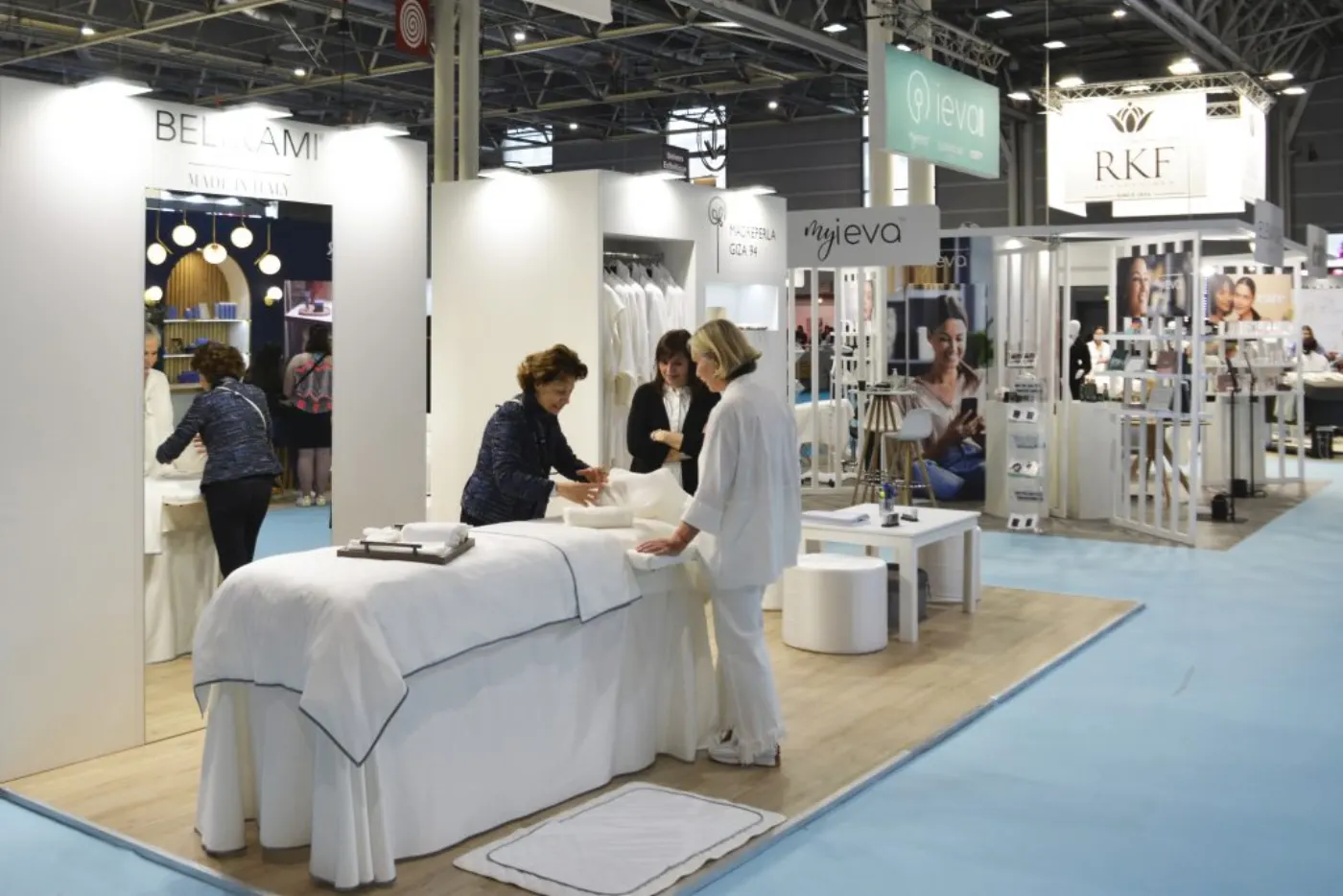
Finally: structure your thinking, not follow a trend
The hotel spa is at a turning point. The high-end and luxury hotel industry is entering a phase where differentiation is no longer based solely on design or gastronomy. It’s all about the ability of an establishment to regenerate its customers, to give them back something they didn’t have when they arrived. Energy, clarity, balance.
Establishments that seize this opportunity as a strategic lever, by aligning their offering with their positioning, rigorously managing performance and investing in the talent of their teams, will gain a sustainable competitive advantage and a head start that will be hard to catch up. Those who continue to treat it as just another piece of equipment will face a growing cost center.
In this context, taking the time to observe, compare models, listen to feedback and compare your own vision with that of industry experts becomes a natural step. Spaces like the Spa Village at the International Aesthetics & Spa Congress offer just such an opportunity: not to follow a trend, but to structure a thought process. You’ll find structured round-table discussions between spa and hotel experts, focusing on practical spa issues. It’s a great opportunity to take the time to ask the right questions about your establishment, and to find inspiration. And in this business, the right questions are often the start of the real transformation.
Share this article with a colleague, a client or a partner.
That is often how an idea enters a house, and then its habits.
What you say about it matters more than what I say.
A keynote, a mission, an article in the magazine: if my work has been useful to you, a few lines on Google are worth more than any argument.
Leave a review on Google →