

In luxury hospitality, design is never neutral. It structures perception, organizes emotion, and ultimately defines how guests experience a place.
Behind each iconic hotel lies a fundamental question: how can architecture translate a brand into a lived experience?
In this interview, Sami Nasser, Senior Vice President Operations for the Middle East, Africa & India, shares how Fairmont Hotels & Resorts and Raffles Hotels & Resorts approach design, construction and guest experience.
Beyond structures and aesthetics, this conversation reveals how luxury hospitality brands build emotional connections through space, culture and human interaction.
Sami Nasser was appointed on the 14th of July, 2013 as Senior Vice President, Operations, Middle East, Africa and India, FRHI. In his new role, Sami is based in the Dubai Regional Office and is responsible for providing leadership to the Middle East, Africa and India region for FRHI, and developing strong relationships with key partners and owners.
His main objective is to consolidate the Group vision and values, whilst increasing financial performance, as well as spearheading crucial project rollouts and new properties developments. Prior to this nomination, Sami was Senior Vice President of operations for Middle East, Africa and Indian Ocean for Sofitel. He was leading the Sofitel regional office based in Dubai, effectively responsible for the operations of a portfolio consisting of 28 hotels and 7,179 rooms, in diverse geographical locations.
Sami brings over 25 years of hospitality experience having held several roles within multiple International brands in Operations, Sales and Distribution areas. Sami graduated from the INSEAD France Advanced Management Program and he holds a PDP in Hotel Marketing from Cornell, Ithaca University, New York.
How do Fairmont and Raffles approach luxury hotel design and construction?
As a company, FRHI Hotels & Resorts (FRHI) (which houses three leading hotel brands – Fairmont Hotels & Resorts, Raffles Hotels & Resorts and Swissôtel Hotels & Resorts), works very closely with hotel owners to realize their vision in the construction and design of new builds. It also moves beyond this to include consultation and overseeing renovation and refurbishment projects for existing hotels. This process is further strengthen by our design and construction team at FHRI Dubai Regional Office, which collectively bring years of experience in working with partners on the aesthetic design and practicality of our new hotels, in-line with building regulations, and codes, and helps to deliver the vision to both the owning company and the management brand.
The translation of our brand is found in many areas, from the location of our hotels in leading cities and sought after destinations to subtle design touches and influences that play tribute to the communities in which we operate in. But the brand means more than simply the architecture of a building and its design scope, it transcends to our colleagues who deliver the Fairmont promise to our guests every day by delivering one-of-a-kind experiences.

How does Fairmont define the art of hospitality in luxury hotels?
Fairmont Hotels & Resorts has a very long and enduring history with a collection of storied hotels located in coveted destinations and gateway cities. The architectural structures of our hotels are often considered as works of art in and of themselves. In the Middle East, this is especially apparent with the Makkah Clock Royal Tower, A Fairmont Hotel in the Kingdom of Saudi Arabia.
Located just steps away from the Grand Mosque and Ka’aba, this 76 story hotel features a 40 metre (130 foot) Royal Clock, visible from 70 kilometres away, which announces daily prayers to the Muslim world, and a Lunar Observation Centre and Islamic museum to preserve Muslim heritage. Fairmont Bab Al Bahr in Abu Dhabi plays tribute to its name ‘gateway to the sea’ with a luminous blue glass facade and white lines representing the crests of the sea, and the iconic Fairmont Dubai was constructed to represent a traditional Bedouin ‘barajeel’ (wind tunnel).
In Africa, our landmark properties in Kenya play tribute to the ancestral heritage of the continent, with the ‘Grand Dame of Nairobi’ – Fairmont The Norfolk – celebrating its 110 year anniversary early next year, while the Fairmont Jaipur in India represents time honoured tradition with Mughal inspired design in the form of a Rajasthani palace.
But art and heritage delves deeper than just architecture and design. The hotels plays an active role in showcasing the arts and its artists. Fairmont’s brand promise has always reflected genuine connections with our guests and the customization of their experiences. Case in point, the art@fairmont program was developed as a result of a 2012 survey conducted in the region which asked what factors were important to guests when traveling.
According to travelers from Saudi Arabia, Qatar, Egypt and the UAE, an overwhelming 73% responded that cultural factors, such as a vibrant arts program played a large role when making travel plans. In response to this, the team at the Makkah Clock Royal Tower launched a photo competition, welcoming hobby photographers to submit images that best reflected Saudi life in the holy city. This culminated in a large photo gallery display in the hotel to showcase community understanding, continuity and outreach.
Fairmont The Palm in Dubai partnered with a local art gallery and housed Azerbaijani artist Faig Ahmed for three months. During his time as an artist in residence, he created his eclectic art form of carpet weaving combined with contemporary structure, a process that was visible in an open studio to both hotel guests and residents in the city.
As the examples above demonstrate, opportunities such as these to connect with our guests and the ability to deliver memorable travel experiences is paramount to our brand culture. It moves beyond simply knowing a guest’s name and providing the basics in service standards, stemming instead from personalization and thoughtful engagement, which in turn builds brand loyalty in the process.
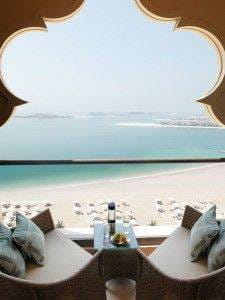
What differentiates Fairmont and Raffles in luxury hospitality positioning?
Fairmont Hotels & Resorts, Raffles Hotels & Resorts and Swissôtel Hotels & Resorts, fall within the FRHI portfolio which aims to become the world’s preferred hospitality company. It currently boasts over 110 hotels in 32 countries with more than 47,000 colleagues. All three brands complement each other with its unique attributes, including distinguished histories and exemplary service cultures.
Fairmont Hotels & Resorts is a luxury hotel collection focused on providing adventurous travellers with genuine experiences in celebrated destinations worldwide. Fairmont hotels are distinctive, often capturing the spirit or personality of their location, and can connect guests to the very best of that the destination has to offer. Engaging, thoughtful service is the hallmark of the Fairmont experience. Currently the brand operates 67 hotels and 11 residential products worldwide, and includes such iconic properties as New York’s The Plaza, The Savoy London, Fairmont Dubai and Shanghai’s Fairmont Peace Hotel.
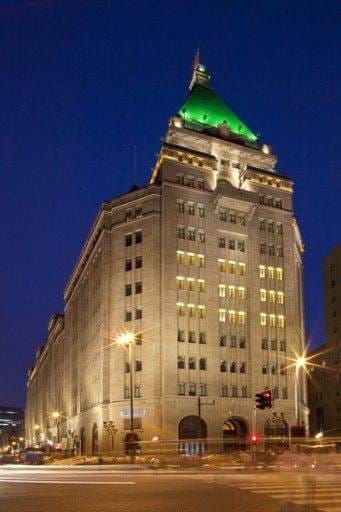
Raffles Hotels & Resorts represents an oasis for the well travelled, offering sophisticated luxury and residential charm, along with personal and discreet service. It is a portfolio of luxury properties around the world, including Raffles Singapore, Raffles Praslin Seychelles, and Raffles Makkah Palace, to name a few. With a compelling mix of culture and style, each hotel in the Raffles family has its own individual personality and sense of place. There are currently 10 hotels and two residential products worldwide.
Swissôtel Hotels & Resorts was established in Switzerland and makes quality of life a promise to its guests. The brand is also distinguished by its robust commitment to sustainability, combined with an energetic and passionate team. It is inspired by the high living standards in Switzerland and is known for its contemporary Swiss style and locally inspired flair. There are currently 31 hotels and one residential offering worldwide and include such notable hotels as the Swissôtel The Bosphorus, Istanbul, Swissôtel Krasnye Holmy, Moscow and the Swissôtel Makkah.
What Must Be Remembered
Beyond design and architecture, this interview highlights a fundamental truth in luxury hospitality:
what defines a brand is not only what is built, but how it is lived.
For brands like Fairmont and Raffles, the challenge is no longer to create beautiful hotels, but to design meaningful experiences rooted in culture, people and emotion.
