
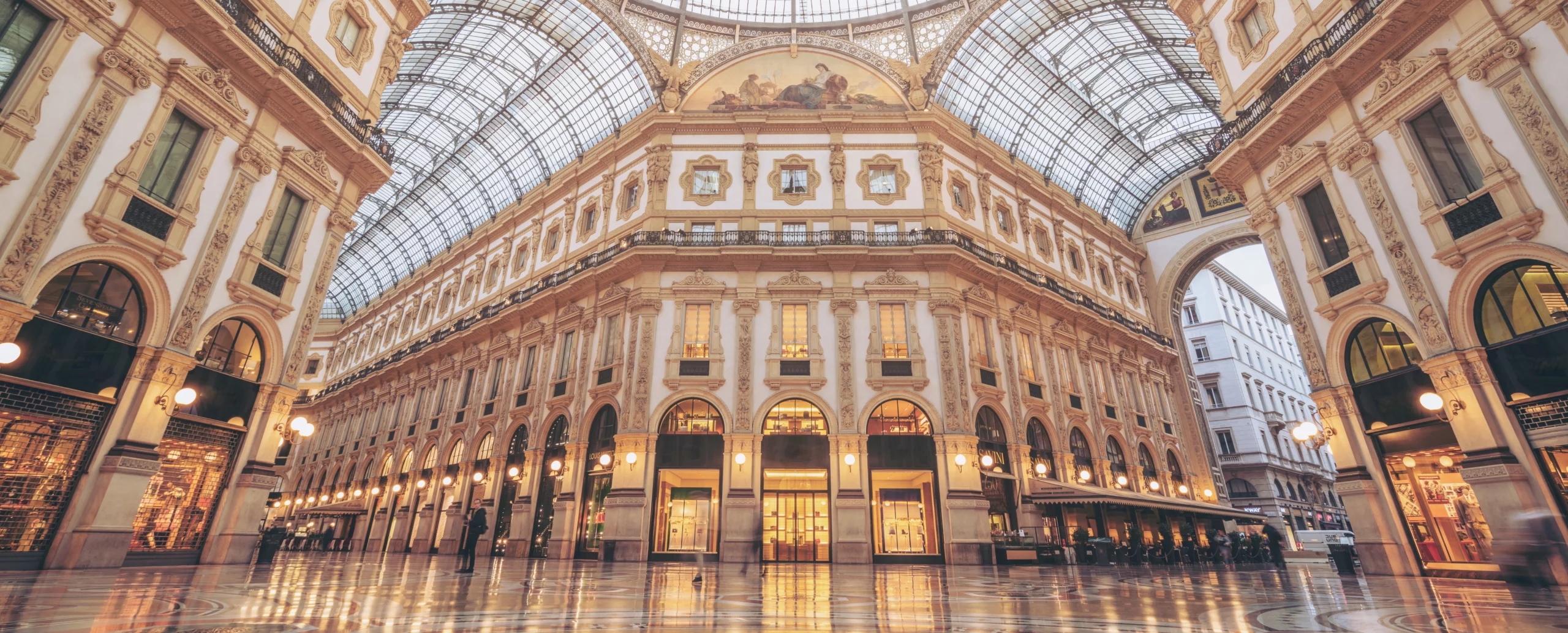
Luxury is essentially a world of high standards, excellence and rarity. But in a world faced with environmental challenges, it must now combine refinement and responsibility. Long on the sidelines when it comes to ecological issues, the luxury hotel industry has begun its transformation, with varying degrees of conviction depending on the destination, the player and the culture. At the heart of this transition lies a paradox to be resolved between absolute comfort, growing customer expectations and the urgency of climate change. How far can – or should – luxury go to become exemplary?
The great paradox of sustainable luxury: the impact of transport
The first obstacle to truly sustainable luxury is not to be found in the hotels themselves, but in transportation. For a French palace, over 75% of our customers are international, with strong representation from Asia, North America and the Middle East. Yet it’s precisely these long-haul flights that generate the lion’s share of CO₂ emissions linked to the stay.
So even the most virtuous hotel, with impeccable energy standards, can’t single-handedly offset the carbon footprint of its guests’ journeys. The paradox is therefore structural: the more prestigious a hotel is and the more it attracts guests from afar, the harder it is to reduce its impact.
Concrete initiatives, but contrasting realities
For several years now, many luxury establishments have been making the ecological transition. It starts in the kitchen, with short-distance sourcing, organic or sustainable agriculture produce, sometimes even grown in the hotel’s own kitchen gardens. Some chefs demand local produce within a 200 km radius, to limit transport and guarantee freshness.
Energy management has also evolved: low-energy light bulbs, fine temperature adjustments, intelligent control of air-conditioning and watering, and even the outright elimination of certain energy-guzzling equipment. In Costa Rica, for example, some pioneering resort hotels have done away with minibars, replacing them with iceboxes stocked with ice every morning. Others go so far as to design hotels that can be dismantled to reduce their footprint on the natural site.
Let’s be clear: not all destinations are progressing at the same speed. In California, it has been common practice for over 20 years to change towels and sheets only at the customer’s request. Elsewhere, including in some of the world’s most luxurious destinations, hotels continue to replace them on a daily basis, even if they’ve been little used, in 24-hour air-conditioned rooms.
This disparity is not just a geographical issue. Some hotel groups or independent owners are much further ahead than others, with a real determination to reinvent themselves. Others remain stuck in old-fashioned practices, sometimes for cultural reasons, sometimes for lack of initiative or resources.
Raising awareness without making people feel guilty: a new pedagogy of hospitality
In a luxury hotel, employees don’t impose, they propose. Customer relations must remain elegant, respectful and generous. This doesn’t mean we shouldn’t talk about the environment. On the contrary: customers are willing to listen to talk about responsibility, as long as it’s phrased tactfully.
The aim is not to “teach a lesson”, but to create a link between hospitality and ecological awareness. Informing guests about their actions (linen, water, electricity), the origin of products and the efforts made by the hotel can enrich their experience. In fact, the younger generation of customers is very sensitive to this, and even looks forward to such initiatives.
“Luxury also means understanding that we are privileged. This implies a form of responsibility and respect for the place where we stay. It’s an exchange of values, not a constraint”, explains Laurent Delporte. Responsible hospitality doesn’t take anything away from the customer experience: it adds meaning.
Towards a sustainable luxury hotel in 2035: back to nature and gentle innovation
Tomorrow’s sustainable luxury hotels will be more than just energy-efficient. It will be a place to reconnect with nature, while respecting the environment. The customer experience will be enhanced by an interior atmosphere that is an extension of the exterior, inspired by natural materials, light and the breath of life.
DELPORTE HOSPITALITY, had already demonstrated this in 2016 with the AW2 agency when it introduced the “ORIGINE room, eco-responsible, rejuvenating and energy-efficient”, a concept conceived as a return to the source, where ecology becomes a vector of emotion and well-being. “We don’t take comfort away from the customer, we add to it through the environment.”
But let’s be realistic: not all hotels will be able to meet these standards. Older, poorly insulated buildings with obsolete standards will continue to consume energy despite our efforts. Conversely, new projects or recently renovated facilities can aim for high environmental performance, even close to carbon neutrality.
The key is to adapt ambitions to the context, without standardizing, but rather to be part of a dynamic of real, sincere and auditable progress.
Reconciling excellence and conscience
Luxury has long been perceived as a world apart, sometimes disconnected from the issues facing society. Those days are gone. Hoteliers, chefs, designers and owners of prestigious establishments know: tomorrow’s luxury will be sustainable, or it won’t be.
It’s not a question of renouncing excellence, but of rethinking it in terms of responsibility. In this new form of hospitality, respect for the planet becomes as much an act of elegance as a thoughtful gesture towards a guest. The real rarity today is no longer marble or crystal: it’s consistency, sincerity and commitment.
And that’s precisely what tomorrow’s guests will be looking for.
