When the gesture becomes a tribute to the other, it transcends mere action to become ritual, emotion and connection. In the world of hotels, restaurants, professional maintenance - and more broadly in all Living Heritage Companies - the gesture is at the heart of hospitality, the raw material of a lasting sensory memory.
1. Gestures: creating links, generating emotion
In a world where technology tends to standardize experiences, the human gesture rehabilitates emotion, singularity and attention. Whether it’s a craftsman shaping a knife, a glassblower blowing crystal, a hotelier opening a door, or a cleaner wiping streaks from a window, it’s the quality, the awareness, the precision of the gesture that provokes wonder.

To watch someone clean a window with a fluid gesture, an outstretched hand, a steady hand, is to witness an invisible craft: the world is more beautiful, brighter, more breathable. This gesture reveals an intention: to care, to respect, to offer. And these human qualities resonate with the very notion of hospitality.
2. Hospitality: a state of mind beyond the hotel business
Hospitality is not exclusive to the Palaces: it permeates all professions in contact with customers or users - craftsmen, shopkeepers, architects, services, restaurants, luxury industries. For EPV-labeled companies, it represents essential intangible added value.
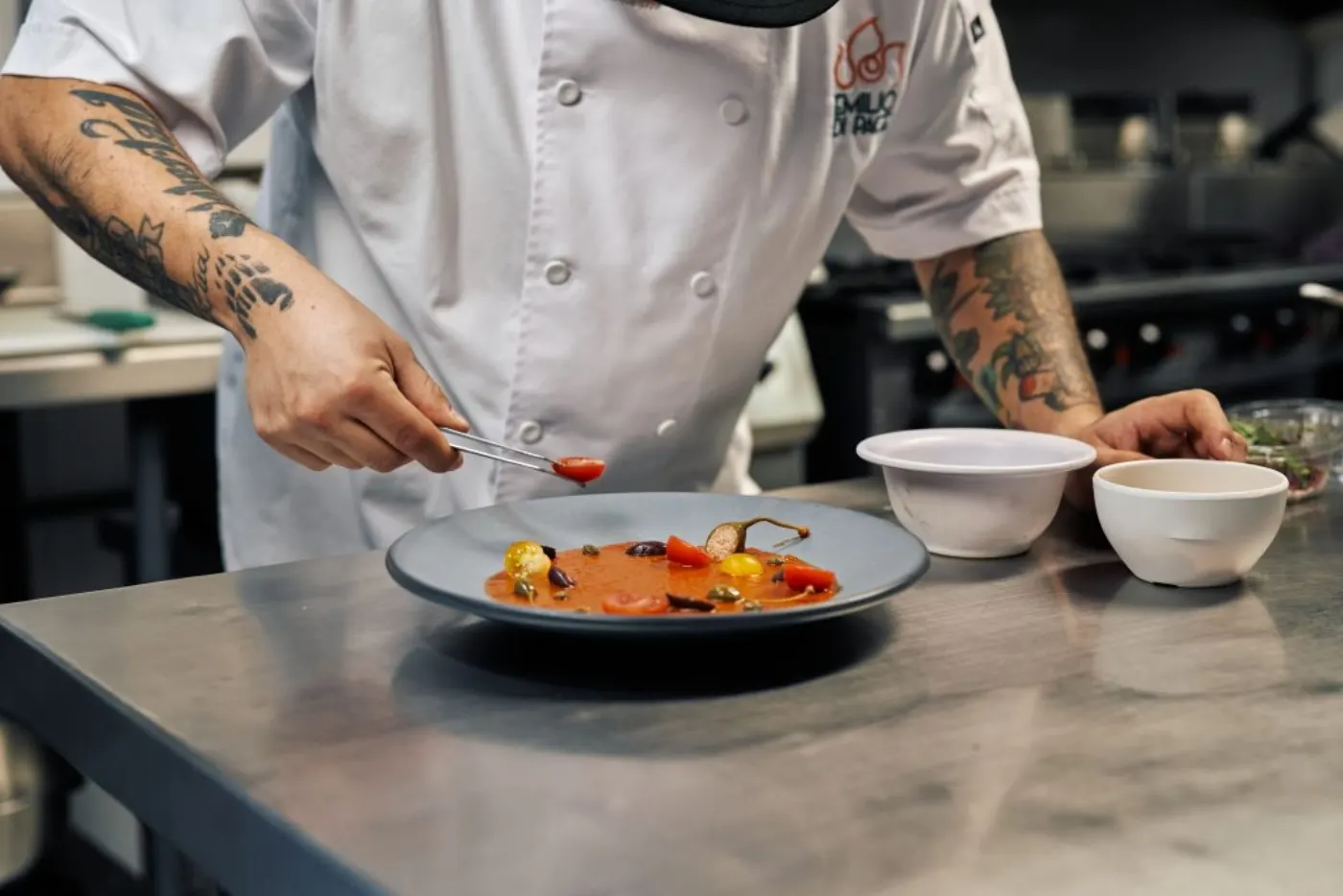
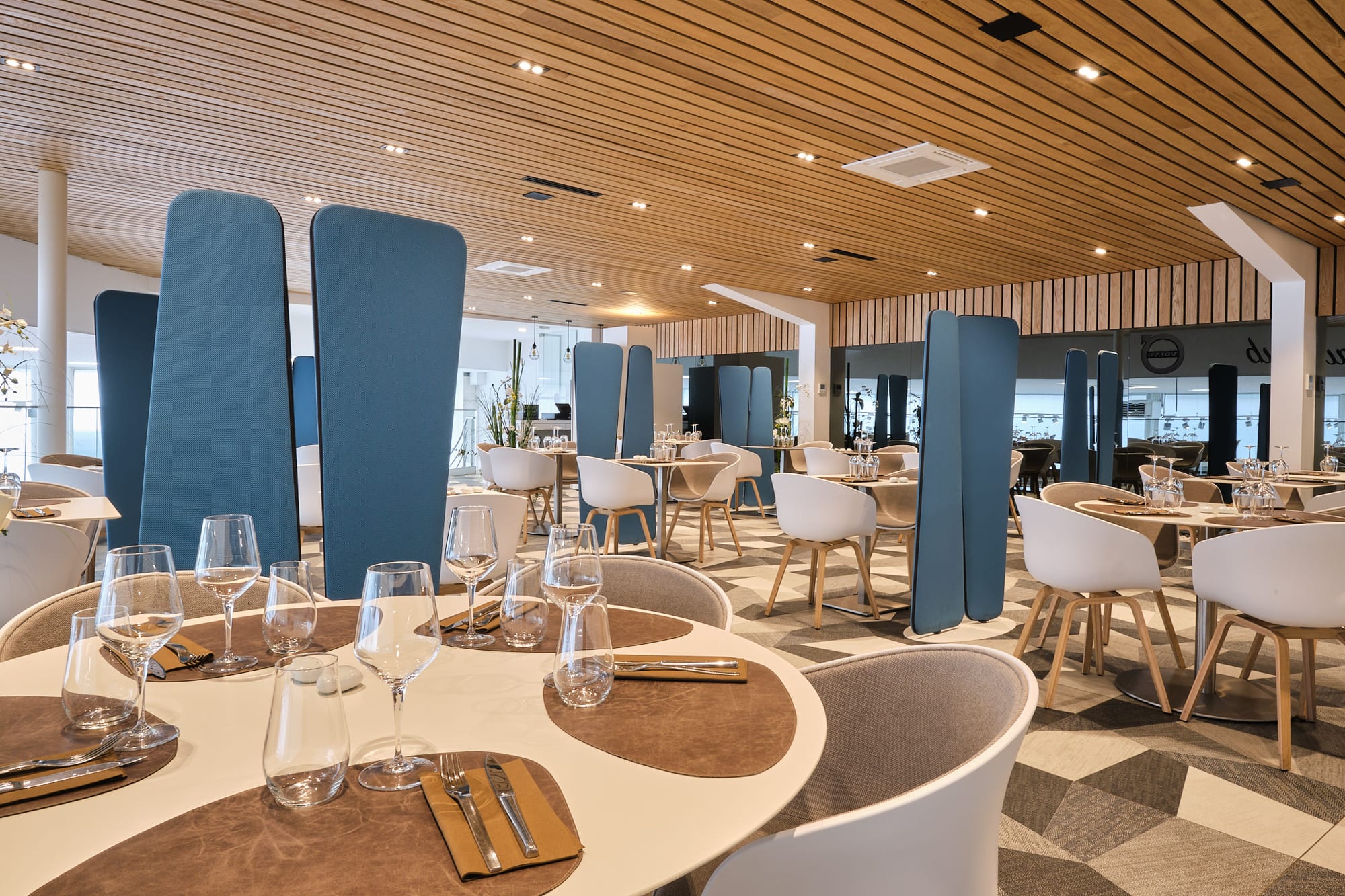
In the restaurant business, the gesture of the sommelier removing the cork from the bottle of wine, or the cutting of the fish by a Maître d’hôtel in front of the customer, are precious moments when ritual becomes emotional performance. In the hotel business, preparing a room, folding a sheet, laying out a towel, is all about creating a promise: a meticulous welcome, a spirit of service. In a craftsman’s workshop, the gesture of selecting wood, carving it and assembling it is a sensitive offering to the eyes of the future user.
3. Mutual inspiration: the hotel industry and EPV trades
The Réseau Excellence Contract is a particularly relevant lever for the international influence of EPVs: it federates certified companies, particularly in the hotel and luxury sectors. This platform offers a unique space to encourage the exchange of best practices between craftsmen and hoteliers, based on the transmission of gestures and the sense of welcome.
Imagine an EPV architect designing reception furniture especially for a luxury hotel. Or an EPV ceramics workshop producing silverware for the table of a Michelin-starred restaurant. Or an exchange between a chef and an art blower on the subject of gesture: how to create an object that enhances the experience? These collaborations enrich everyone involved: the hotel creates a living showcase for its expertise, and the artisan gains premium international visibility.
4. Ritual and sensorial memory: engraving the customer experience
To be memorable, the gesture must be ritualized: it must be repeated, mastered, set in a chronology, a scenography. What is given in this way becomes a sensory experience: we remember the sound of crystal, the scent of welcome soap, the silky touch of a curtain, the warmth of a smile.
These codes of hospitality - sound, textures, aromas, temporality - can be deployed in all EPV trades: in architecture, where a gesture of laying wood or plaster, a rhythm of clicking, a subdued light, embody reception. In gastronomy, where the chef’s gesture visually shapes the plate and captivates the eye. In the interview, where the removal of clutter creates a new framework, a new state of mind.
5. The professional gesture is noble, visible and instructive
Too often undervalued as a silent occupation, the gestures of professionals - whether they work with glass, marble, wood or linen - are beautiful to observe, to think about and to reproduce. When an architect immerses himself in the gestures of an EPV cabinetmaker to design a staircase, he becomes a translator: the gesture is staged, respected and amplified.
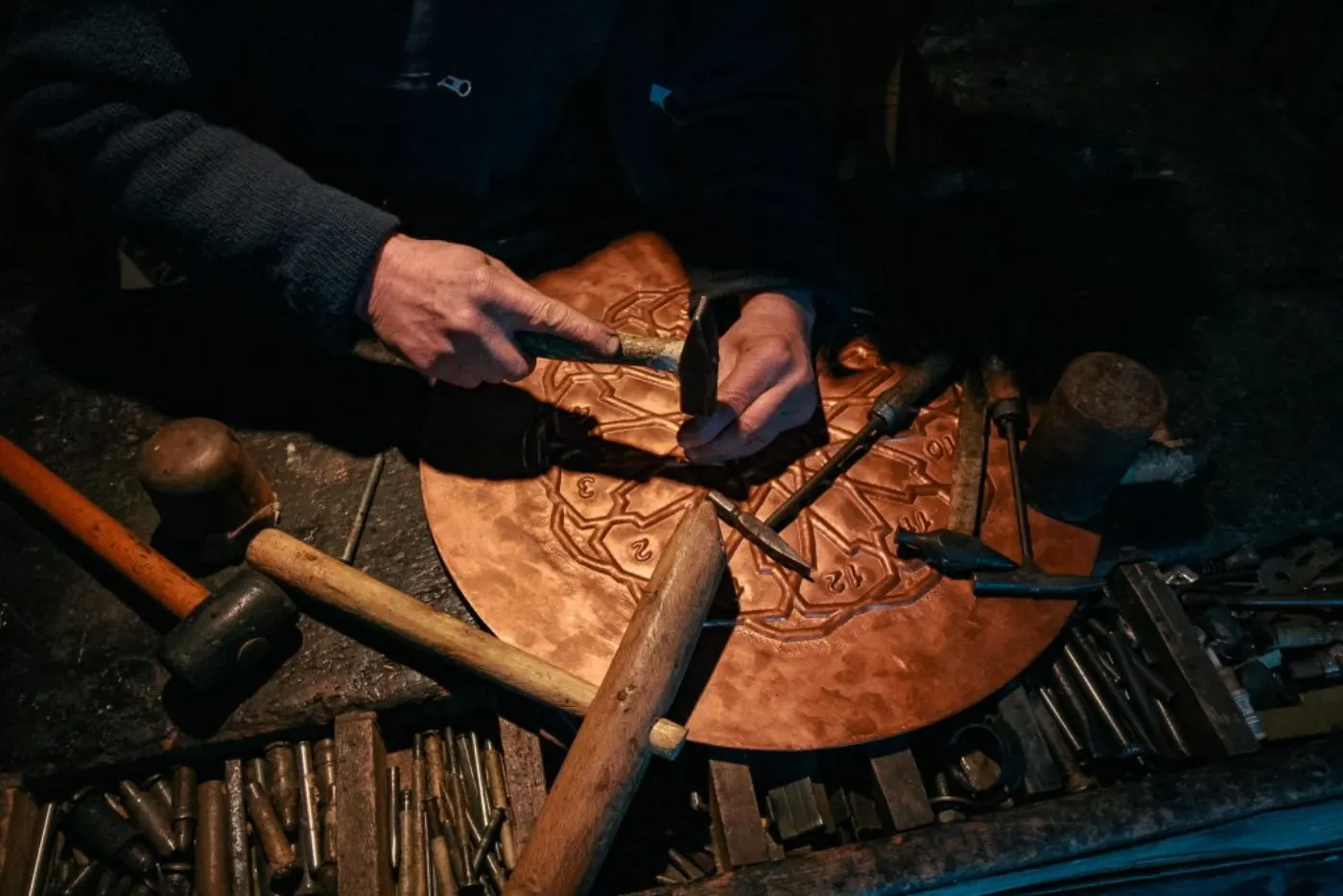
Take knife-making, for example: each stage - shaping, polishing, tempering - is a precise gesture, carefully repeated, almost like a ritual. In the same way, training cannot be limited to a manual or a simple video. It requires hands-on immersion, accompanied learning and careful repetition of gestures. Architects and space designers can draw inspiration from this: by integrating these gestures into the design of places, they give meaning to the user experience. The gesture becomes a meaningful habit, and the place itself tells a story.
6. Sustainable rarity: preserve, reproduce, transmit
What is rare has always deserved to be protected. An exceptional gesture, a precious essence, an ancient know-how: each of us carries with us a fragile but essential part of our heritage. For Entreprises du Patrimoine Vivant, this rarity is not an end in itself, but a starting point: that of responsibility.
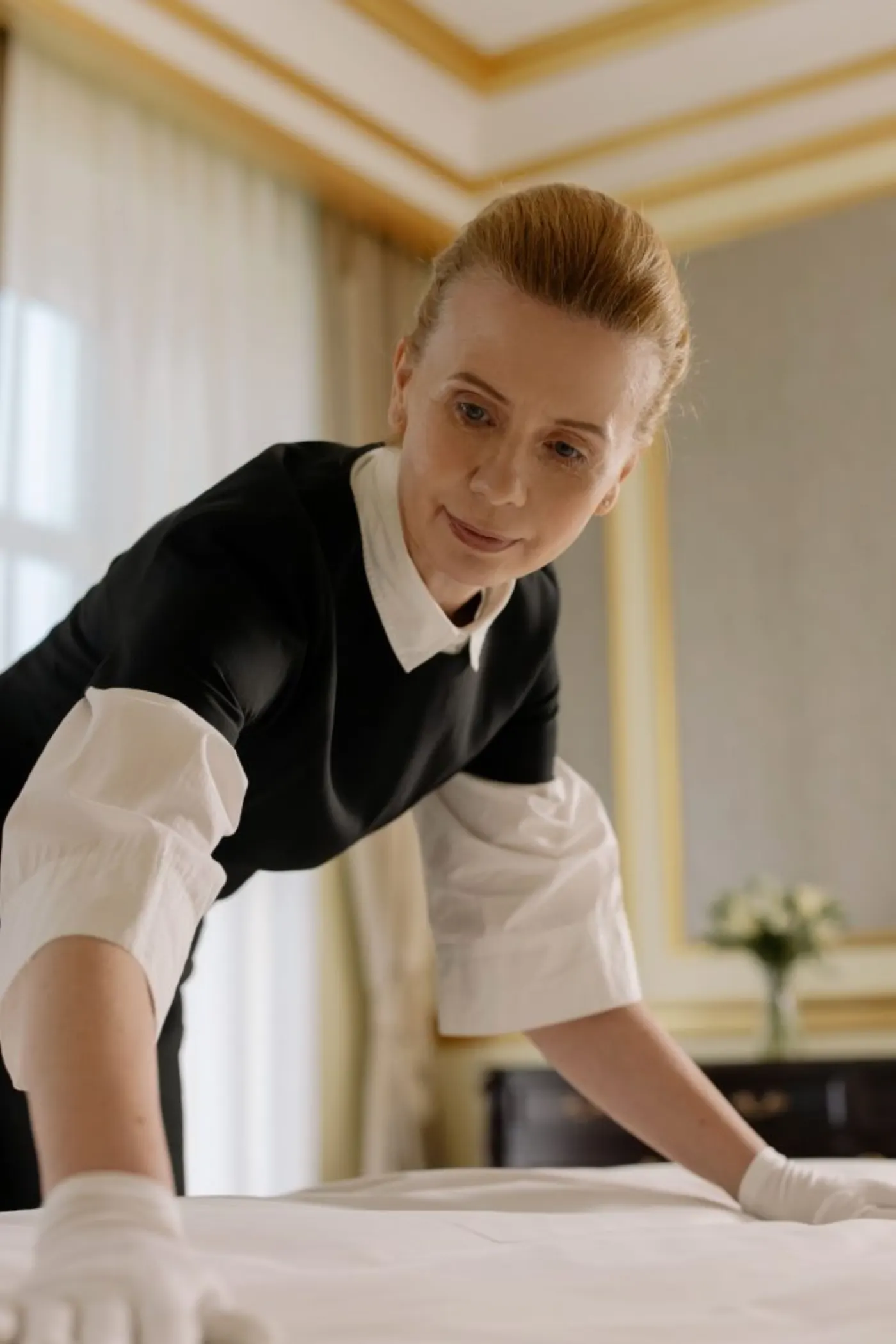
Preserving what is rare also means thinking about its reproduction. Harvesting a rare material cannot be done without conscience: every tree cut down to create exceptional furniture requires replanting and regeneration. It becomes a virtuous cycle, a commitment to nature and future generations. Likewise, there’s much more to maintaining a place than a simple act of cleaning. It’s a way of celebrating the place’s identity, maintaining its dignity, and inscribing its use in the long term.
This requirement is in line with the very pillars of the EPV label: tradition, innovation, respect for the environment, rarity and technicality. It’s a way of giving meaning to the word “sustainable”: not as a simple ecological strategy, but as a cultural approach. What’s rare becomes a story to be passed on and brought to life. An object, a space, a service then takes on a heritage value, not only for its quality, but for what it embodies: a link between past and future, between gesture and vision.
In a world where abundance sometimes masks value, these companies remind us that scarcity has a price, a history and a soul. Protecting it means refusing to trivialize it. Passing it on means affirming a certain idea of excellence: demanding, lively and profoundly human.
Making gesture a common language
Hospitality in all its forms - hotel, restaurant, residence, airport, museum or healthcare facility - is expressed above all through gesture. A humble gesture, often discreet, but deeply meaningful. It precedes the word, touches the emotion and reveals the intention. It welcomes, guides, cares for and beautifies. It speaks to the body, to memory, to history.
This gesture is a universal language. It transcends professions, generations and cultures. It’s not a superfluous luxury, but a way of being in the world. It belongs as much to the craftsman as to the service personnel, to the architect as to the gardener, to the trainer as to the builder. It conveys shared values: precision, care, transmission, beauty. It is also a vector of emotions, an activator of memories, an amplifier of experience.
We have a decisive role to play. We are at the interface between creation, investment and use. You can make these gestures interact. Encourage them, make them visible, promote them.
For architects , you offer the opportunity to anchor your projects in a sensitive materiality, where every detail makes sense, where the craftsman’s hand becomes an extension of the line.
For investors , you provide the keys to a new way of thinking about value: not only in terms of financial return, but also in terms of use value, lasting reputation and living heritage.
For project owners , you open the way to collective excellence, where each player - from the designer to the installer - is recognized for the contribution he or she makes to the overall story.
Making gesture a common language means building differently. It’s about creating places where you feel welcomed, respected and considered. Places where you don’t just pass through, but remember having been. Places where you understand that behind every straight line, every seam, every finish, there’s a hand. A memory. A commitment.
This is the new luxury today: living excellence, rooted in rare know-how and driven by a shared vision of sustainable hospitality.
Let’s make this language of gesture a culture of the future. 📣 Does this message speak to you? So don’t hesitate to share it with your colleagues, your customers, young people looking for a vocation, or anyone else who might be inspired by the challenges of transmission and excellence. Together, we can get these ideas circulating, give new meaning to manual and hospitality professions, and create real vocations.
💡 If you have any ideas, needs, or would like to go further, I’d love to hear from you. I offer hospitality audits, hospitality strategies, inspirational conferences, customized training and coaching for managers and teams in the hospitality, luxury and exceptional venue sectors.
Share this article with a colleague, a client or a partner.
That is often how an idea enters a house, and then its habits.
What you say about it matters more than what I say.
A keynote, a mission, an article in the magazine: if my work has been useful to you, a few lines on Google are worth more than any argument.
Leave a review on Google →